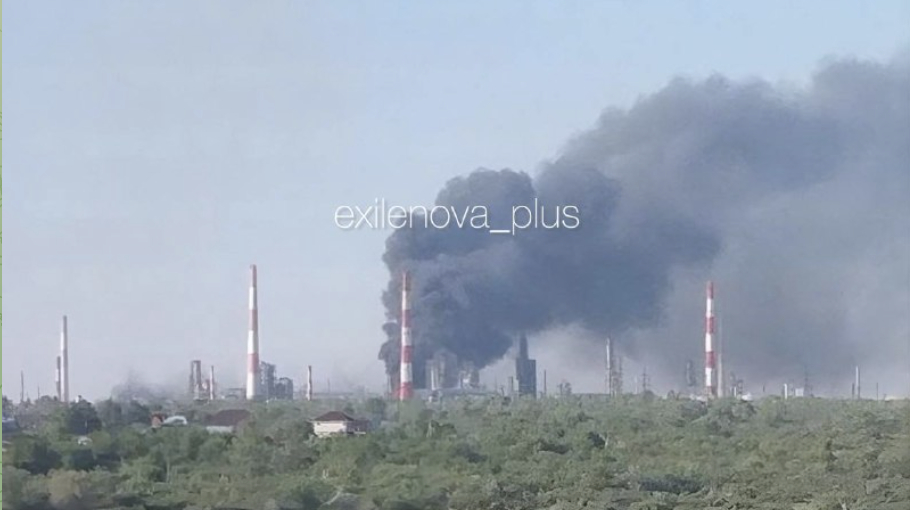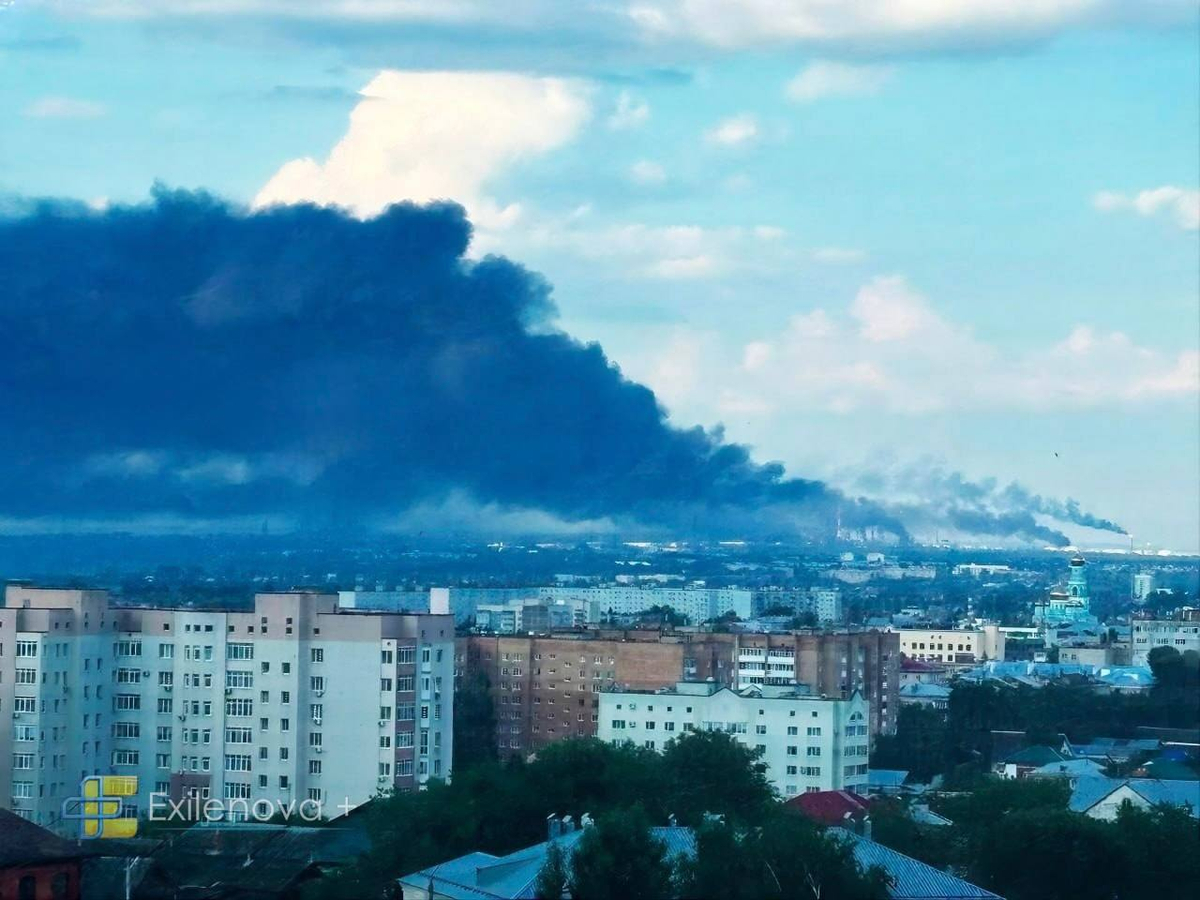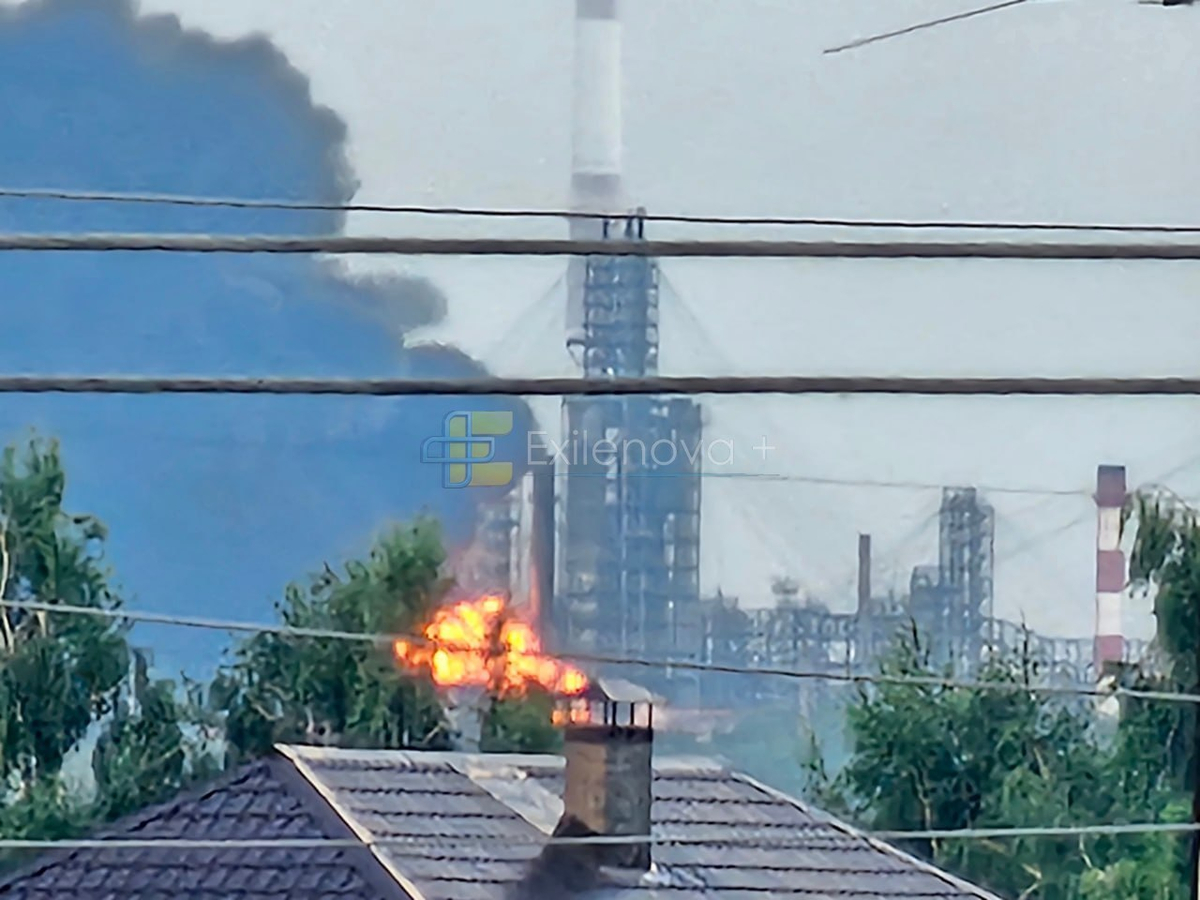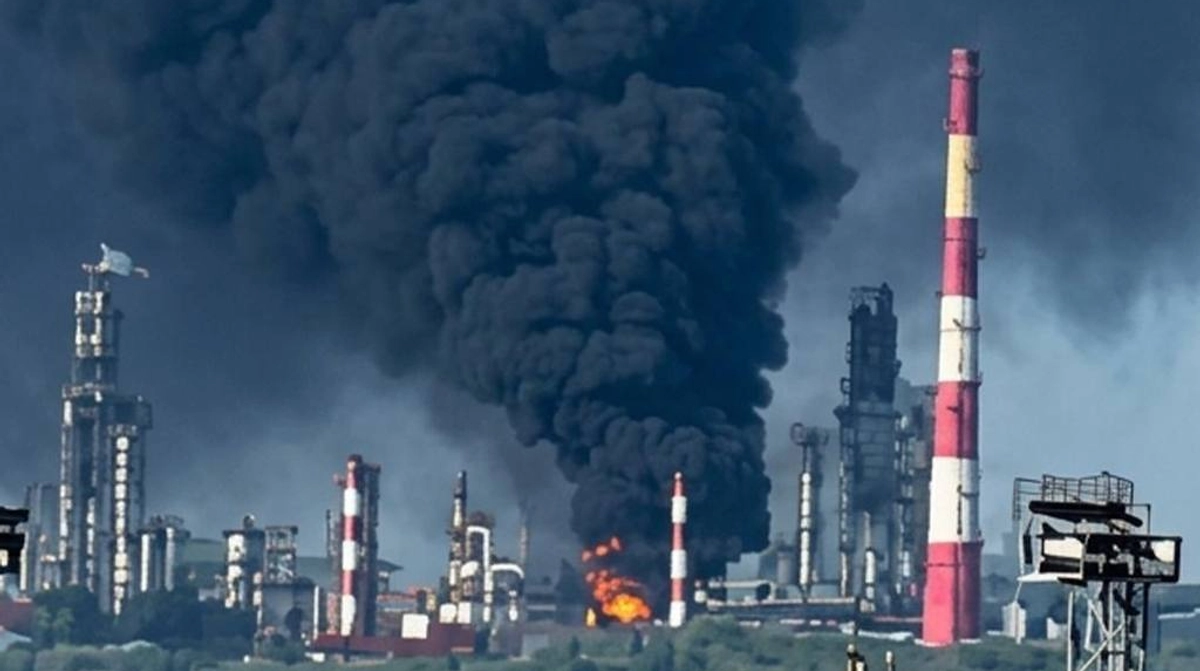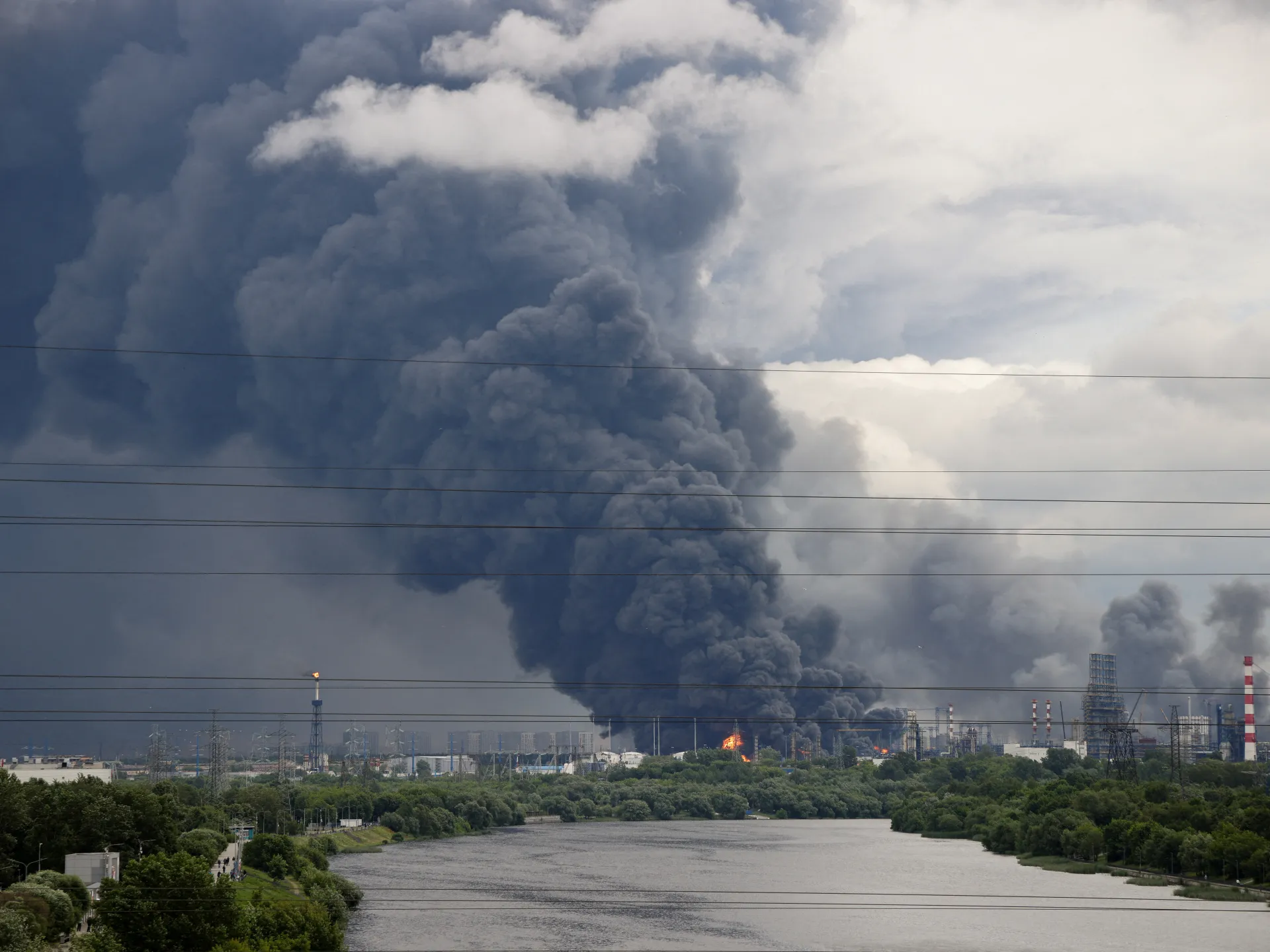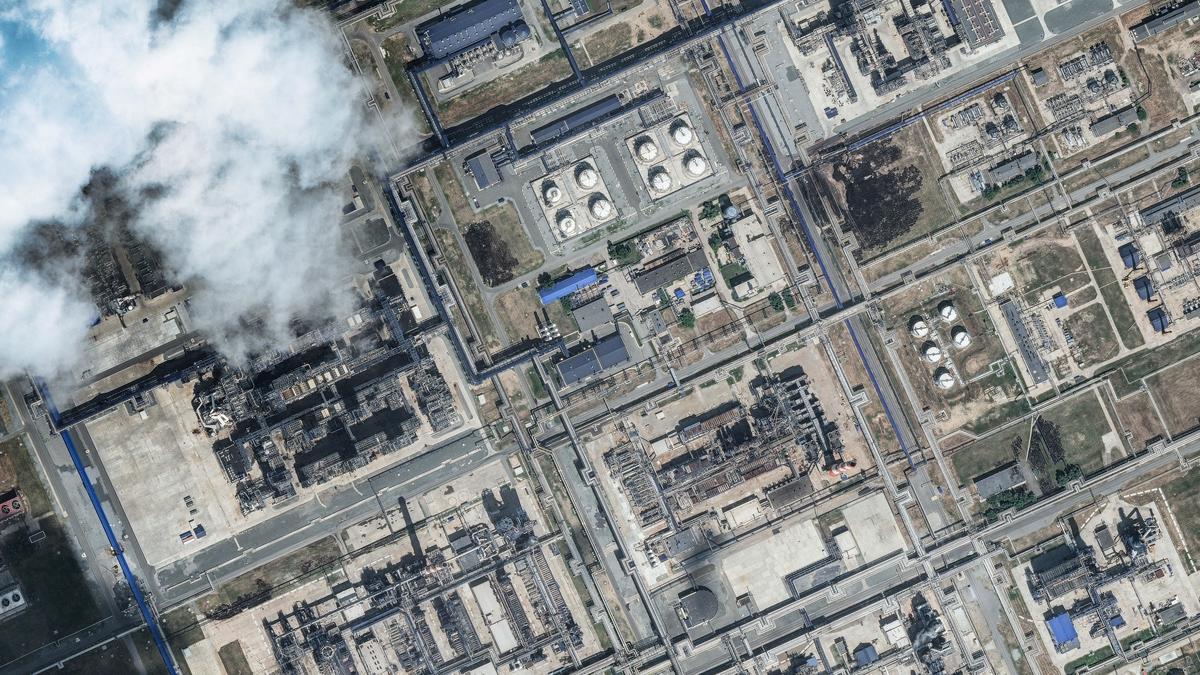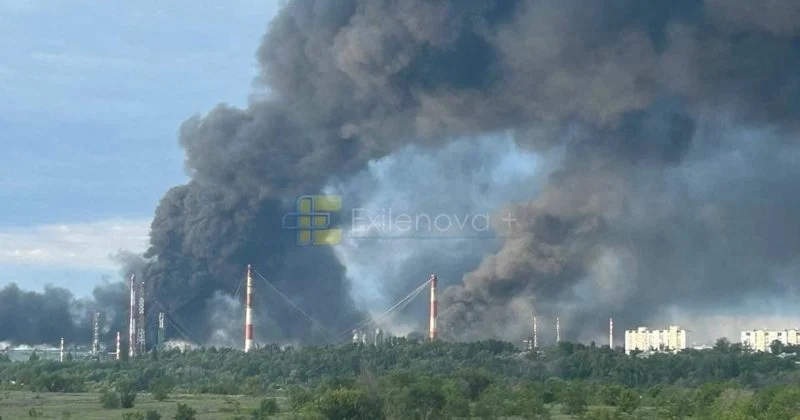
Ukrainian drones struck the Syzran oil refinery in Russia’s Samara Oblast overnight on July 11-12, igniting fires visible from the nearby city and sending thick columns of black smoke skyward. The facility, owned by state-controlled Rosneft, processes between 7 and 8.9 million tons of crude oil annually, making it one of the more consequential targets in Ukraine’s expanding deep-strike campaign against Russian energy infrastructure.
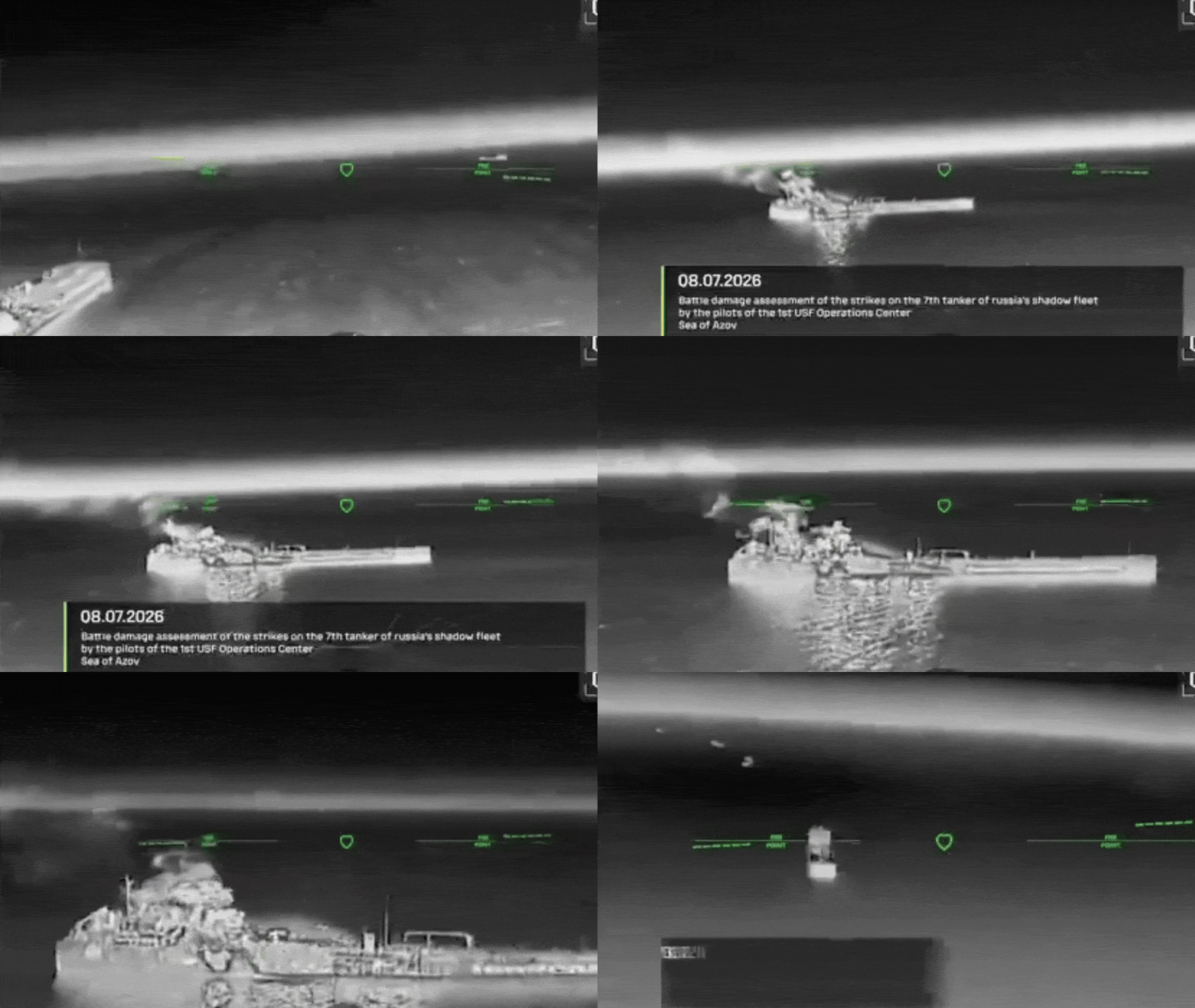
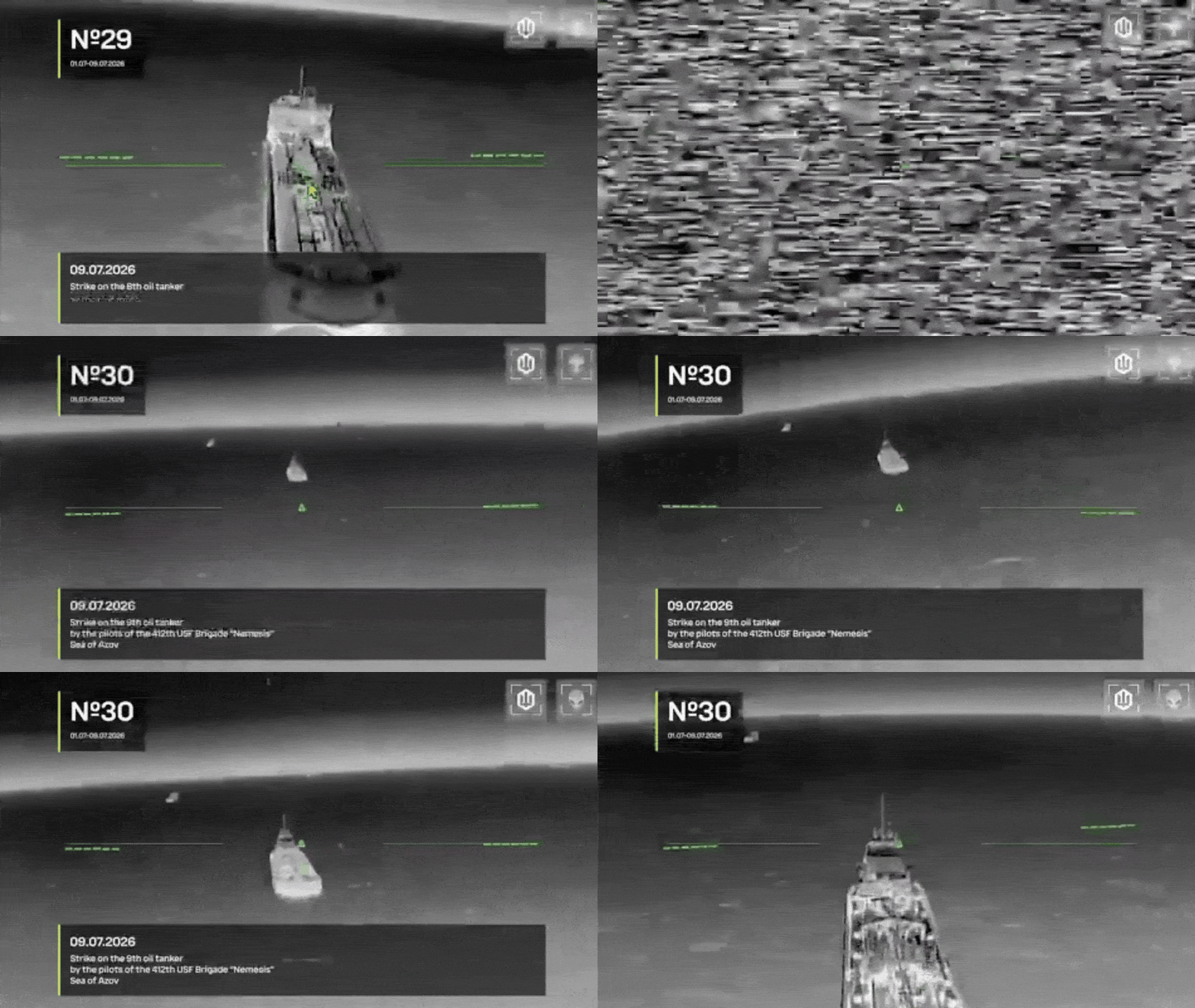
Separately, Ukrainian forces reported damaging several vessels in the Sea of Azov, including tankers reportedly carrying approximately 7,000 tons of fuel each. The dual-pronged strikes, hitting both production and transport, signal a deliberate effort to choke Russian fuel logistics from refinery gate to delivery route.
A pattern, not a one-off
The Syzran refinery is no stranger to Ukrainian drones. Facilities in the Samara region have been targeted repeatedly since October 2025, with prior strikes resulting in casualties and operational disruptions. This latest hit is part of a broader June-July 2026 campaign that has struck 11 oil refineries and numerous defense sites across Russia.
The Sea of Azov tanker strikes add a maritime dimension to that calculus. By targeting the vessels themselves, Ukraine is attacking the supply chain at multiple nodes simultaneously.