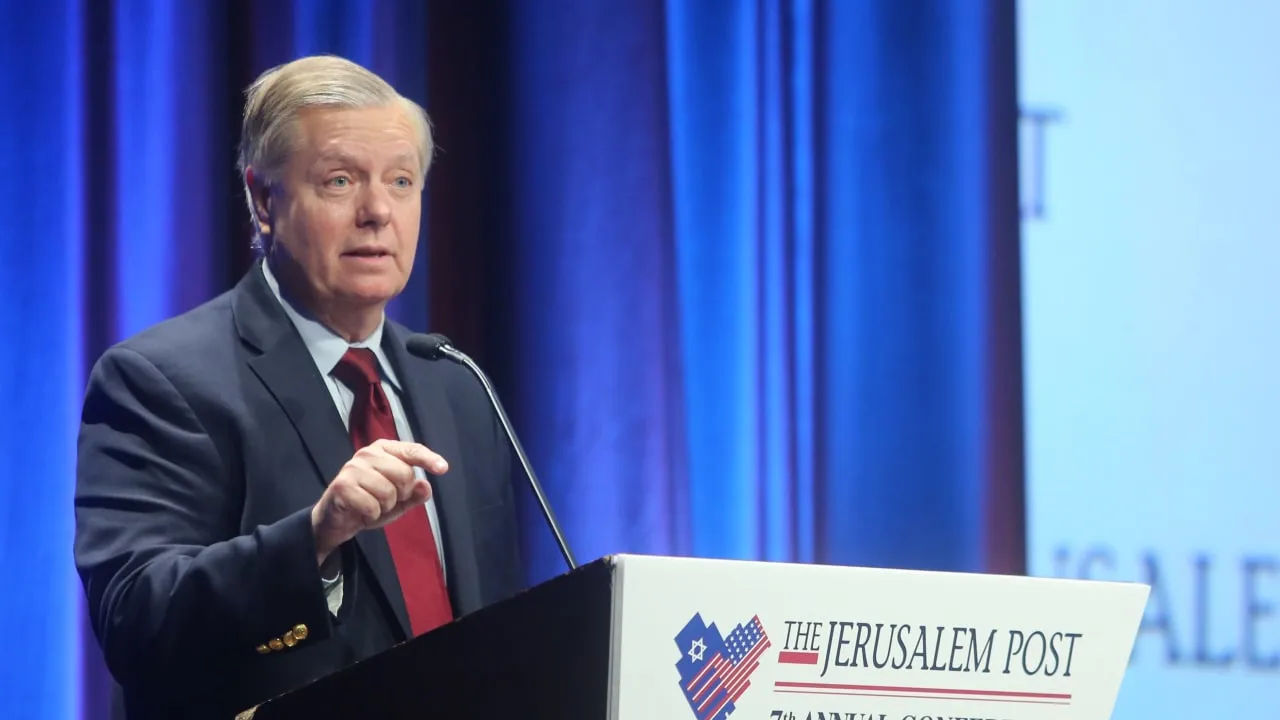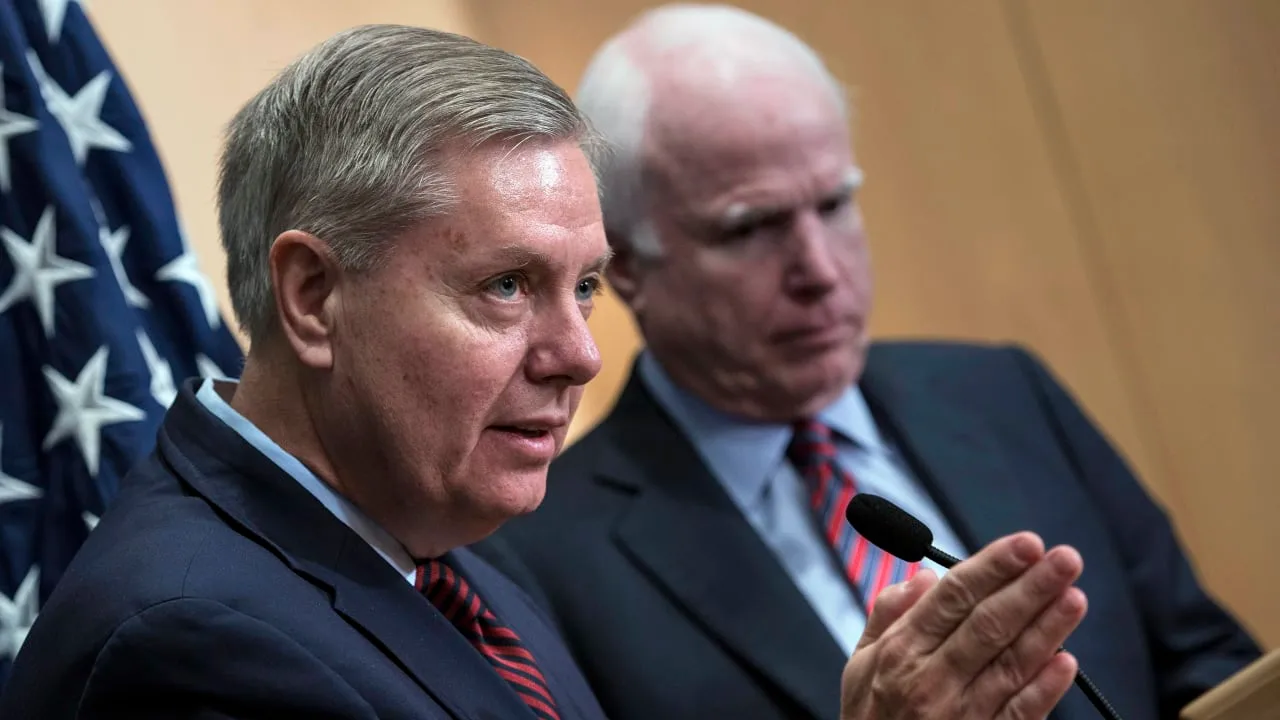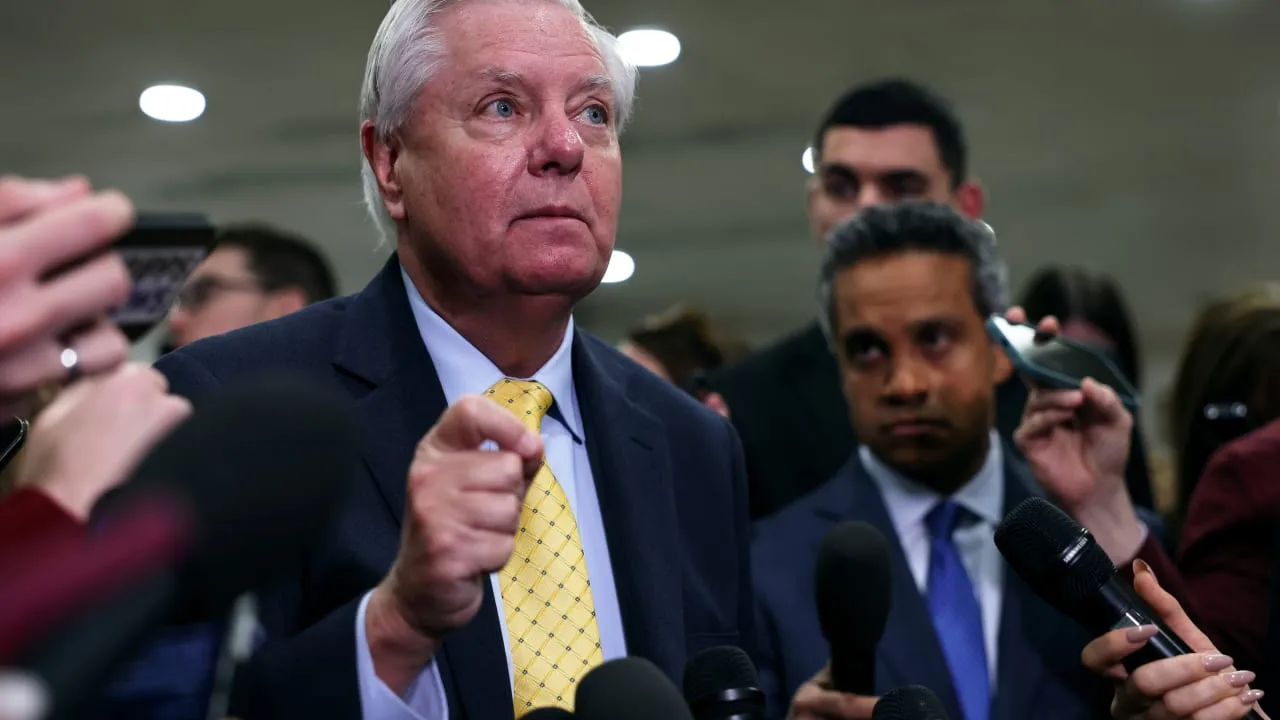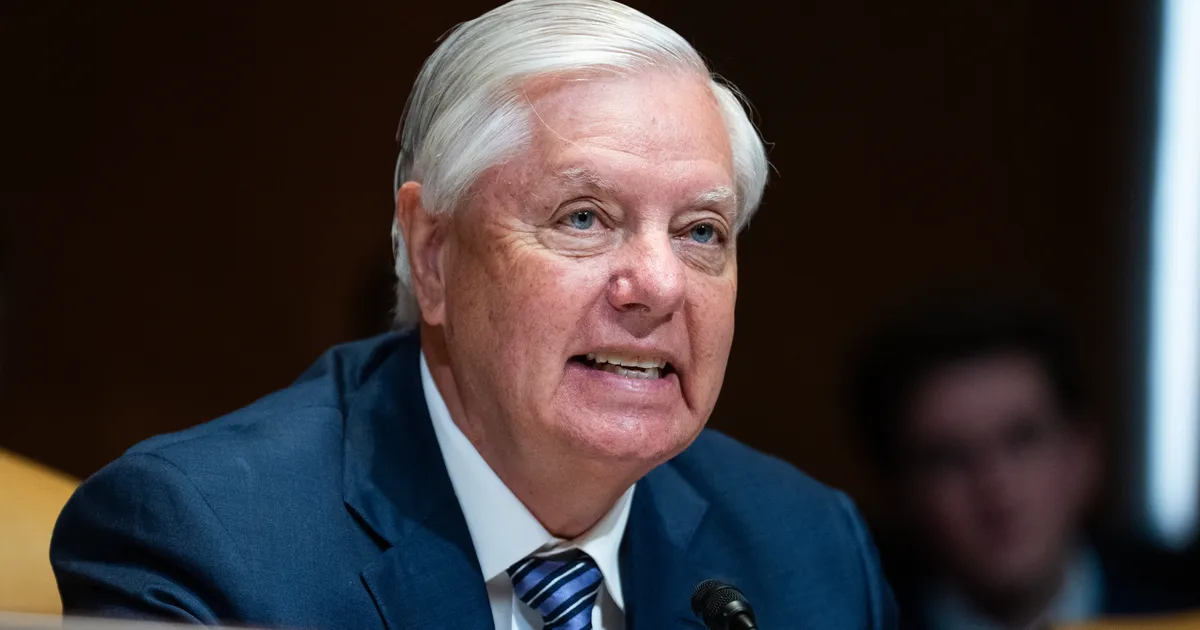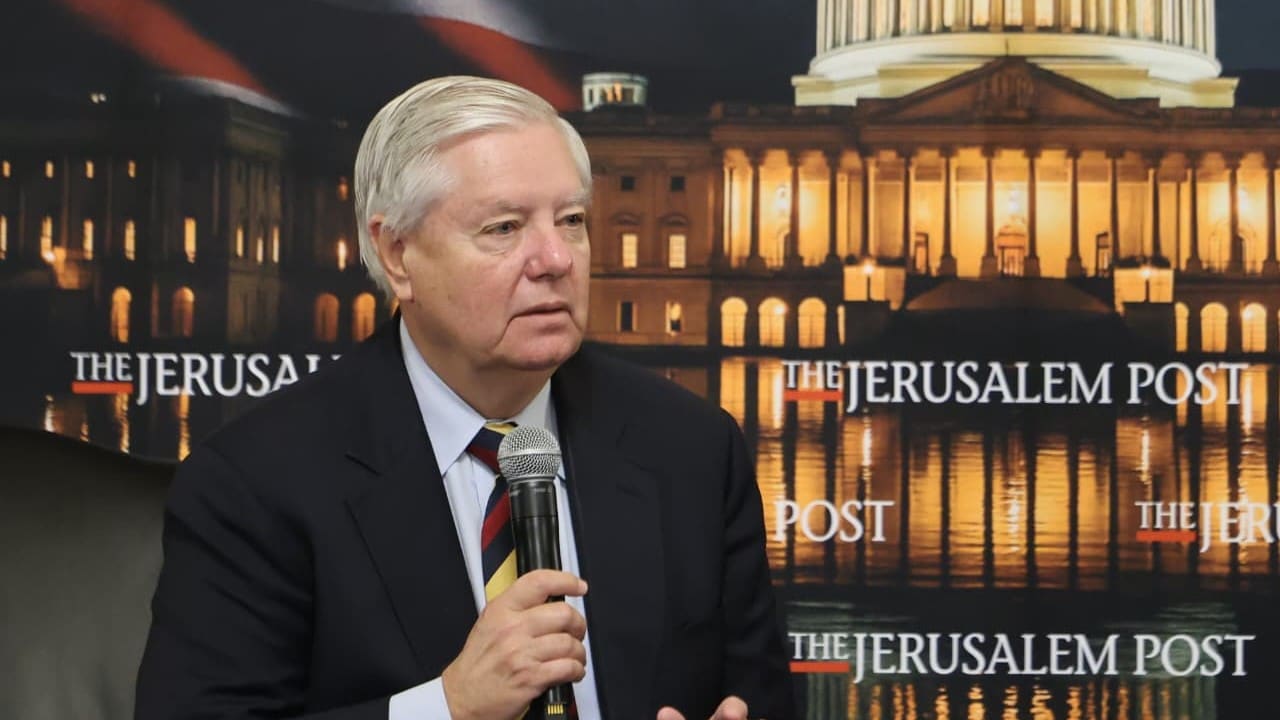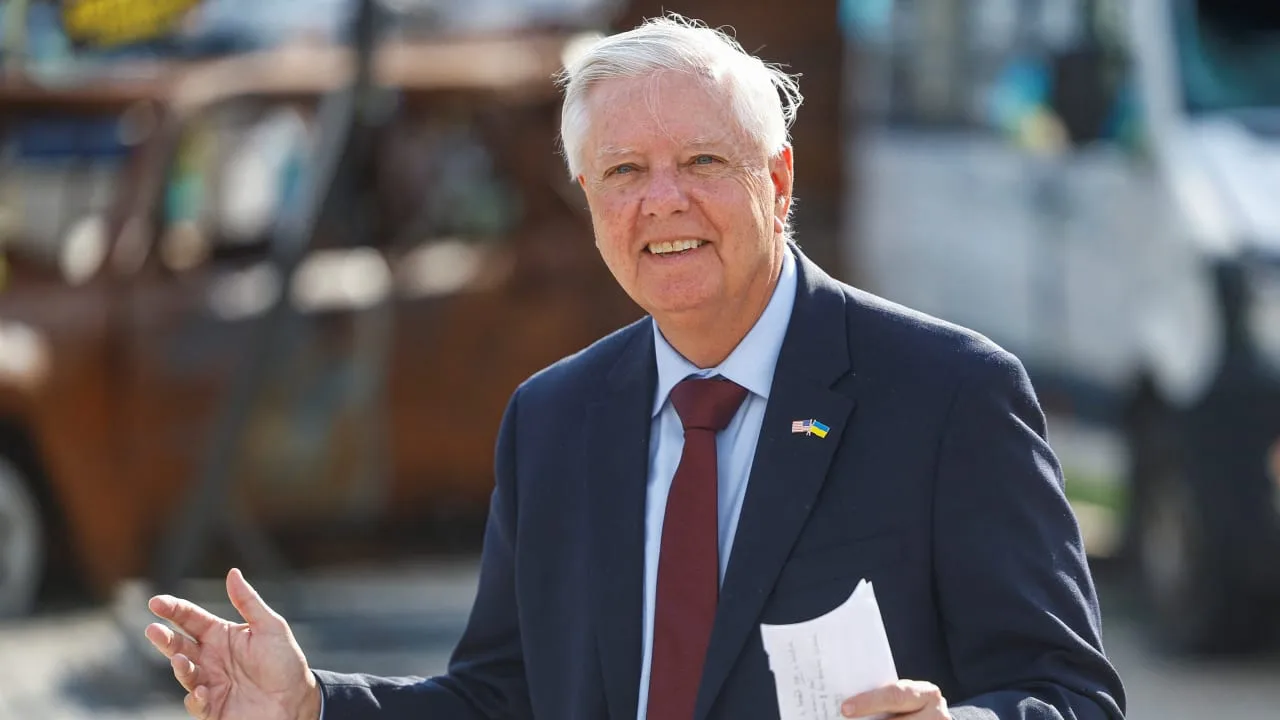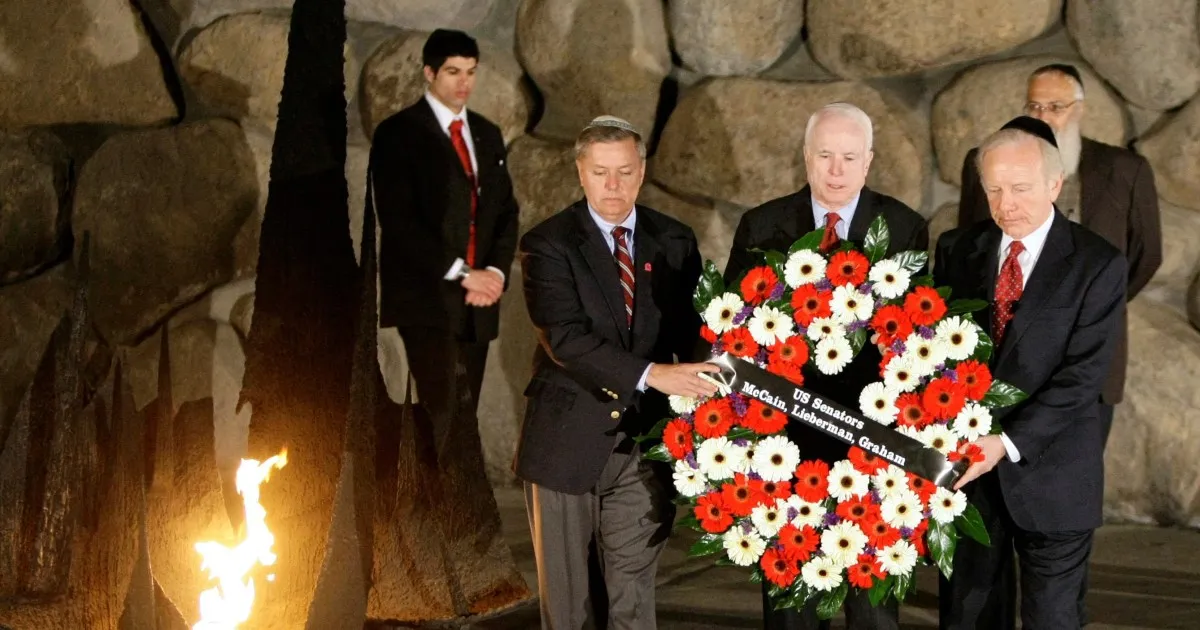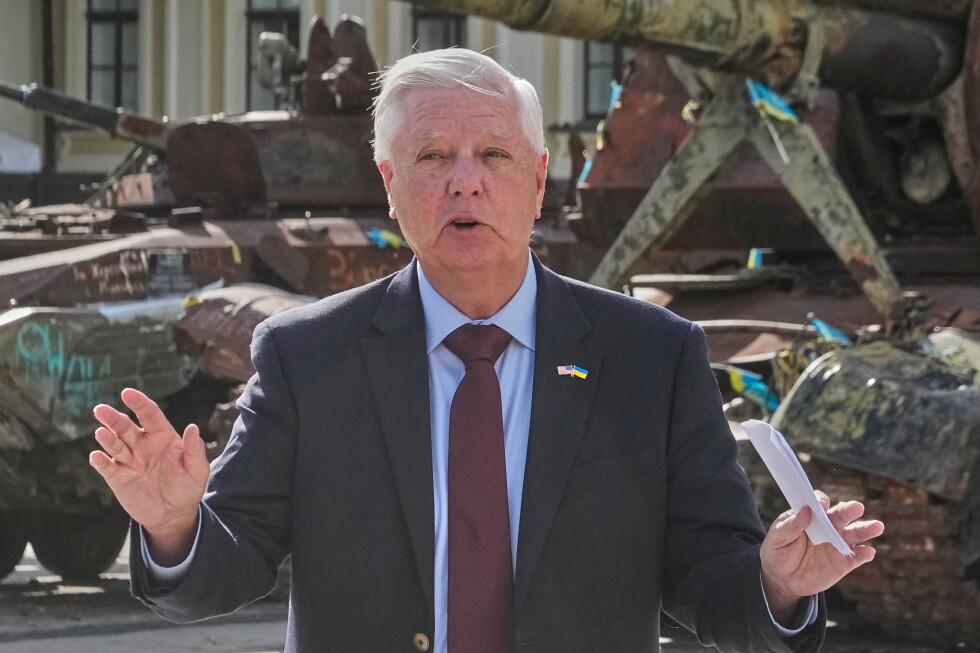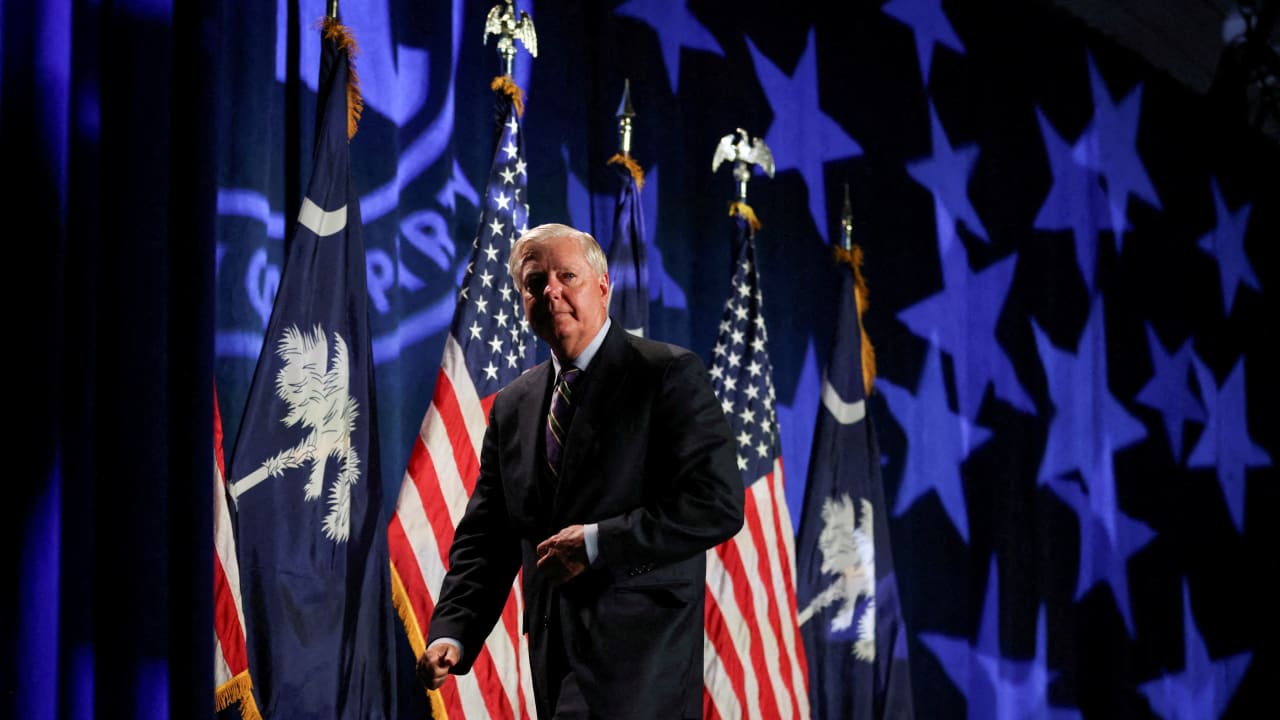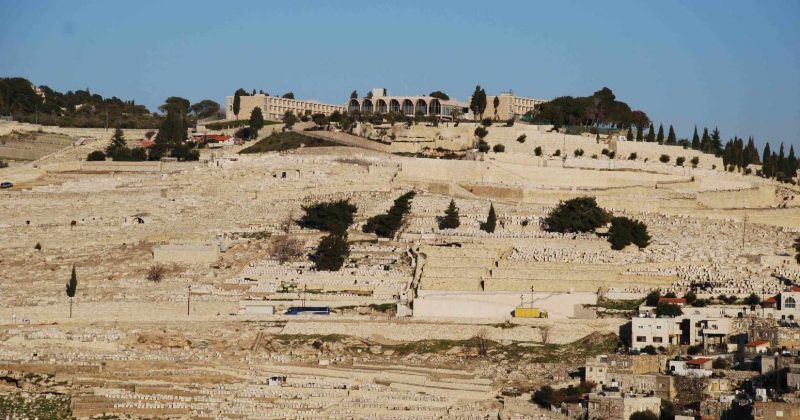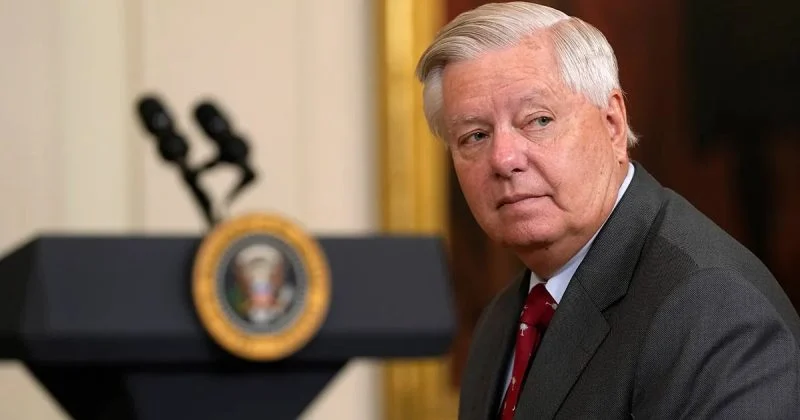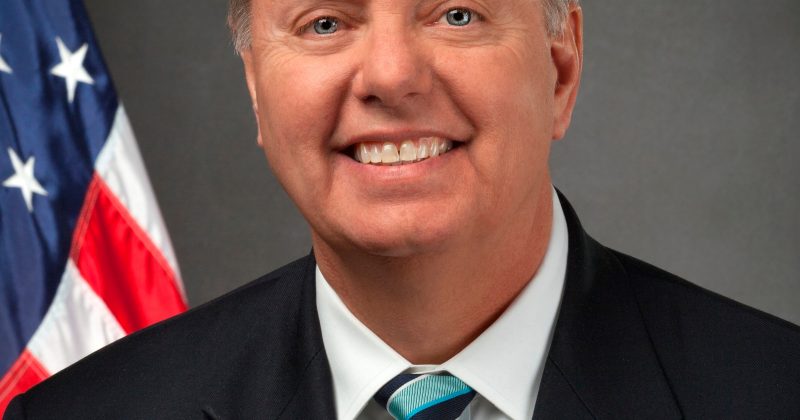
Lindsey Graham, a prominent U.S. Senator and steadfast advocate for Israel, has continued to support policies favorable to the Israeli state, including the relocation of the U.S. embassy to Jerusalem and opposing anti-Israel resolutions. Despite a false report of his death, Graham remains actively engaged in U.S.-Israel relations. His efforts align with ongoing tensions in the Middle East, particularly concerning the Israel–Hamas conflict and broader geopolitical dynamics involving Iran and Hezbollah. Graham’s recent visit to Israel and meetings with Prime Minister Benjamin Netanyahu underscore his commitment to military and diplomatic support for Israel, which appears to influence the current U.S. stance on Palestine.
Key Takeaways
Graham’s policies appear consistent with significant U.S. backing for Israel, potentially affecting the likelihood of U.S. recognition of Palestine before 2027.
Current market pricing suggests a decrease in the odds of U.S. recognition of Palestine, reflecting Graham’s influence and the broader geopolitical climate.
The Israel–Hamas conflict and U.S.-Iran tensions are key elements shaping the discourse around U.S. foreign policy decisions in the region.