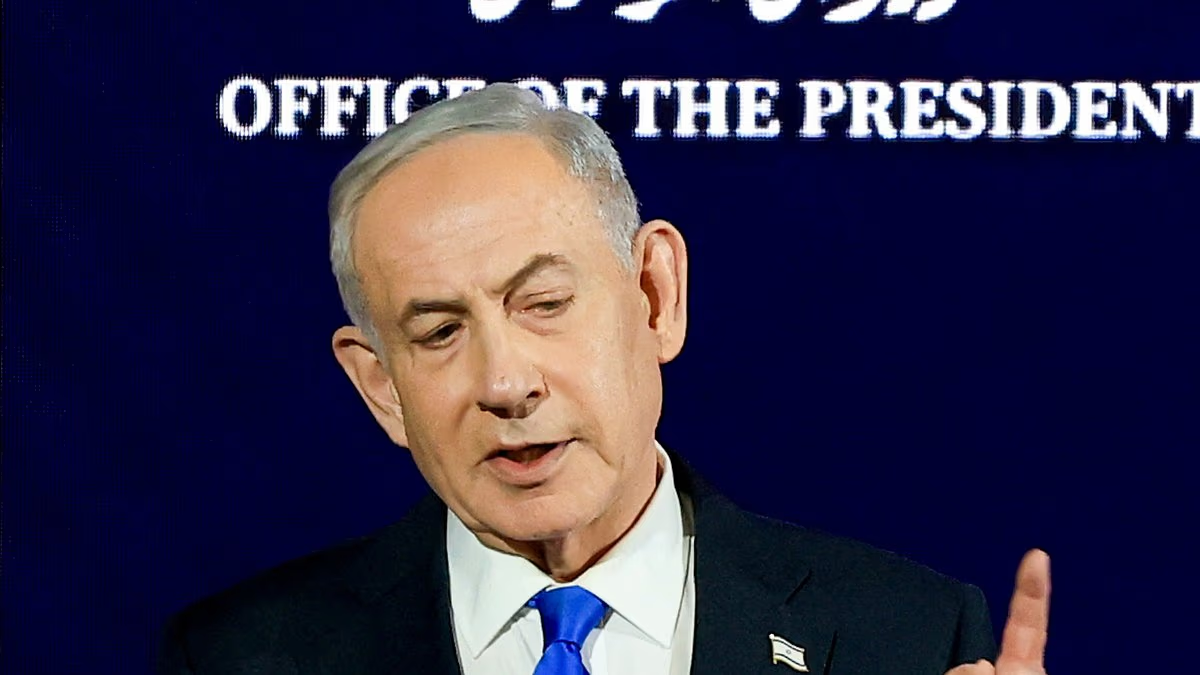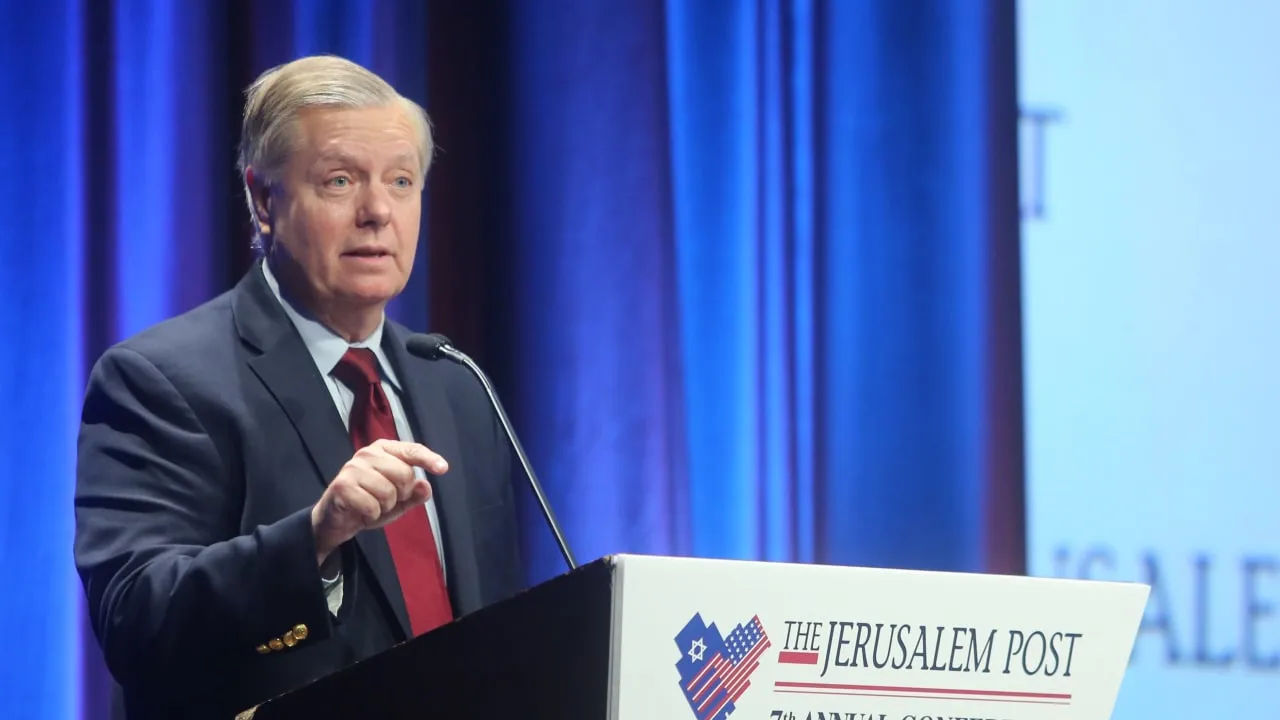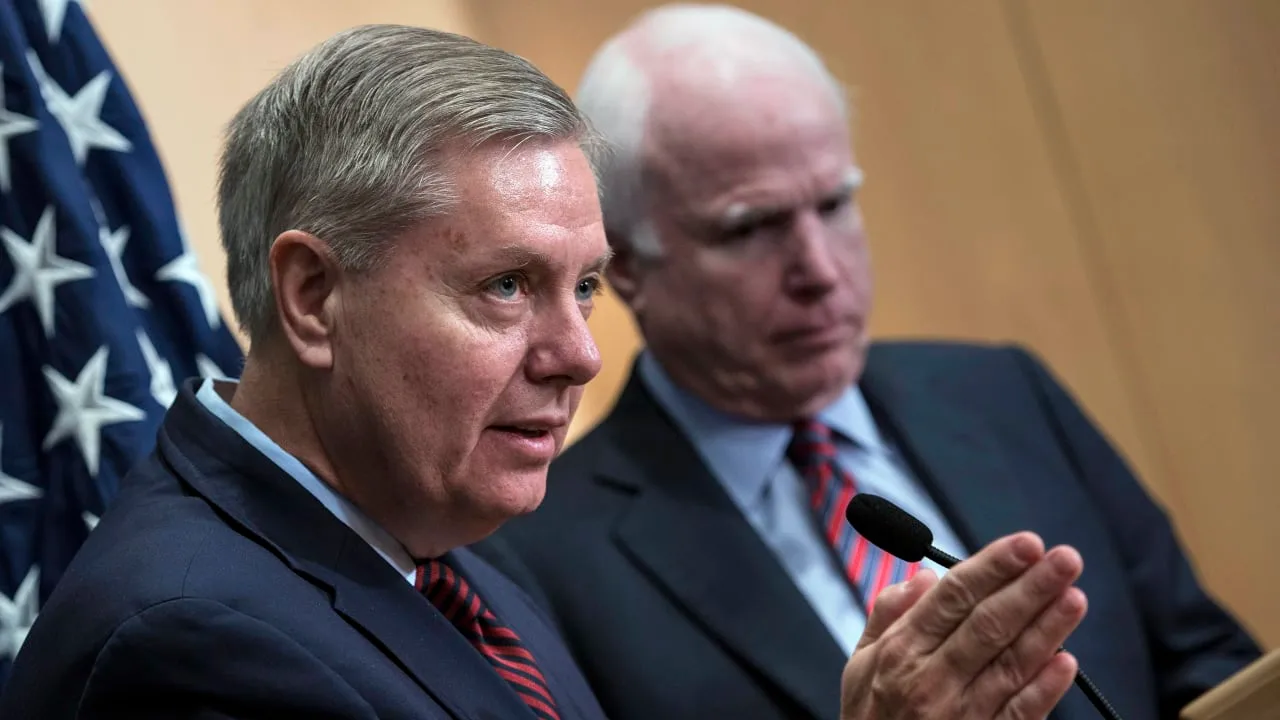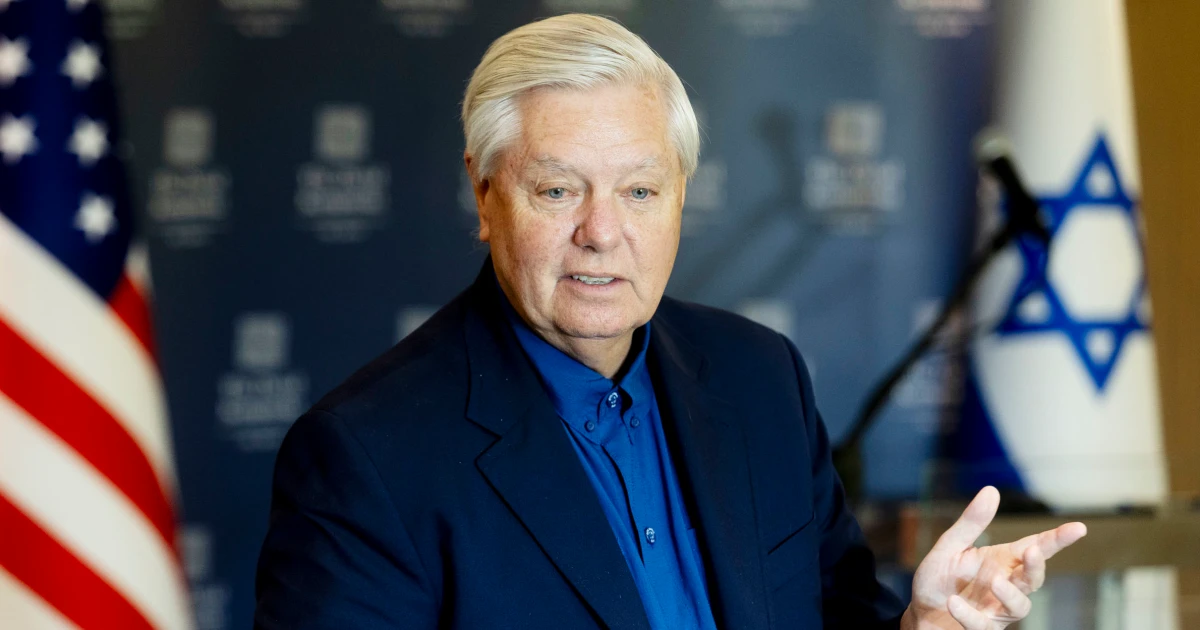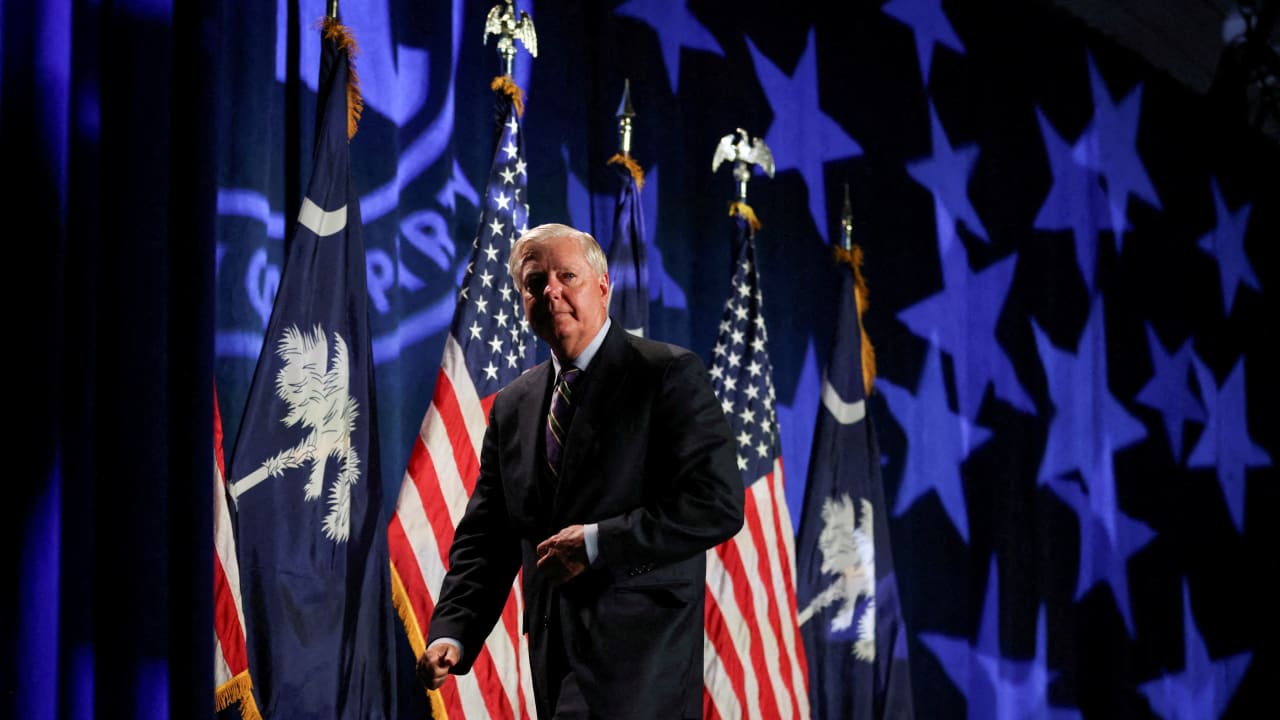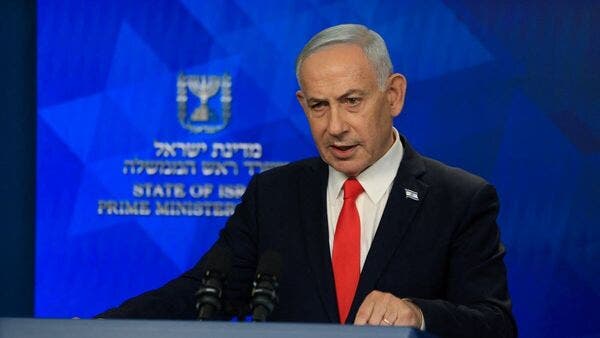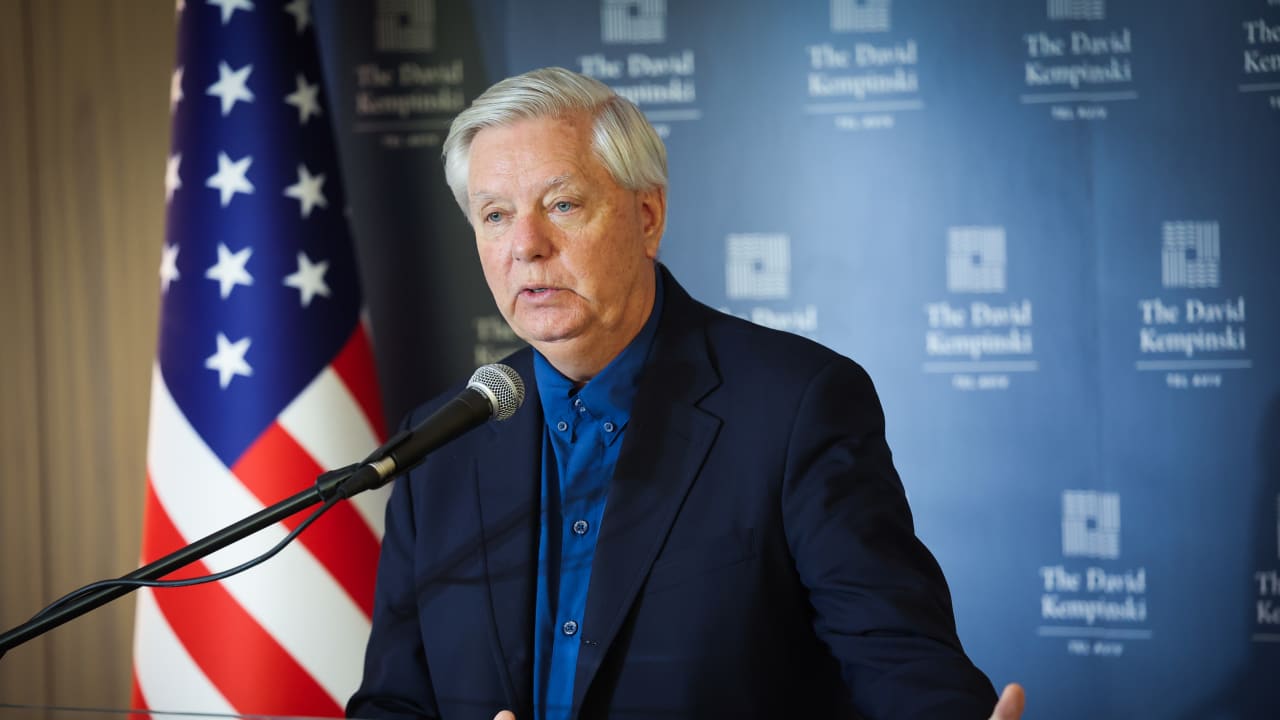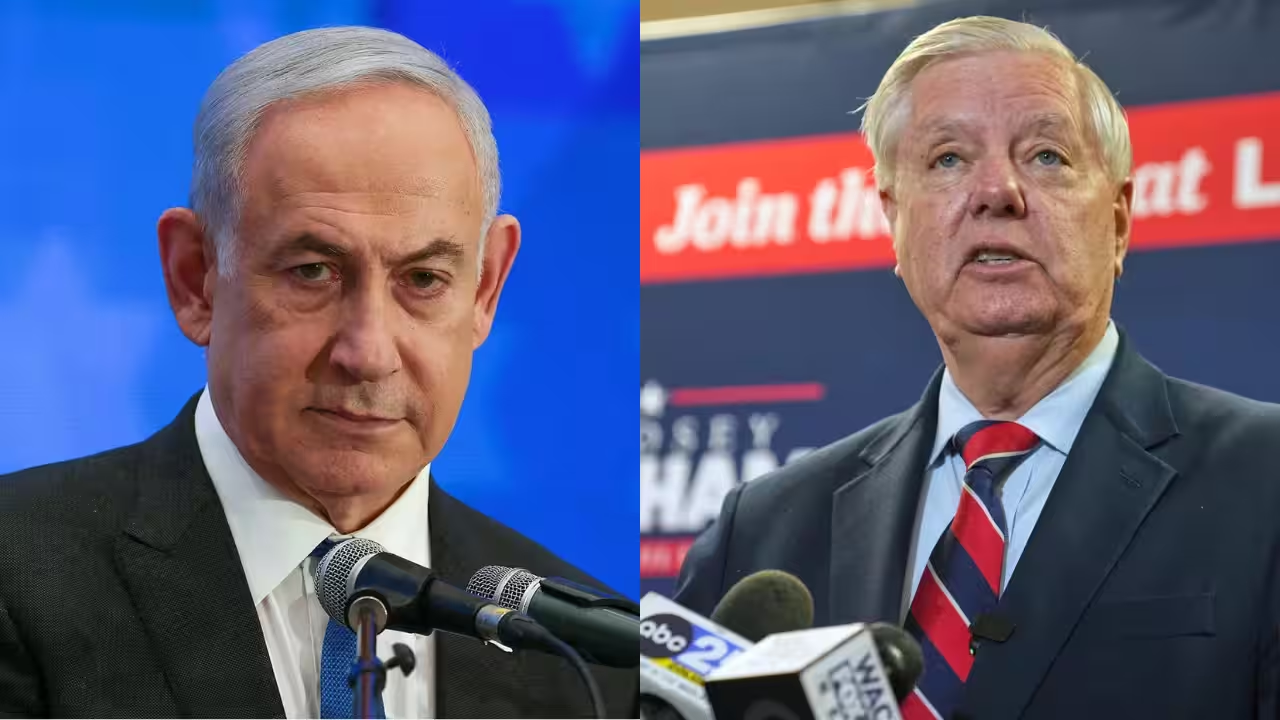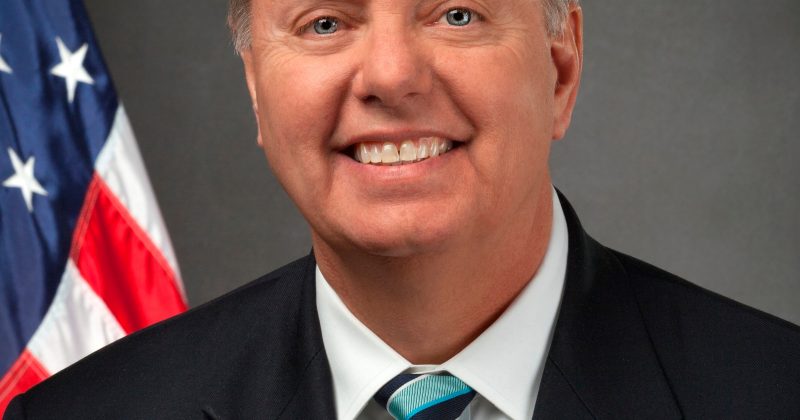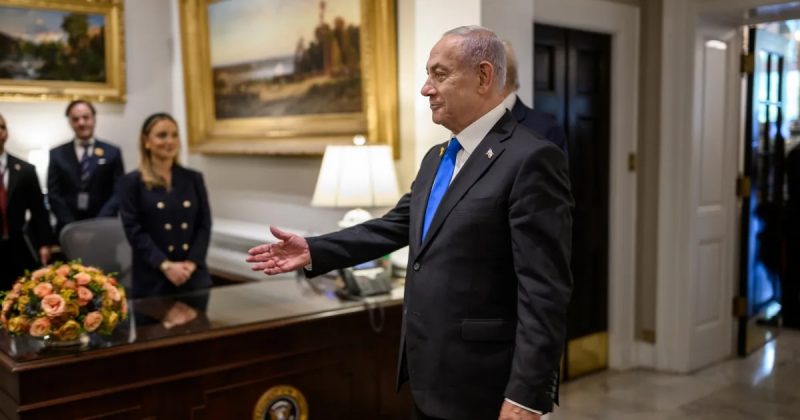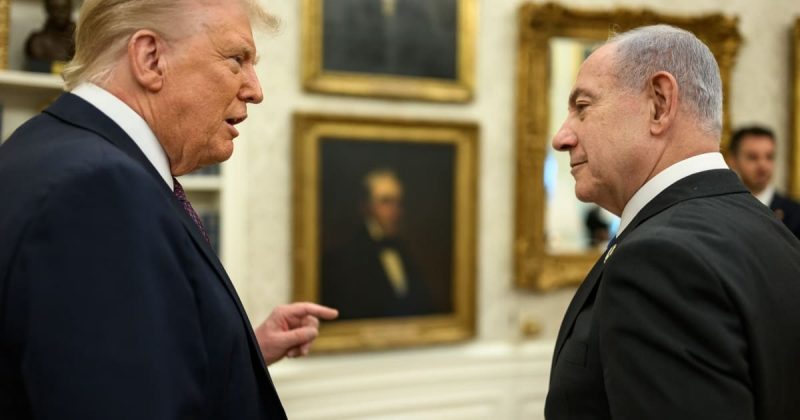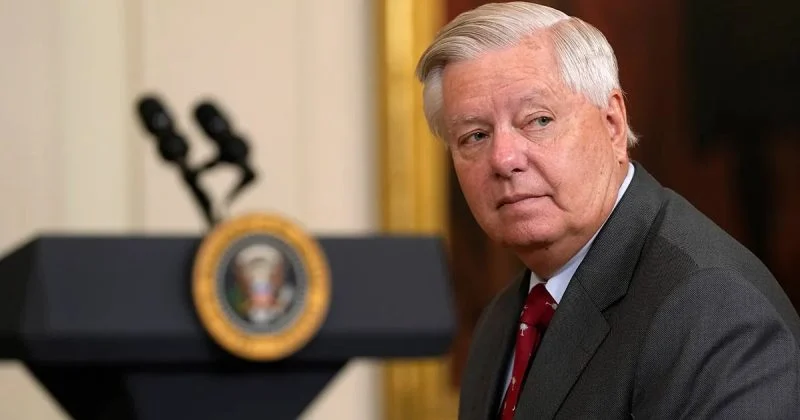
Israeli Prime Minister Benjamin Netanyahu disclosed details of his recent conversation with U.S. Senator Lindsey Graham, who opposed Netanyahu’s initiative to cease U.S. aid to Israel. The discussion highlights an ongoing diplomatic dispute over the future of U.S.-Israel military support, as Israel seeks to transition from traditional grant aid to a co-production model with the U.S. defense sector. Graham, who chairs the Senate subcommittee overseeing foreign aid, expressed strong resistance to accelerating this timeline, suggesting a preference for the current Memorandum of Understanding, which grants $3.8 billion annually until 2028.
This diplomatic exchange comes amid tensions regarding the integration of the U.S. and Israeli weapons industries, which could shift the administration of aid from the State Department to the Pentagon. Such a change could potentially lead to increased U.S. involvement in Israel’s defense sector, raising concerns over transparency and policy implications.
In prediction markets, this development appears to have influenced perceptions regarding U.S. foreign policy in the Middle East. Market pricing suggests that continued U.S. support for Israel could decrease the likelihood of the U.S. recognizing Palestine as a sovereign state before 2027.