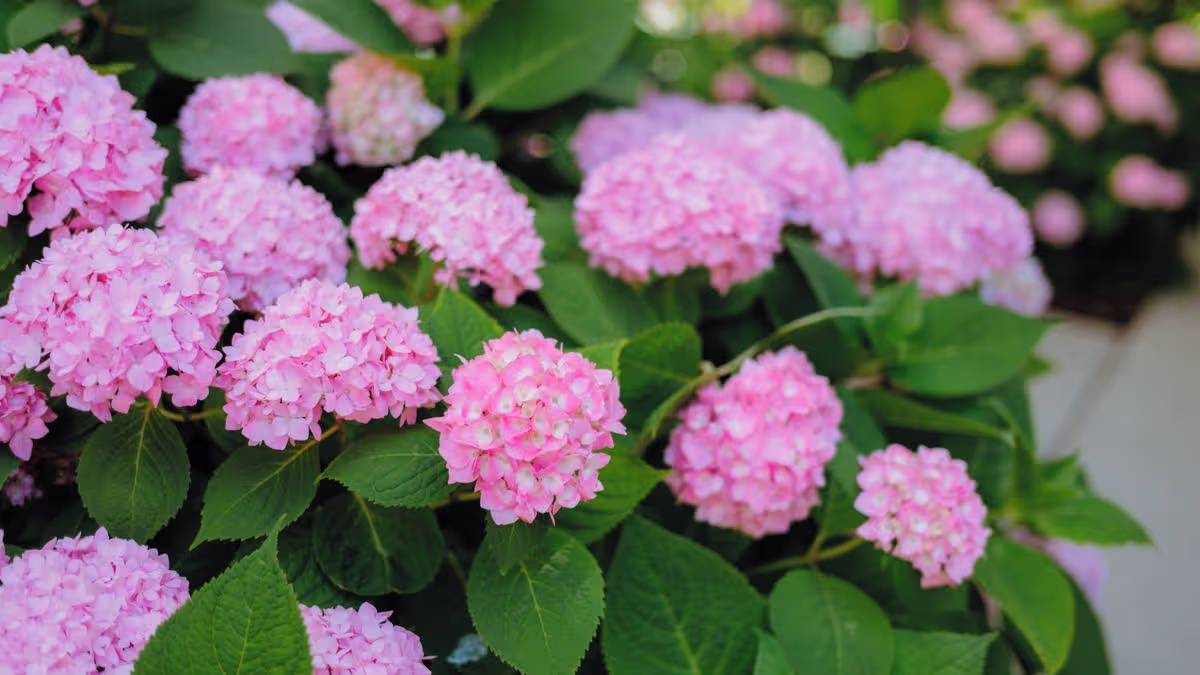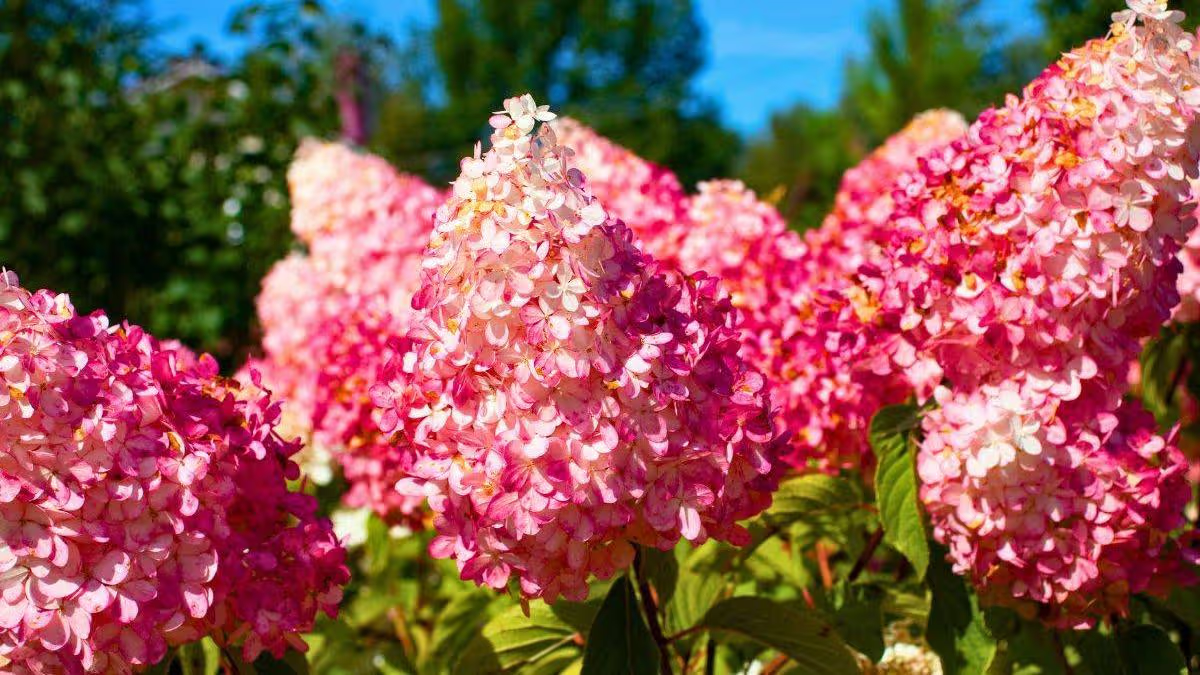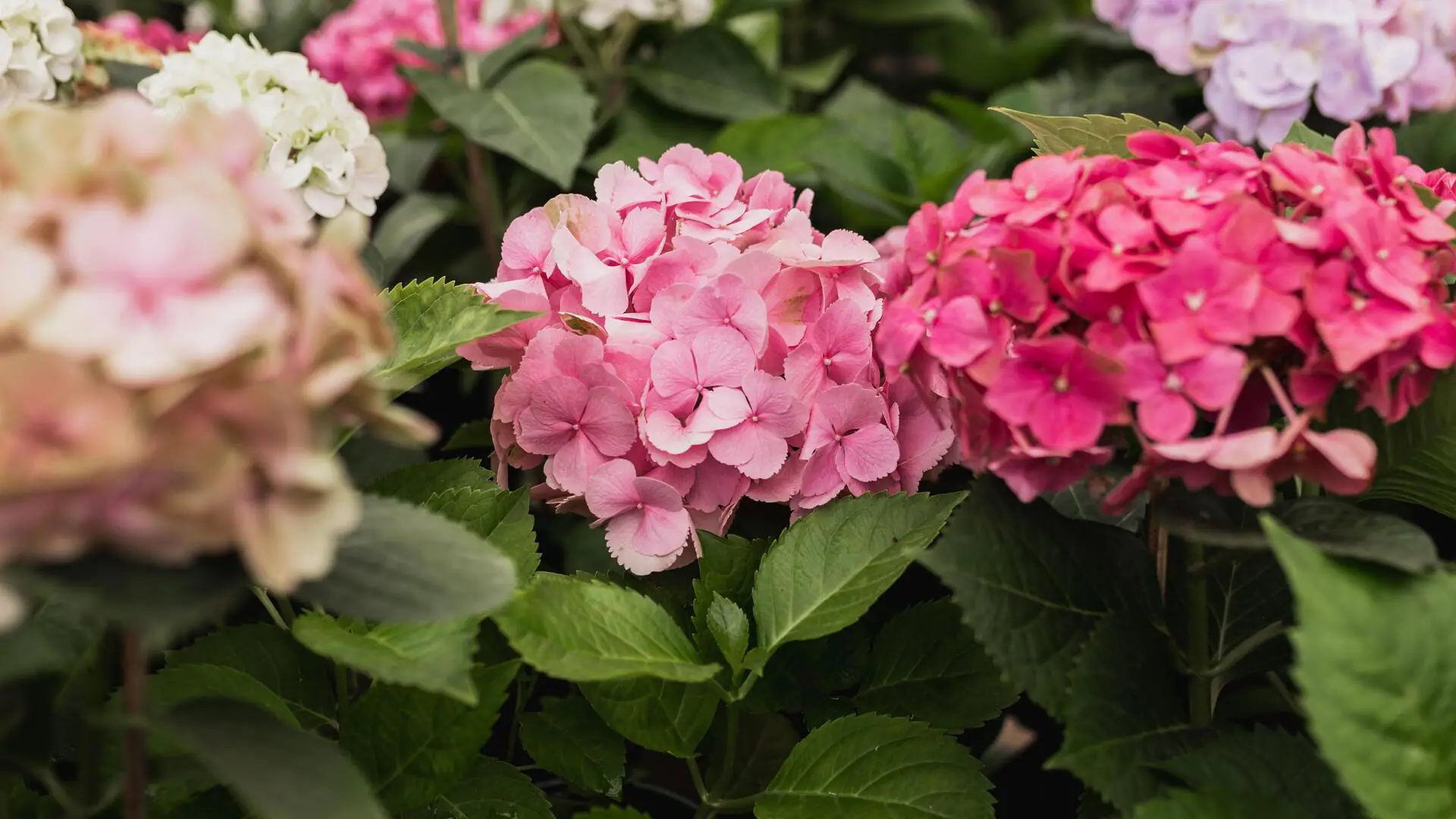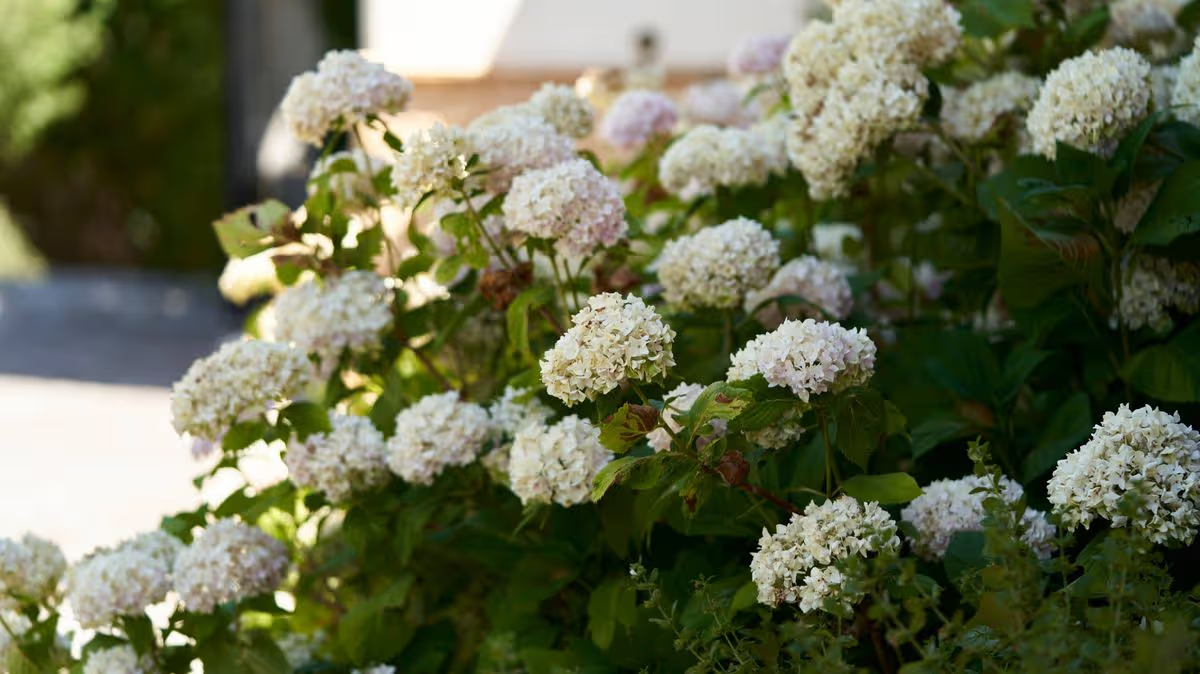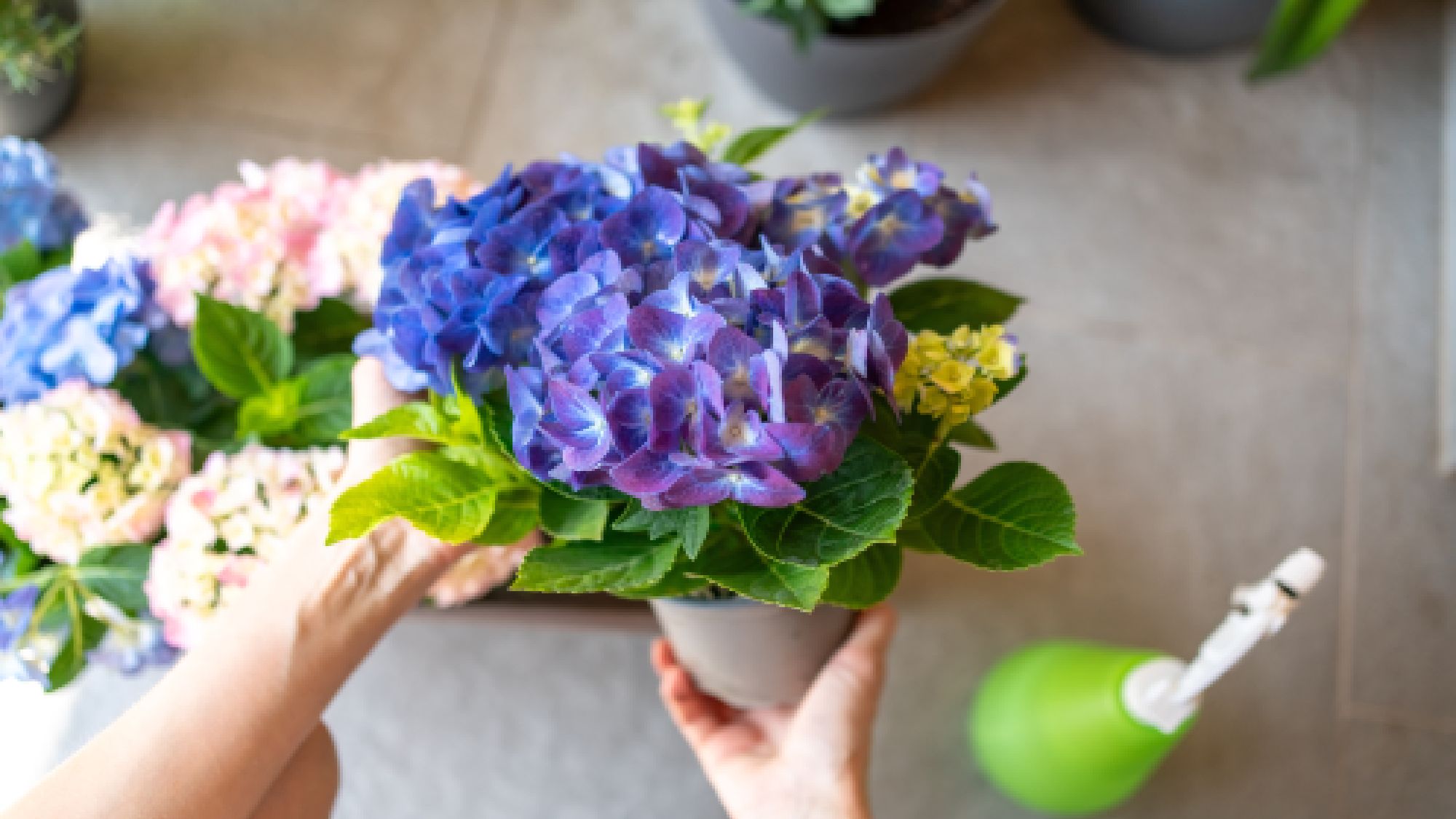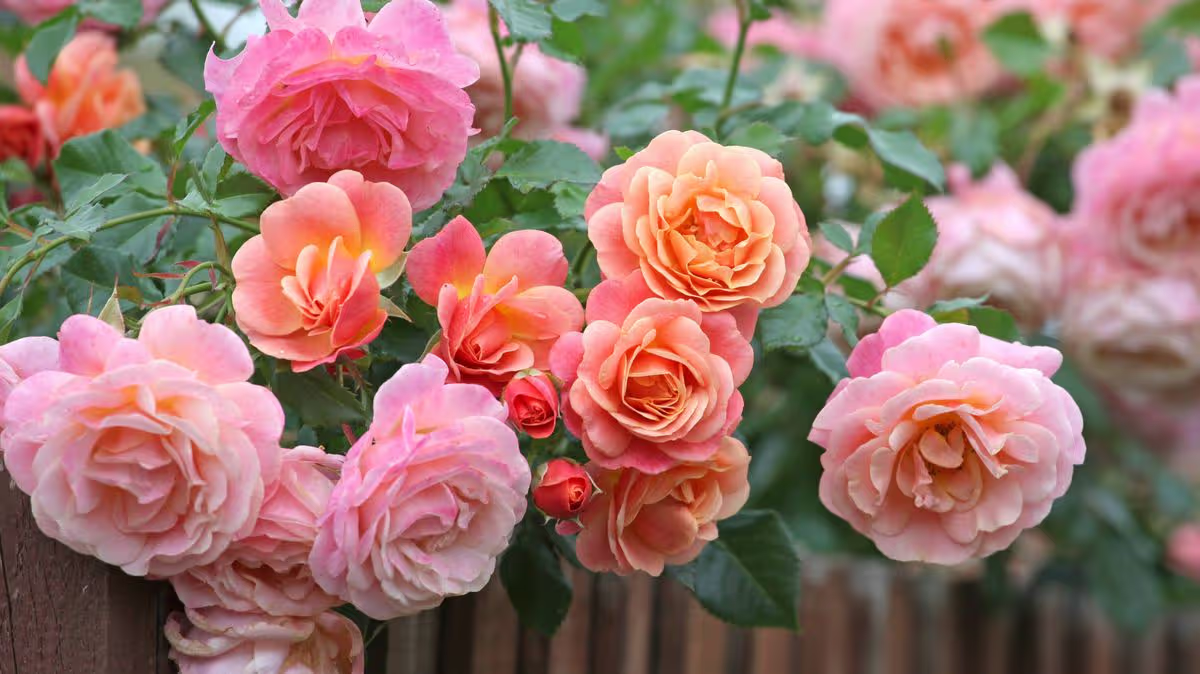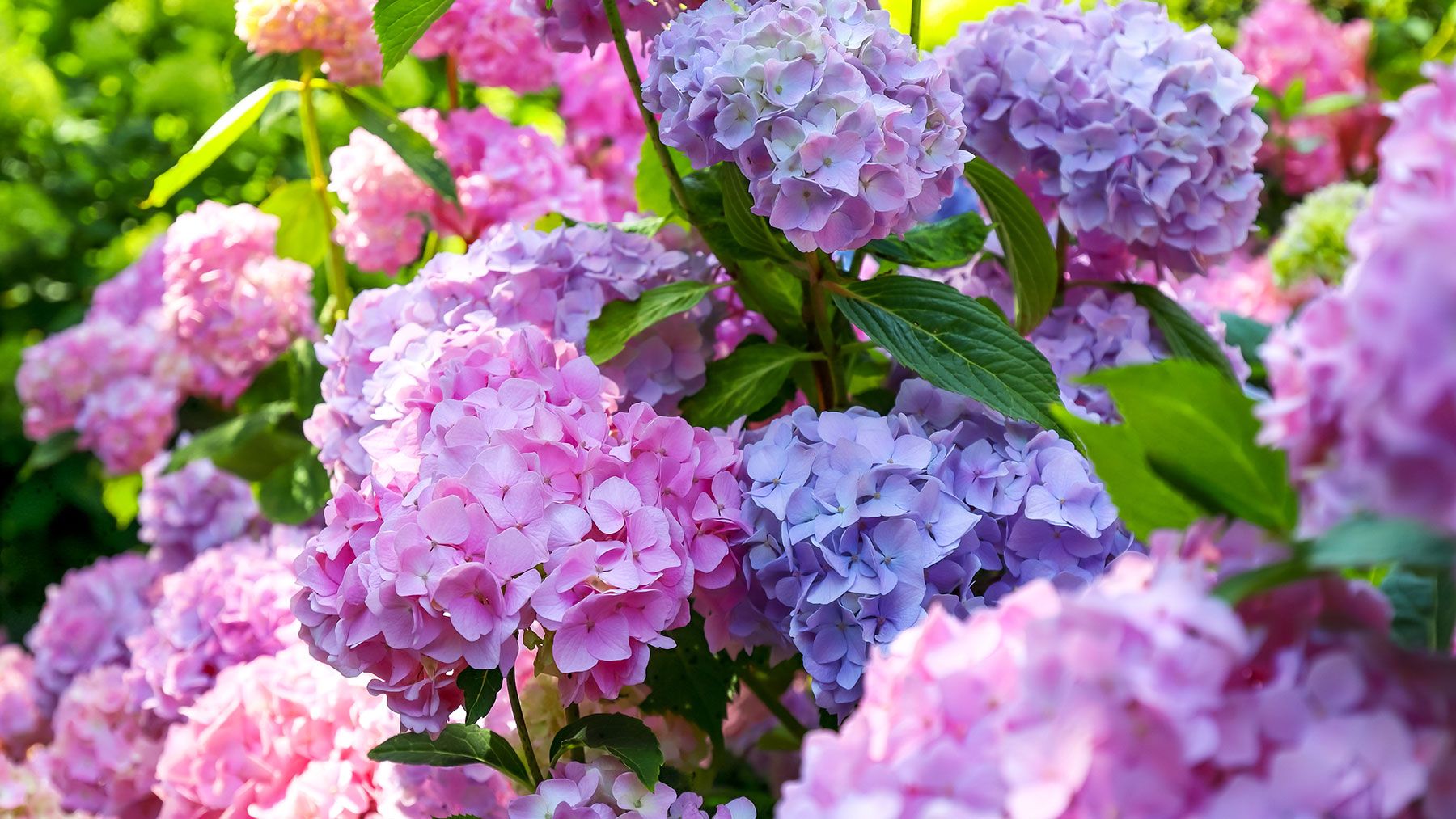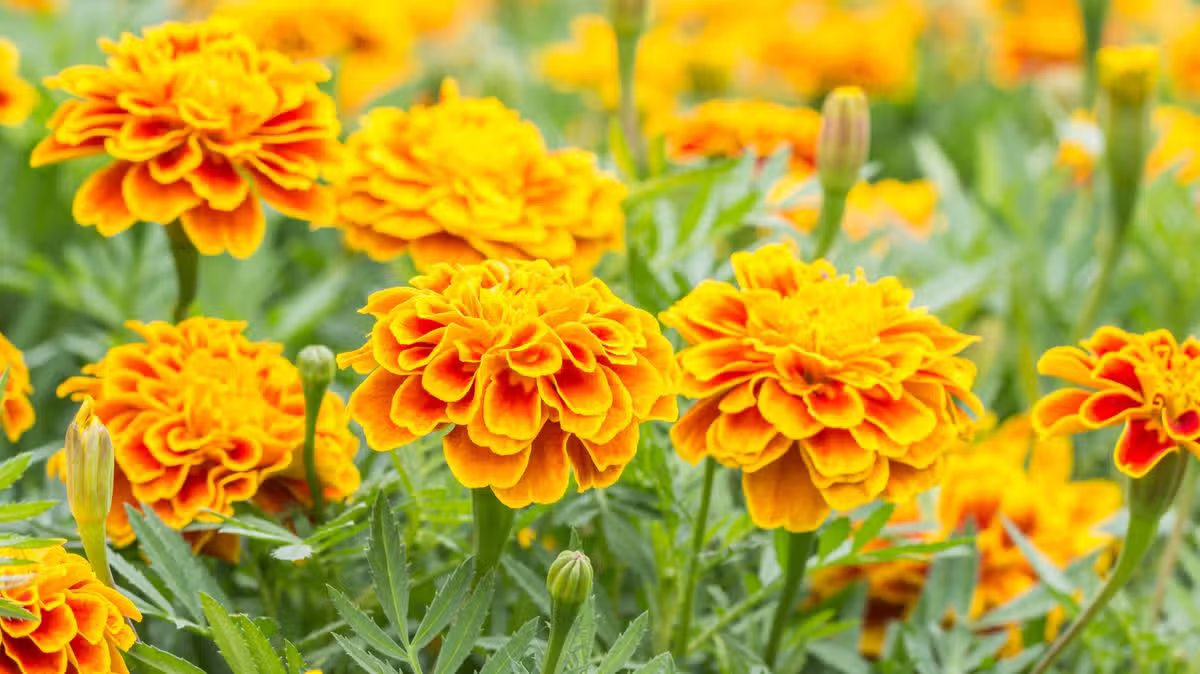
After years of watching expensive plants wilt and struggle in my sunny garden, I finally found one flower that thrives on neglect and keeps blooming for months on end08:03, 12 Jul 2026Watching my tiny balcony garden burst into life during spring and summer brings me immense pleasure. The area is transformed by splashes of orange, red, and yellow blooms that lift the spirits each day.While my plants flourish now, it's taken years of experimentation and mistakes to get here. My south-facing balcony is ideal for catching the sun, but most flowers fade and perish when the first heatwave of summer arrives.The balcony's position means the majority of plants are hit by the afternoon sun for five to six hours daily, so they must be able to withstand extreme temperatures.Despite my determined attempts - repositioning pots and watering the plants thoroughly each morning and evening - I've seen numerous plants succumb to heat stress and sun damage. One plant I desperately wanted on my balcony was a hydrangea.I adore their enormous blooms and pretty hues, but I was swiftly let down when the plant withered in the punishing afternoon heat.Hydrangeas flourish in partial shade with soft morning sun and shelter from fierce afternoon rays - conditions I found difficult to create. They also need reliably moist, well-drained soil, which proves challenging to sustain in containers.Living near the coast, my balcony regularly faces battering from powerful winds. Plants such as peonies, climbers, fuchsias, and roses find it tough here due to their fragile stems and shallow root systems.Rather than roses, hydrangeas, and other fashionable yet high-maintenance plants, I rely on one variety to keep my garden vibrant season after season: French marigolds.What are marigolds?Marigolds are half-hardy annual flowers that bloom repeatedly throughout spring, summer and early autumn. They come in a vast array of colours, but mine feature varying shades of deep red, orange and yellow.Numerous varieties are on offer, though French marigolds have proved most successful in my garden.The plants boast delicate, feather-like foliage and give off an aromatic, citrusy fragrance. The scented leaves might not smell as lovely as roses, but they serve another valuable function: they ward off pests.I originally planted marigolds as companion plants to keep aphids away from my tomato plants. Even though I've given tomatoes a miss this year, the marigolds have kept my strawberries, potatoes and nasturtiums completely pest-free.While deterring pests, marigolds simultaneously attract pollinators. Bumble bees, hoverflies and butterflies are regular guests in my garden.How to grow marigoldsI typically sow marigold seeds on my balcony in mid-spring, once the frost risk has passed and temperatures are consistently warm. Depending on where you live, you might need to hold off until late spring or early summer.One reason I adore marigolds is how rapidly they flower. You'll often spot blooms just a fortnight after sowing, so you'll know straight away whether they've successfully germinated.If temperatures remain too chilly or no shoots emerge within a week, simply pause for a few weeks and have another go. Marigolds really aren't demanding.Sowing marigolds couldn't be easier: simply scatter the seeds thinly onto damp, peat-free multipurpose compost in pots, leaving roughly 10cm between each one to prevent overcrowding.The secret to thriving marigolds lies in sunlight — they require full sun to flower abundantly, which makes a south-facing balcony absolutely perfect for them.Can I grow marigolds now?Now that the weather has become reliably warm, you can get marigolds in the ground. For immediate blooms, pick up marigold plugs or potted plants from your local garden centre and pop them straight into containers or borders.Alternatively, marigold seeds can still be sown during the summer. Simply ensure they're kept well-watered and positioned somewhere they'll receive plenty of direct sunlight.How to maintain marigoldsUntil marigolds are properly established, they'll need watering every day. Once they've settled in, they demand very little attention — just water them twice weekly or whenever the soil feels dry to the touch.During heatwaves, water your marigolds once in the morning, and on days where temperatures peak above 30°C, give them a second watering in the evening.As blooms begin to fade, pinch them off to encourage fresh flowers to grow.Article continues belowCome late summer and early autumn, allow the dying flowers to turn to seed, then gather them ready for planting the following year. You can also leave the dried flower heads in place and let them self-seed naturally.How long do marigolds flower for?Marigolds typically bloom for three to four months, though in milder UK climates they can flower anywhere from April through to October.As long as you deadhead spent blooms and ensure they receive full sun and water them regularly, they'll continue to flower and produce new buds.
I stopped growing hydrangeas after finding easy plant that blooms for months
After years of watching expensive plants wilt and struggle in my sunny garden, I finally found one flower that thrives on neglect and keeps blooming for months on end
778 words~4 min read