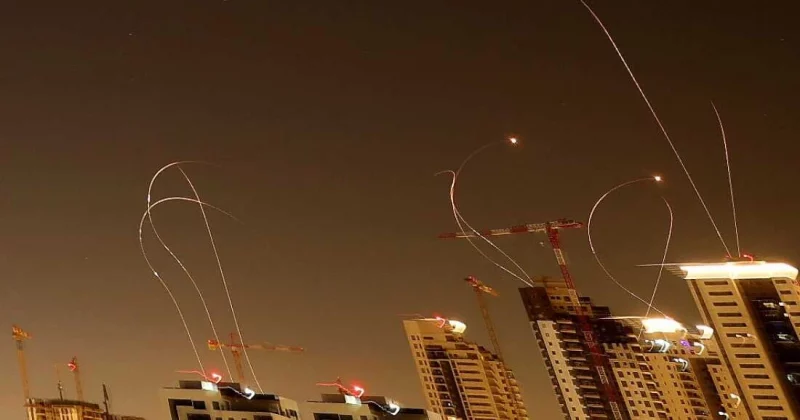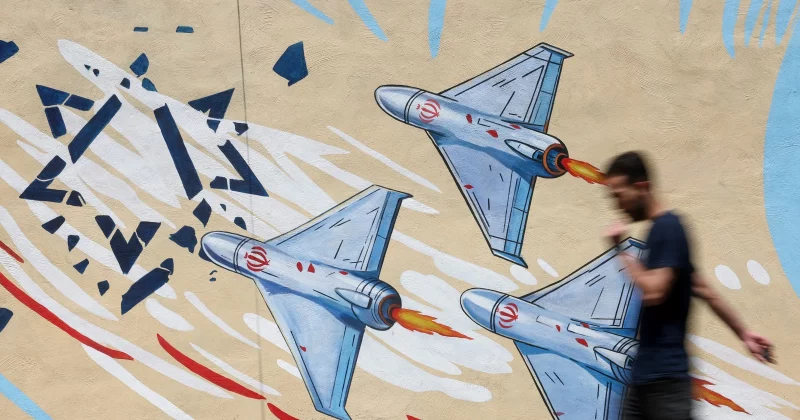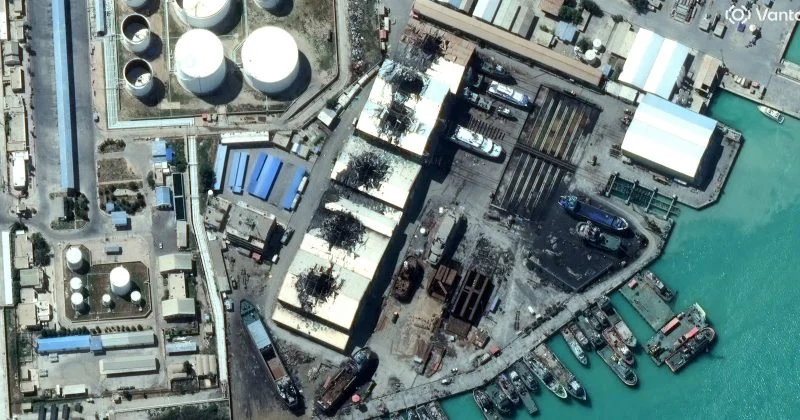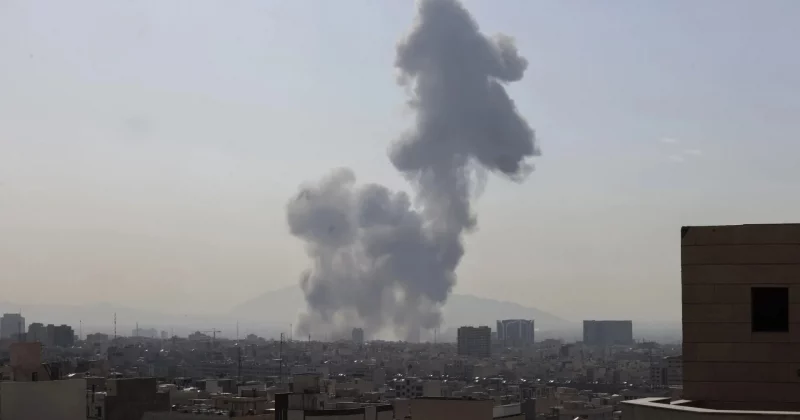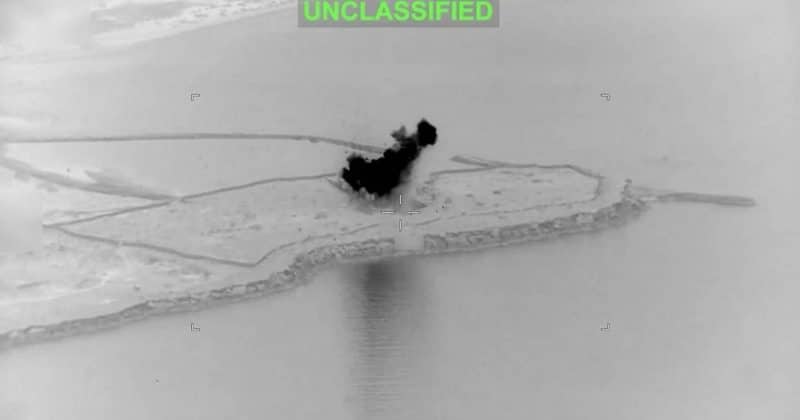
Iranian officials said a drone struck a military site near the city of Yasuj on July 12, blaming a coordinated US-Israeli attack. No casualties were reported. In a conflict season defined by escalating drone and missile exchanges across the Middle East, the incident barely registered on crypto trading desks, a dynamic that itself tells an interesting story about how digital asset markets have matured in their relationship with geopolitical risk.
Yasuj sits in Iran’s Kohgiluyeh and Boyer-Ahmad Province, a mountainous region in the country’s central-southwest. This latest strike adds to a pattern of military activity in the area that includes reports of explosions and aircraft engagements dating back to at least April 2026, when a downed US F-15 near the region made headlines.
What happened and why it matters beyond the battlefield
The strike targeted what Iranian officials described as a military site. Zero casualties were reported. For crypto investors, the instinct might be to check Bitcoin’s price every time a missile flies. That instinct made sense in 2020, when the US assassination of Iranian General Qasem Soleimani sent Bitcoin briefly higher as a “digital gold” narrative took hold. It made sense again during Russia’s invasion of Ukraine in 2022, when crypto markets whipsawed alongside traditional risk assets.