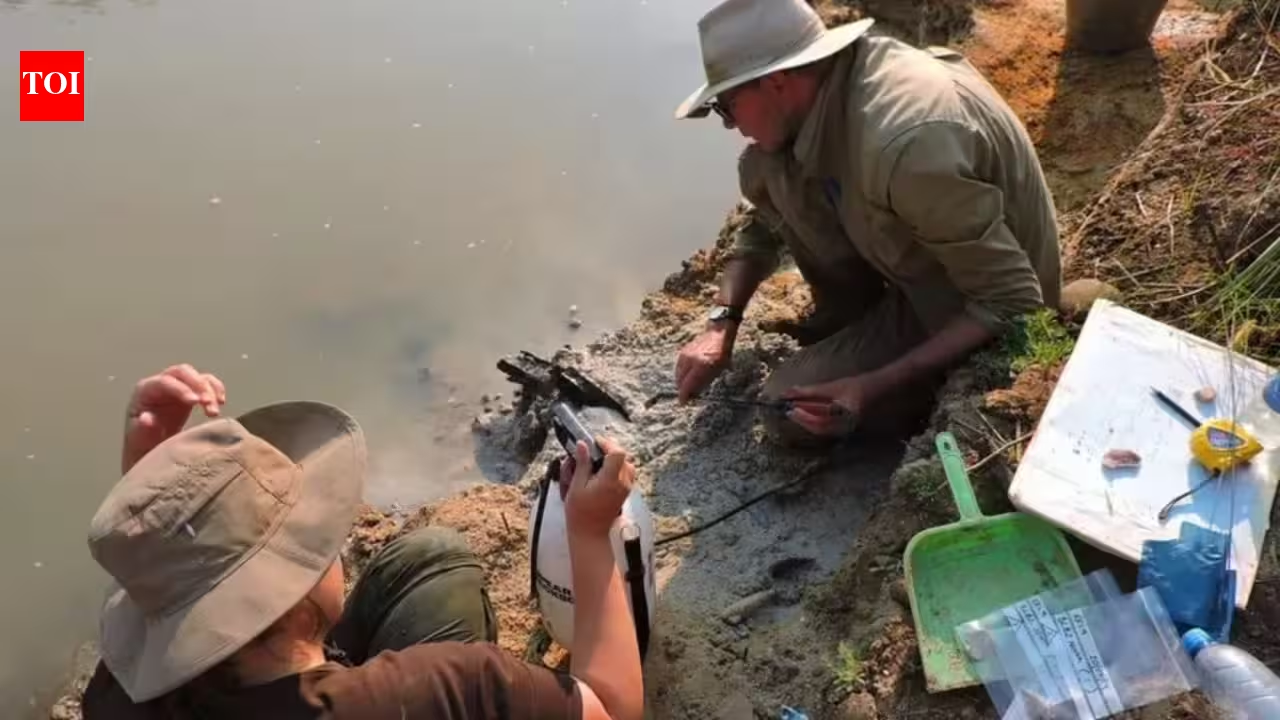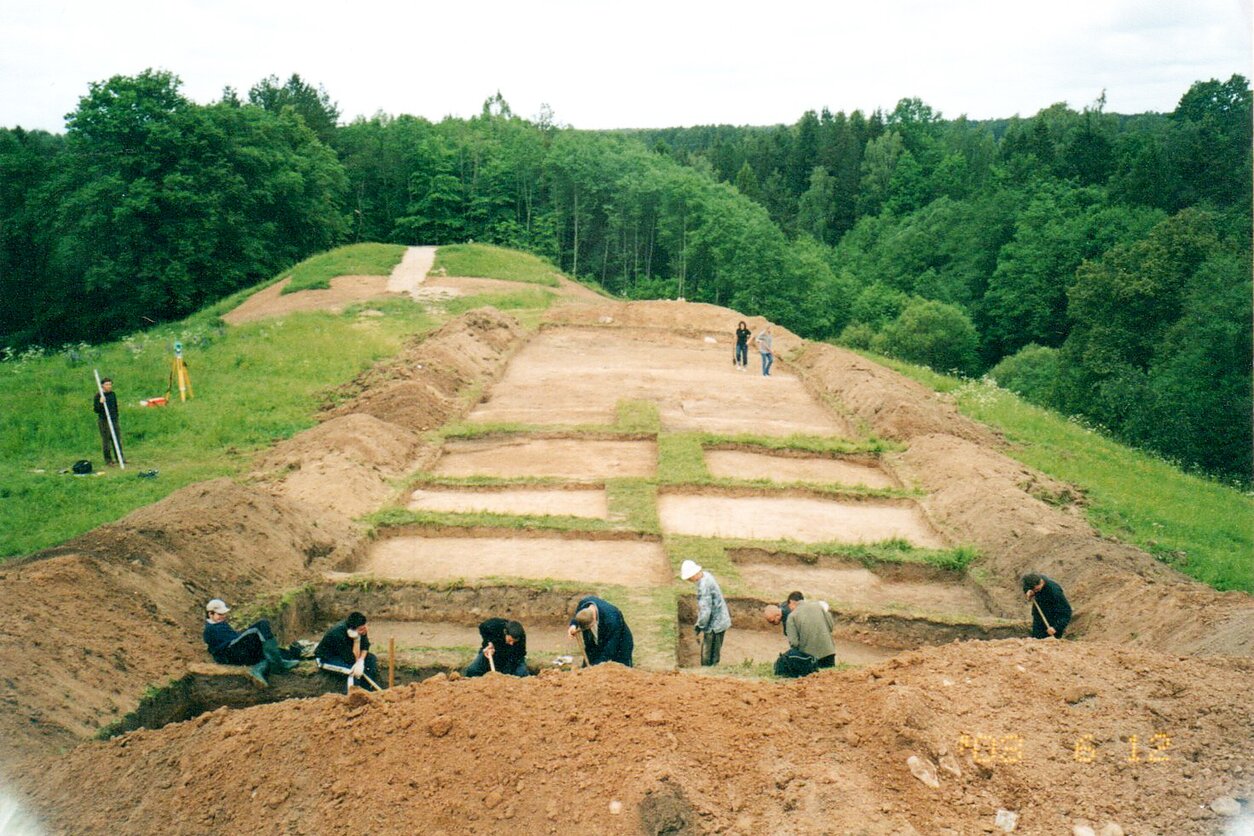
Cutting into a fallen log on a quiet hillside in northern Lithuania, archaeologist Gintautas Zabiela was hit by a smell that stopped him in his tracks: fresh pine resin, as sharp and clear as if the tree had been felled that morning, though the timber had lain buried for 700 years. For Zabiela, it was one of many small, startling moments in a project spanning 16 years – one that he believes has finally solved a mystery that has puzzled Lithuanian historians for almost a century: the location of Voruta, the lost castle where a decisive battle helped pave the way for the country's first, and only, king.
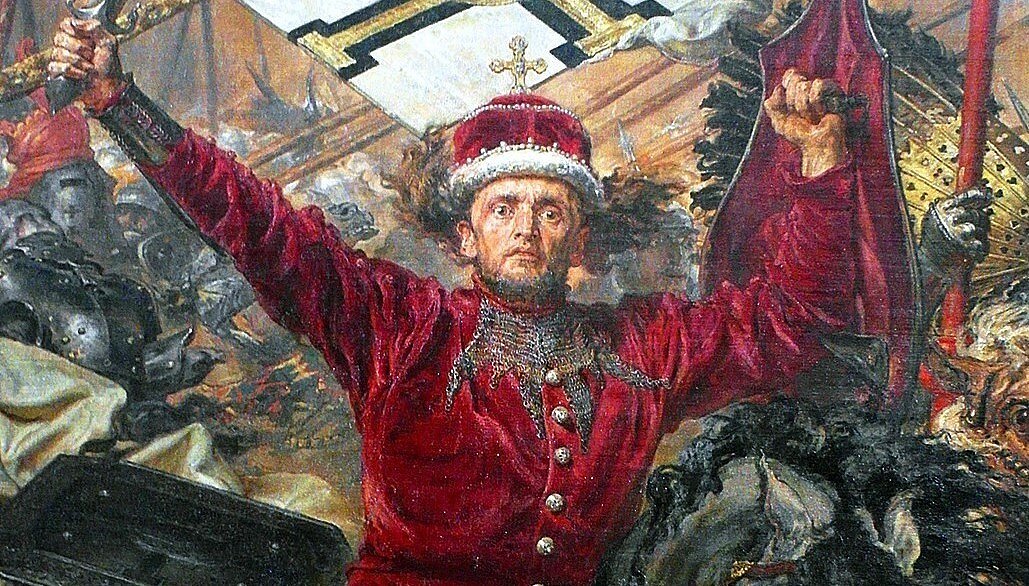
Mindaugas became King of Lithuania in 1253, after uniting the Baltic country's warring principalities and forging an alliance with the Livonian Order, a Catholic military order active in the region. His rise to power is central to Lithuania's national story, but much about his life and reign remains murky, pieced together from a handful of surviving medieval chronicles and archaeological digs rather than detailed written records.
One of the most tantalising unresolved questions is the location of Voruta, a castle mentioned in the 13th-century Hypatian Chronicle as the site of a decisive siege in 1251, during a period of internal warfare between Mindaugas and his rival nephews, Tautvilas and Gedvydas.