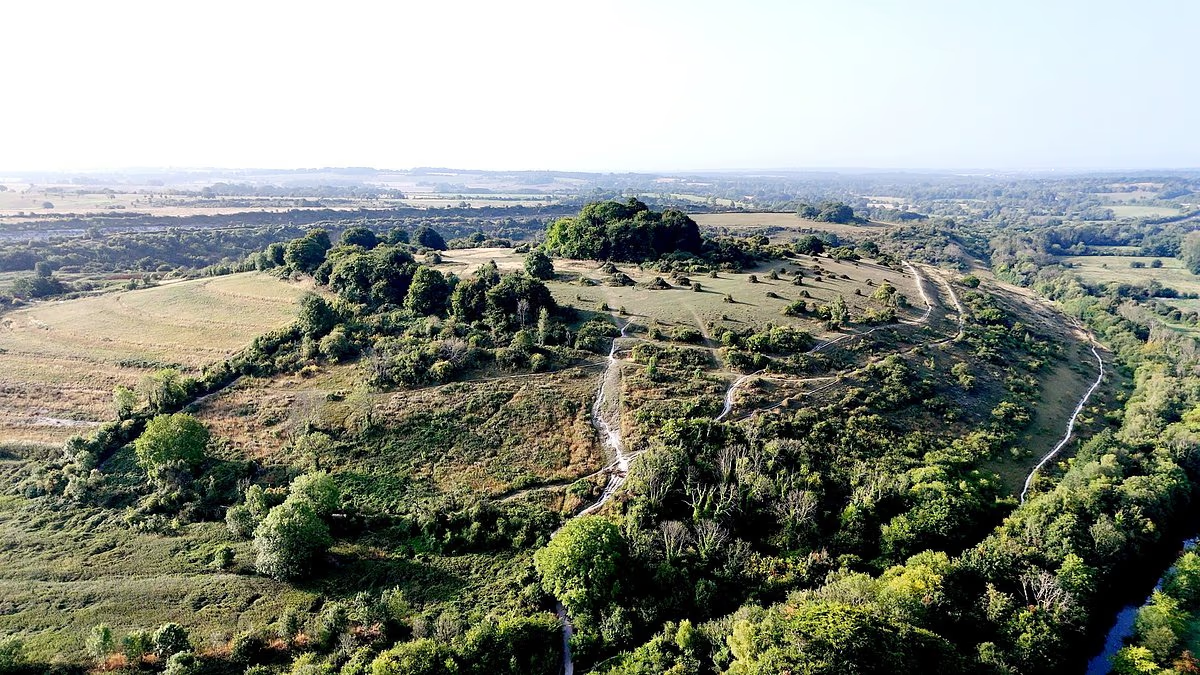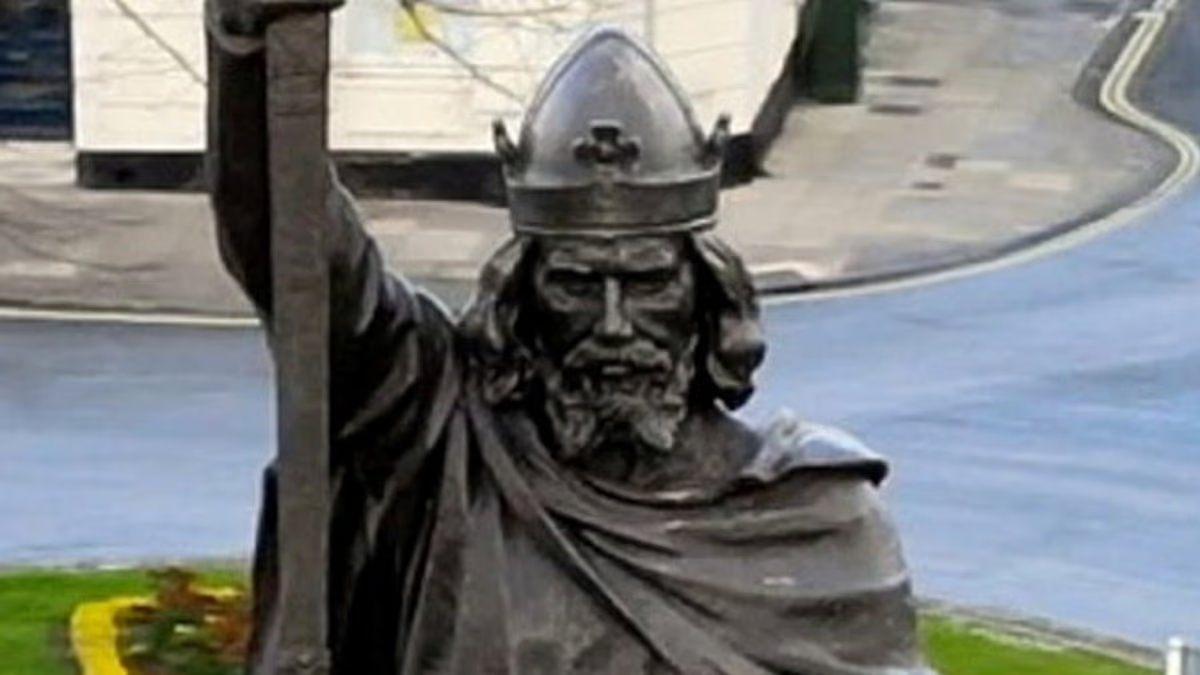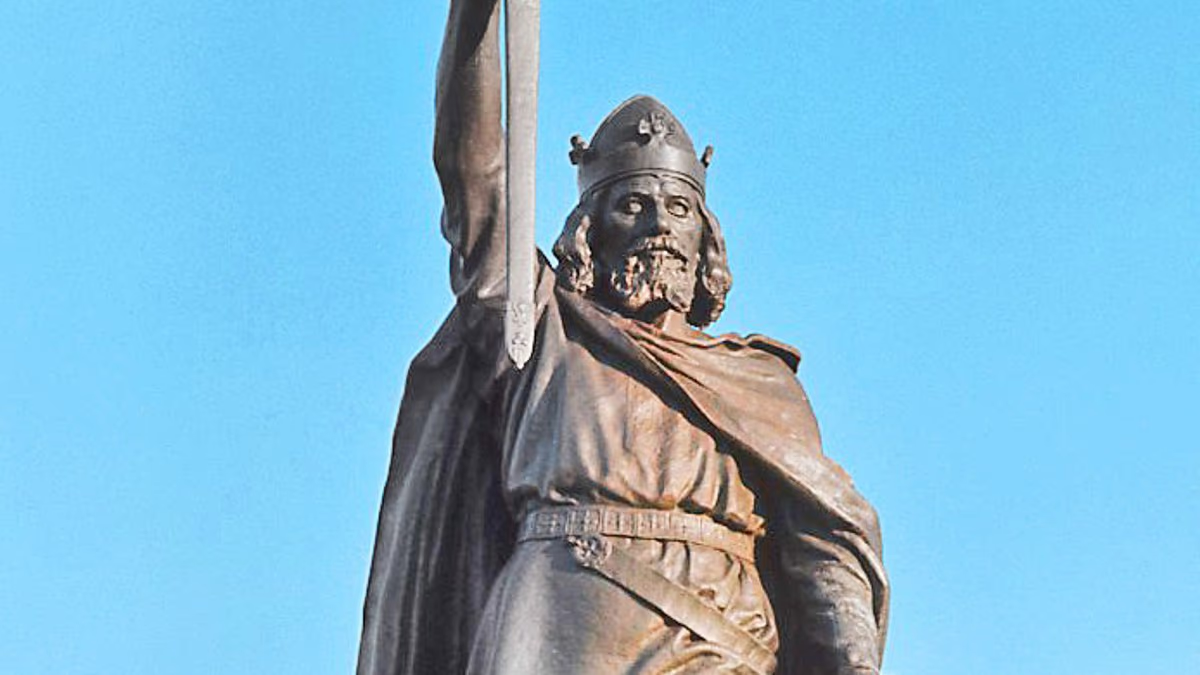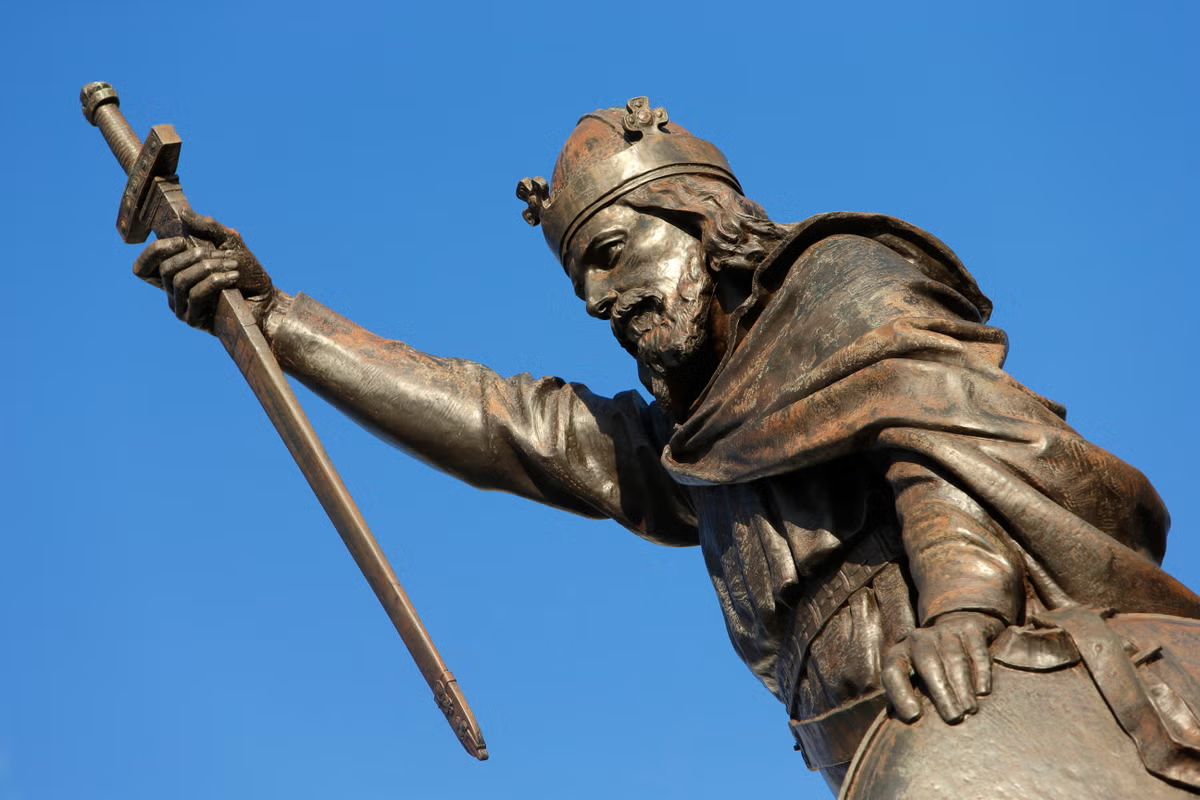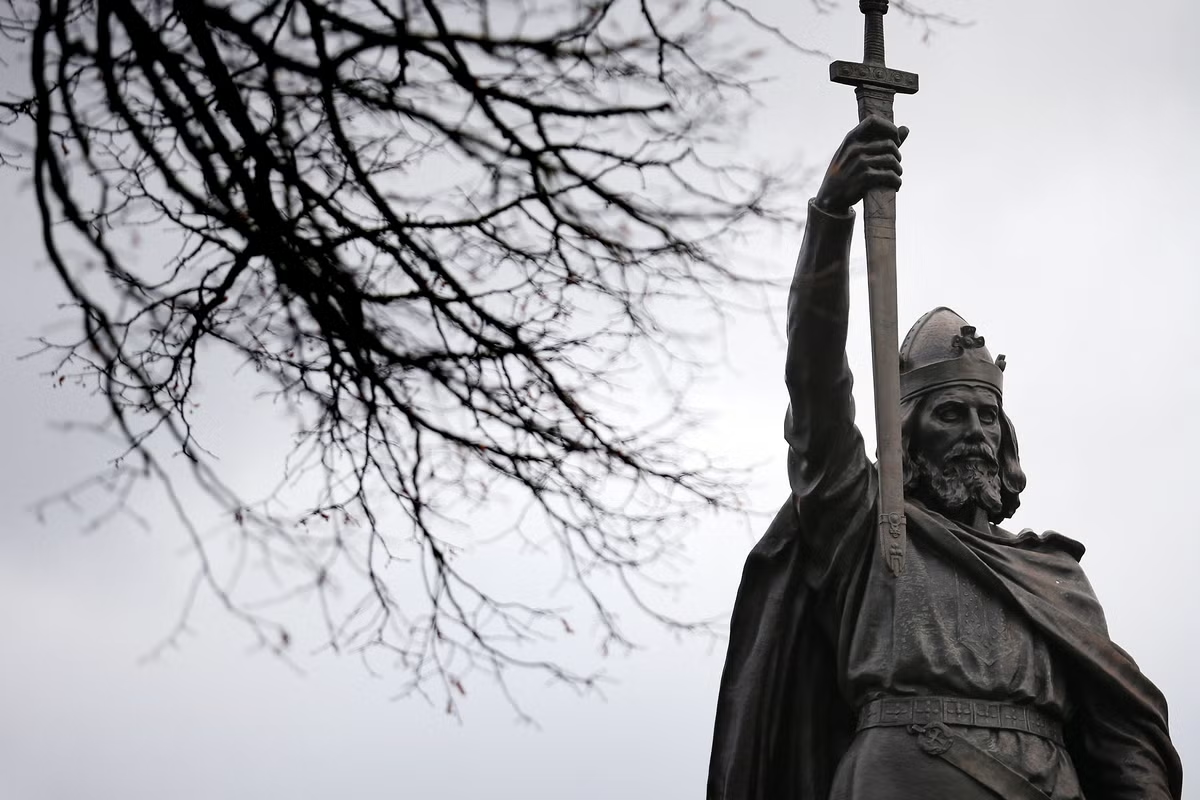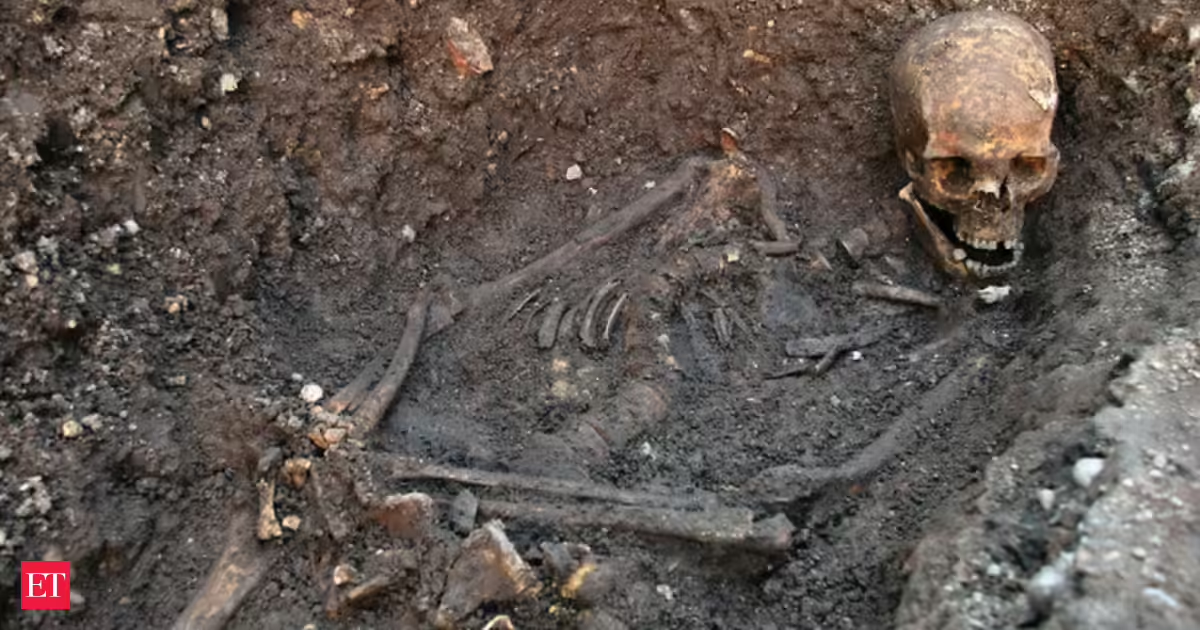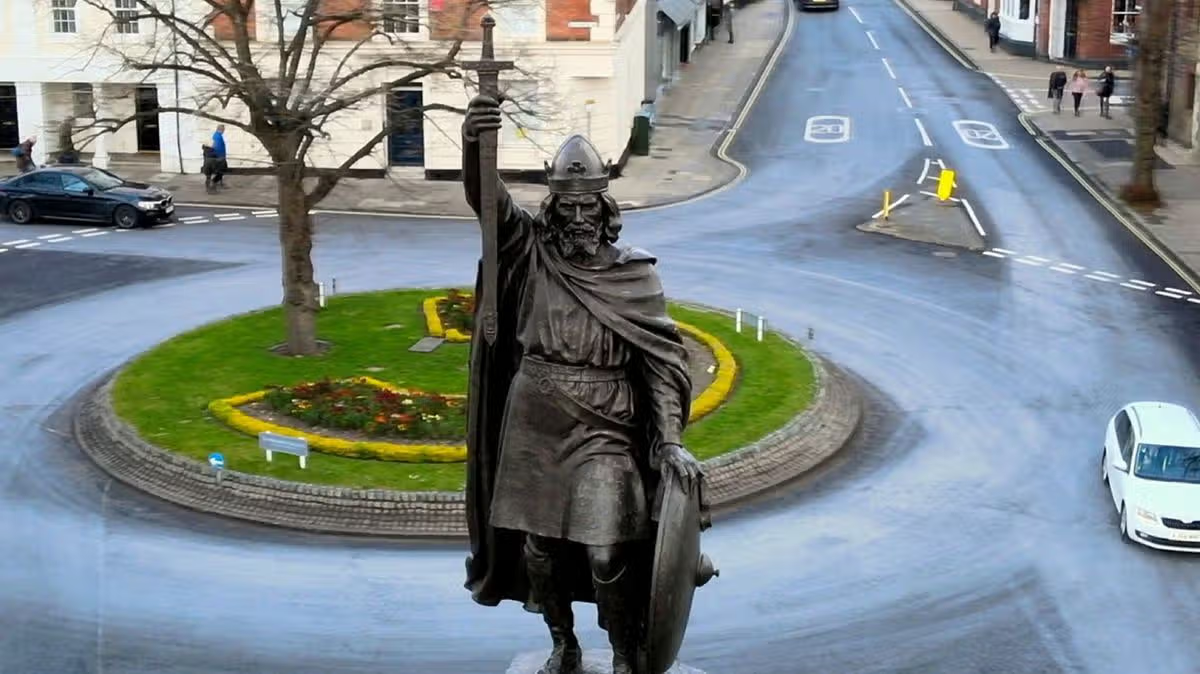
King Alfred the Great - the only English monarch to have the moniker - united Anglo Saxons in their battle against the Vikings, despite this his final resting place remained a mystery13:37, 07 Jul 2026The long-lost remains of King Alfred the Great have been found buried under a car par, investigators have sensationally claimed.Alfred the Great, the only English king to be given the moniker, was one of the most important rulers and is widely considered the founder of the country. Despite cementing his status in English lore, his final resting place was shrouded in mystery.But author and historical researcher Graham Phillips now claims to have discovered Alfred's grave following a 13-year-long hunt. The location is slated to be revealed in a new episode of the British TV series Weird Britain, on Blaze TV this Wednesday, July 8 at 9pm.He has claimed the location are 20 yards from a slab that marks where Alfred was once buried. He added: "Bizarrely. Like Richard III, the bones are under a car park." Alfred died in 899 and his bones were repeatedly moved.He was buried in Winchester Cathedral until 1110, when his remains were moved to Winchester's Hyde Abbey where they were interred before the high altar between the bodies of his wife and son. The abbey was later demolished following the dissolution of the monasteries in 1539, and the place left in ruins.In 1866, during construction of a workhouse on the site, the English antiquarian John Mellor excavated the area, found what he thought were Alfred's bones and had them reburied at nearby St. Bartholemew’s Church. But in 2013, when archaeologists exhumed and carbon dated the bones from St. Bartholemew’s churchyard, they proved to date from over 200 years after Alfred’s death - sparking Graham's interest and search.He said: "Whoever’s bones they were, they weren’t Alfred’s. So, I decided to discover what happened to them. The quest has taken me 13 years."It had been presumed that Alfred's bones perished during the building of the workhouse in the 1860s, Winchester city council turned the Hyde Abbey site into a scenic garden with the locations of what had been Alfred's grave, and that of his wife and son, marked with stone slabs. Phillips, believes he found evidence the bones of all three of them had already been moved a few decades before the 1860s.Article continues belowHe added: "I discovered that in 1788 a prison was built next to the area, and the site where graves were was turned into a garden for the warden’s house. I’m convinced the original bones were moved at that time."In that late 1700s, English historian Henry Howard visited Richard Page, the warden responsible for the work at the Hyde Abbey site, to obtain plans of the ruins that existed before the prison was built. And it was while Phillips was searching for a copy of that plan in the archives of Cambridge University that he made what he describes as an astonishing discovery.Graham added: "Howard had written an article about Hyde Abbey published in Volume 13 of Archaeologia, the journal of the London Society of Antiquaries, in 1800. In it, he refers to prisoners employed to landscape the warden’s new garden unearthing bones which were reburied nearby, even including a map.”
Lost remains of King Alfred the Great 'buried under car park like Richard III'
King Alfred the Great - the only English monarch to have the moniker - united Anglo Saxons in their battle against the Vikings, despite this his final resting place remained a mystery
542 words~2 min read