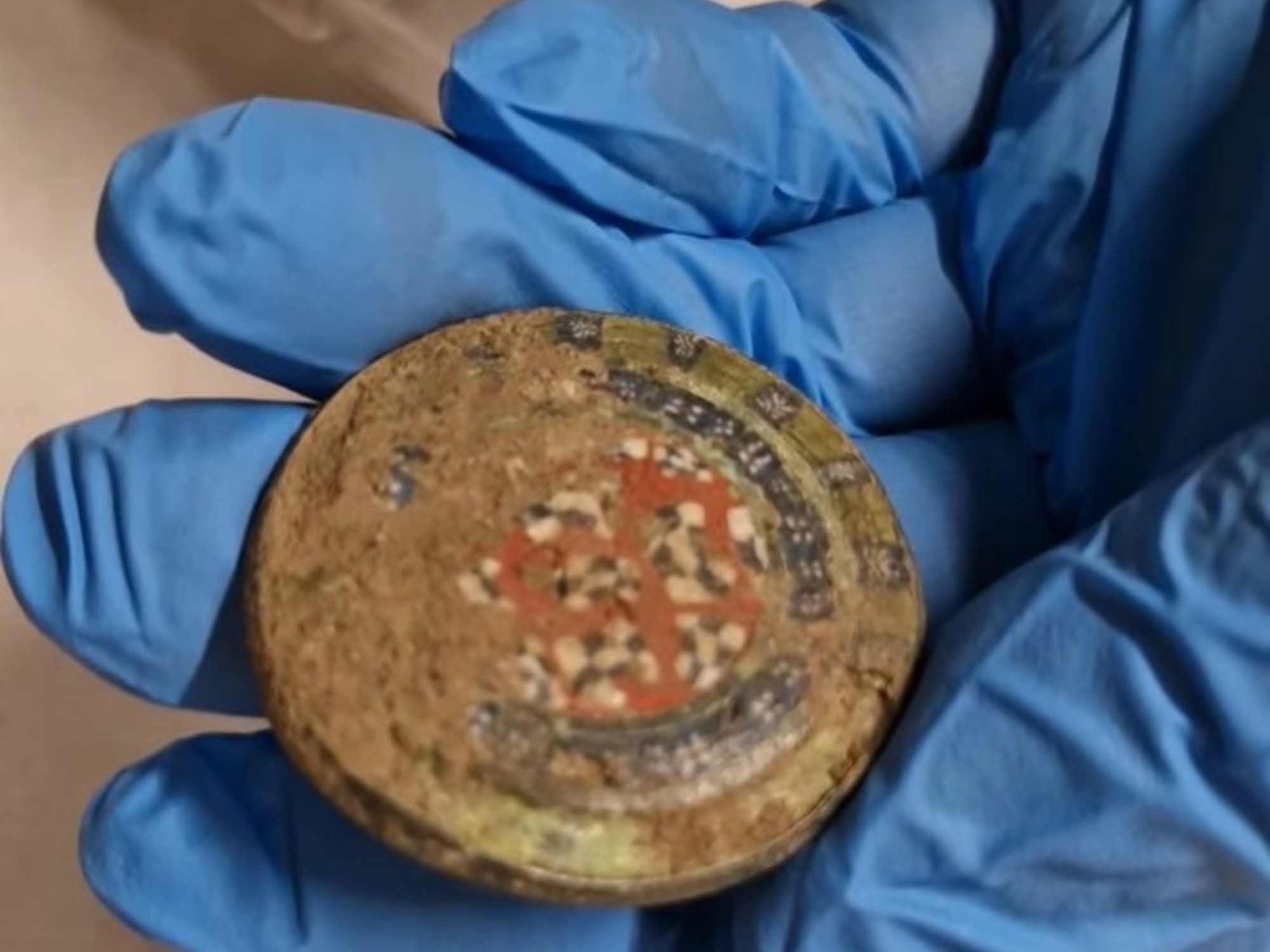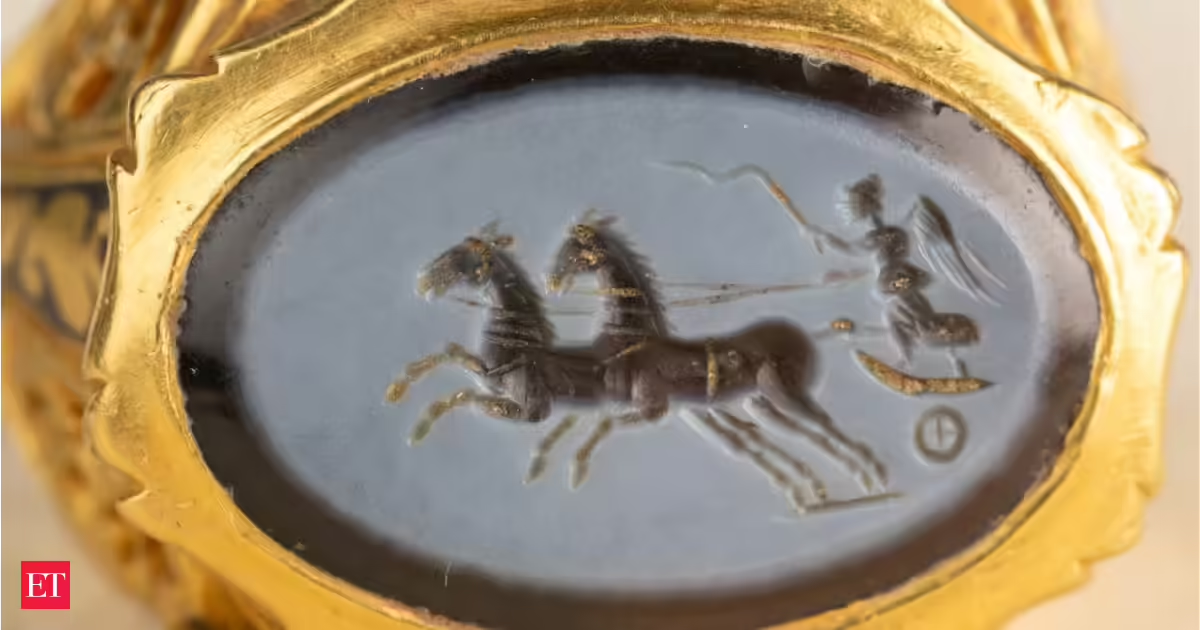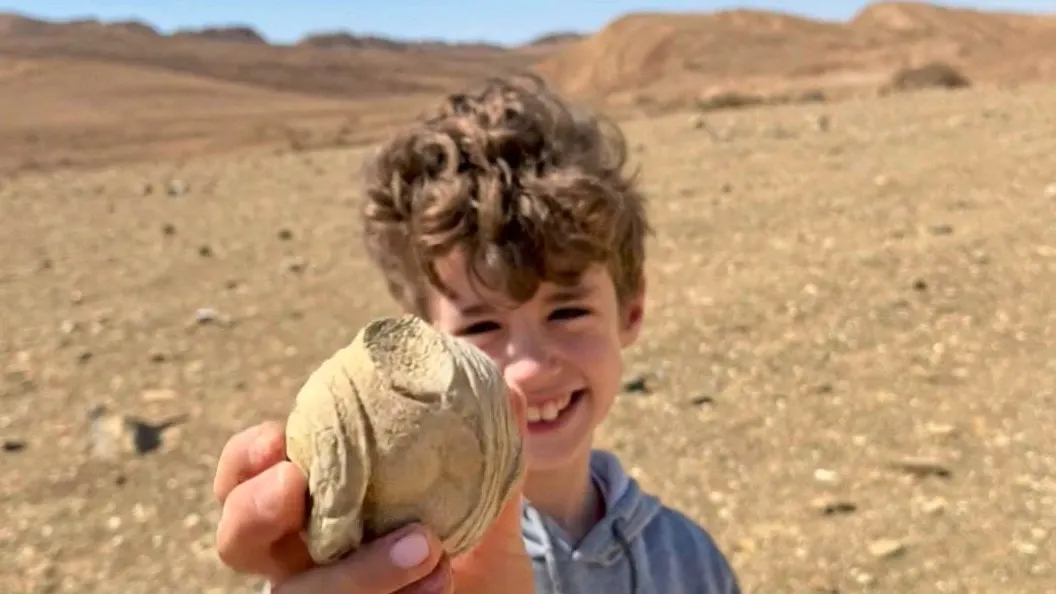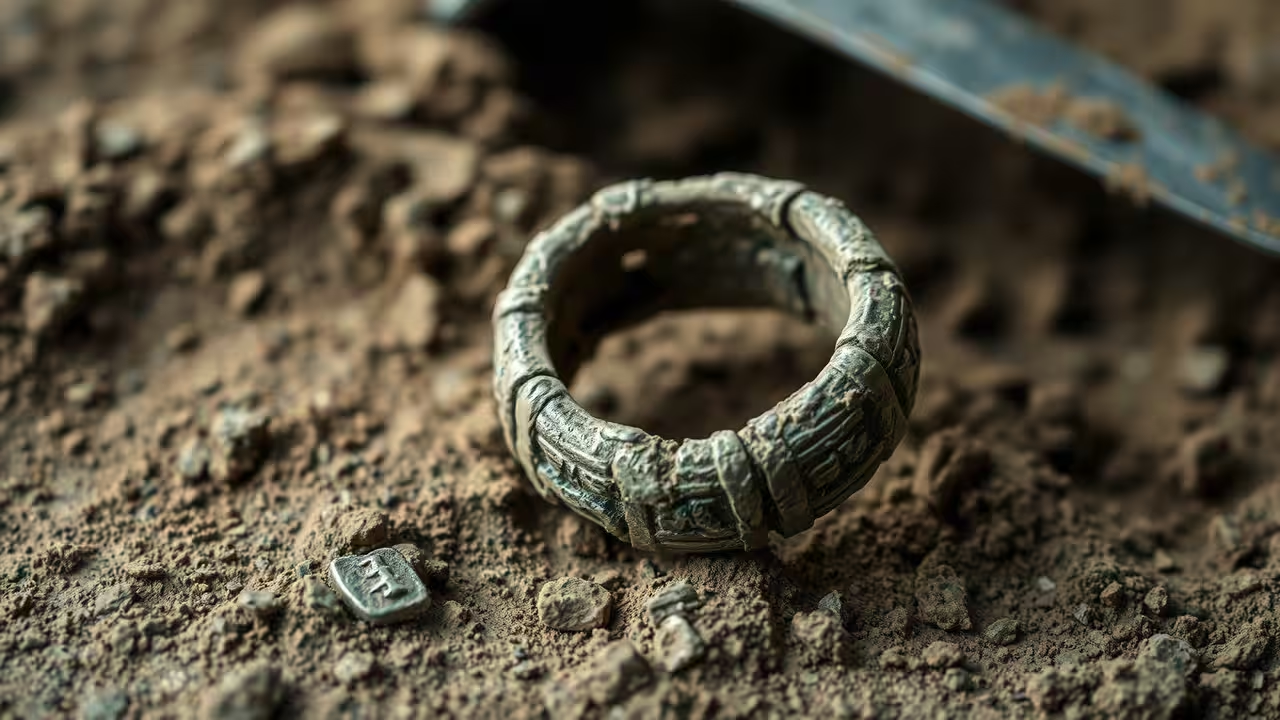
A hike on Mount Carmel turned into a genuine archaeological discovery for one 13-year-old boy from Haifa. Yair Whiteson was out walking with his father, a reservist soldier who had just returned from four months of duty, when he spotted a small green object lying near an old quarry site below Khirbet Shalala. At first, he assumed it was nothing more than a rusty bolt. It turned out to be a bronze ring nearly 1,800 years old, engraved with the image of Minerva, the Roman goddess of wisdom and battle, known to the Greeks as Athena. Rather than keeping the find, Yair and his family handed it straight over to Israel's Antiquities Authority, earning praise for doing the right thing with a piece of history that easily could have vanished into someone's drawer.How the ring was actually found on Mount CarmelYair described the moment simply, telling reporters he noticed a small green item on the ground and picked it up without really knowing what it was. Since it looked corroded, his first instinct was that it might just be an old bolt, and he even considered heating it up before realising what he was actually holding. According to The Times of Israel, once he got home and looked closer, he could make out an image stamped into the metal and initially guessed it showed a warrior. His family reached out to an inspector from the Antiquities Authority's theft prevention unit, who came to collect the ring and passed it along to the National Treasures Department for proper examination.What experts found once they examined the ringNir Distelfeld, an inspector with the Israel Antiquities Authority, along with Dr. Eitan Klein, deputy director of the same unit, dated the ring to the second or third century CE, placing it firmly within the Late Roman Period. Made of bronze and preserved in remarkably complete condition, the ring shows a helmeted, unclothed figure holding a shield in one hand and a spear in the other. According to their official statement released through the Israel Antiquities Authority, Yair's initial instinct, guessing the figure was a warrior, was actually very close to the truth, since the image most likely depicts Minerva, a goddess strongly associated with both wisdom and combat in Roman mythology.Why Minerva shows up on artefacts in this regionThe same IAA statement notes that Minerva was genuinely popular across the Land of Israel during the Roman period, which explains why her image would turn up on a personal item like a ring in this specific area. Roman, and later Byzantine, rule over the region lasted for centuries, stretching all the way up to the Muslim conquests in the seventh century, and everyday objects from that long stretch of time regularly carried imagery tied to Roman religious and cultural life.Who might have owned the ring originallyDistelfeld and Klein offered a few possible explanations for how the ring ended up near Khirbet Shalala. It may have belonged to a woman or girl living on a farm that once stood at the site, or perhaps it slipped off the hand of a labourer working at the nearby stone quarry. Another possibility is that the ring was never lost at all, and was instead deliberately left as an offering at burial sites known to exist close by, a practice that was not unusual for the period.Why the teen's decision to report the find mattersBecause of Israeli law, ancient artefacts found anywhere in the country legally belong to the state, and anyone who comes across something like this is required to report it rather than keep it. Yair was formally commended for good citizenship for doing exactly that, and as a reward, he and his family were given a private tour of the Jay and Jeanie Schottenstein National Campus for the Archaeology of Israel in Jerusalem, where the ring itself will eventually go on public display.Why small, everyday finds like this matter to archaeologistsDiscoveries like this one might not carry the drama of a grand temple or a hidden tomb, but a personal item such as a ring often tells archaeologists something a monument cannot: small, specific details about ordinary life during the Roman period, right down to the religious beliefs someone chose to carry with them every single day. For Yair, an ordinary afternoon hike turned into a genuine contribution to Israel's historical record, all because he took a second look at what he first mistook for a rusty old bolt.
A 13-year-old boy hiking near Haifa thought he had found a rusty bolt, but it turned out to be an 1,800-year-old Roman ring
A hike on Mount Carmel turned into a genuine archaeological discovery for one 13-year-old boy from Haifa. Yair Whiteson was out walking with his father, a reservist soldier who had just returned from four months of duty, when he spotted a small green object lying near an old quarry site below Khirbet Shalala.
742 words~3 min read