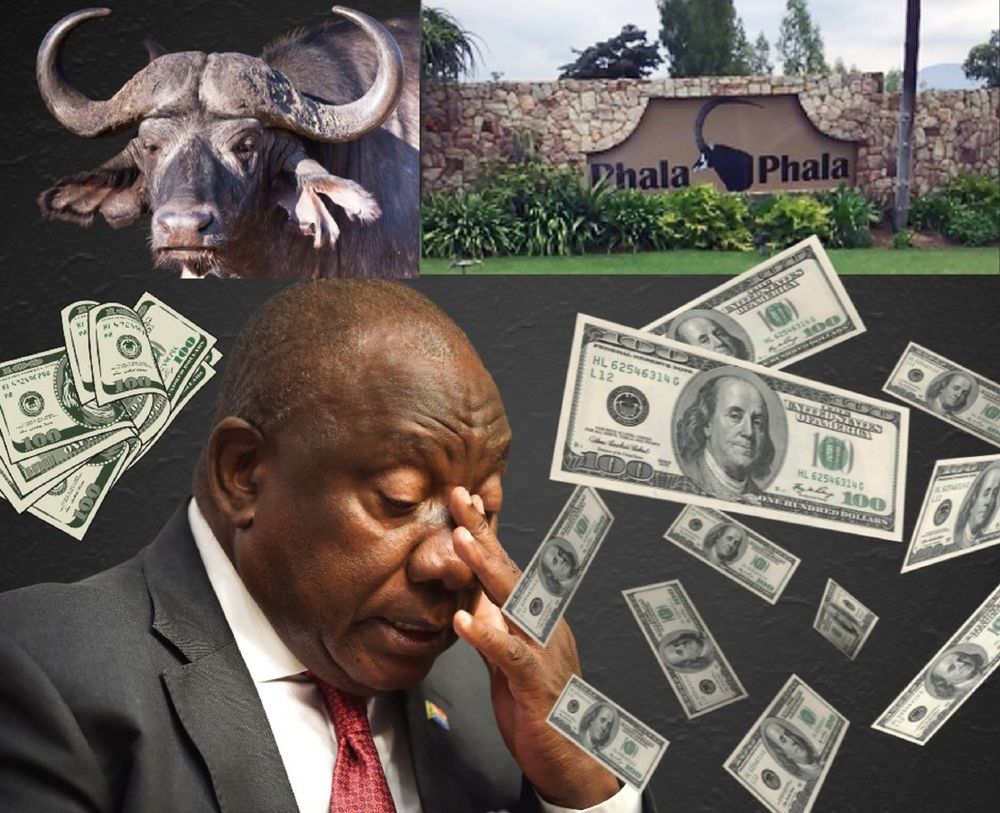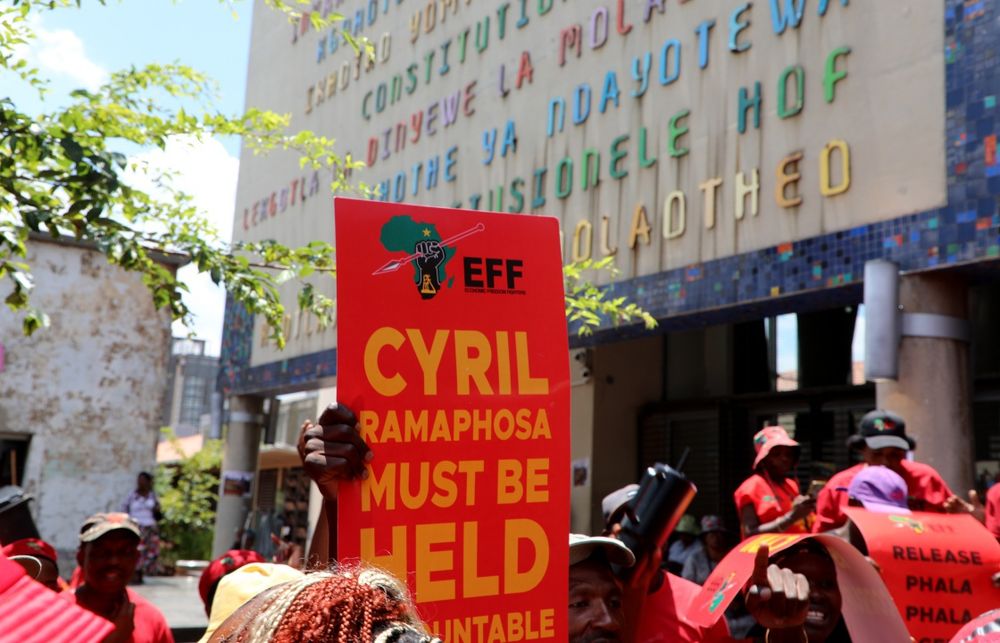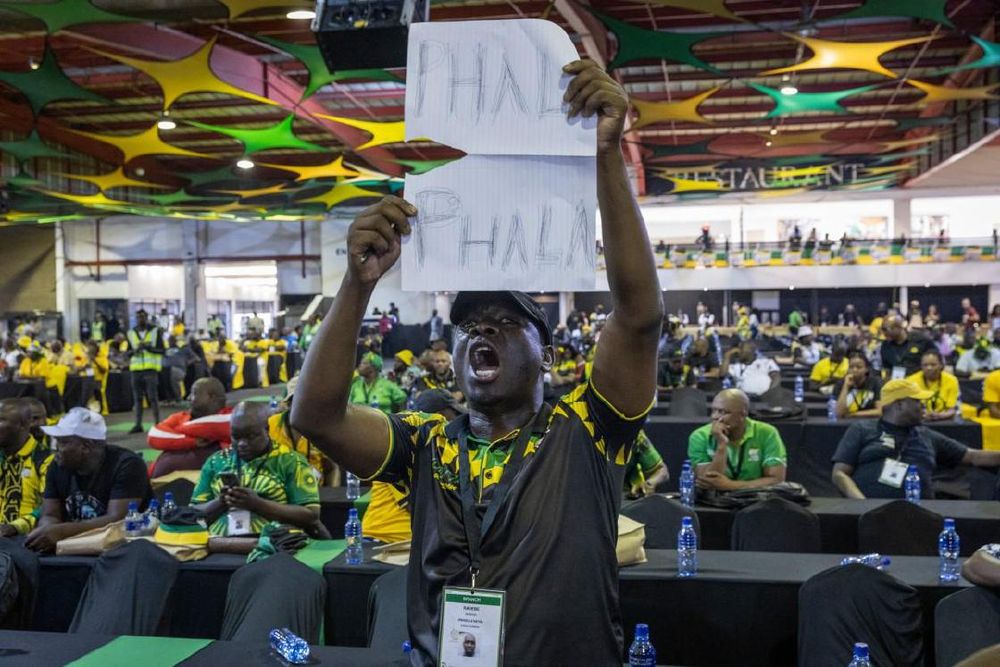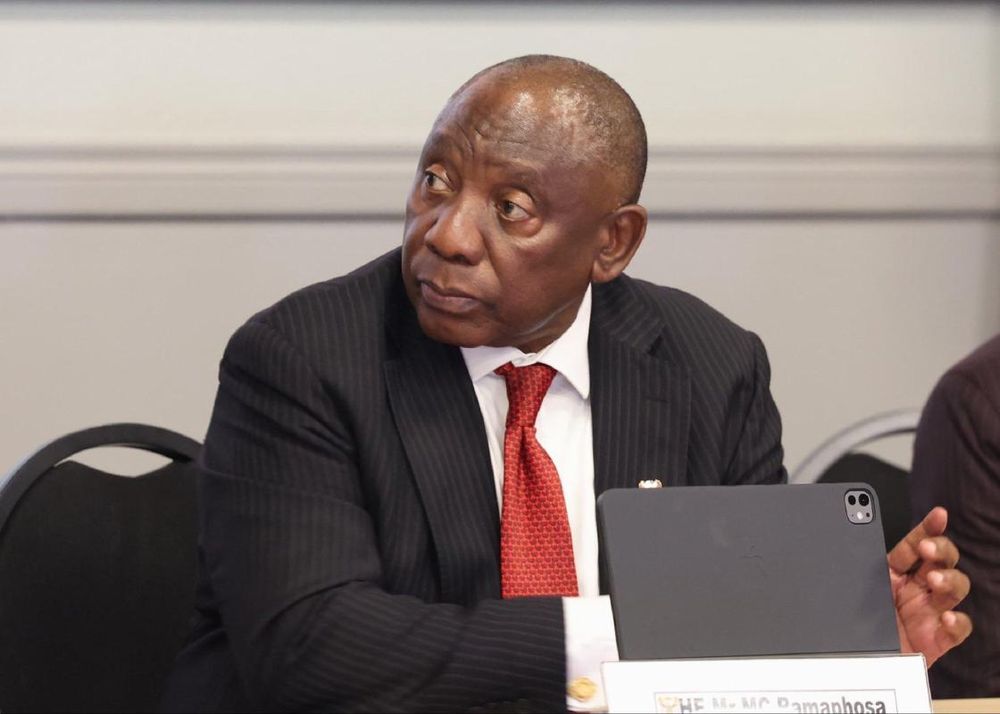
Cyril Ramaphosa's presidency faced another setback with the emergence of the Phala Phala scandal, revealed by one of his political rivals, says the writer.
The ANC has, at times, benefited from circumstances that have shielded it from being held fully accountable for poor governance. In 2007, many within the ANC and its alliance attributed rising poverty and inequality to former President Thabo Mbeki's liberal economic policies, effectively shifting responsibility from the governing party to an individual.
A year later, in 2008, widespread xenophobic violence saw many South Africans blame foreign nationals for their economic hardships, allowing the ANC to evade accountability once again for the persistent poverty, unemployment, and inequality that had left millions living on the margins of society.
In 2009, South Africans were assured that the ANC, under Jacob Zuma's leadership, would tackle the country's major economic challenges. That optimism proved short-lived as his presidency became synonymous with a series of corruption scandals, including the Nkandla saga, the Gupta family's state-capture project, and numerous other allegations of grand corruption.
The establishment of the Commission of Inquiry into State Capture, chaired by retired Chief Justice Raymond Zondo, was presented as a decisive step towards accountability. However, many viewed it as another political exercise in damage control.