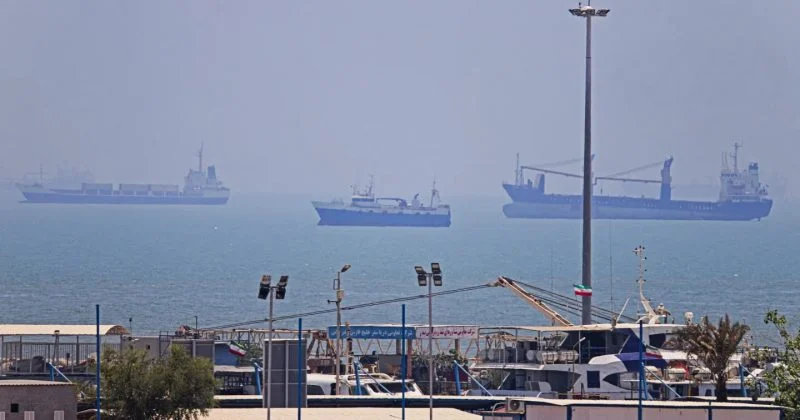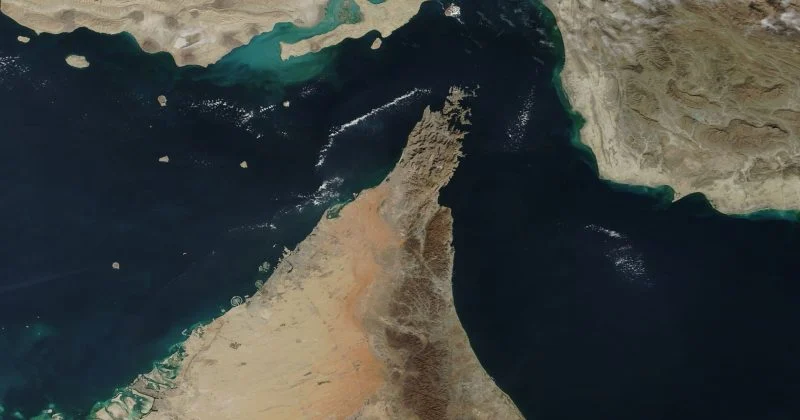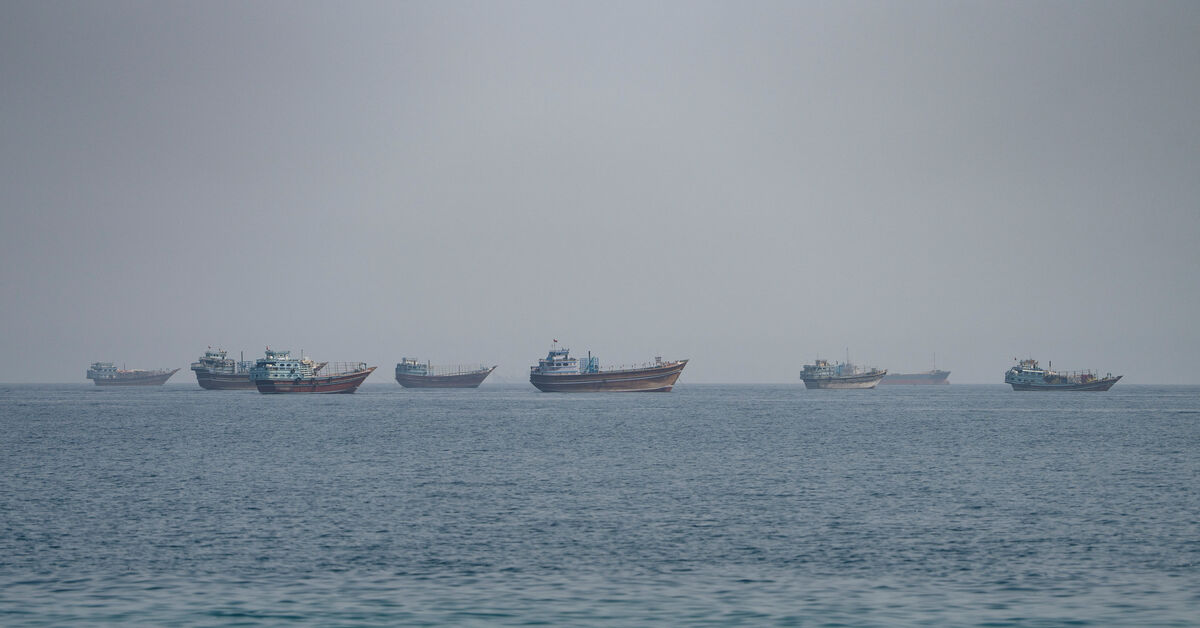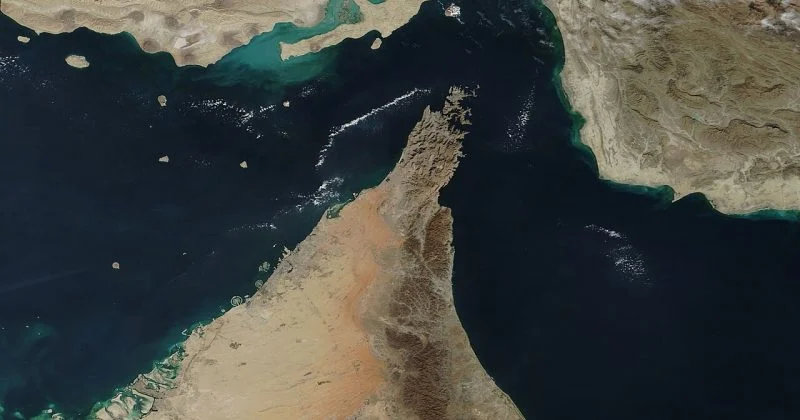
The United States and Iran sat down in Oman to discuss security in the Strait of Hormuz, the narrow waterway that functions as the world’s most important oil chokepoint. The first meeting of the Joint Hormuz Committee took place in Muscat around June 29, with Oman playing its familiar role as the region’s go-to mediator.
Here’s why this matters beyond the oil market: roughly 20% of global oil shipments, about 20 million barrels per day, squeeze through this corridor. When tensions flare there, the ripple effects hit everything from crude futures to Bitcoin.
What happened in Muscat
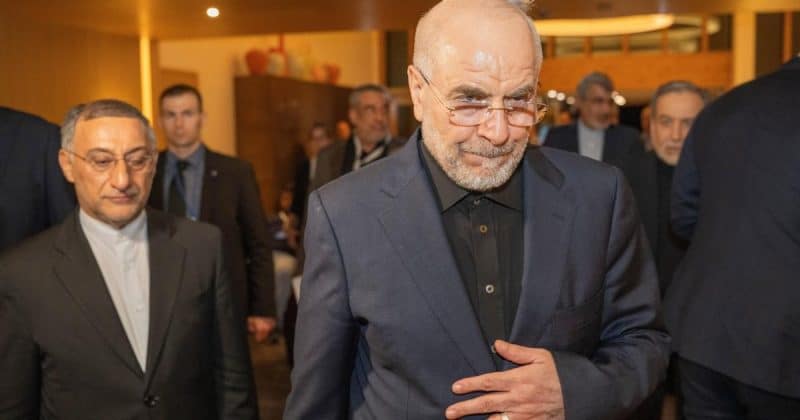
The talks brought together Iranian officials, including Deputy Foreign Minister Kazem Gharibabadi, under a framework agreement centered on safe navigation and coordination between Iran and Oman. Iran’s Foreign Minister Abbas Araghchi has publicly emphasized commitments to facilitating free navigation in accordance with international law.
The negotiations hint at further discussions aimed at solidifying maritime security arrangements without heavy external military involvement, particularly from the US.