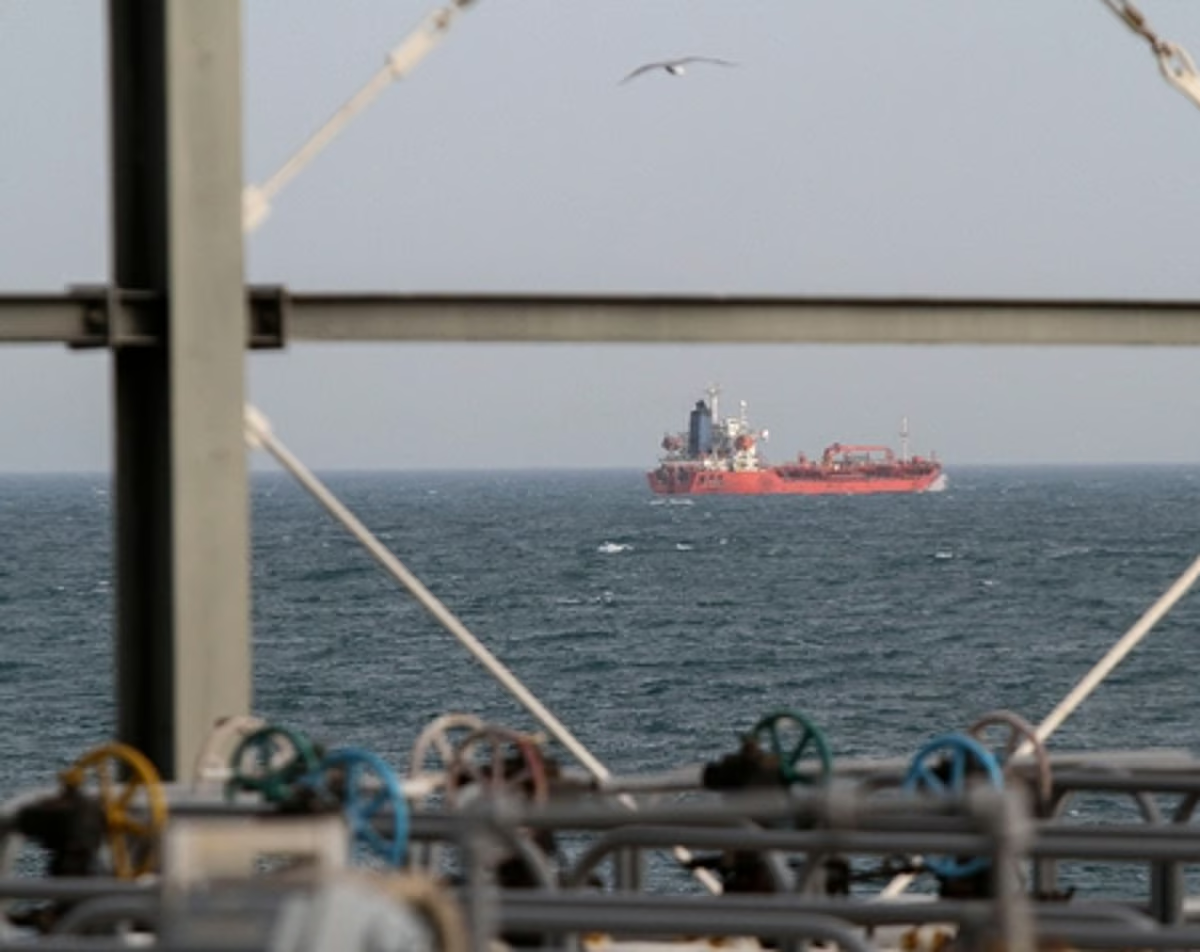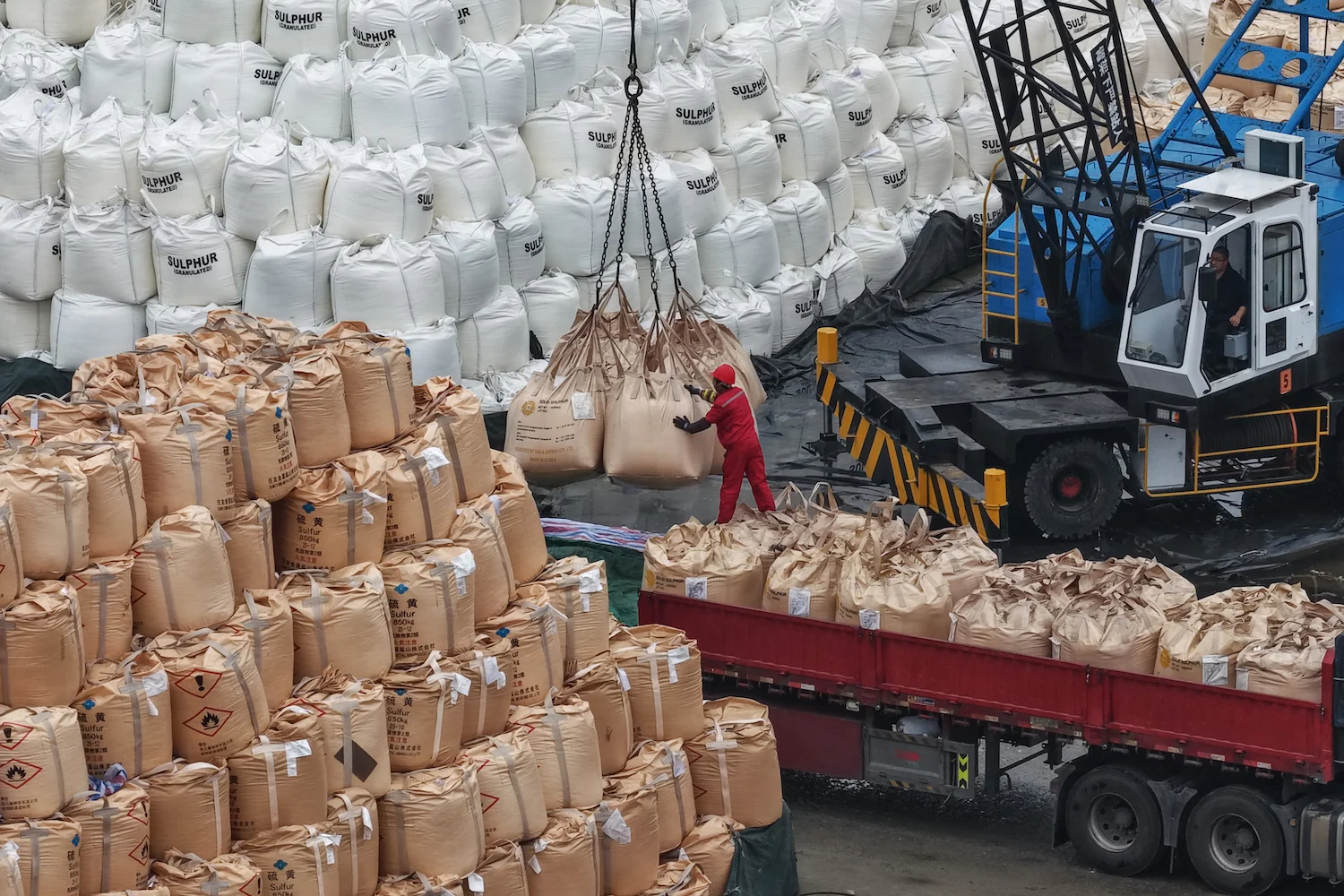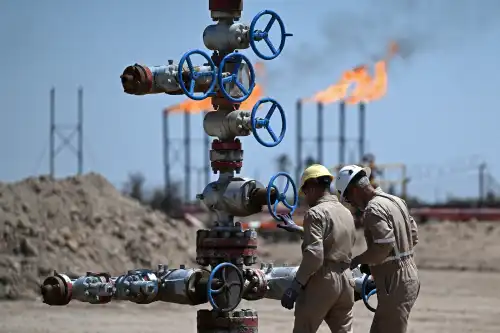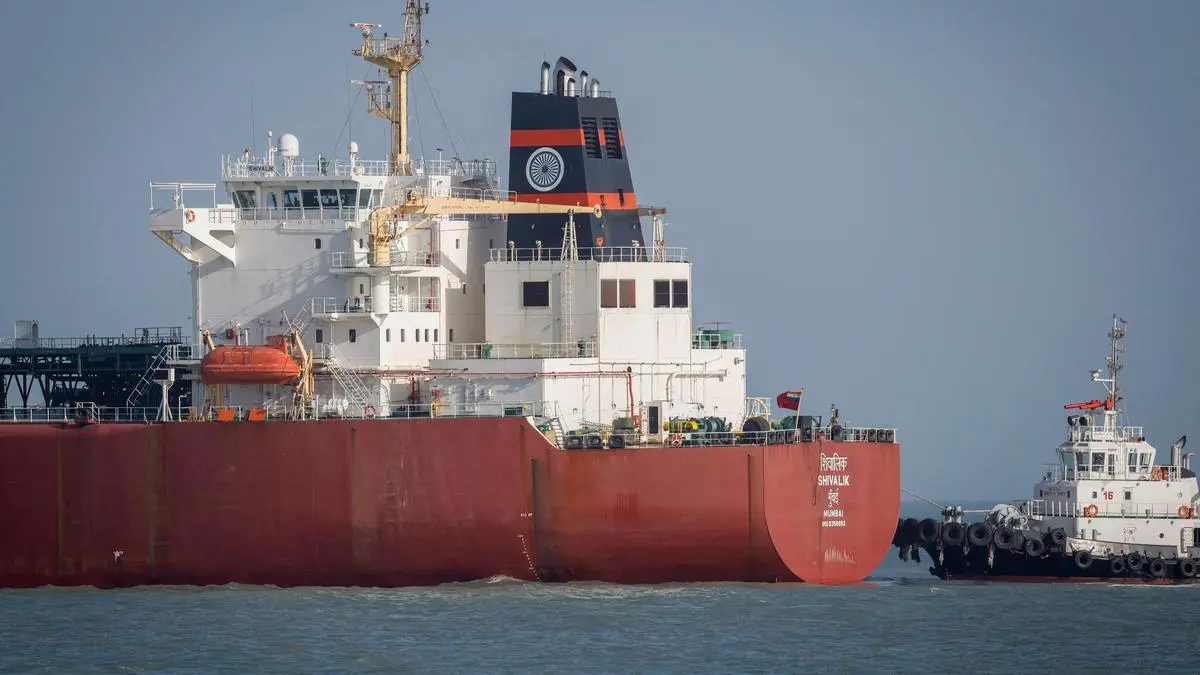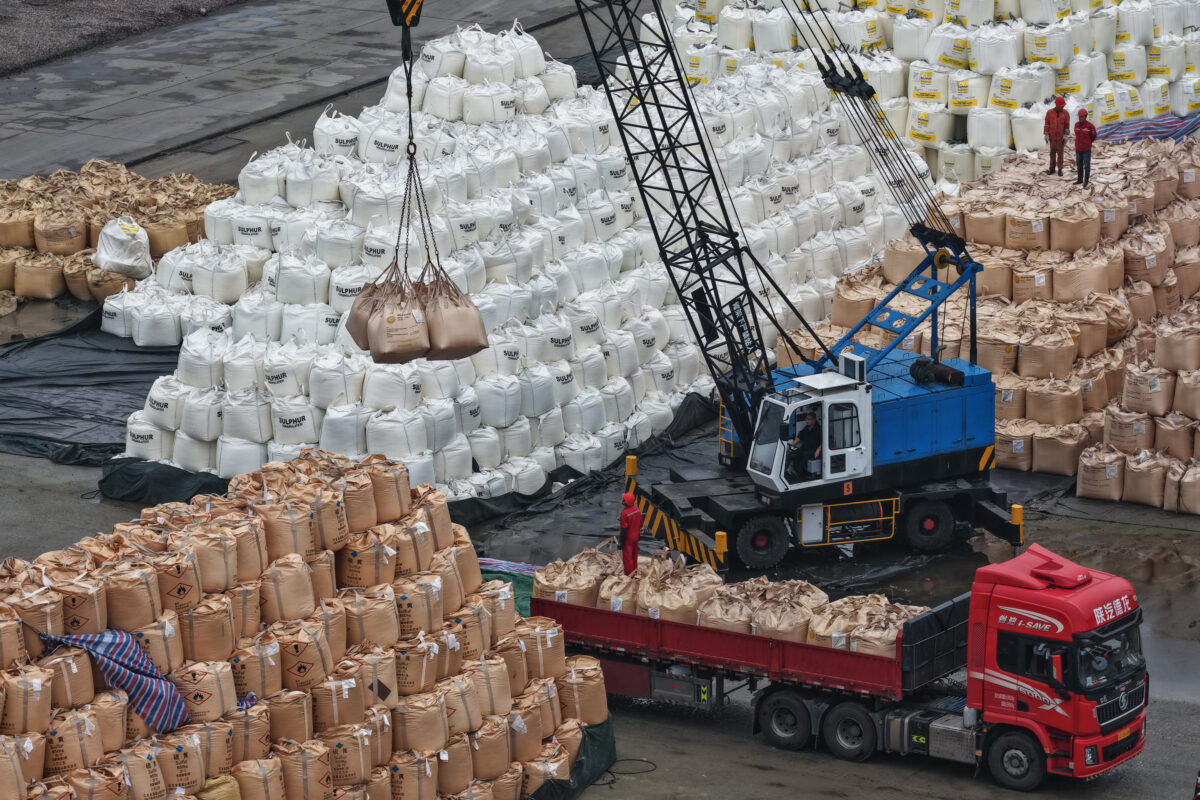
When the Strait of Hormuz closed in late February 2026, the world focused on crude oil prices. Yet two months later, as the US–Israel war on Iran continued, a different casualty emerged: sulphur, which underpins both the global food system and the energy transition. The three chokepoints of geographic bottlenecks, by-product dependence and policy control all converged, turning a regional war into a global industrial shock.
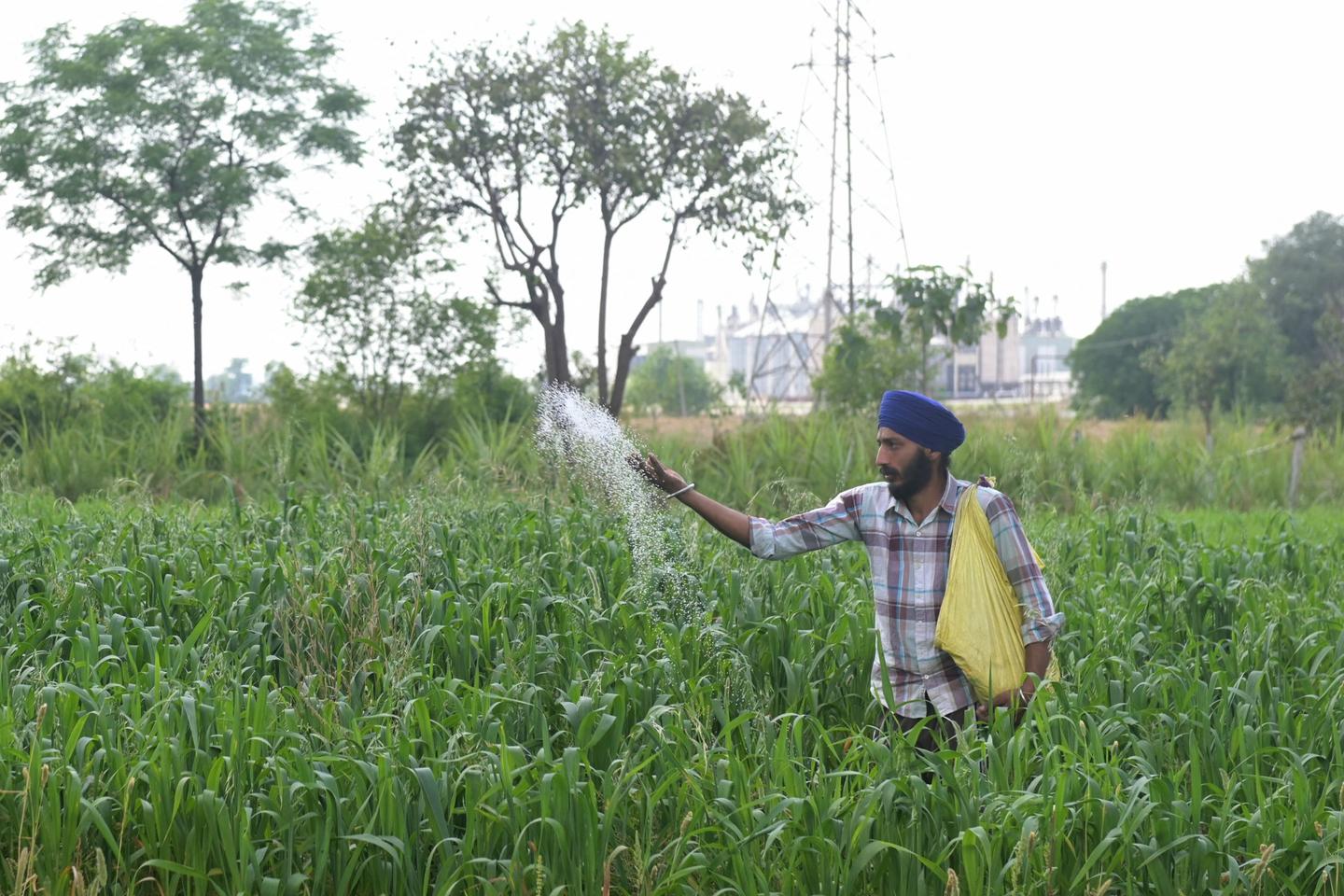
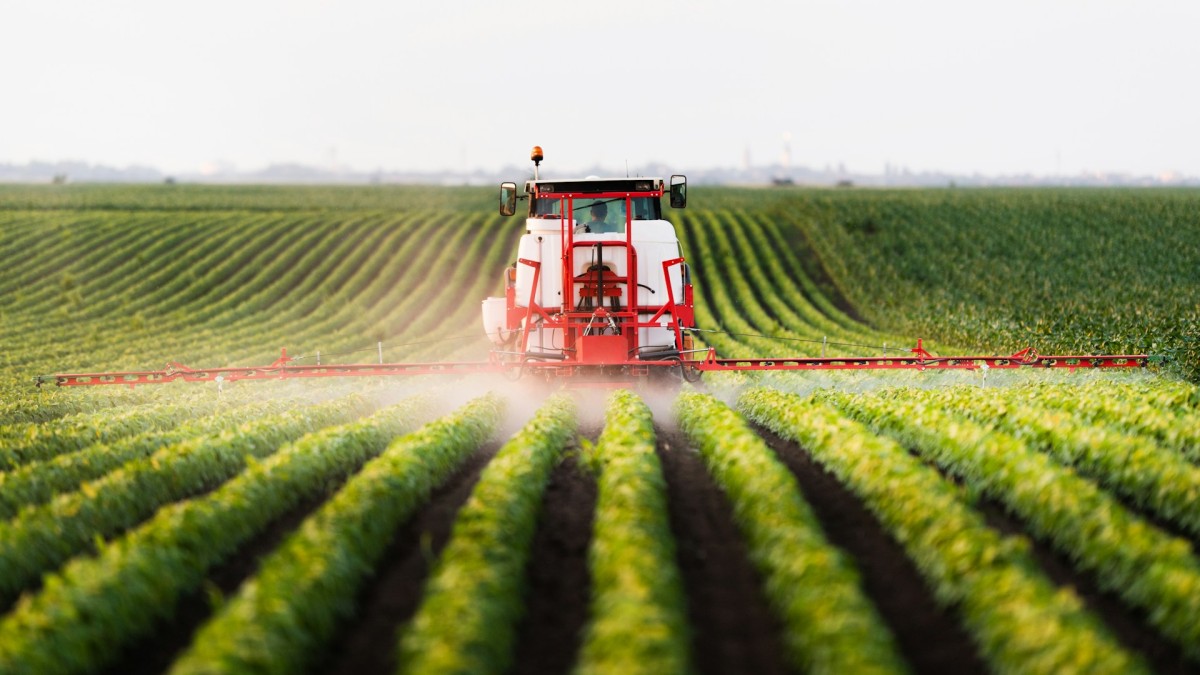
Sulphur is the feedstock for sulphuric acid, the world’s largest-volume inorganic chemical and most widely used mineral acid. Sulphuric acid is essential to fertiliser production and clean-energy industries. It turns phosphate rock into usable nutrients, leaches nickel for batteries, extracts copper for grids and wiring, and processes lithium and rare earths needed for the energy transition. Nearly half of the world’s seaborne sulphur trade normally passes through the Strait of Hormuz.
What makes this more than a logistics problem is the nature of sulphur itself. It is rarely mined directly. Most global supply of sulphur is recovered as a by-product of natural gas and petroleum processing, and its price and availability are tied to demand for fuels. When supply tightens, there is no quick substitute or easy way to scale production.