For a commodity essential to everything from pharmaceuticals to agriculture and mining, sulfur rarely makes headlines. But the Iran war is showing why the world should pay closer attention.
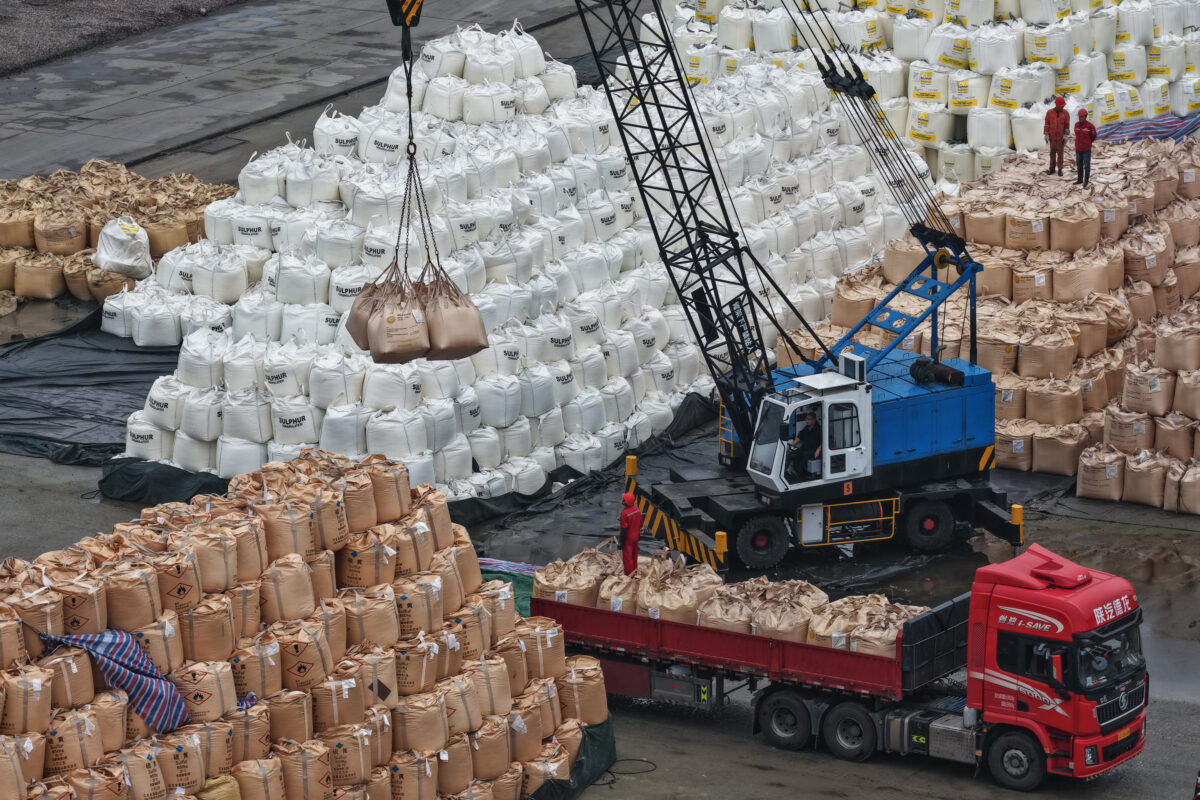
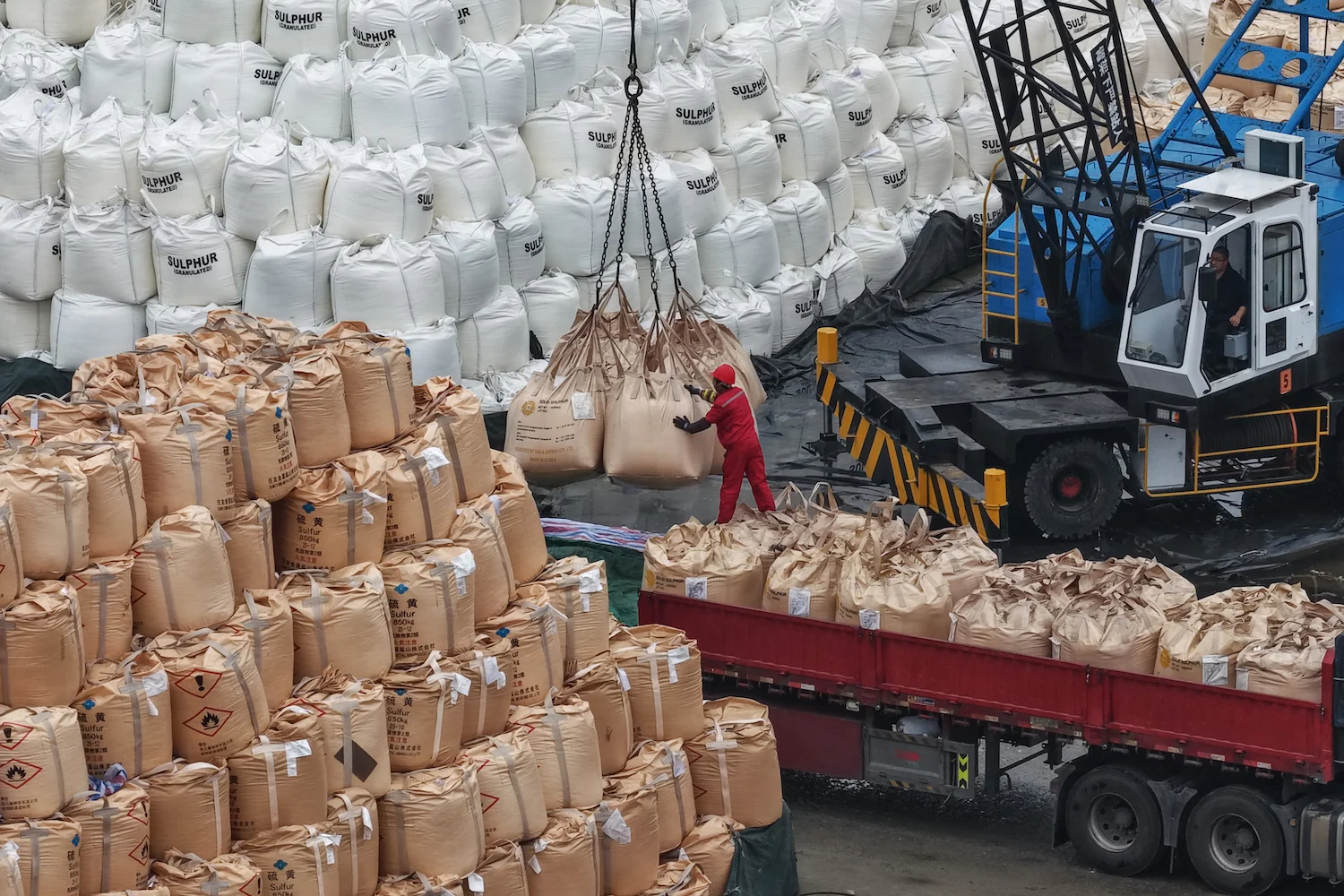
That’s because by throttling global energy markets, the widening conflict is also wreaking havoc on the global trade of sulfur, which today is largely produced as a byproduct from the oil and gas sectors. Once converted into sulfuric acid—known as the “king of chemicals”—it powers operations across the fertilizer, metals, and pharmaceutical sectors. Which means that any disruptions to the sulfur market reverberate far beyond it.
For a commodity essential to everything from pharmaceuticals to agriculture and mining, sulfur rarely makes headlines. But the Iran war is showing why the world should pay closer attention.
That’s because by throttling global energy markets, the widening conflict is also wreaking havoc on the global trade of sulfur, which today is largely produced as a byproduct from the oil and gas sectors. Once converted into sulfuric acid—known as the “king of chemicals”—it powers operations across the fertilizer, metals, and pharmaceutical sectors. Which means that any disruptions to the sulfur market reverberate far beyond it.