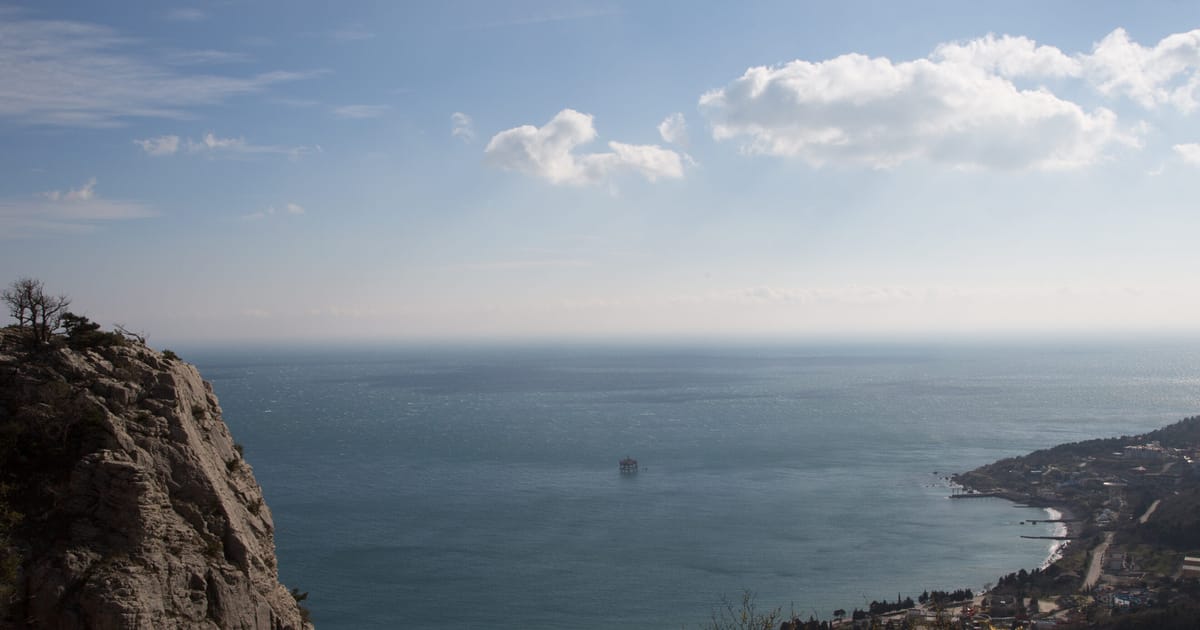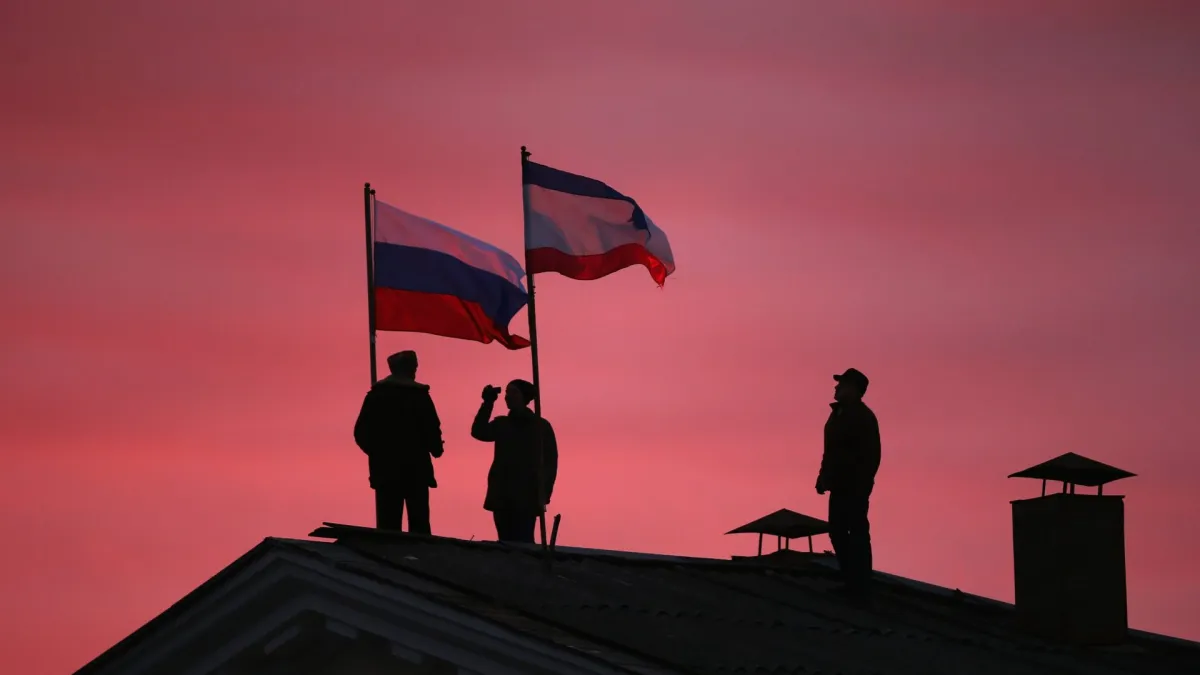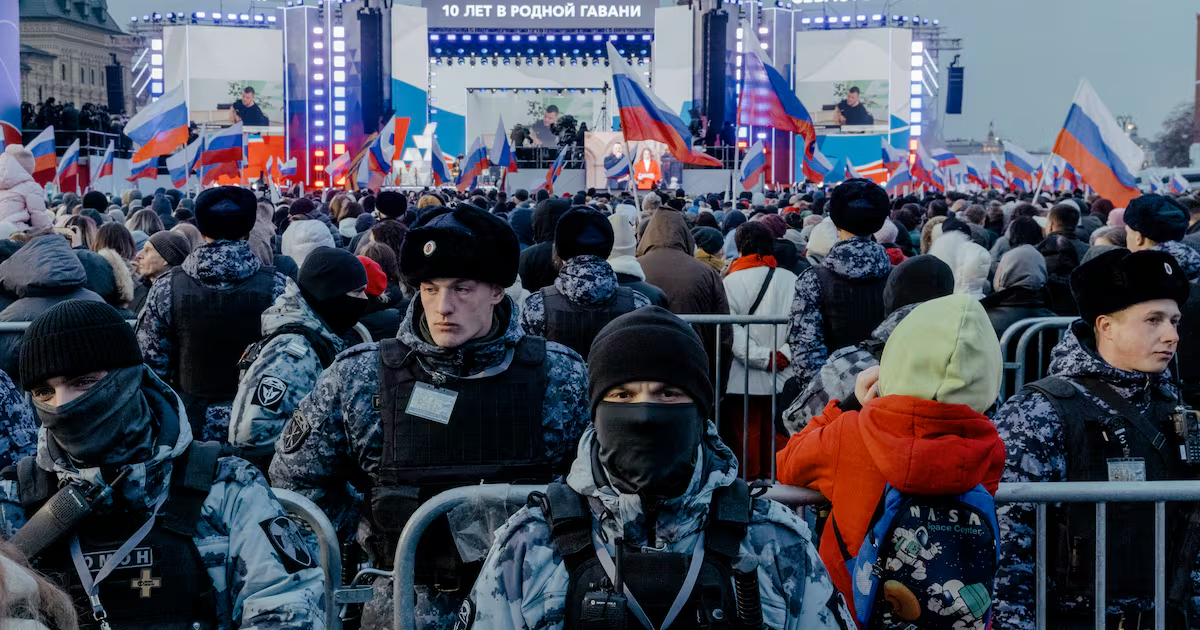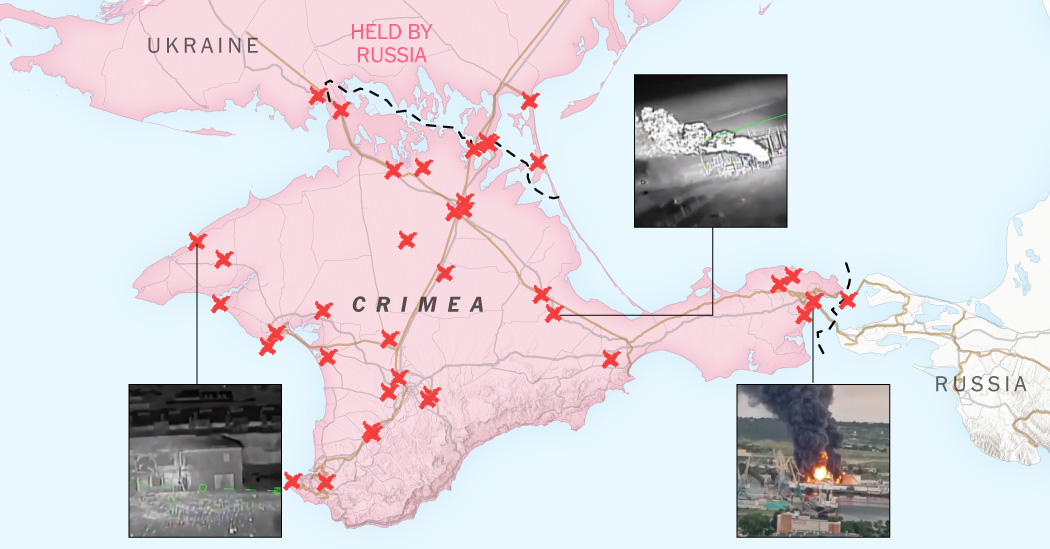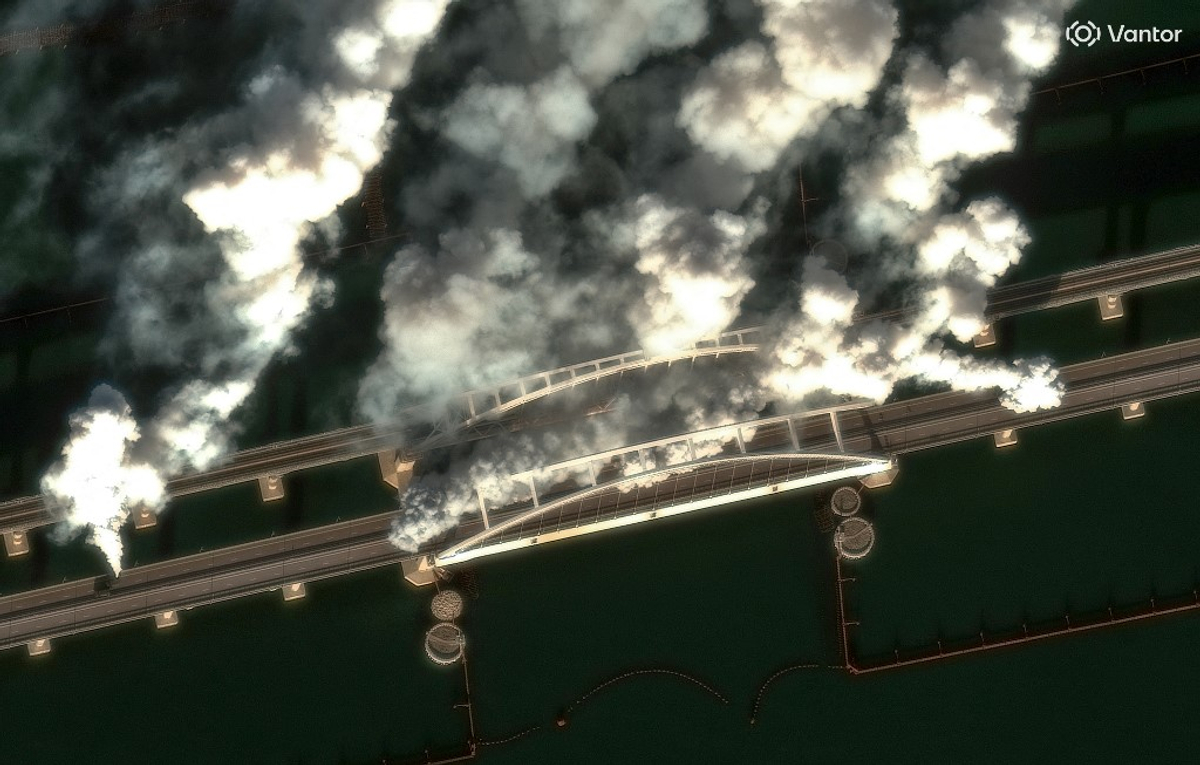
For more than a decade, Crimea was the central exhibit of Putin’s rule. In Russian domestic politics, it served as proof – proof that Moscow could once again change borders by force, ignore international law, withstand sanctions, and turn Western restraint to its own advantage. Crimea was a performance of restored empire, wrapped in flags, television ceremonies, military parades, and a fabricated sense of historical inevitability. Today, that same space is returning to the center of the war as Putin’s weakest point. The annexation that brought Putin political dividends for years is now handing him the military and domestic bill. That is why Igor Lipsits’s assessment in his conversation with Mark Feygin matters. Lipsits is not a Ukrainian propagandist or a politician in Kyiv repeating routine wartime messages. He is a Russian economist from the former academic establishment, now an open critic of the Kremlin. When he says that Putin has already made a decision on Crimea and is beginning to carry it out, that sentence should not be read as news of a signed order to withdraw. Its weight lies in the diagnosis. Lipsits is describing a situation in which Moscow formally holds Crimea but finds it increasingly difficult to maintain it as a normal place of everyday life, supply, military logistics, and political security.JOIN US ON TELEGRAMFollow our coverage of the war on the @Kyivpost_official. Crimea today is measured in electricity, water, fuel, bridges, ferries, lines of cars, and the frayed nerves of the occupation authorities. That is where propaganda loses most of its power. Television can keep repeating that Crimea is Russian forever, but it cannot stabilize the grid, fill fuel tanks, ensure regular supplies, shorten waits at the bridge, or persuade families to stay where they no longer believe they are safe.
The Bill for Crimea Comes Due for Putin
Crimea, a symbol of Putin neo-imperial project, has become the place that will bankrupt Putin’s political capital.
1,659 words~8 min read