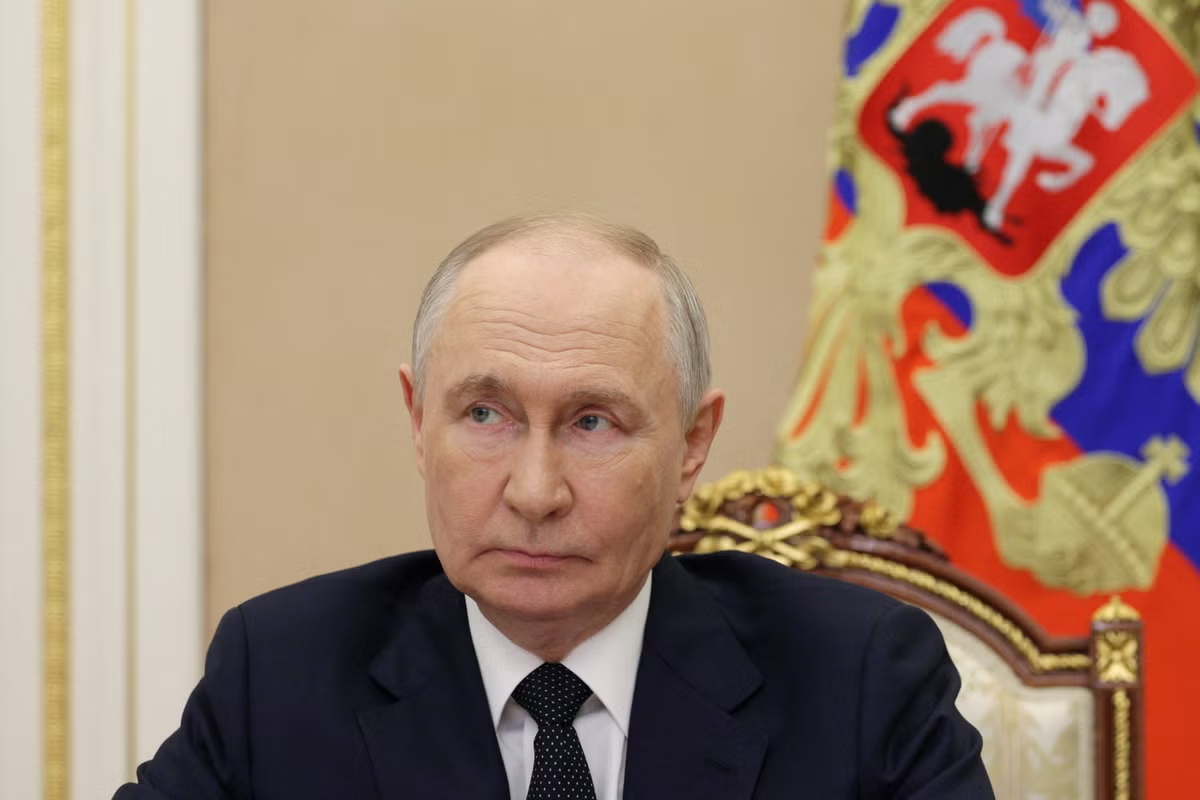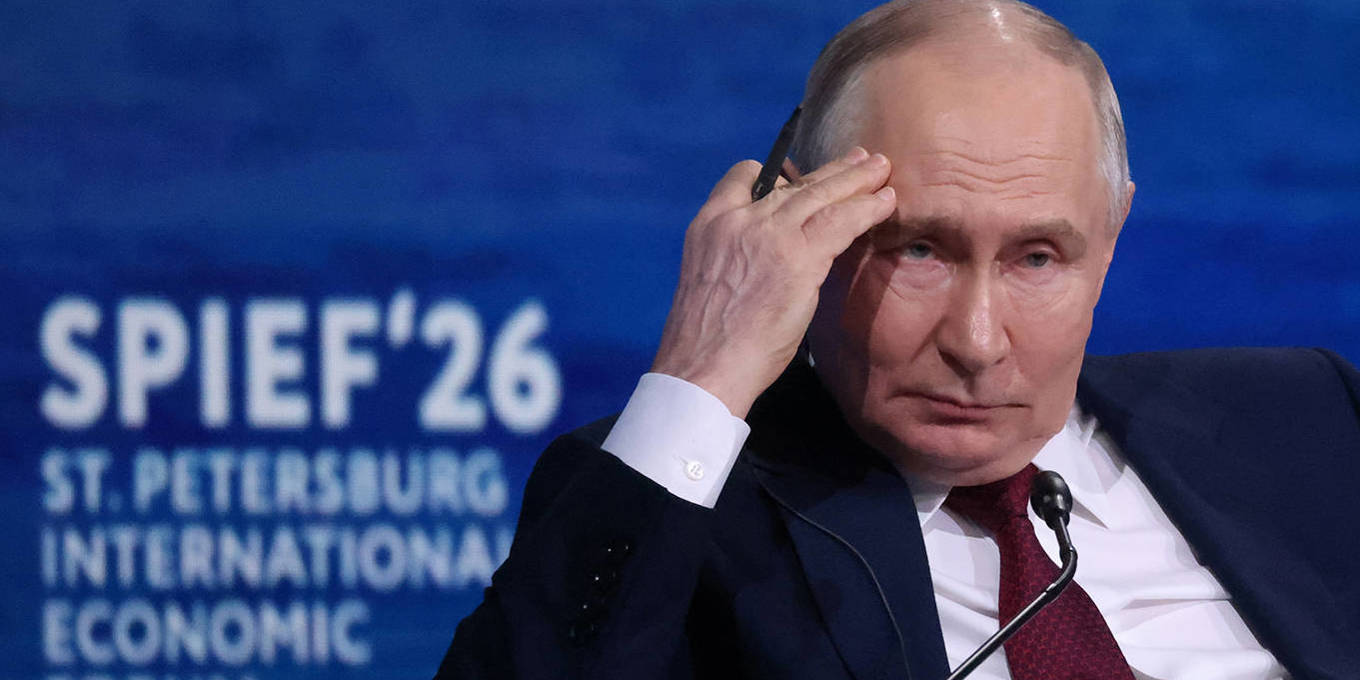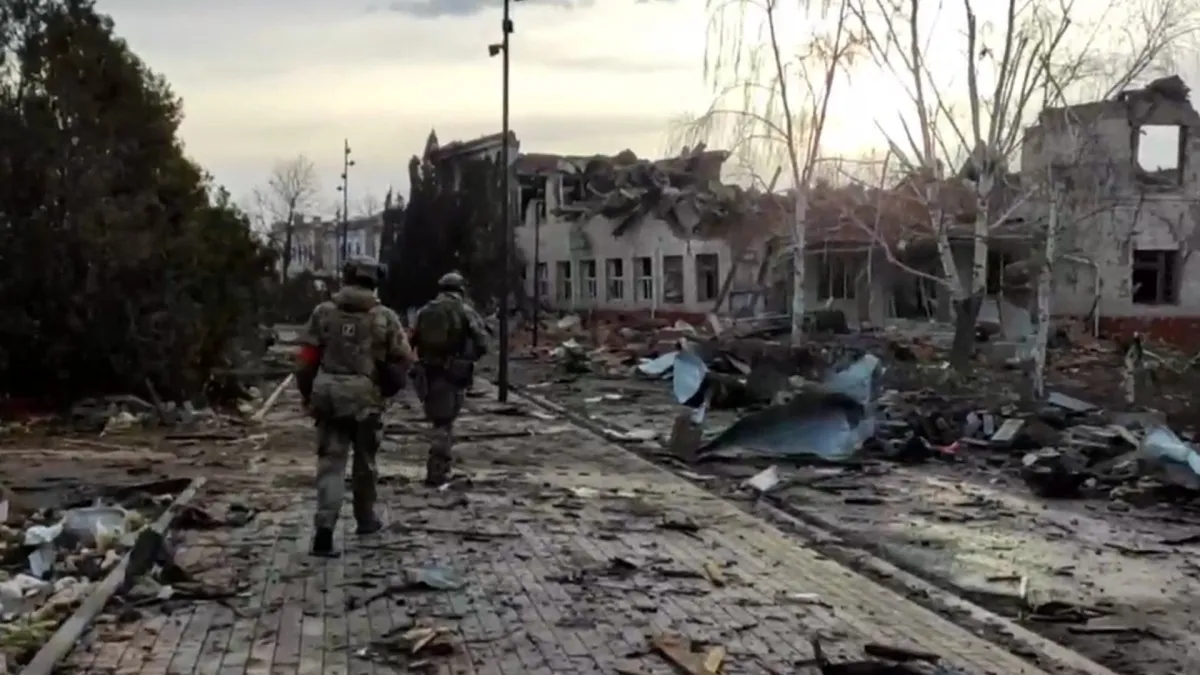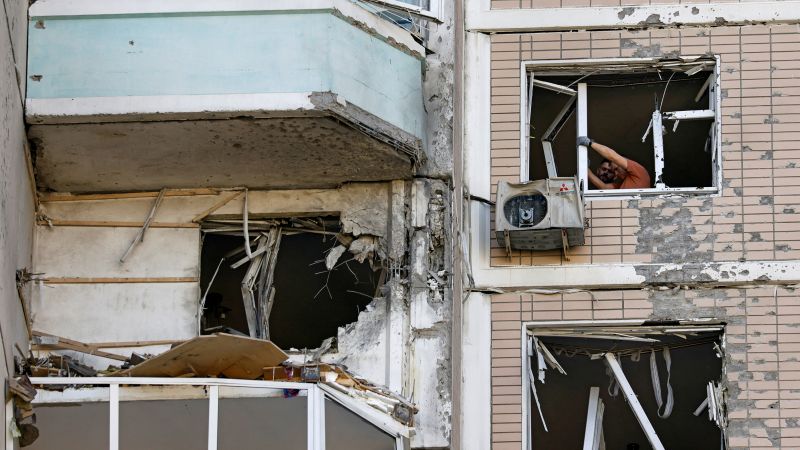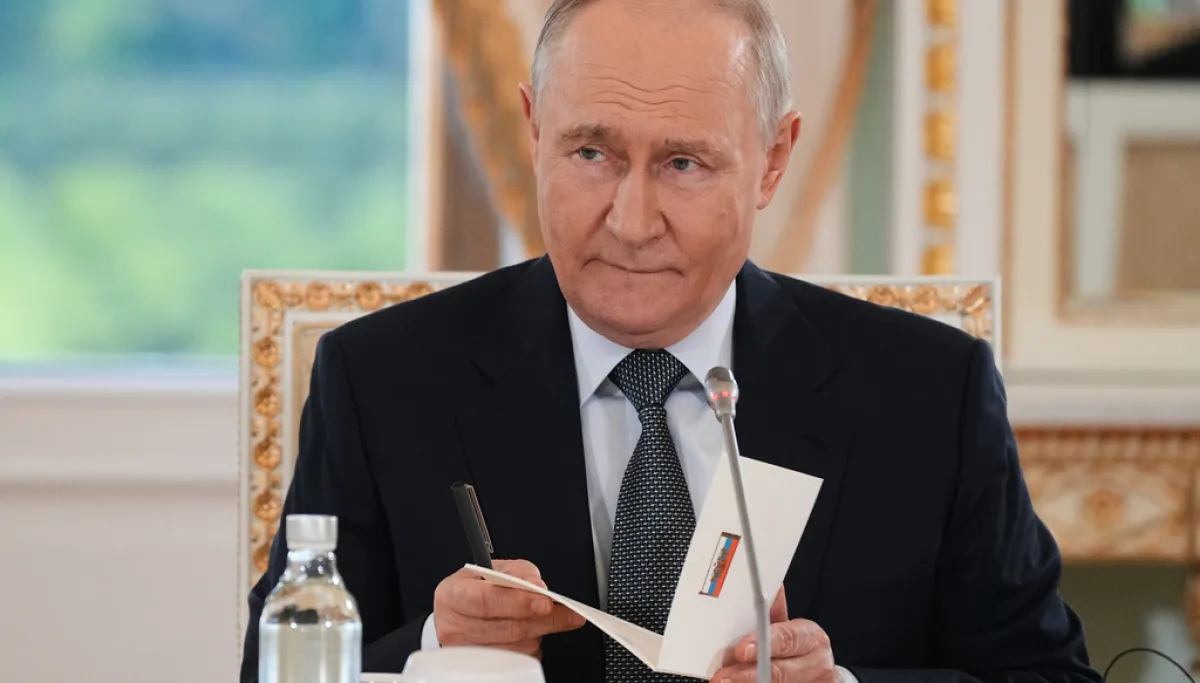
As the war in Ukraine grinds into the summer of 2026, the question of a ceasefire has shifted from a distant hope to a grim, strategic necessity.While the rest of the world is celebrating the FIFA World Cup, Russia is mourning its dead.The grand illusions of rapid conquest have shattered, replaced by a structural crisis that is rapidly closing in on the Kremlin.
Unprecedented external pressure
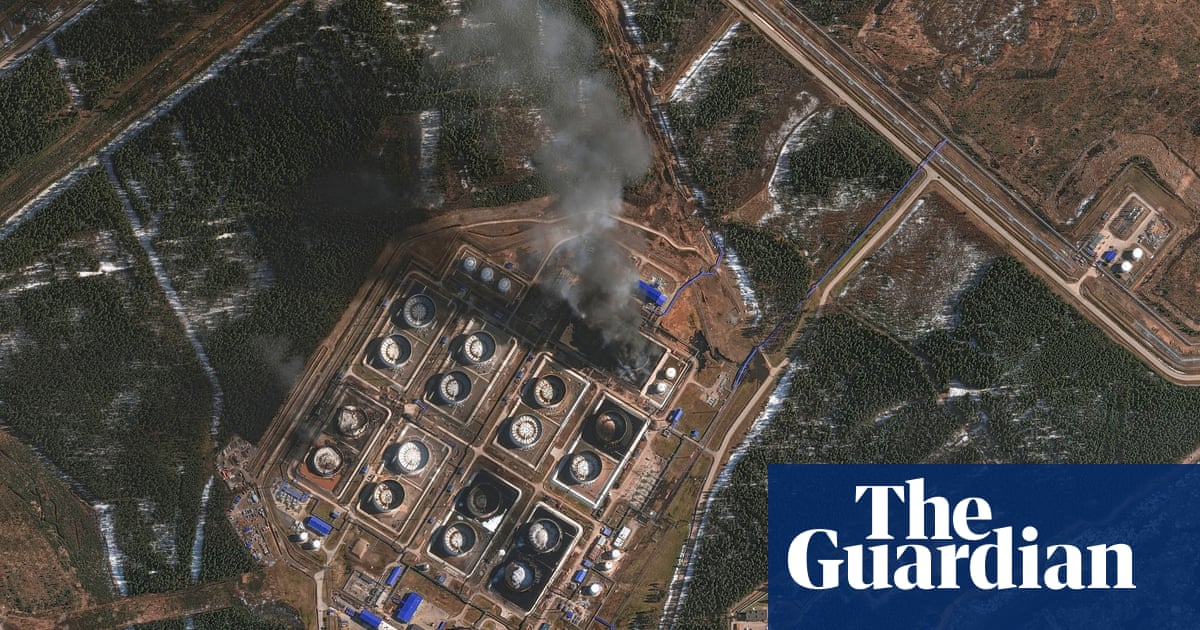
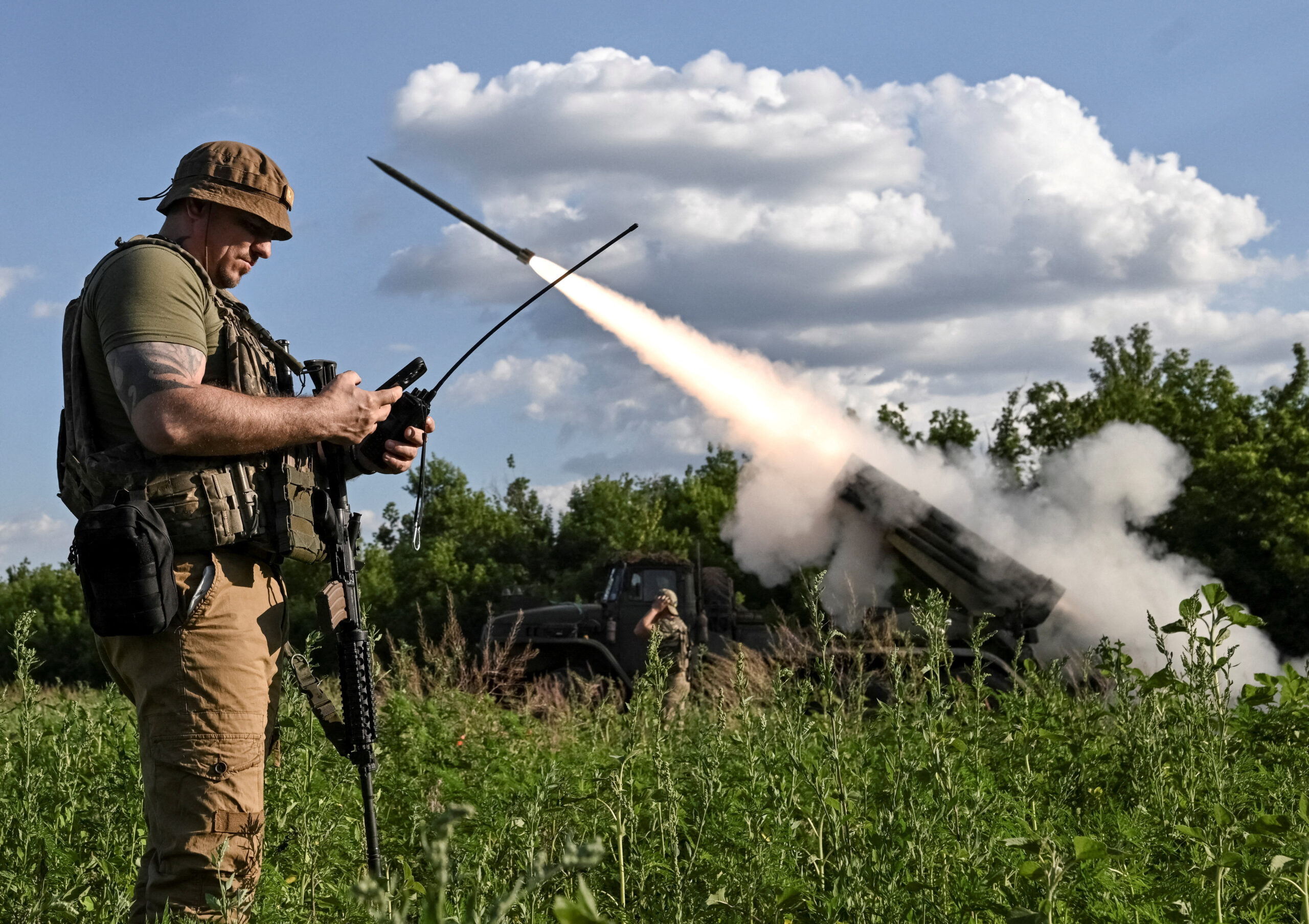
These cascading failures are being accelerated by a series of devastating geopolitical and military shifts. Ukraine’s elevated deep-strike capabilities — now penetrating deeper into the Russian heartland than ever before — are systematically dismantling Moscow’s domestic war infrastructure, targeting a vast network of oil refineries, defense plants, and communication centers.Simultaneously, the international community is tightening the vise. NATO has authorized an immediate $80 million strategic support package to bolster Kyiv’s frontlines, while the Trump administration has greenlit a landmark agreement granting Ukraine the license to domestically produce its own Patriot interceptor missiles, ensuring a sustainable, high-tech air defense shield.Economically, the U.S. Senate is tightening the screws. In a final legislative push led by the late Sen. Lindsey Graham, lawmakers aim to slap secondary tariff sanctions on China and India for continuing to buy Russian oil. This is no Western bluff: the restrictions are already squeezing Russia’s financial lifelines and complicating its “shadow fleet” exports. With Beijing and New Delhi’s oil pipelines under threat, the resulting economic chokehold could make a prolonged war impossible to sustain.The frontline impasse and economic strain