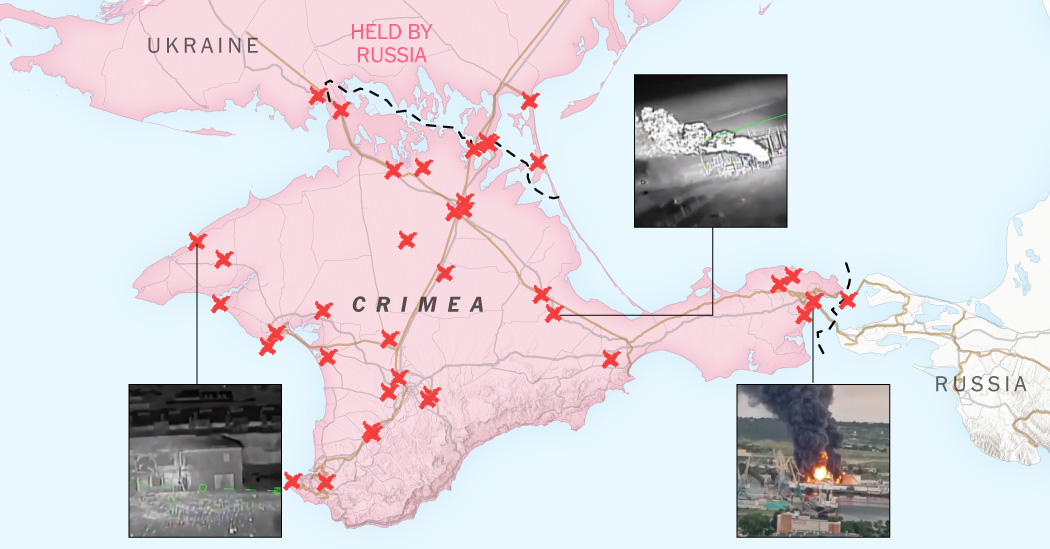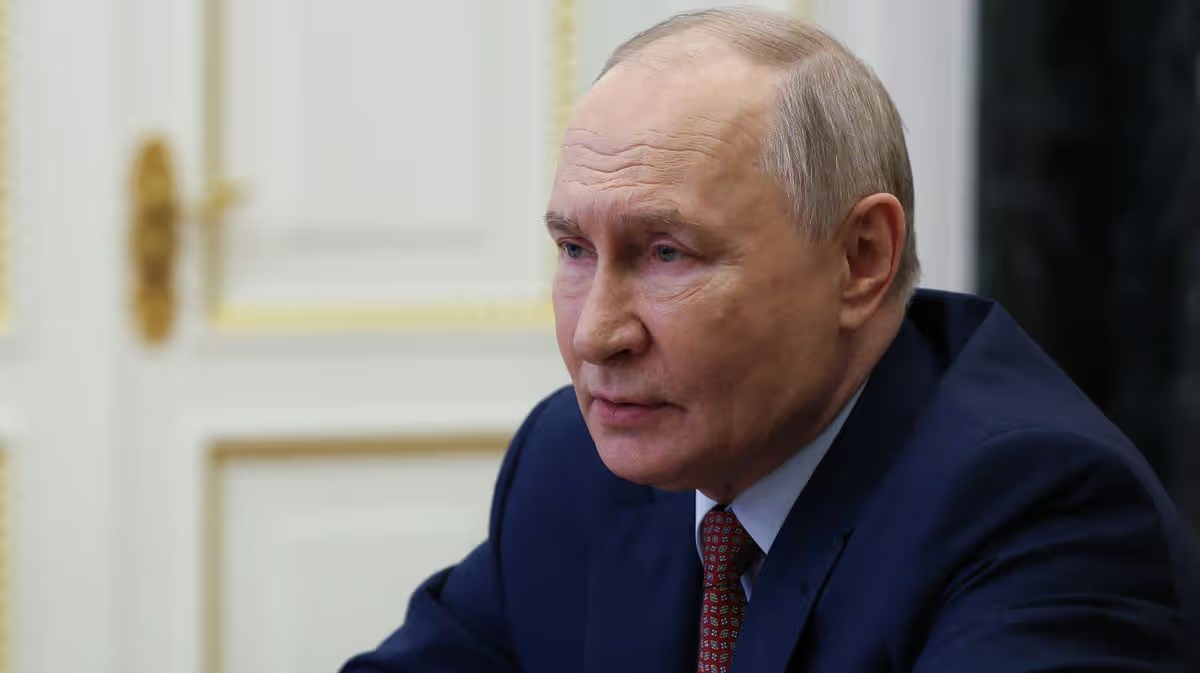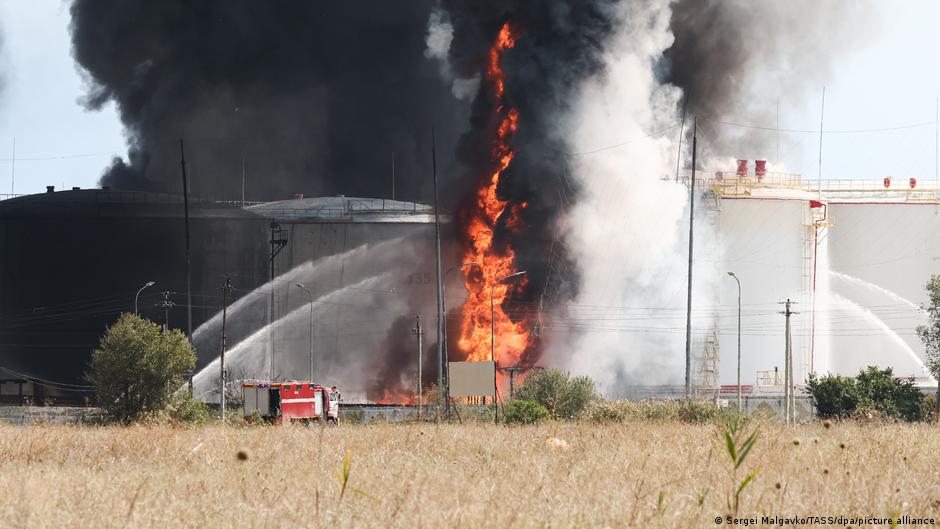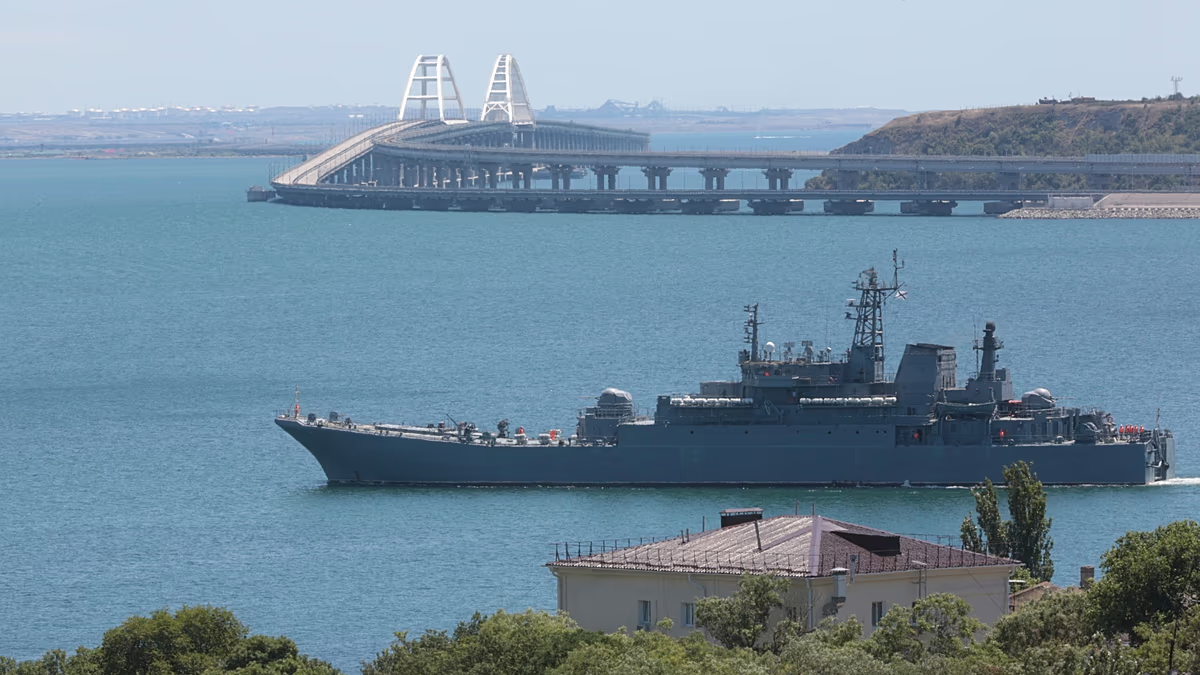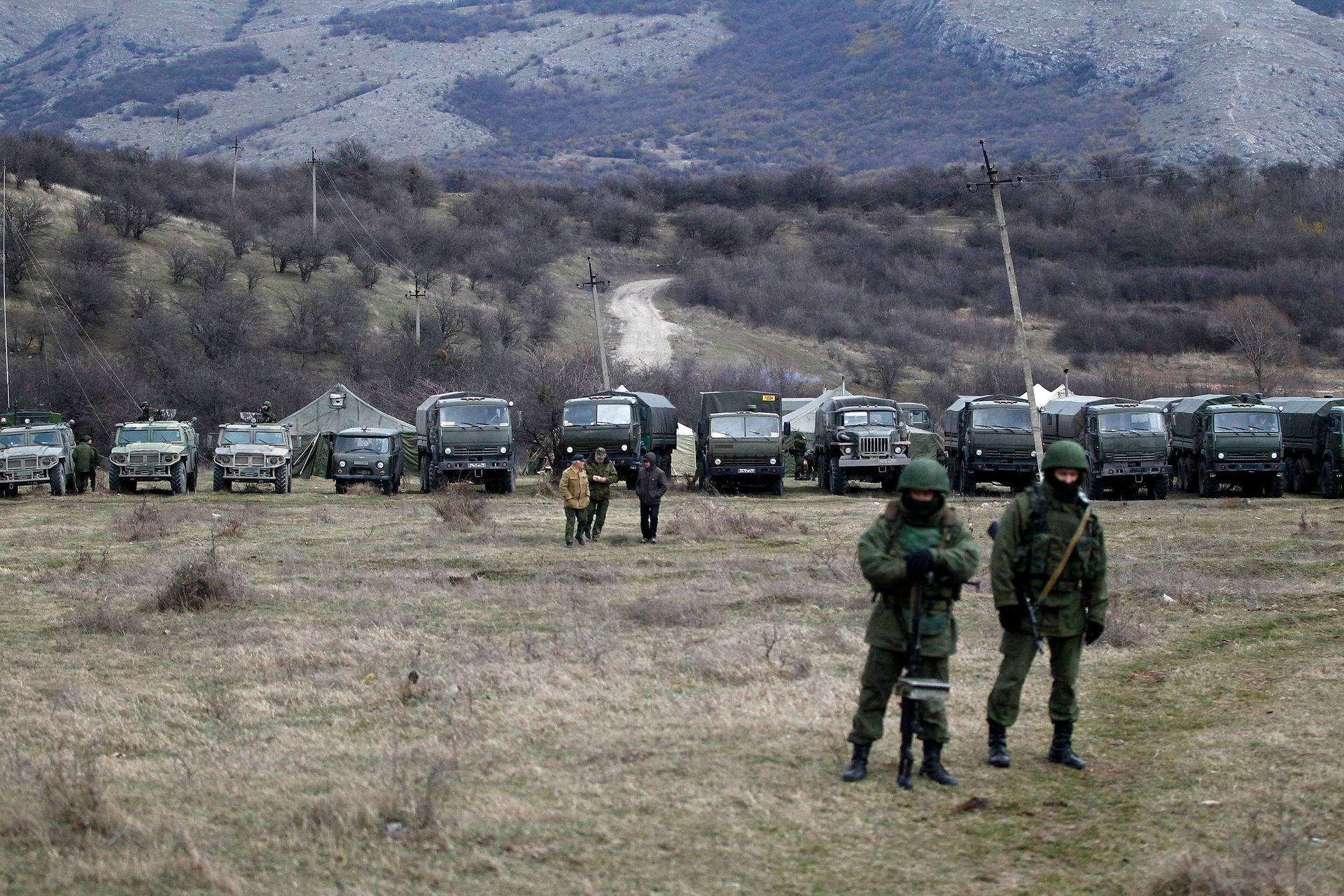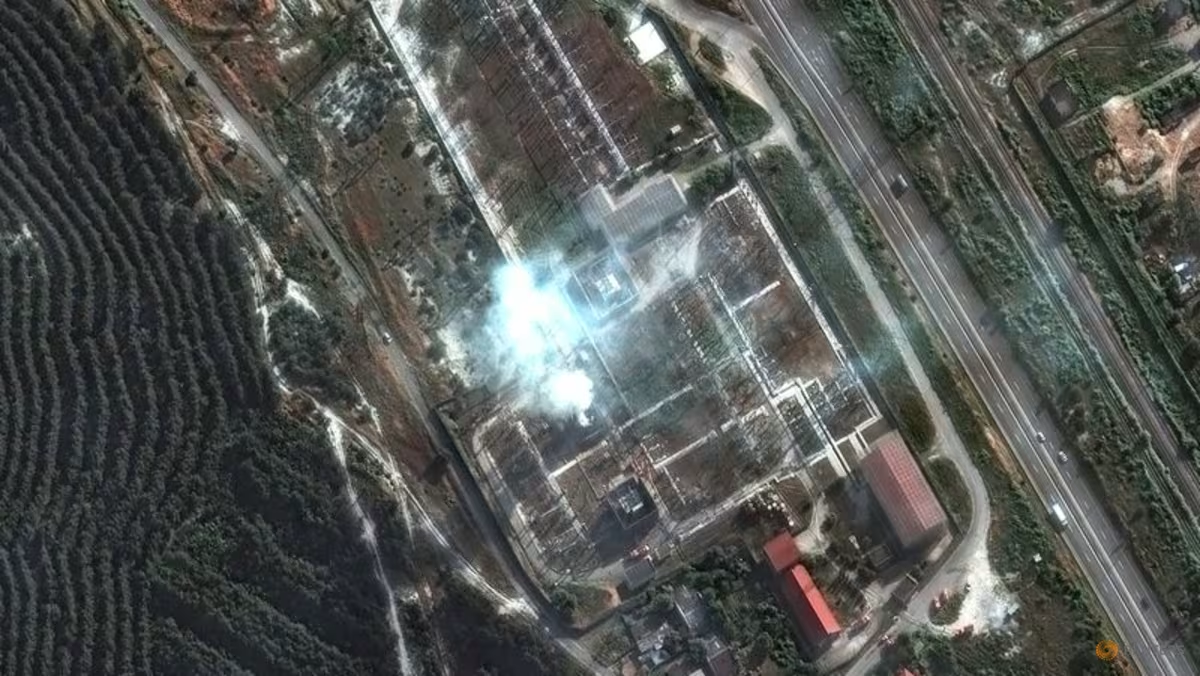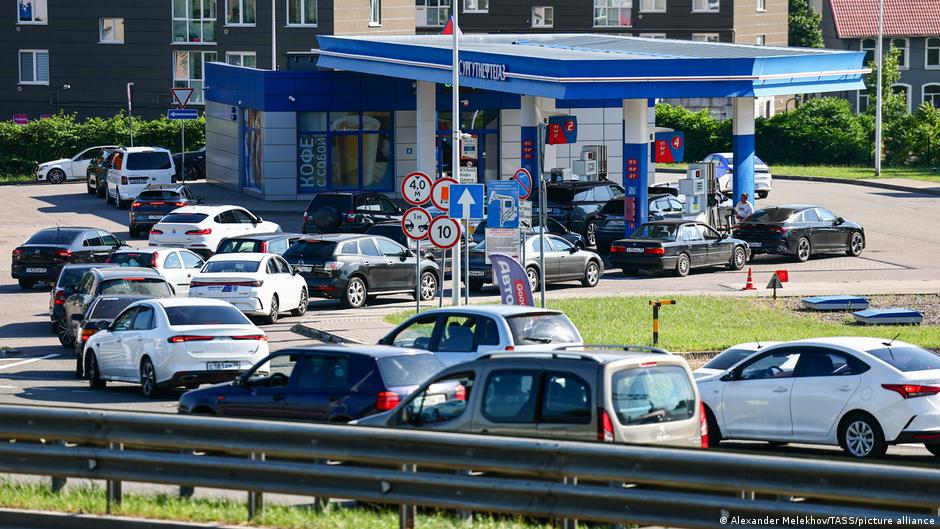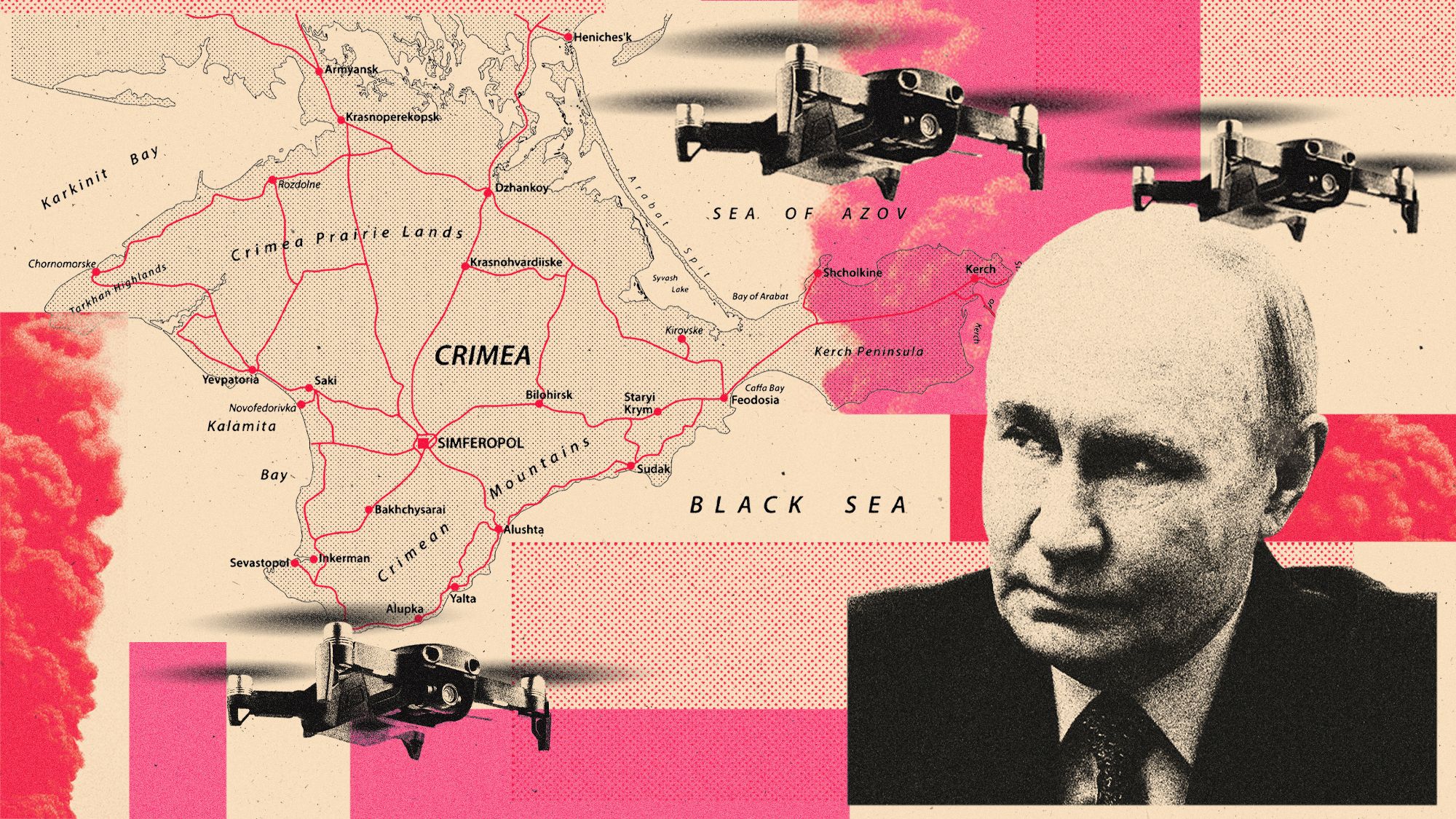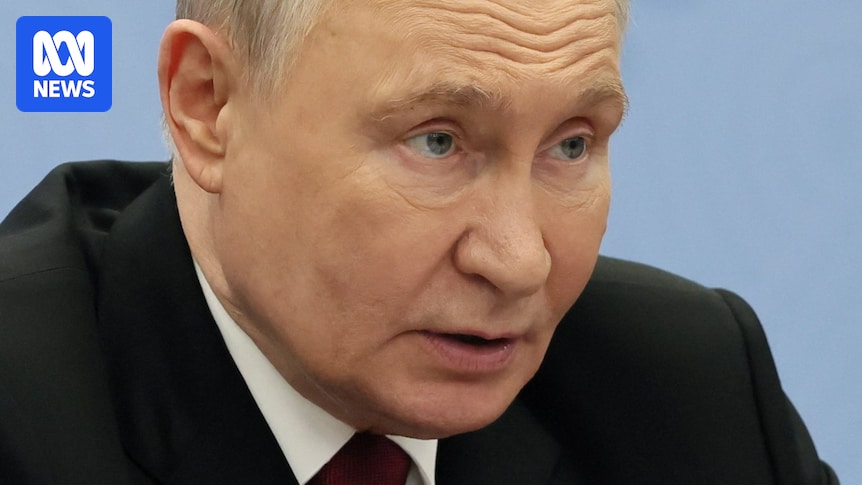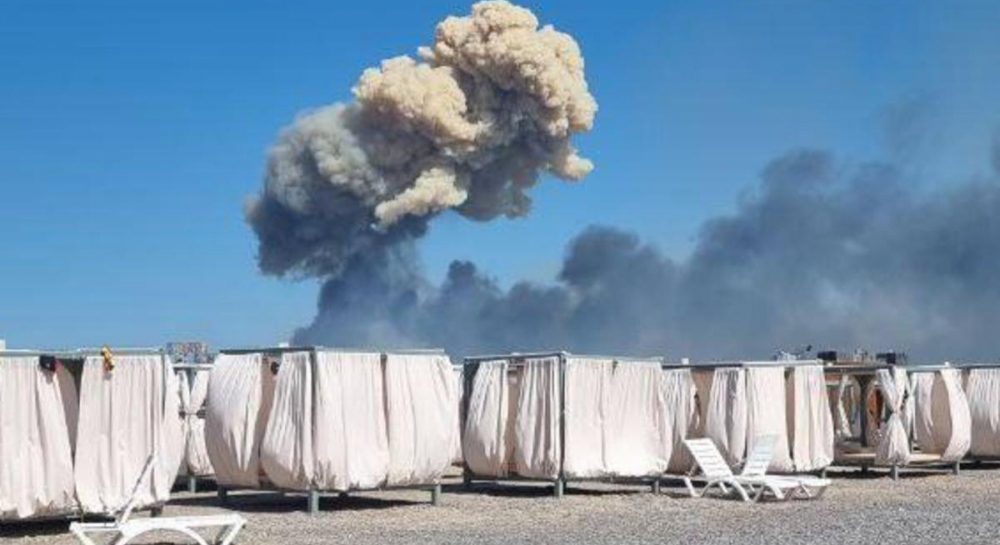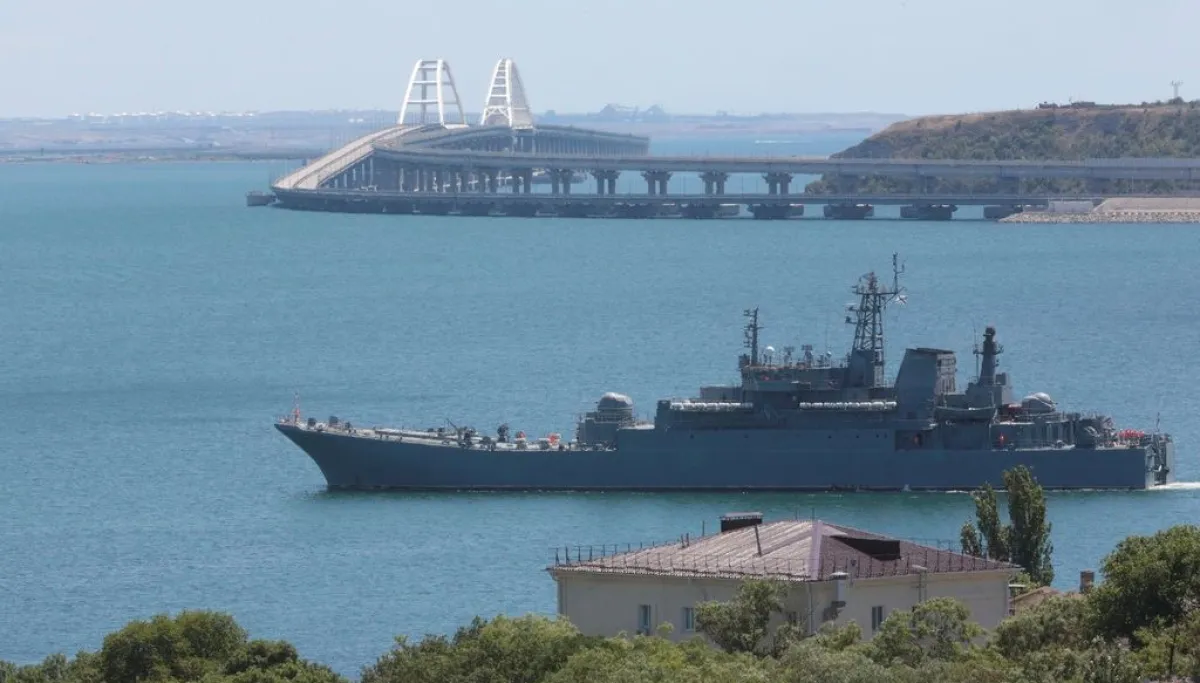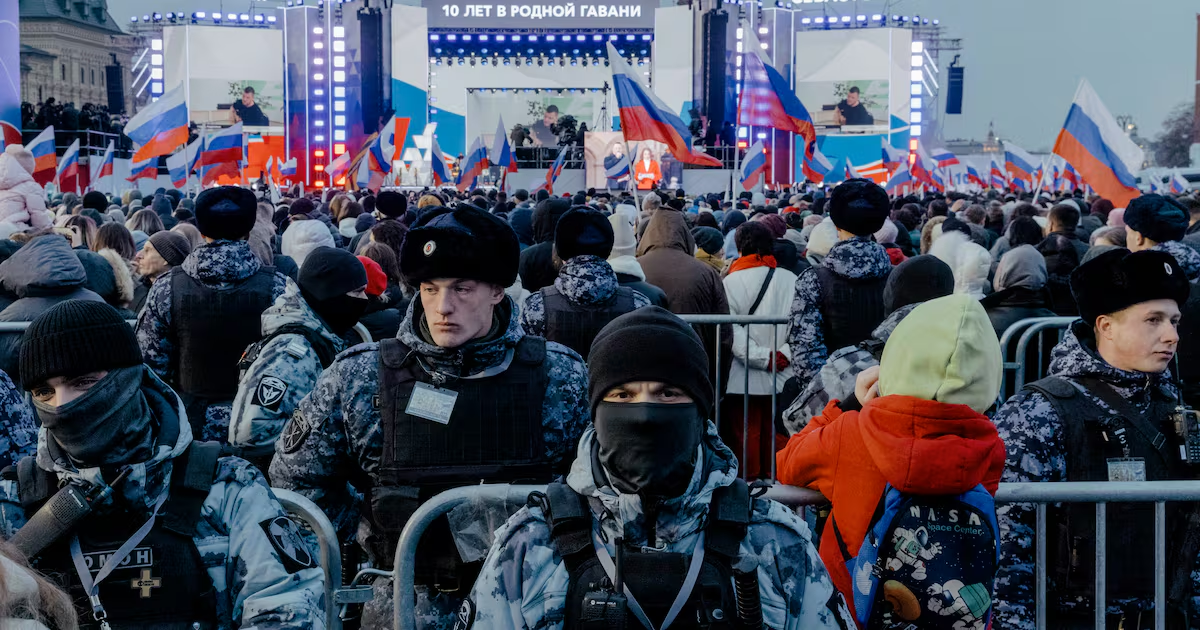
Ukraine is trying to turn Crimea into a new pressure point for the Kremlin, aiming to inflict so much pain on a region especially dear to Russian president Vladimir Putin that he will agree to end the war.Crimea has long been a flashpoint between the two countries, even before Russia captured the region – a peninsula jutting into the Black Sea – and annexed it in 2014.Since the days of Catherine the Great, Crimea has functioned as a Russian military stronghold and a place for faraway Moscow to project its power into the Black Sea. Even when independent Ukraine controlled the territory, Russia kept a huge naval presence in Sevastopol, the peninsula’s biggest city. In 2014, Putin’s military attacks on Ukraine began with an invasion of Crimea, making the peninsula particularly symbolic.In the years since then, Moscow has consolidated its occupation, seeking to fully integrate the population of approximately 2.5 million people into Russia and transform the tourist region into a showcase of its largesse.Now, a surge in Ukrainian strikes targeting Crimea’s supply lines and infrastructure has heightened the tension on the peninsula and ushered in a new phase of wartime uncertainty, as the conflict continues to rage in the rest of Ukraine. Overnight Wednesday into Thursday last week, Russia launched waves of ballistic missiles and drones into Ukraine’s capital of Kyiv, killing at least 27 people, in what appeared to be the Kremlin’s immediate retort to the pressure and the latest signal from Moscow that Putin is digging in.Here are four reasons Crimea has become a pressure point in the war.Cars line up at a petrol station in Simferopol, Crimea. Photograph: AP Daily life is unravelling Thousands of people in Crimea are being hit with prolonged electricity outages. Water supplies that rely on electric pumps have been disrupted. Summer camps for children have been evacuated and shut for the season.Above all, Ukrainian strikes have successfully disrupted fuel supplies. The authorities tried to ration petrol but eventually announced that sales to the public were largely stopping, with fuel mostly reserved for municipal and emergency services. Extra supplies are sometimes sold to the public.In Sevastopol, the governor sends updates on fuel to residents on social media, periodically flagging a few petrol stations that will be open.In an interview last week, Putin broke his silence on what has been going on in Crimea, assuring residents that “all the needs are going to be met” and pledging to boost supplies by sea and land.But the Moscow-backed head of Crimea, Sergei Aksyonov, warned in a video posted on the Russian social media network VK that “large volumes of fuel won’t be for sale in the immediate future”.Ukraine has targeted military infrastructure, power stations and fuel facilities and supplies. Several small towns and villages, mostly near Russian military bases, have recently experienced daylong blackouts. In Sevastopol, residents along at least 100 streets suffered power outages last week, with authorities imposing emergency cuts lasting for half a day.Smoke generators on the Kerch Strait Bridge in Crimea on June 23rd. Photograph: Vantor The bridge is a last lifeline Ukrainian forces have carried out frequent strikes on ships in the Black Sea and on the isthmus that connects Crimea to the Russian-occupied part of the Kherson region on the mainland. That means there is essentially only one way in and out: the Kerch Strait Bridge.Built after Russian annexation, the vehicle and rail bridge connects Russia’s Krasnodar region with the city of Kerch in eastern Crimea. During the war, Ukraine has attacked the bridge multiple times, with one big attack early in the conflict causing substantive damage.Bringing fuel supplies over the bridge to Crimea is particularly risky for Russian authorities because tankers could be attacked by Ukrainian forces looking to potentially destroy the crossing.Heavy trucks have been banned from the bridge since 2022, when Ukraine mounted an attack using a truck laden with explosives. Security checks of vehicles are often carried out. Russia has also put up drone defences to protect the vital crossing, including installations that shoot out smoke as a visual distraction.If Ukraine escalates its campaign and takes out the bridge, turning the region into an “island,” as Kyiv promised, the situation for residents in Crimea could grow far worse.Russian Black Sea fleet ships anchored in one of the bays of Sevastopol, Crimea. Photograph: AP Photo Crimea has great symbolic valuePutin has repeatedly described the mostly bloodless annexation of Crimea as one of his major achievements. He has portrayed the seizure as righting a “historic wrong” committed by the Soviet government, which transferred Crimea from the Russian republic to the Ukrainian republic in 1954.Moscow’s seizure of Crimea gave a boost to Putin, whose approval rating shot up to 82 per cent from 60 per cent in two months.Crimea has “the same enormous sacred meaning to Russia” as Jerusalem’s holy sites have for Jews and Muslims, Putin said in 2014, “and this is how we are always going to feel about this, now and forever”.He also argued that he had to take Crimea because Sevastopol was home to the Russian navy’s Black Sea fleet and Ukraine wanted to join Nato. With the demise of the Soviet Union, Russia struck a deal to lease Sevastopol’s naval facilities from Ukraine. Ukrainian attacks have now forced the Russian navy to move the bulk of that fleet out of Sevastopol and Crimea in general.Firefighters put out a blaze in Sevastopol after a Ukrainian drone attack hit a building housing a huge painting depicting the defence of the city during the 19th century Crimean War. Photograph: Mikhail Razvozhaev via Telegram/AP Ukraine has many more drones and missiles Russia attacked Ukraine starting last year with huge swarms of drones that overwhelmed air defences, and, initially, Kyiv could not dispatch drones in similar numbers. But more recently, Ukraine has significantly stepped up its domestic production of drones and missiles and focused on making weaponry without parts imported from China.Those efforts have borne fruit. Ukraine has carried out deep strikes on Crimea, Moscow and other parts of Russia, which Ukrainian president Volodymyr Zelenskiy has called “long-range sanctions”. Ukraine has in particular targeted fuel refineries and caused fuel shortages across Russia. So the attacks have brought the war home for many Russians in a way that more acutely affects daily life.[ Monaco bomb suspect is a Ukrainian woman who ‘disguised herself as a man’Opens in new window ]The air campaign has increased pressure on Putin, who previously managed to insulate much of Russian society from the reality of war. But the Russian leader has projected defiance, saying last week that the attacks will not affect his resolve to conquer the territory in eastern and southern Ukraine that he desires.Ukraine launched the biggest drone attack on Moscow of the war on June 18th. The Russian defence ministry said it shot down nearly 1,000 drones across the country that day. – This article originally appeared in The New York Times.
Why Crimea has become so important in the Ukraine conflict
With attacks on the occupied peninsula, Kyiv hopes to pressure Putin to end the war
1,151 words~5 min read