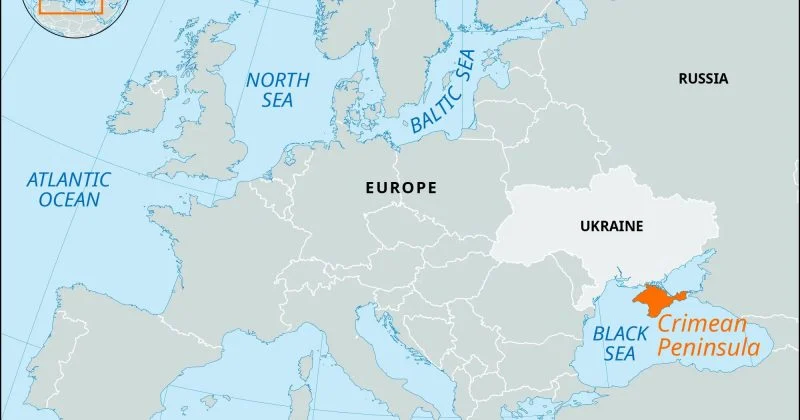
In 1954, Soviet leader Nikita Khrushchev transferred Crimea from Russia to Ukraine to commemorate the 300th anniversary of the Treaty of Pereyaslav, in which Cossacks from eastern Ukraine pledged allegiance to the tsar. During the ensuing decades of Soviet rule, such gerrymandering did not mean much — the Kremlin ruled all republics with an iron fist.When the Soviet Union teetered, however, conflict loomed large. Even before the Soviet collapse, fighting erupted between Azerbaijan and Armenia over Nagorno-Karabakh, an Armenian enclave that Joseph Stalin had transferred to Azerbaijan, albeit with supposed autonomy. To forestall the eruption of other conflicts, Soviet successor states, including Russia itself, issued the Alma-Ata Declaration of 1991, formalizing the dissolution of the Soviet Union, affirming the Commonwealth of Independent States and, most importantly, maintaining the sanctity of existing borders. Whatever desire Moscow had to control Crimea, it signed away.But Ukrainians knew how rapacious Russia could be. In exchange for the forfeiture of their nuclear weapons, in the 1994 Budapest Memorandum, Ukraine solicited the commitment of Russia, the United States, and the United Kingdom to defend its borders. President Barack Obama undercut any hope for future diplomacy when, upon the Russian invasion of Crimea, he stood down and showed U.S. word to be without meaning.
Prepare for the expulsion of Crimean Russians
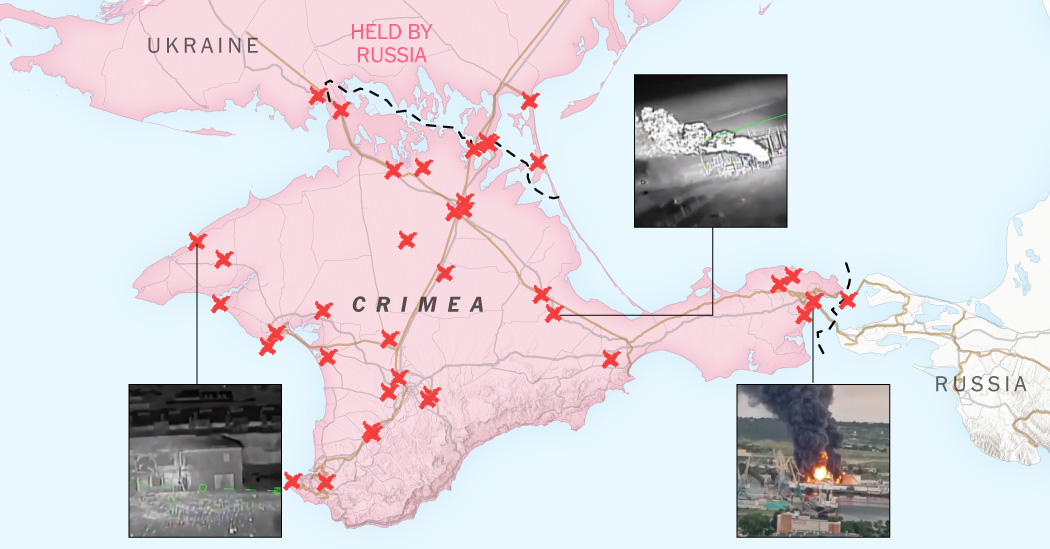
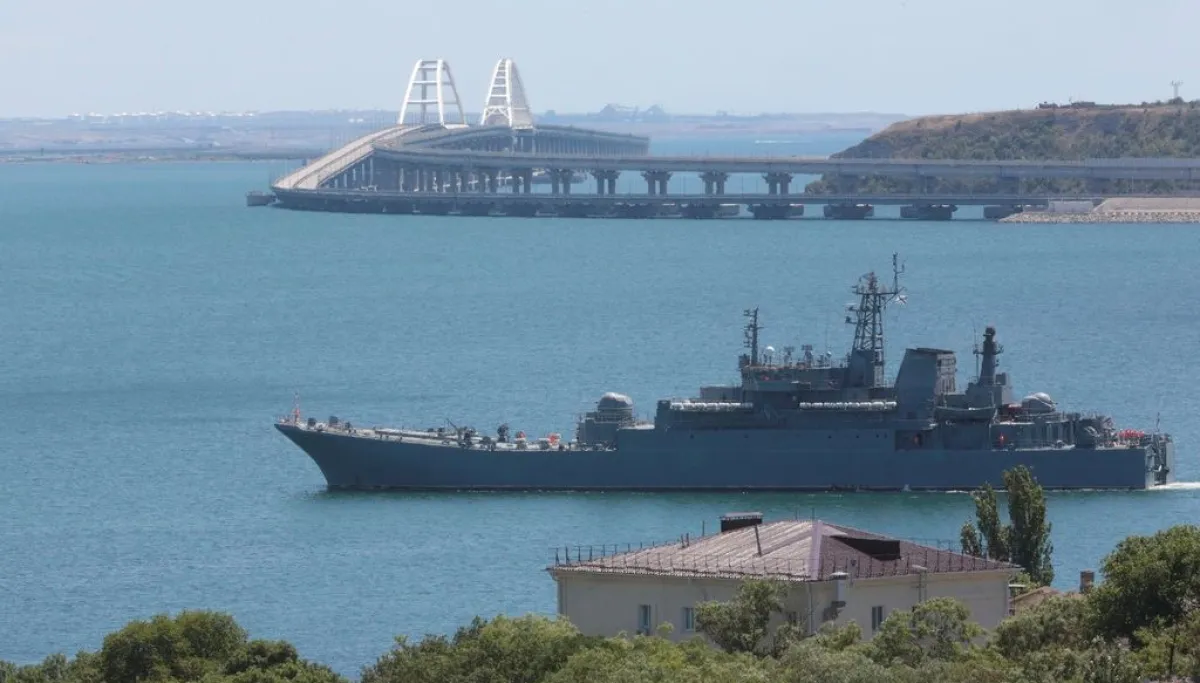
Russia's crisis in Crimea is growing. Moscow will soon be forced to evacuate civilians from the occupied Ukrainian peninsula.
732 words~3 min read