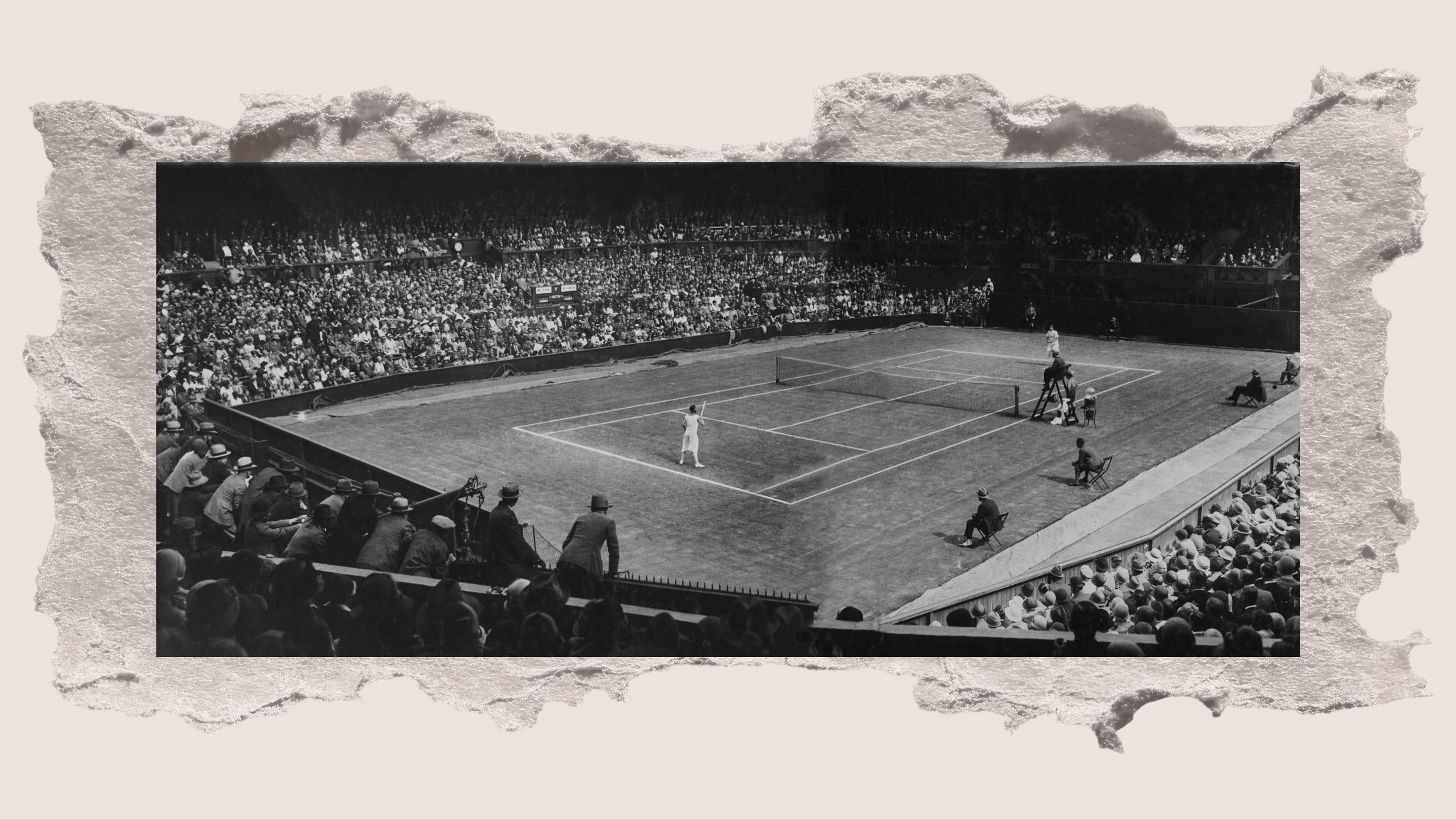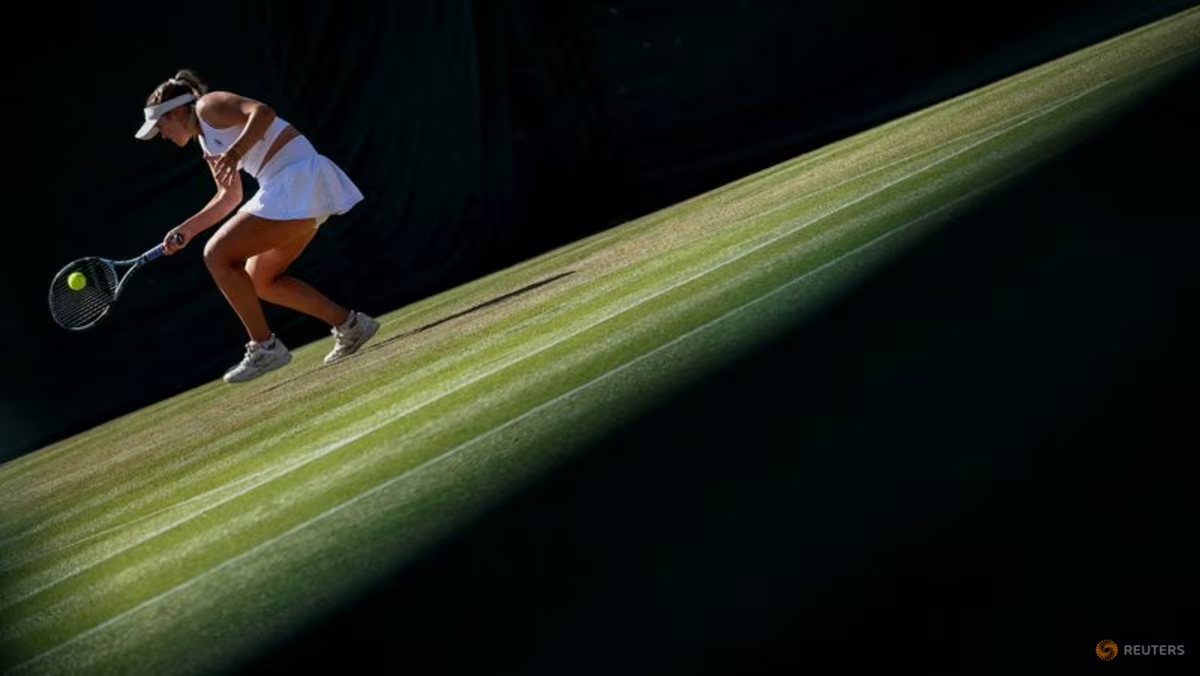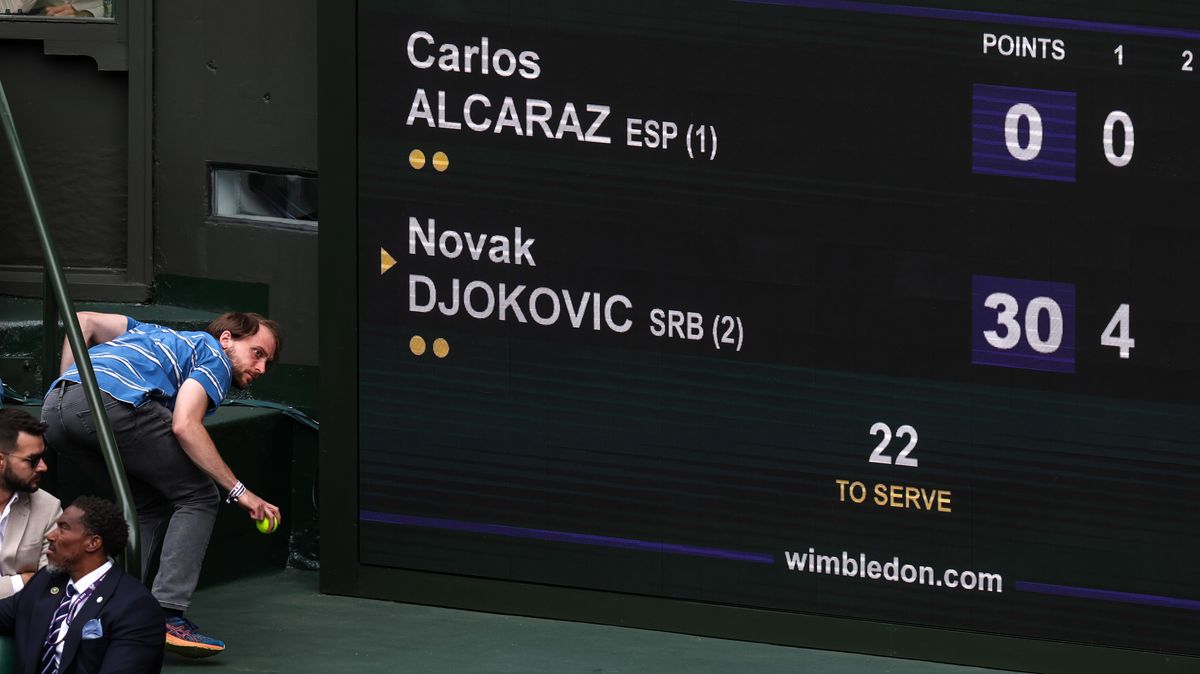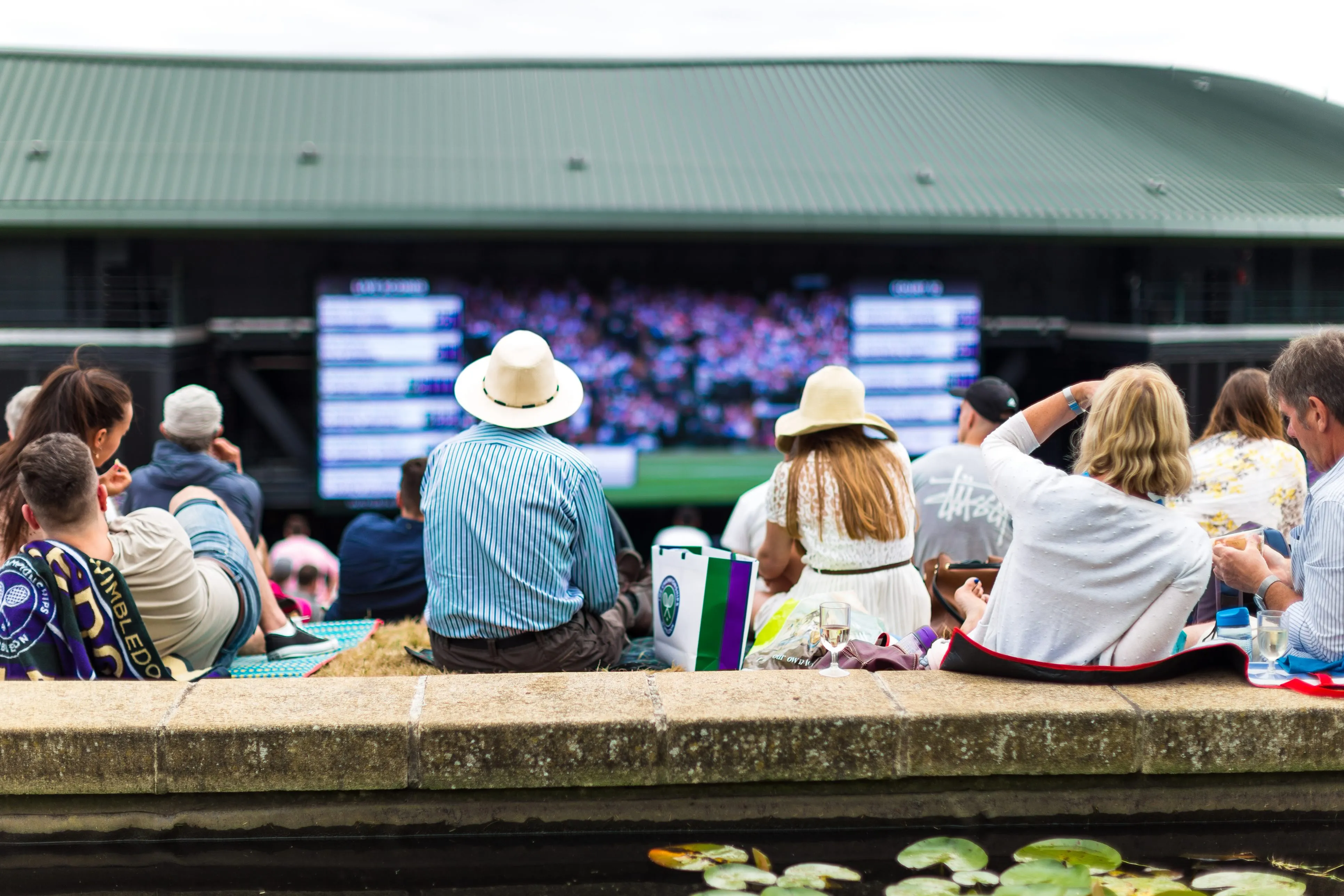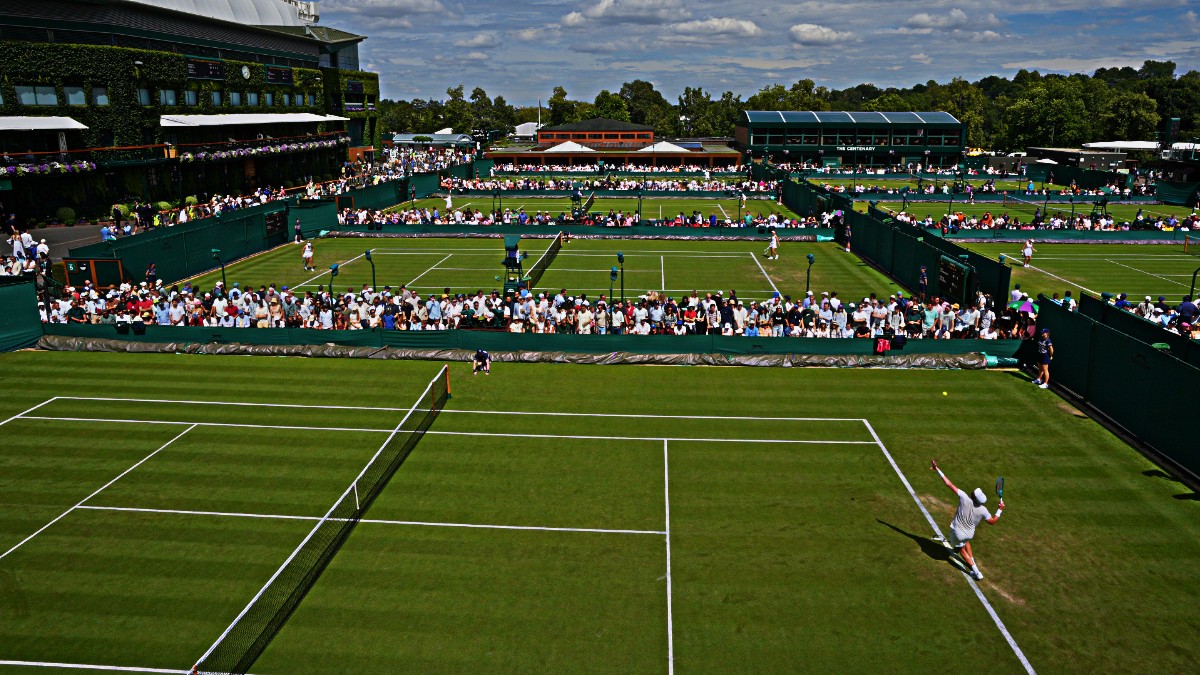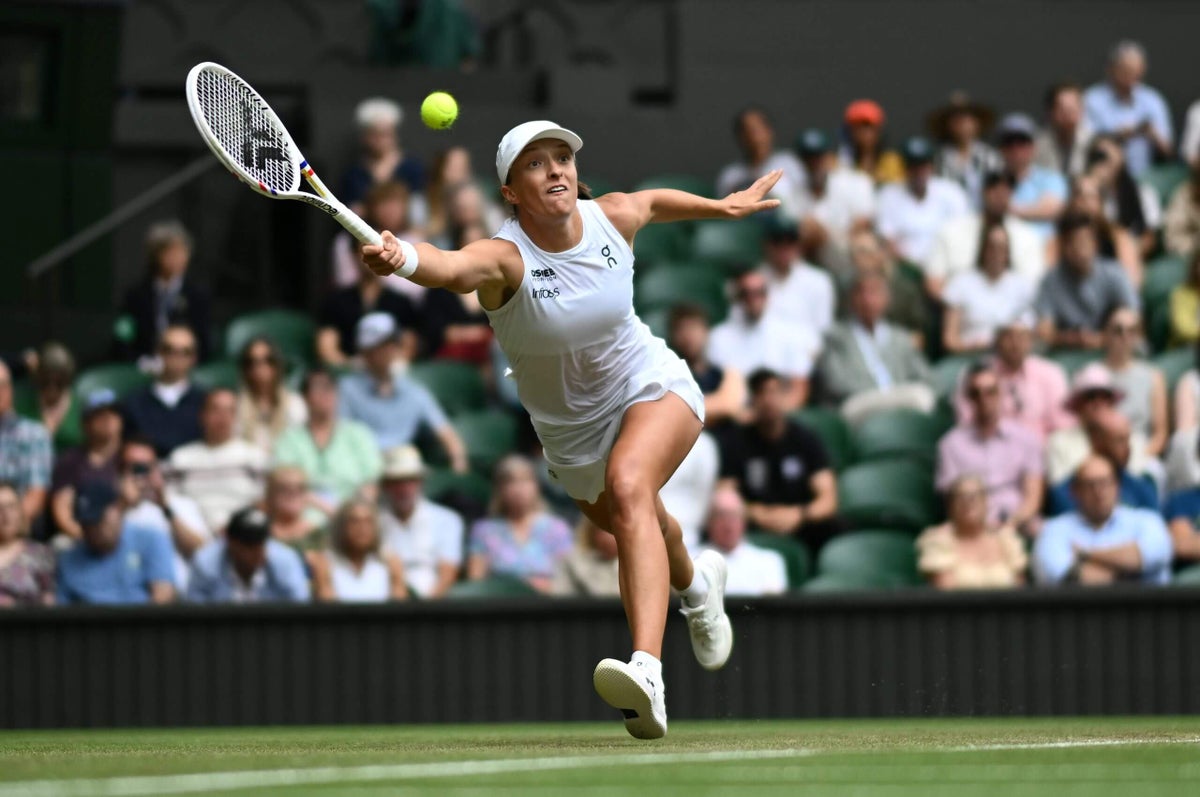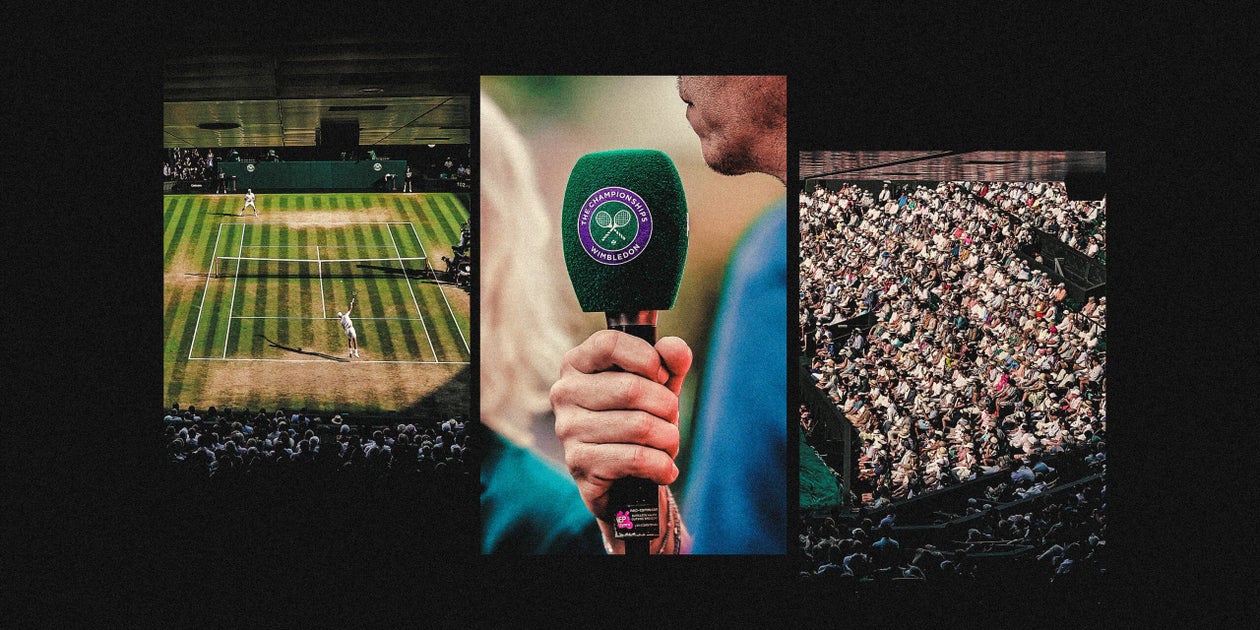
THE ALL ENGLAND CLUB, London — A ball kid scurries along the net before crouching down. The wind ruffles the hem of a skirt. A player wipes the bead of sweat from their brow. They prepare to serve, bouncing the ball, once, twice, three times.Then it arrives. The percussive thwock of strings meeting ball.No words have more impact than that sound, and when fans watch tennis on television, they do so in silence. The movements of the players, the geometries that they craft and their speed of thought and shot are all there for them to see. For a commentator, to talk would be to get in the way.“That’s sacrilege,” Jonathan Overend, a tennis commentator for over 25 years, currently with Sky Sports and previously BBC Radio, said during an interview at Wimbledon. Overend, 53, views tennis commentary as a musical composition, guided by the rhythm of not just the games, sets and matches, but of the action itself.The server receives the balls. The point plays out. The crowd reacts. The process repeats.But on the radio, if there is no talking, there is no match, and no tennis. The words are the sport. This division, which sets tennis apart from nearly every sport, aside from snooker and some other target sports like curling, is intrinsic to the art of commentating on it.That art has evolved just as tennis — and its place in wider culture — has done. Radio commentary now often includes conversational breaks, interjections from different kinds of personalities in the commentary box and even what fans are seeing with their own eyes — or hearing with their own ears — at home.When Andy Murray was on the verge of his maiden 2013 Wimbledon win, BBC Radio 5 Live received messages from people in the strangest of places, from hot air balloons to supermarket car parks, reliant on the radio to know what was happening on one of the most historic recent days in British sport.Grand Slam tournaments, which sell their television media rights for hundreds of millions of dollars, have embraced radio not only as an additive audience experience, but also as a commentary vehicle they can market and promote as their own. Wimbledon and the U.S. Open provide radio services for fans on the grounds, who can put on earpieces and hear insights as they sit on court, but the real art of radio commentary is in painting a picture of a match that is otherwise unseen.The key to tennis commentating? Feeling the momentCharlotte Harpur“I want people sitting at home to feel like they are here,” Gigi Salmon, presenter and TV and radio commentator for Sky Sports and BBC Radio 5 Live, said during an interview at Wimbledon.Salmon, 49, opts to describe every ball in a rally. “I just get lost in a world, storytelling,” she said. “That’s how my passion for the sport comes out.”Here’s how she called seven-time Wimbledon champion Novak Djokovic’s quarterfinal match point against No. 3 seed Félix Auger-Aliassime:“A second serve, match point Djokovic, he creeps ever closer to the baseline, takes up his position. Second serve into the body, into the hip, the backhand down the line from Djokovic who swivels on the forehand, it goes down the line, the pick up on the backhand from Auger-Aliassime is long.
The art of tennis commentary, where silence is golden and words become pictures
On TV, tennis commentators stay silent to let the points unfurl. On radio, they paint the entire picture of the match with words alone.
1,508 words~7 min read