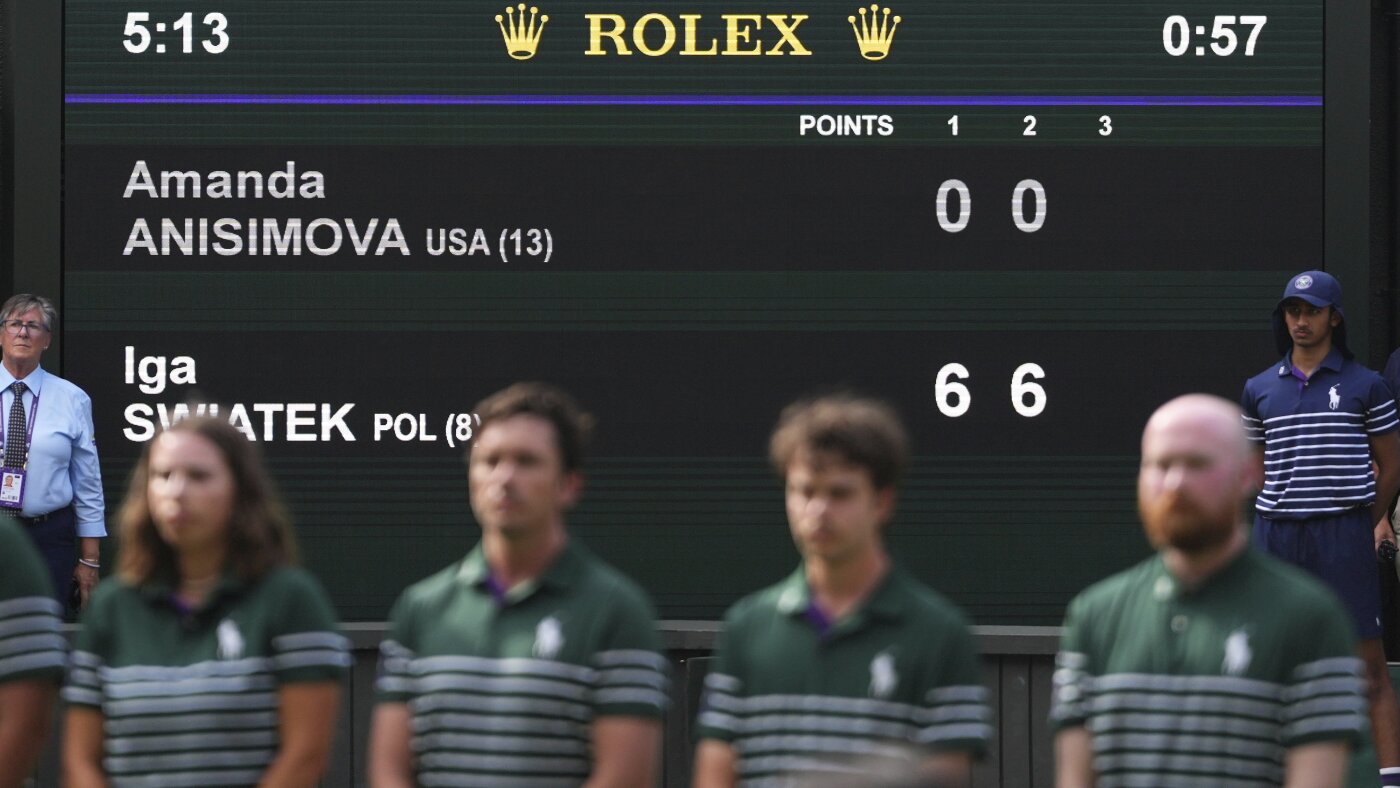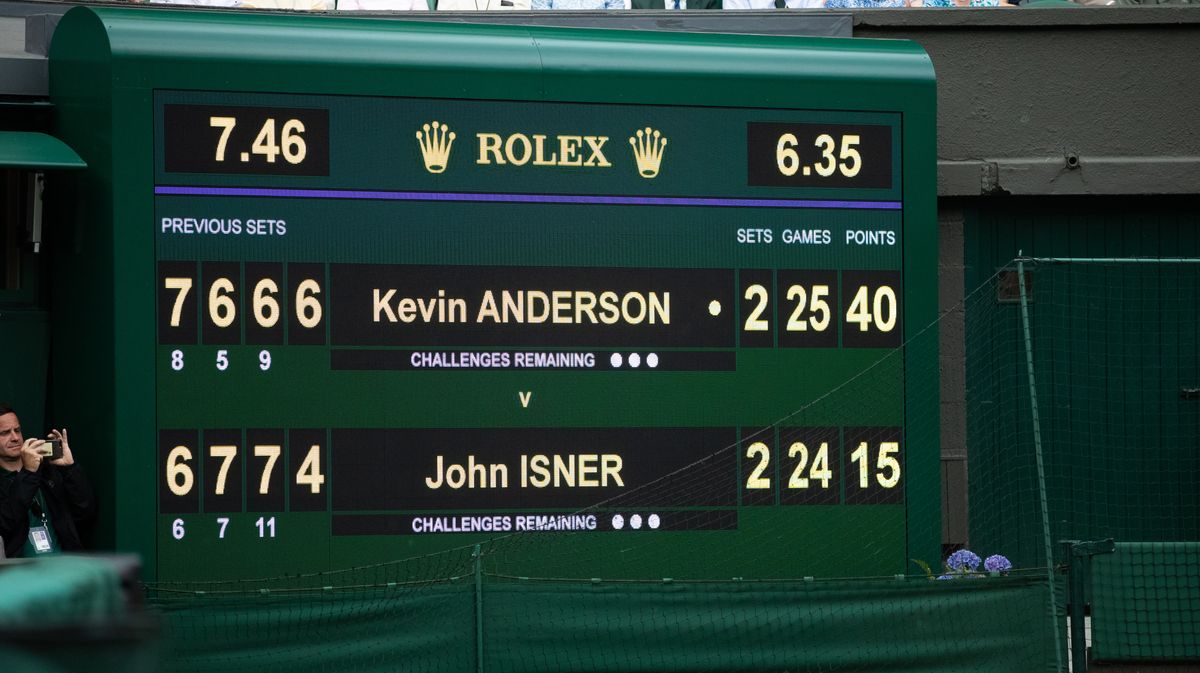
French influence: The most widely accepted explanation for why tennis uses 'love' instead of zero originates from the French word l'œuf , which translates directly to "the egg." Because an egg bears a strong visual resemblance to the number zero, the English allegedly mispronounced the term until it morphed into the word we use today.
Honour theory: Another prominent historical theory suggests the term evolved from the Dutch or Flemish word lof , which translates to honour.
This theory implies a player with zero points is simply participating for the sheer love and honour of the game, rather than for monetary gain.
Medieval origins: The broader scoring format traces its roots back to medieval France and a 12th-century courtyard game called Jeu de Paume , which translates to "game of the palm." Players initially used their bare hands to strike the ball before rackets were eventually introduced, but the eccentric scoring system persisted through the evolution of the sport.
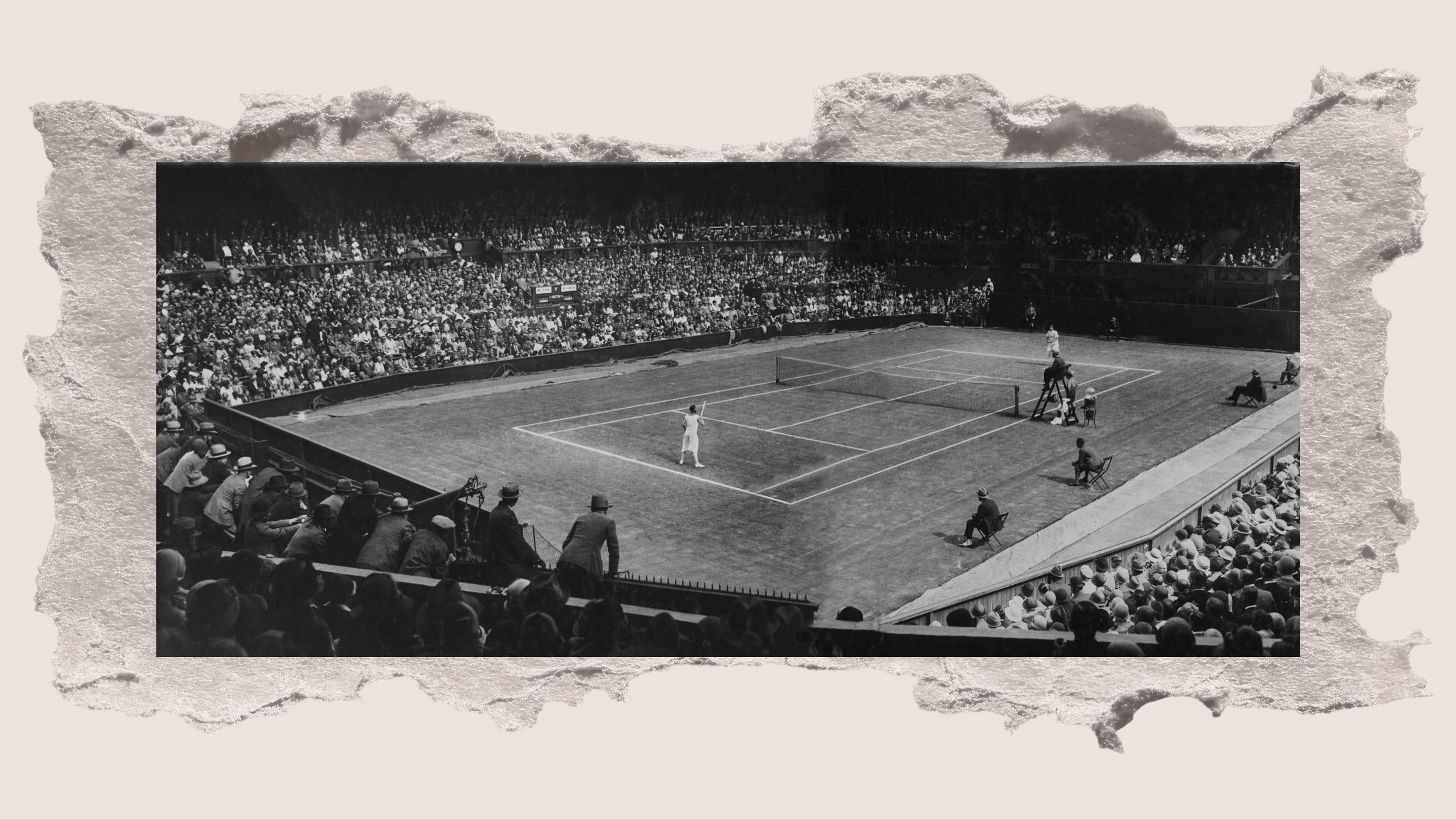
Consistency is key: While modern lawn tennis was officially codified by Major Walter Clopton Wingfield in the 1870s, the core scoring terminology is much older.