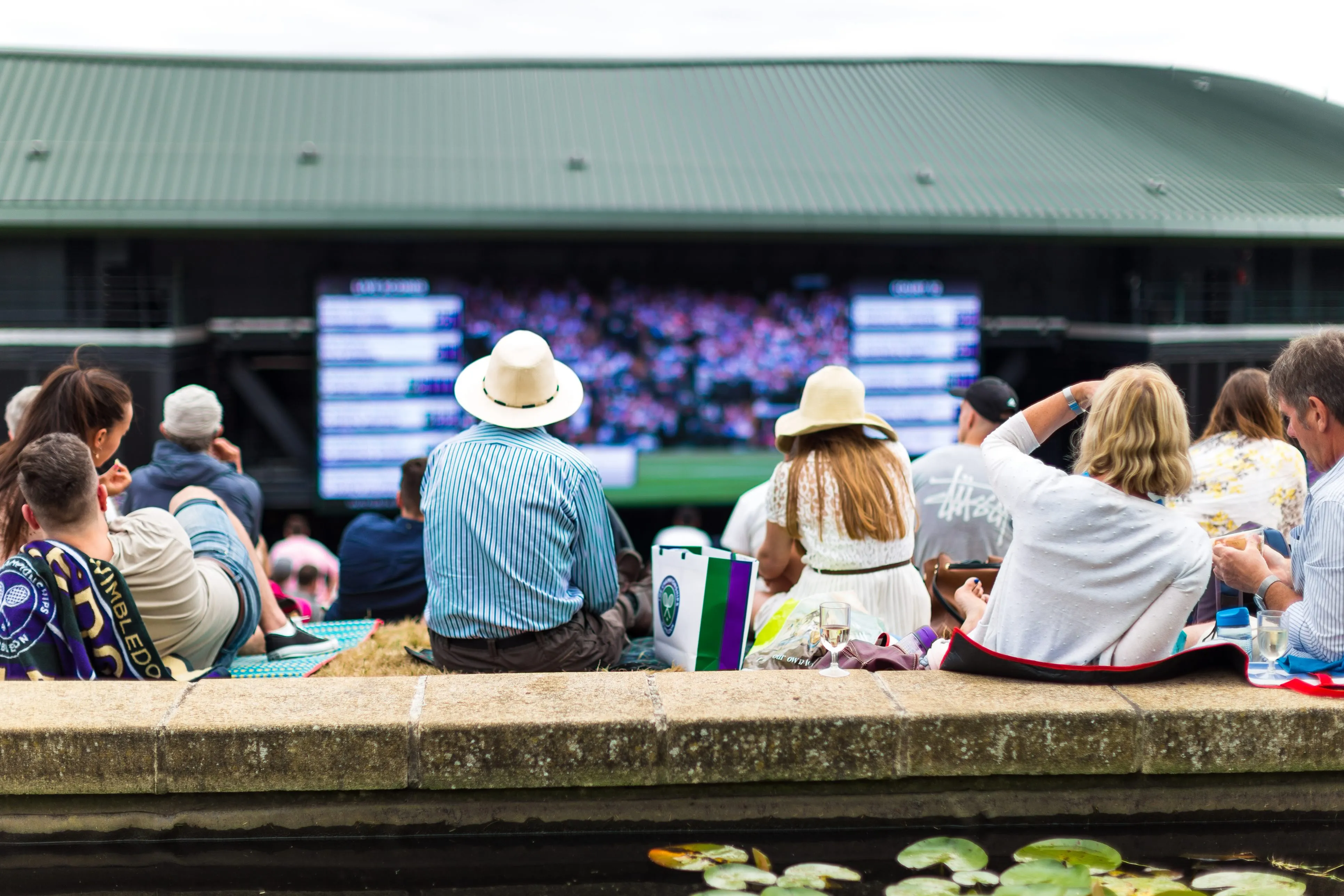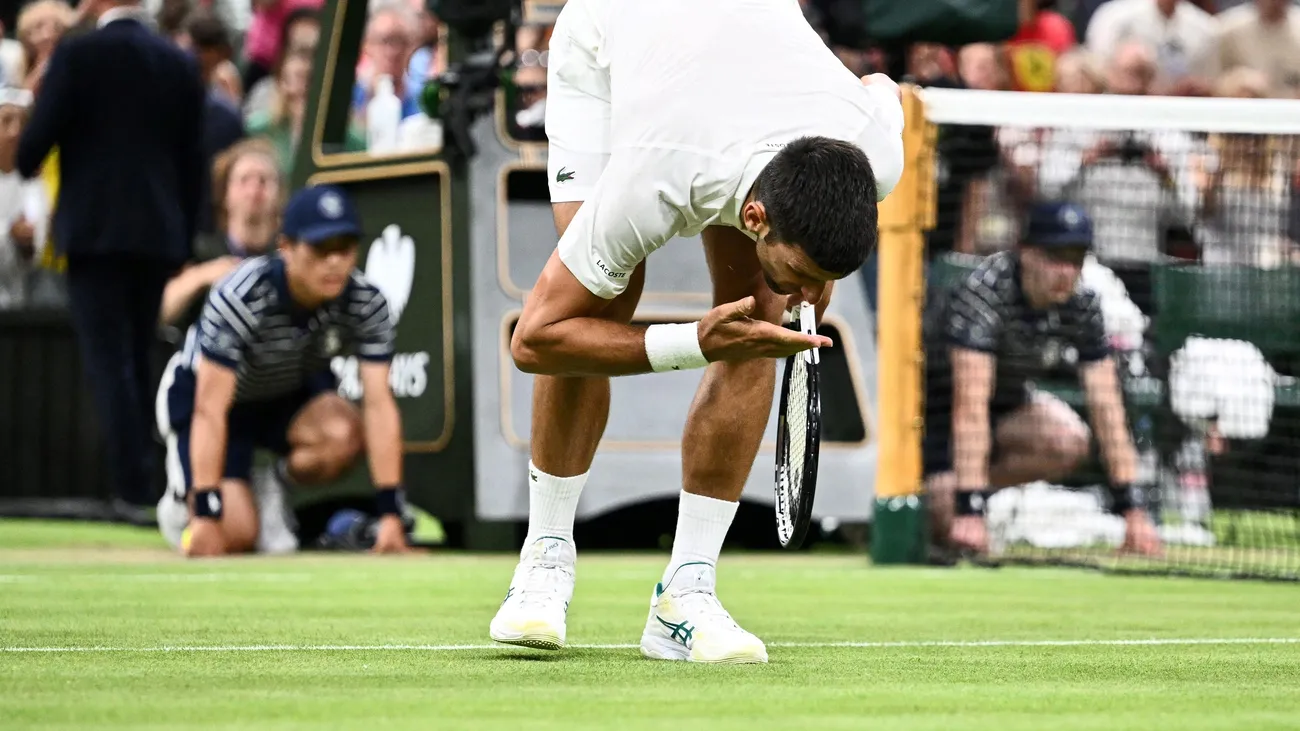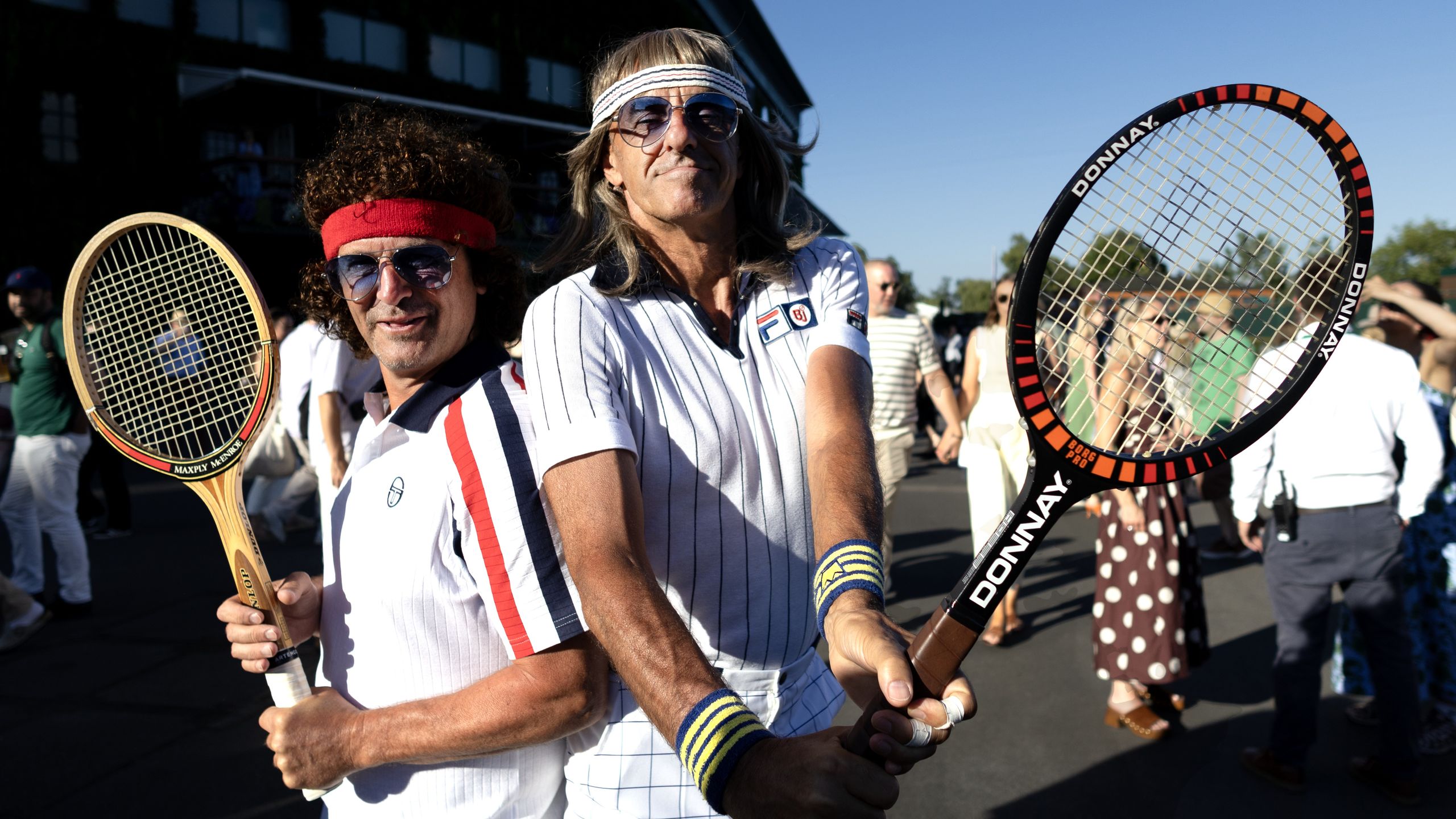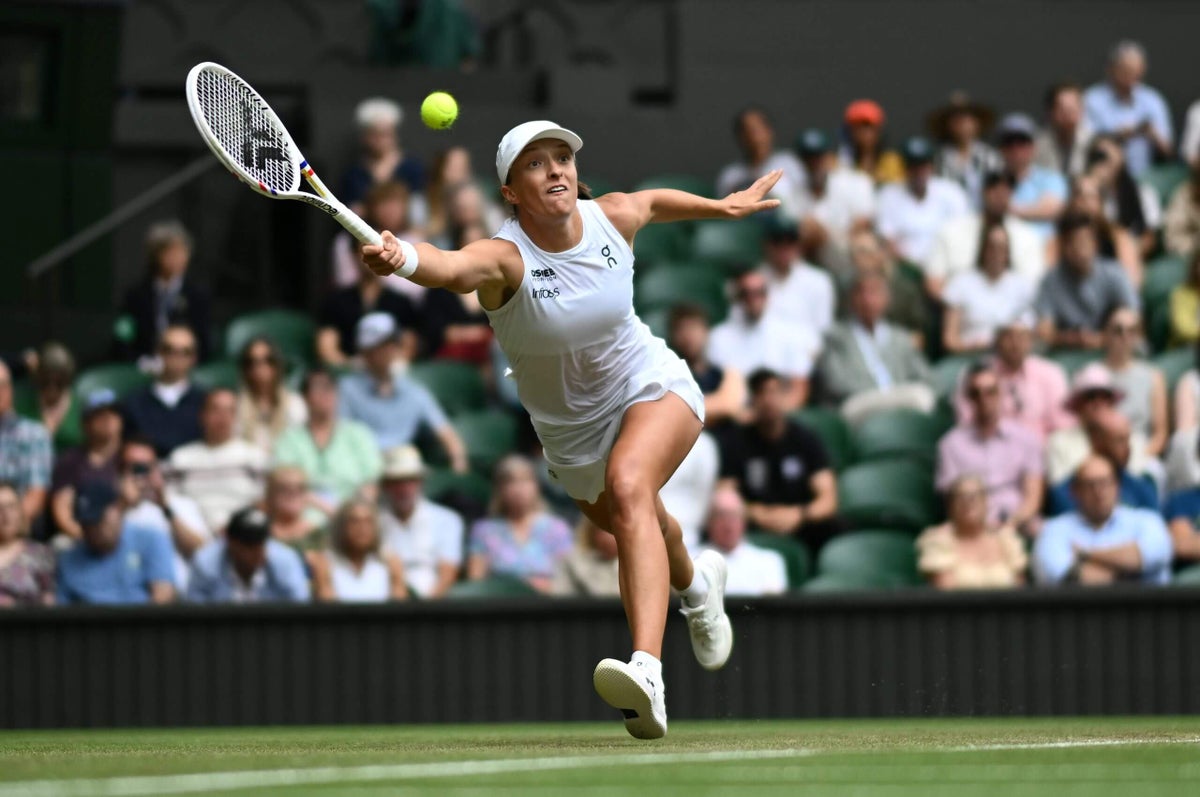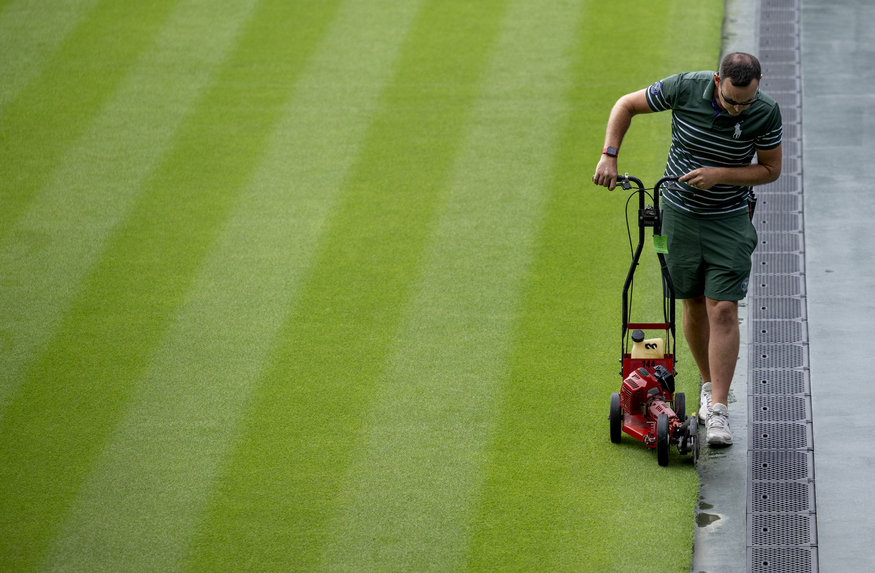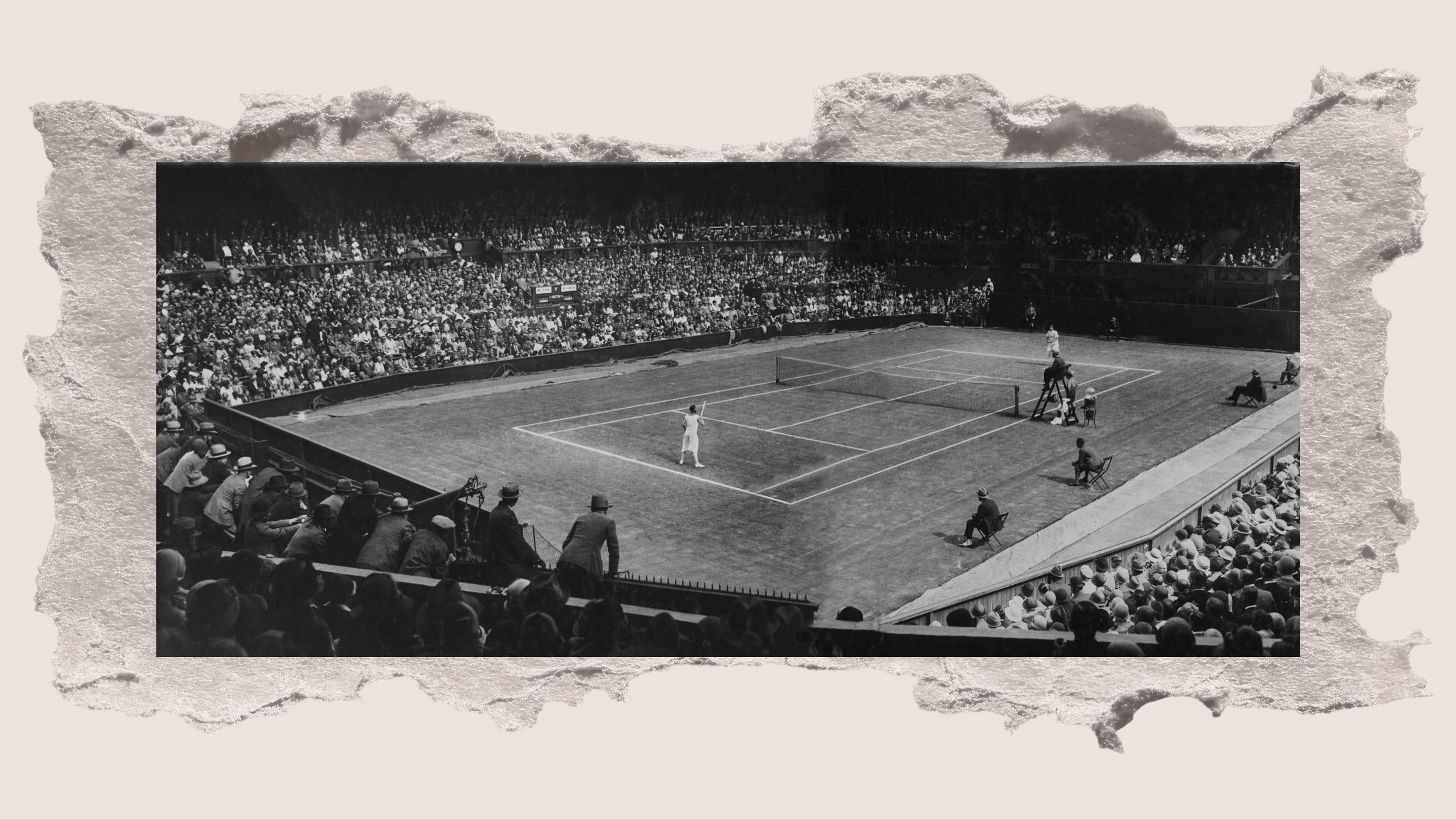
For a lifelong tennis player and fan, it was a kind of pilgrimage. I bent down to touch the grass and hoped a few shards of green would rub off on my palm so I could tuck them into a vial. Will Brierley, Lead Groundsperson at the All England Lawn Tennis Club, showed me how they mow, trim, massage, roll, and paint some of the world’s most famous tennis courts. As I sat in their clubhouse, a well-worn break room filled with whiteboards containing the day’s assignments, black-and-white photos of past groundskeepers, and books from James Patterson thrillers to a Scrabble dictionary, what struck me most was the dynamic among the groundskeepers and the shared language between them. It’s a unique form of family that gathers here before the Grand Slam begins. The groundskeepers, who don’t really follow tennis, spoke about each court as if it were a sibling or cousin—some demanding and temperamental, others easy to maintain. Some, they joke, they can tend with their eyes closed. They’re exhausted by the time the tournament starts, especially if it’s been raining. They know these courts as family.When the players arrive, something similar happens in the stands. Wimbledon is the one Grand Slam that, in my view, consistently draws not just fans but families, by blood or chosen. Unlike any other major sporting event, Wimbledon still allows fans to queue for a chance to buy same-day show-court seats at face value, or enter the grounds for as little as £33. This creates an atmosphere in which families can afford to attend and celebrate in community. Last year, even though I had a media pass, I spent a morning in the queue to experience that particular camaraderie. Every other group I spotted in line was playing a board game, a card game, soccer, or participating in some other analog communal engagement as they waited, sometimes with champagne at 9 a.m. Some people spoke English, others in German, French, and Japanese. Everyone was excited. I saw multi-generational groups, or groups of 60-something gals in hand-embroidered hats who’ve been coming for decades to queue together, picnic on Henman Hill together, and treat the fortnight as an annual retreat.
Grand Slam: Why Wimbledon Is Still the Biggest Stage in Tennis
Each year, Wimbledon’s unforgiving grass courts and surprising upsets offer tennis fans around the world a renewed sense of wonder, writes Nick Pachelli.
364 words~2 min read