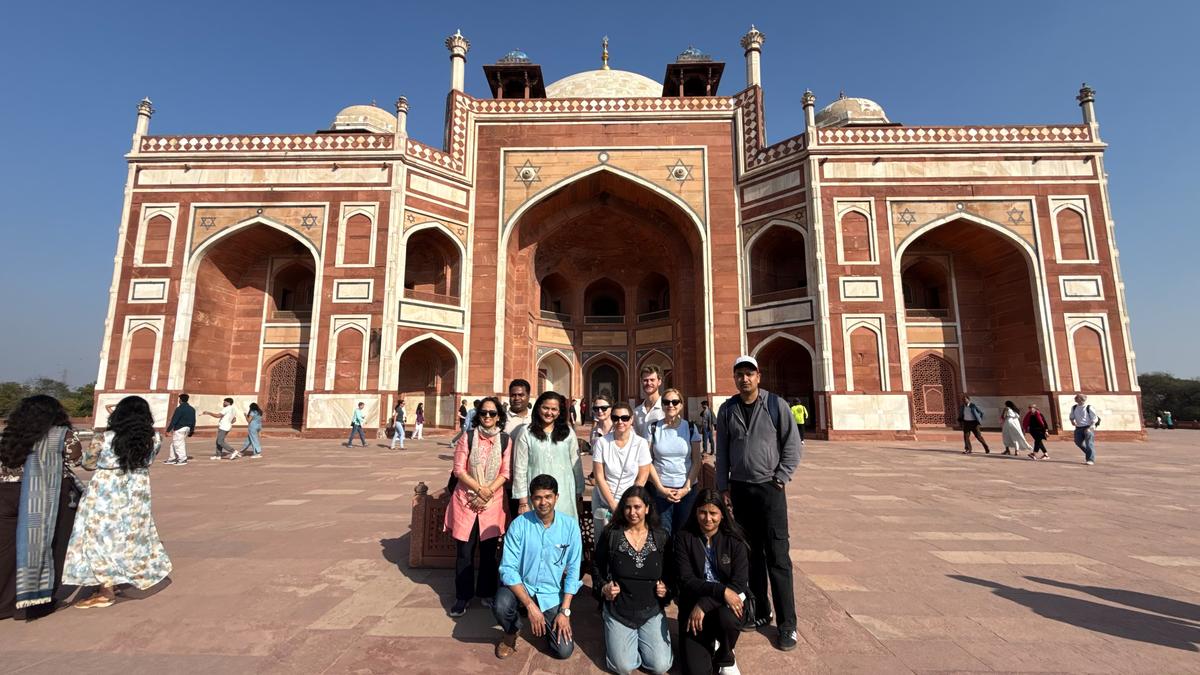
A few years ago, Nitika Arora, a storyteller and queer ally, hosted a baithak (gathering) in Delhi’s Mehrauli Archaeological Park to discuss LGBTQIA+ history in India. Midway through the event, she was taken aback when a woman in her 50s said, “Every time I look at queer people, I feel repulsed.” The strong emotion, however, also made the woman cognisant that she must face her prejudices. “I don’t know much about queer folks, and the few things I do know are mainstream stereotypes,” the Delhi resident explained. “I want to go beyond that and understand them.”Since then, Arora says she has felt a deep sense of purpose to help fight such stereotypes. Today, she leads a number of queer-focused walks and baithaks via Darwesh Heritage Walks, which she co-founded in 2013. She leans into history, literature, and art to bring the community’s layered past to the fore, through how they intertwine with the many monuments that pepper the cityscape. The Delhi resident may not have come back for another gathering, but Arora is hopeful that she has been able to help other visitors.
Nitika Arora
| Photo Credit:
Special arrangement
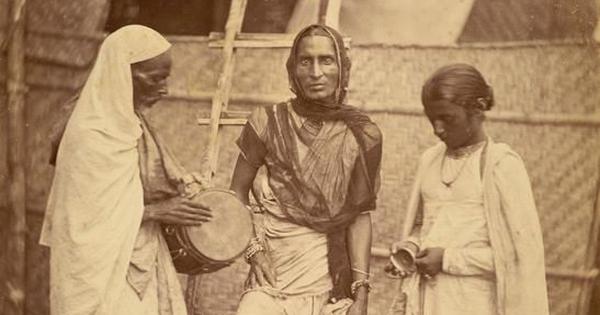
A layered historyPre-colonial India was not strait-laced. The country has a complex, compelling narrative spanning centuries of gender fluidity and queer expression — from third gender representation in the Vedas and Puranas and same-sex desire in the Kama Sutra, to mythological references such as Shikhandi in the Mahabharata (born as a woman but assumed a male identity).During the Delhi Sultanate and Mughal periods, there are recorded acceptances of queer communities. For example, in the Ain-i-Akbari (a document detailing the administration under Emperor Akbar), “there are paintings of the Mughal court in session, with the khwajasaras [transgender and intersex individuals] on the side”, says Arora. There was even a subgenre of Urdu poetry, known as Rekhti, with references to homoerotic desires of women. “It [queer relationships] wasn’t frowned upon largely till the British came in,” she adds.