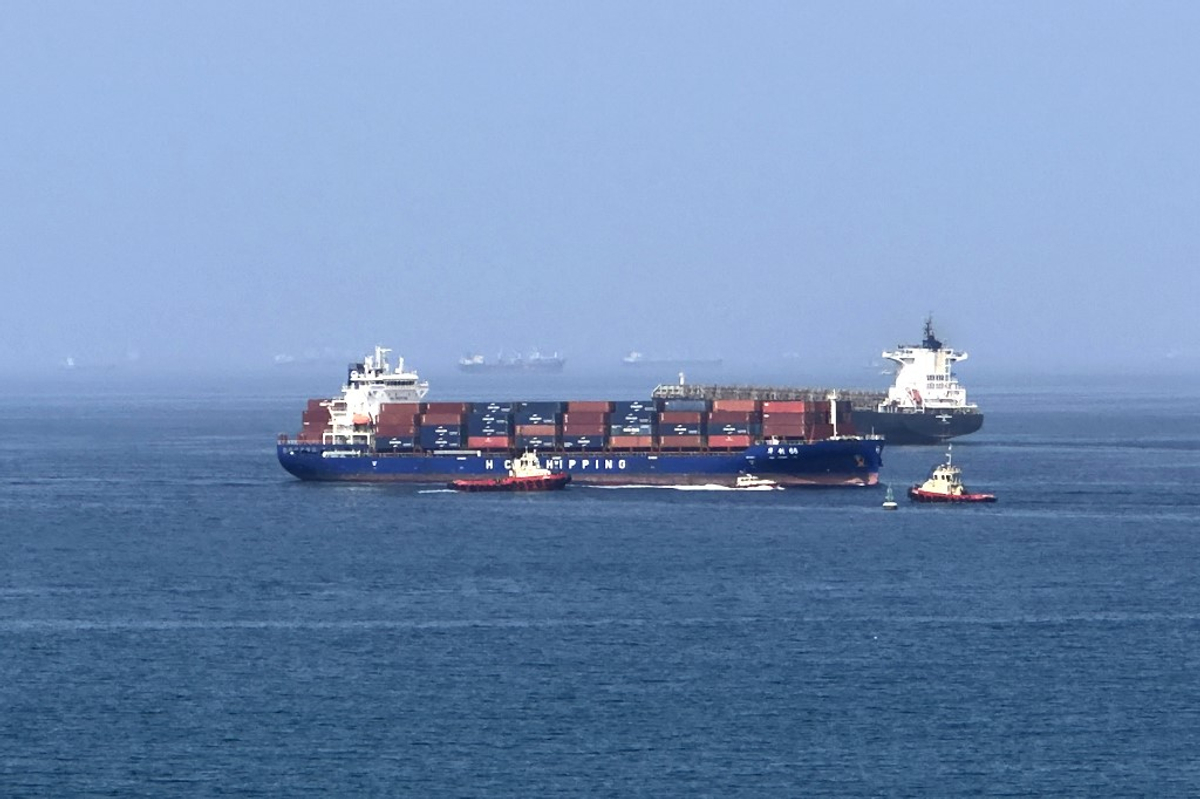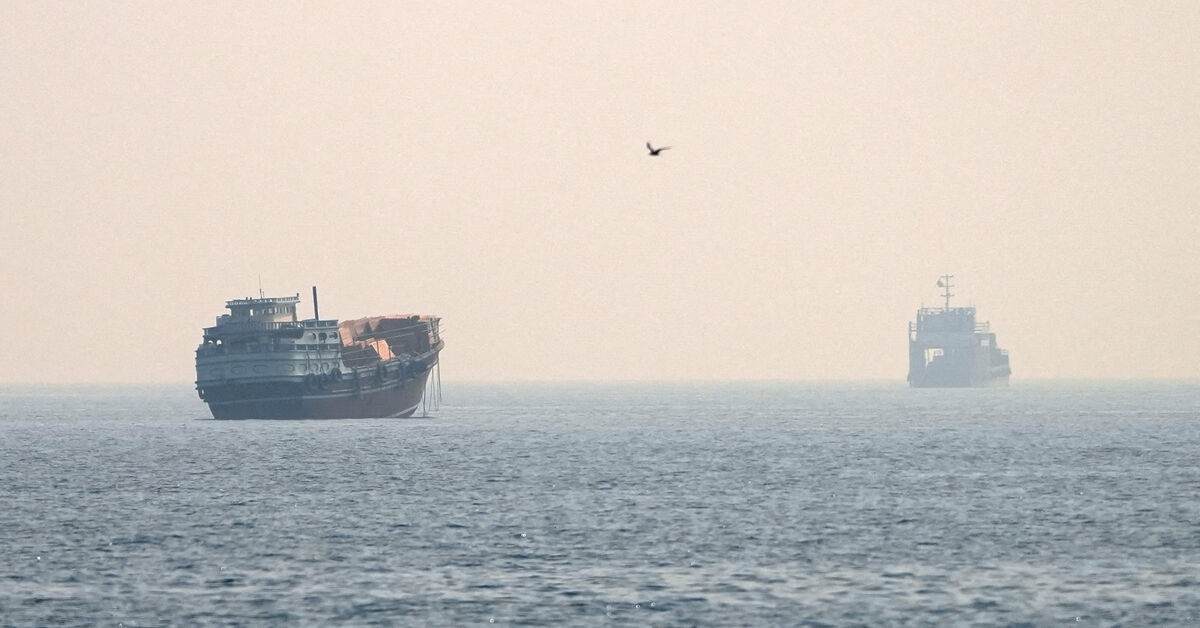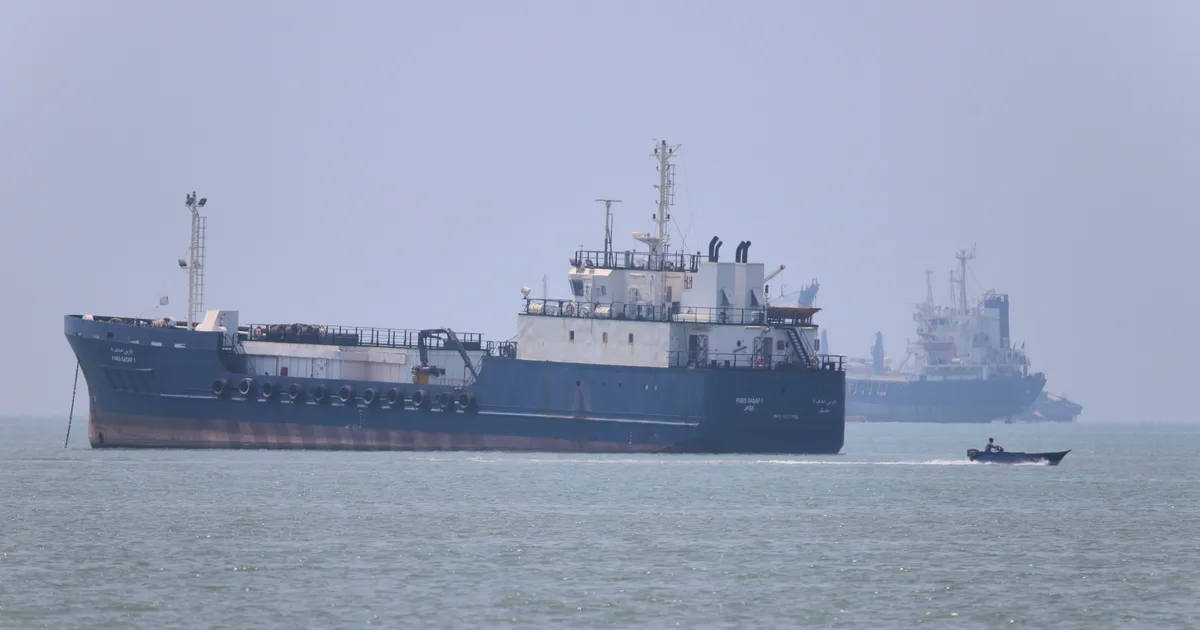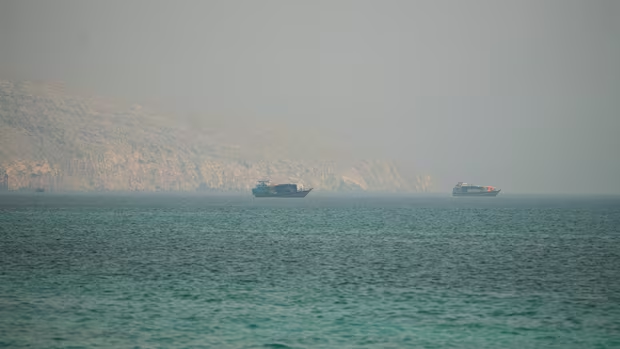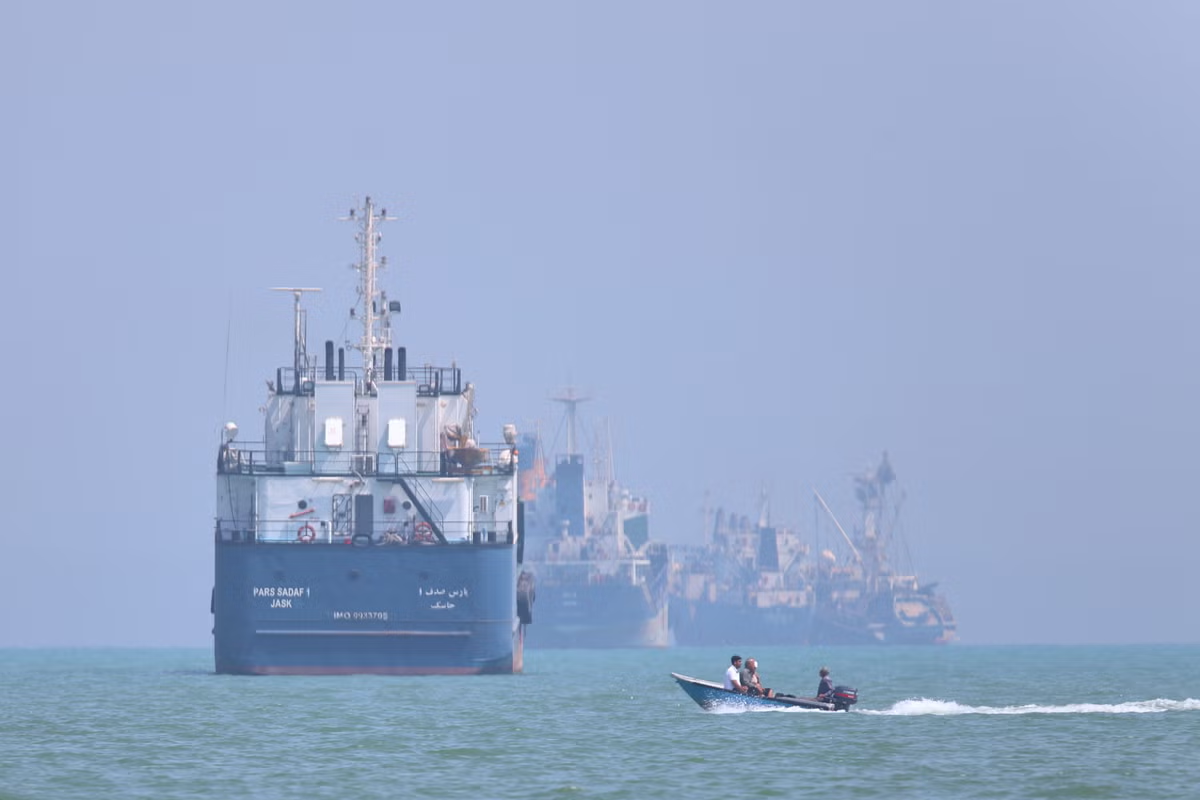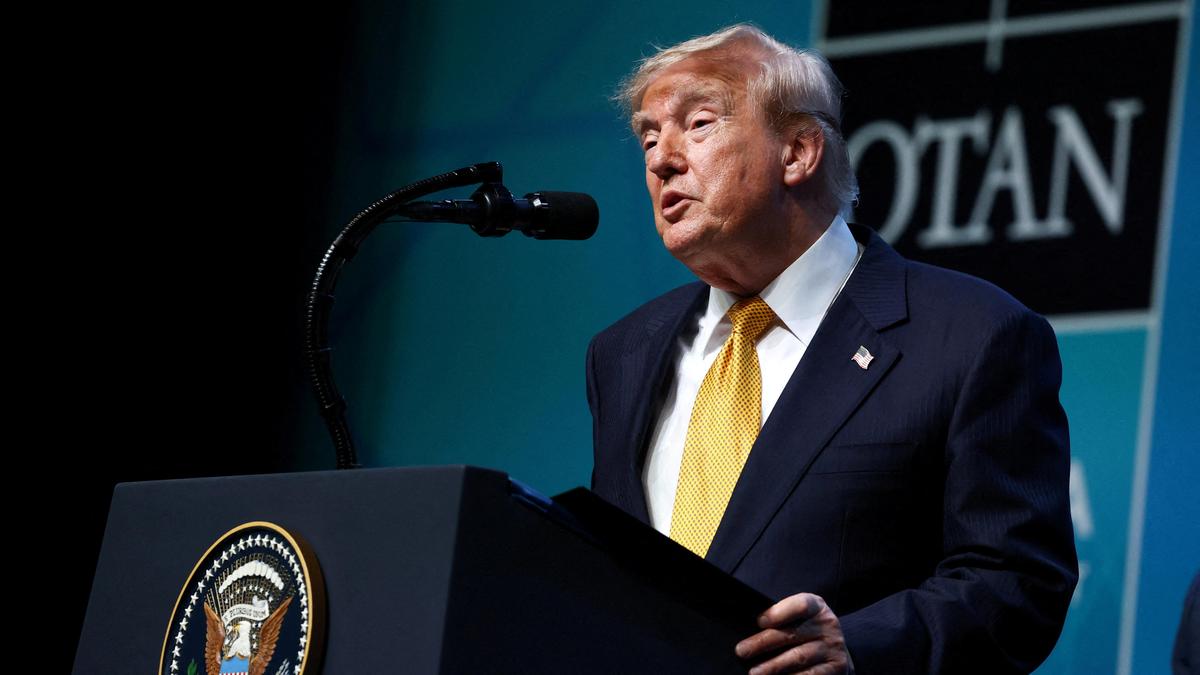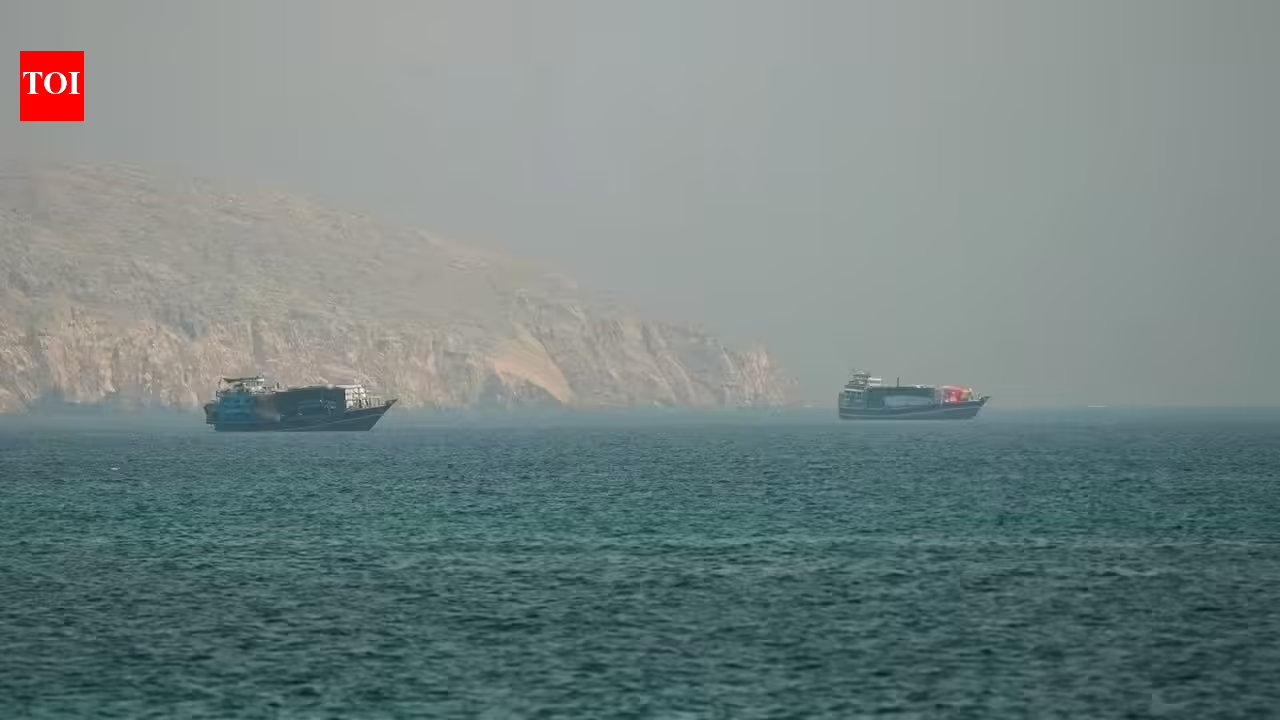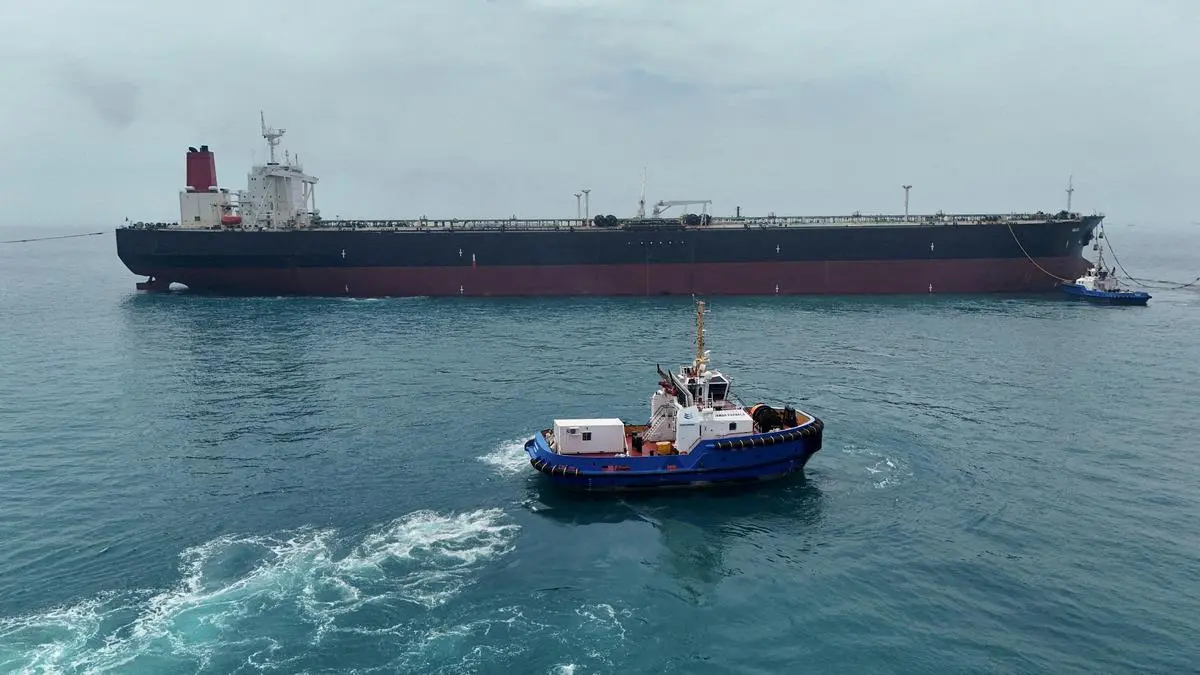
The United States has issued a blunt ultimatum to Iran, demanding that Tehran publicly declare the Strait of Hormuz open to commercial shipping and stop attacks on vessels transiting the strategic waterway, warning there would not be a "good outcome" if it failed to comply.A ship sails off the coast of Ajman on July 10, 2026. Traffic through the Strait of Hormuz has fallen sharply, especially through the UN-backed Omani route. (AFP)The warning came as US President Donald Trump declared that the ceasefire reached between Washington and Tehran was "over", even as both sides agreed to continue diplomatic talks aimed at ending months of conflict.Senior US officials said Washington wants Iran to issue a public statement confirming that all shipping lanes through the Strait of Hormuz are open, that commercial vessels will no longer come under attack and that no transit fees will be imposed."What we're demanding is that the Iranians issue a public statement that acknowledges all channels of the Strait of Hormuz are open and they're not shooting at ships anymore. They're either going to give us that statement or we're not having a good outcome for them," a senior US official said.Trump says ceasefire is overThe ultimatum followed a post by Trump on Truth Social in which he said Iran had asked to continue negotiations despite recent hostilities."The Islamic Republic of Iran has asked us to continue 'talks.' We have agreed to do so, but the United States has stated to them, in no uncertain terms, that the Cease Fire is OVER!," Trump wrote.US officials said discussions with Tehran had nevertheless remained productive and that the Trump administration was giving negotiators a limited window to reach an agreement before considering other options, including military and economic measures.The administration also imposed fresh sanctions on Iranian financier Ali Ansari, accusing him of managing a global network of assets for Supreme Leader Mojtaba Khamenei and other senior regime figures, in a move aimed at increasing pressure on Tehran.Iran rejects US claimsIran rejected Washington's assertion that it had sought talks with the United States. Foreign Ministry spokesperson Esmail Baghaei said Tehran had instead agreed to receive a Qatari mediator and warned that any violation of US commitments would be met with a "reciprocal response."Tehran has also resisted US demands over the Strait of Hormuz, insisting that activity in the waterway falls exclusively under Iran's authority. Iran has maintained that any attempt by outside powers to interfere with the management of the strait would violate previous understandings and increase regional tensions.According to US officials, Iranian representatives privately acknowledged that recent attacks on commercial vessels were the work of an "errant" or rogue faction within the country's security establishment that was attempting to derail negotiations. Washington, however, has insisted that Iran's leadership will be held responsible regardless of who carried out the attacks.Fresh talks plannedRegional mediation efforts have intensified after this week's exchange of strikes.Qatari officials travelled to Tehran on Friday to discuss de-escalation and maritime navigation, while Iranian Foreign Minister Abbas Araqchi is expected to travel to Oman for talks focused on the future administration of the Strait of Hormuz and ensuring safe passage for commercial shipping.The US has also continued urging commercial vessels to use routes through Omani territorial waters where possible to minimise risks.Why the Strait of Hormuz mattersThe Strait of Hormuz is one of the world's most strategically important maritime chokepoints, connecting the Persian Gulf with the Gulf of Oman and the Arabian Sea.Before the conflict, around one-fifth of global oil and liquefied natural gas shipments passed through the narrow waterway each day. The recent attacks on commercial shipping and disruption to maritime traffic have pushed oil prices higher, raised concerns over global energy supplies and forced several countries to draw down emergency fuel reserves.Commercial traffic through the strait remains significantly below normal levels, with many tankers still waiting to transit safely as uncertainty over the security situation continues.Nuclear issue remains unresolvedThe dispute over shipping comes alongside wider negotiations over Iran's nuclear programme.US officials said any future agreement would require Tehran to hand over its stockpile of highly enriched uranium, warning that no deal would be possible unless Iran first complied with demands to halt attacks on shipping and restore freedom of navigation through the Strait of Hormuz.
'Stop attacks in Hormuz, or...': US gives ultimatum to Iran as war continues
The warning came as US President Donald Trump declared that the ceasefire reached between Washington and Tehran was "over". | World News
709 words~3 min read