Story audio is generated using AI
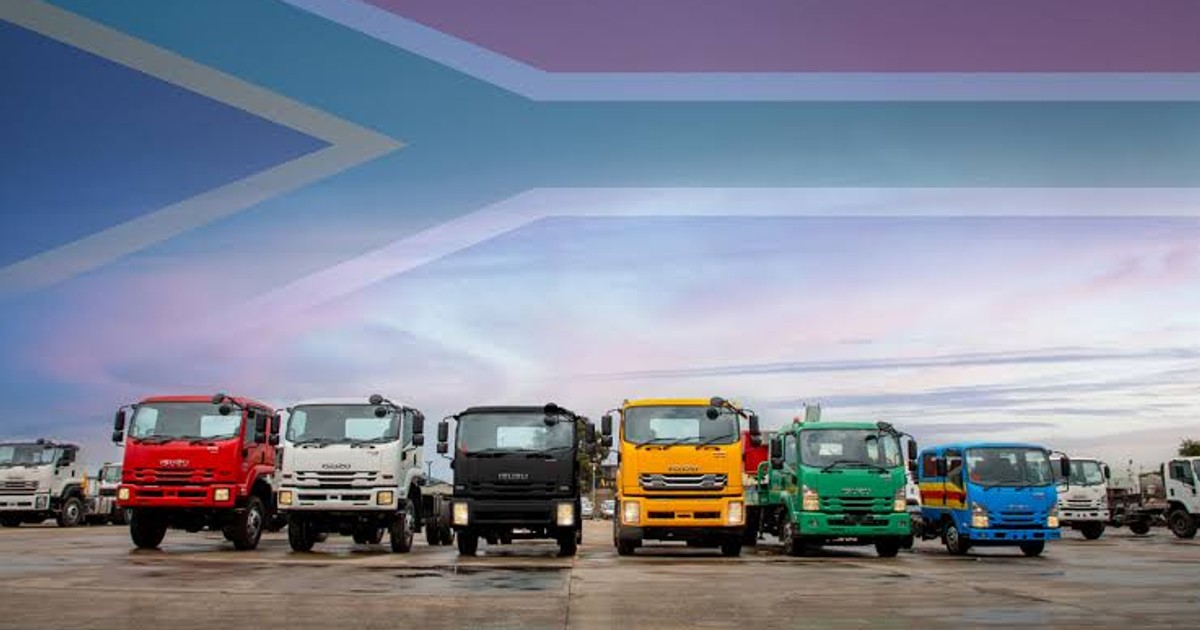
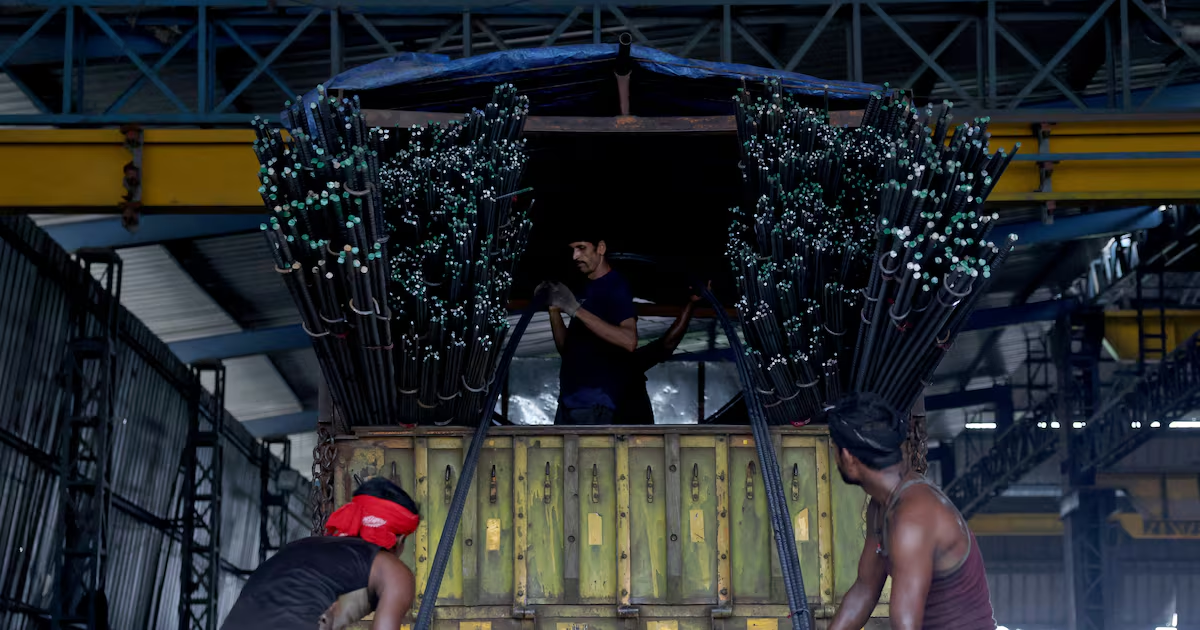
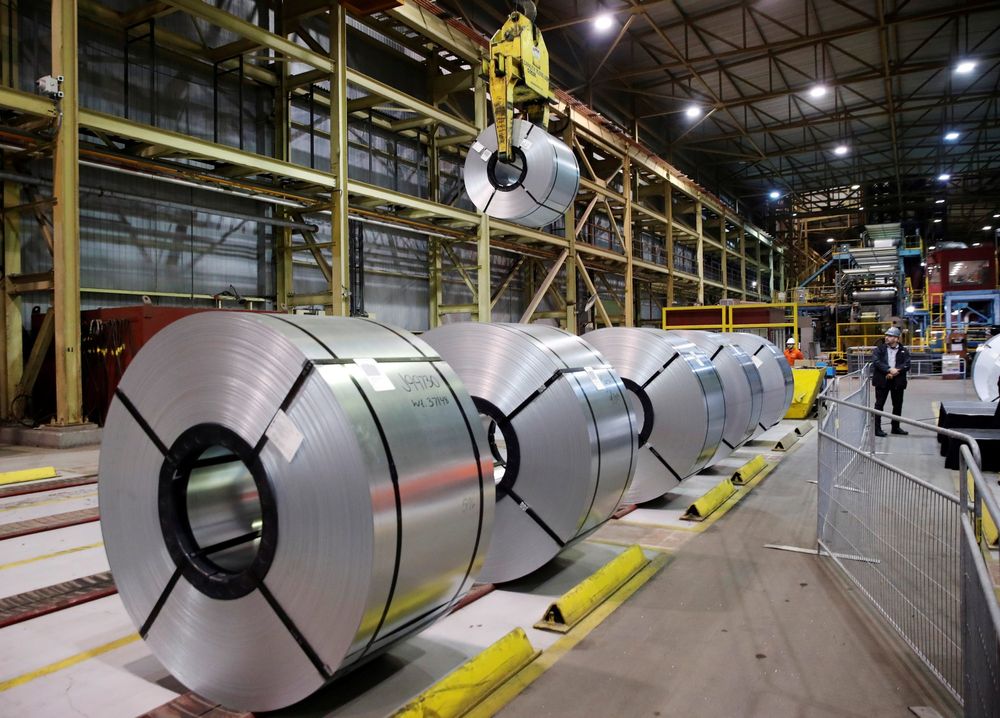
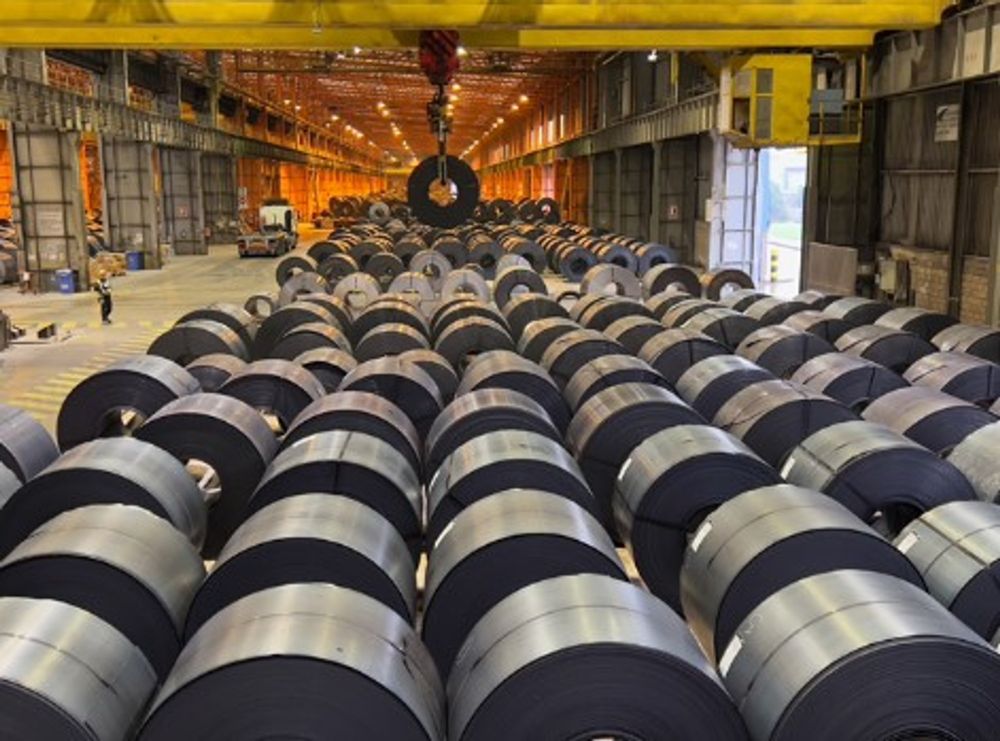
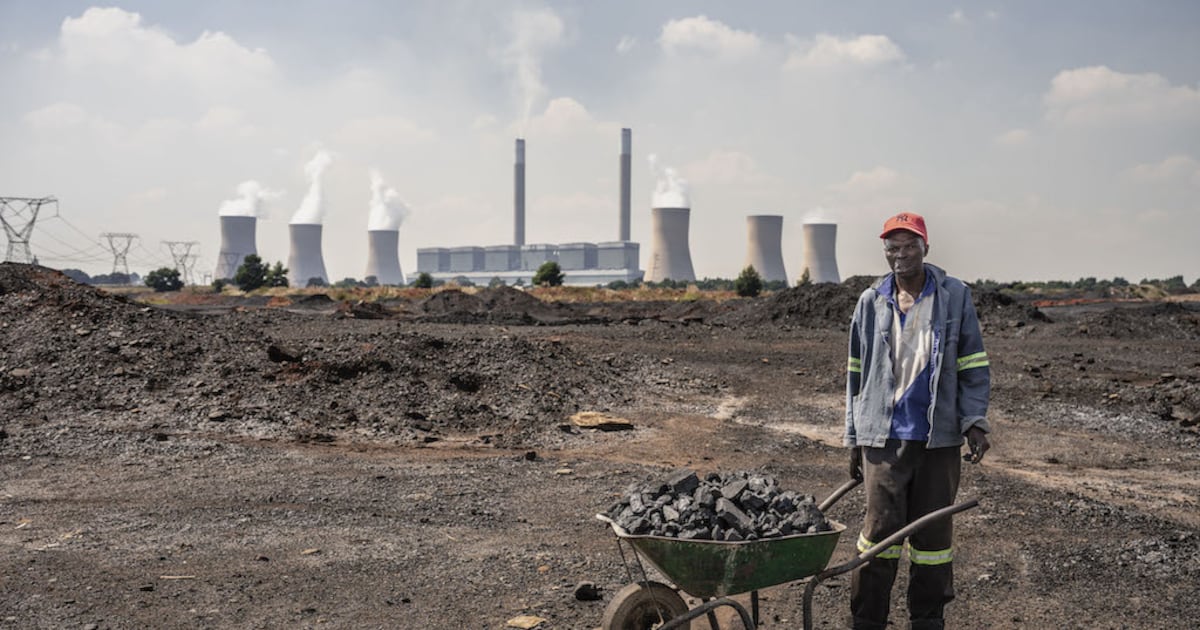
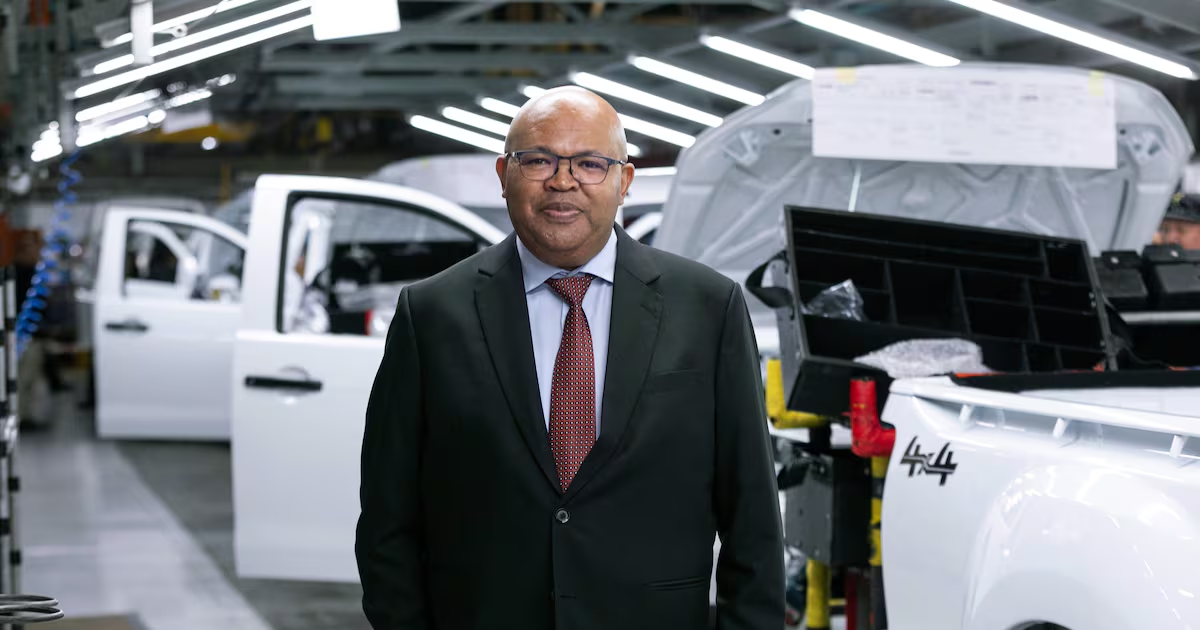
Calls are growing for the government to extend energy price relief to various industrial sectors, with the country’s astronomically high electricity prices hollowing out the industrial base.Carmaker Isuzu, which has a plant in South Africa’s automotive hinterland of Gqeberha, has called for serious consideration of the extension of electricity price relief to industries, including steel, to drive down steel costs and support the local automotive sector’s steel procurement.Isuzu president Billy Tom told Business Times this week that the struggling steel industry needs to be positioned to produce and supply steel cheaply to secure business from downstream industries.“One shouldn’t view this as competing interests. I think the objective should be to build a steel industry that is commercially sustainable while it enables downstream industries such as the automotive industry to remain globally competitive. This will ultimately strengthen both industries that support South Africa’s broader industrial ambitions.”The domestic automotive industry is the key cog in the country’s manufacturing sector, accounting for 5% of GDP.Domestic carmakers are facing an onslaught from cheaper imports from China and India, whose brands have found favour with consumers.The automotive manufacturers compete in a global market where costs are very sensitive ... So access to internationally competitive steel is essential if you are to build vehicles that remain attractive in export markets— Billy Tom, Isuzu presidentTom’s remarks come amid immense market challenges in the global steel sector, which has been felt acutely at a local level. ArcelorMittal South Africa (Amsa) announced in November 2025 that it had stopped production at its Newcastle Works in KwaZulu-Natal for care and maintenance.Implementation of the Auto Sector Masterplan is gaining momentum, but the steel sector is in distress, with production dropping 8% in April, steel imports rising to 38% of consumption, exports down 21%, and average import prices dropping 18%, according to the South African Iron and Steel Institute.Tom said Isuzu recognises sustainable domestic steel production as a strategic industry that supports high levels of employment and as part of the economic development of South Africa.“The automotive manufacturers compete in a global market where costs are very sensitive. Quality and reliability will determine how competitive you are. So access to internationally competitive steel is essential if you are to build vehicles that remain attractive in export markets.”The country’s energy costs, which have surged more than 700% since 2007, have been singled out as a major impediment to competitiveness and reindustrialisation. Amsa is seeking tariff relief from the government after spending R3.5bn in electricity costs in 2025 alone, which amounts to nearly its full wage bill for the year. Eskom earlier this year granted ferrochrome producers Glencore Merafe Venture and Samancor a 54% tariff relief said to be worth about R16bn after intense lobbying. China has become the biggest producer of ferrochrome despite South Africa having the largest reserves of chrome.South Africa’s last manganese smelter, TransAlloys, last week ceased production in protest at slow progress with relief being granted by Eskom as it has done for its ferrochrome peers.Tom said while energy supply issues have been resolved, the price of energy remains a challenge that is beyond the control of industry and more in the realm of government. Eskom’s relief to selected industries was a positive intervention, he noted, which could be extended to the steel sector.The average import price has dropped by 18%, putting the local industry under much pressure. South African exports dropped by 21%— Charles Dednam, South African Iron and Steel Institute general secretary“It’s something we need to look at and say how we ensure that we look at things like giving them cheaper electricity to be more competitive, because we have been taking on the price from some of these industries, which makes it very uncompetitive because they are such energy-heavy industries. Electricity prices at double digits are going to impact profitability.”In a written reply to parliament, trade, industry & competition minister Parks Tau said the Steel Master Plan remains the principal framework for the government to co-ordinate interventions aimed at stabilising, strengthening and rebuilding the domestic steel value chain.“[The department] is concerned by the contraction taking place within segments of the steel industry and the associated job losses experienced in recent years. These challenges are driven by a combination of structural factors including weak domestic demand, high electricity and logistics costs, increasing import pressures, global steel overcapacity, and operational constraints affecting key upstream producers.”He said the steel master plan framework supports the steel value chain’s strategic industrial capacity through interventions including financial support through the Industrial Development Corporation and mandating negotiations for the acquisition of Amsa.“Engagements with the department of electricity and energy, Eskom, and other stakeholders regarding electricity pricing pressures facing energy-intensive manufacturing industries are ongoing, including support measures under the Negotiated Pricing Agreement framework.”He said continued enforcement of localisation and designation policies seeks to increase the utilisation of locally produced steel products in public infrastructure programmes and strategic procurement initiatives.Charles Dednam, general secretary of the South African Iron and Steel Institute, recently told parliament that the local steel industry remains in distress and that steel production has dropped 18% since 2018.“South African production dropped again in April, by 8%. Primary steel imports escalated in April to 38% of consumption. The average import price has dropped by 18%, putting the local industry under much pressure. South African exports dropped by 21%.”We are dealing with Itac [International Trade Administration Commission]. We have been busy coming up with trade remedies aimed at dealing with cheap imports but also protecting and supporting the local industry— Tebogo Makube, acting DDG of sectors at the DTICActing deputy director-general of sectors at the department of trade, industry & competition, Tebogo Makube, said the Newcastle Amsa steel plant is under care and maintenance. The department has temporarily allowed importation to support inputs in the automotive sector.“We must deepen the production of those products and support the downstream industries … Given the placing of the Newcastle plant, we have worked with the auto industry in terms of some of the requirements of steel products, and we have temporarily allowed for the importation of those products so that we don’t jeopardise our programme in the auto industry where we also have a masterplan.”However, Makube maintained that, despite this urgent intervention to support the auto sector, it remains important for the department to support the local steel industry and limit reliance on steel imports.“[Regarding] the influx of cheap imports, we are dealing with Itac [International Trade Administration Commission]. We have been busy coming up with trade remedies aimed at dealing with cheap imports but also protecting and supporting the local industry.”The department is responding to global demand for green steel, particularly in the UK and the EU, where measures such as the Carbon Border Adjustment Mechanism are aimed at curbing the importation of carbon-intensive goods, including steel, into that market.“There is excess supply of steel, as compared to the demand, which is relatively flat, particularly in this country. And it’s not surprising in the main that there are measures, particularly in big markets such as the US and the EU, to protect their steel manufacturing industry through both tariff and nontariff measures, mainly of the excess capacity driven by China and India.”Negotiations with these markets continue as South Africa remains vulnerable to import surges.Business Times