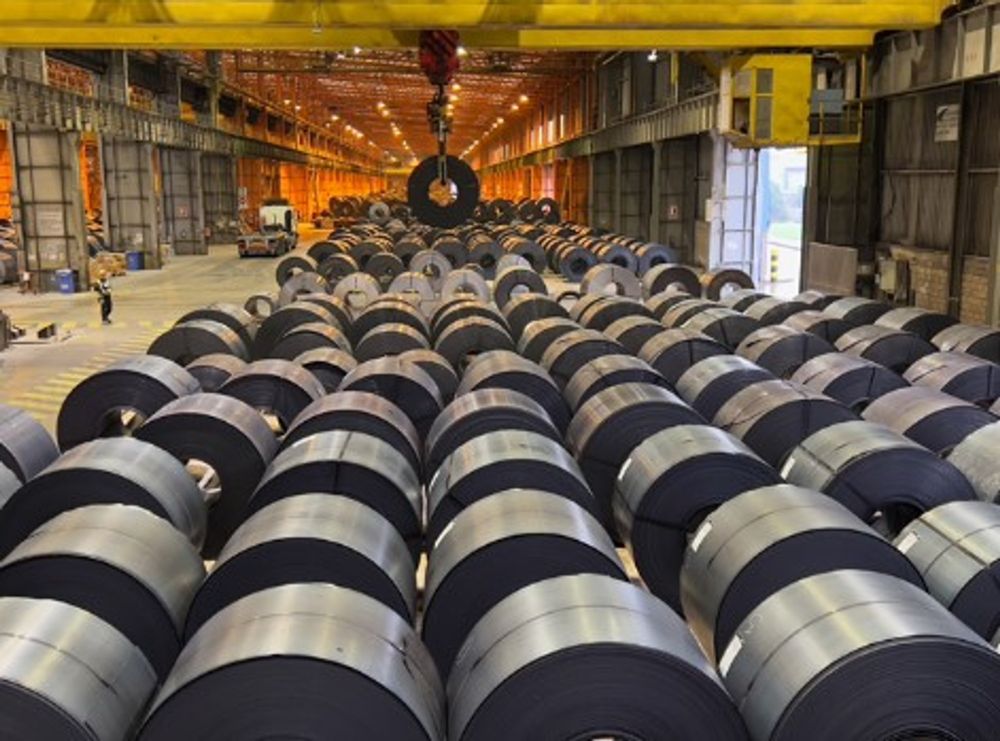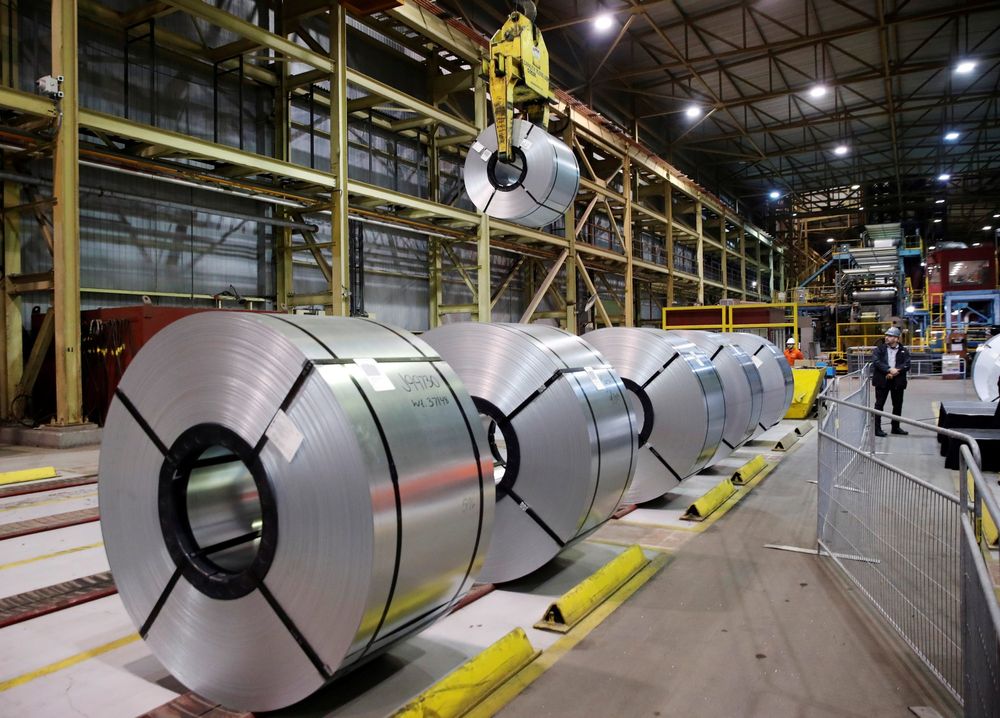
In this article, South African Iron and Steel Institute secretary general Charles Dednam writes that South Africa must look beyond only the volumes of steel being imported into the country and should also consider how much of the country's manufacturing base is being displaced by imported goods made from steel elsewhere?
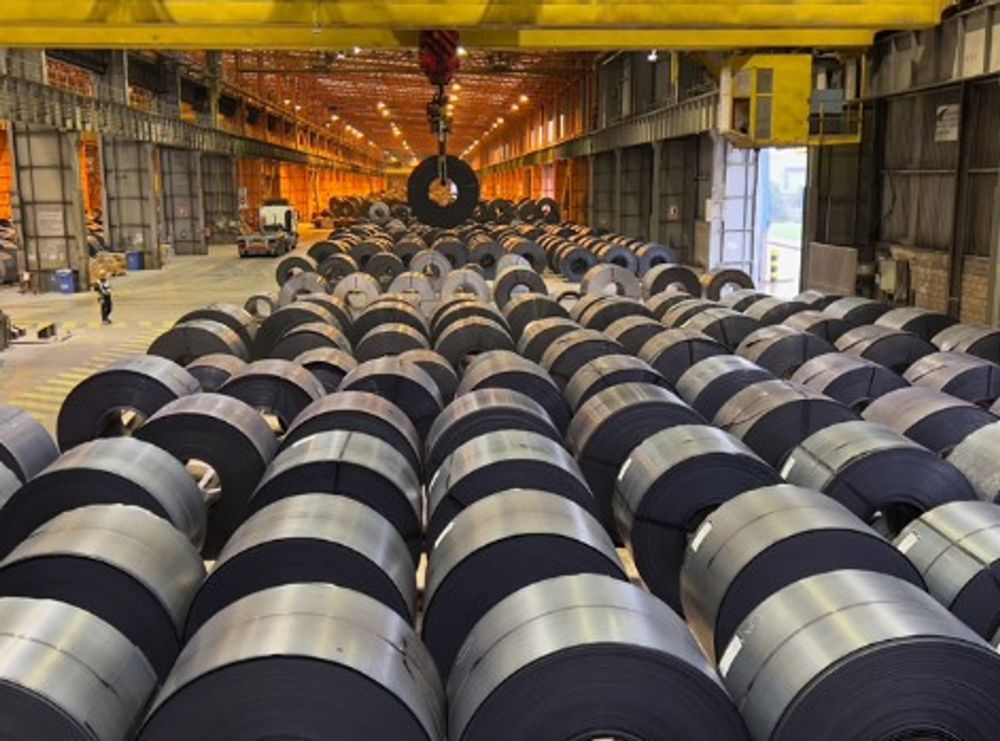
Much of the attention falls on imports of coil, plate, bar, sections and other primary steel products. These matter. They affect mill utilisation, pricing, jobs and investment. But the larger competitive threat is no longer limited to imported steel as a raw or semi-finished material. It is increasingly arriving as imported manufacturing.
China’s role in the global steel economy is unlike that of any other country. It produces steel at a scale that South Africa cannot compare with and, when domestic demand weakens, can redirect enormous volumes into export markets. This affects global prices directly. But it also affects South Africa indirectly through fabricated construction products, machinery, appliances, vehicles, industrial equipment and other goods containing embodied steel.
That is the part of the debate South Africa cannot afford to miss.
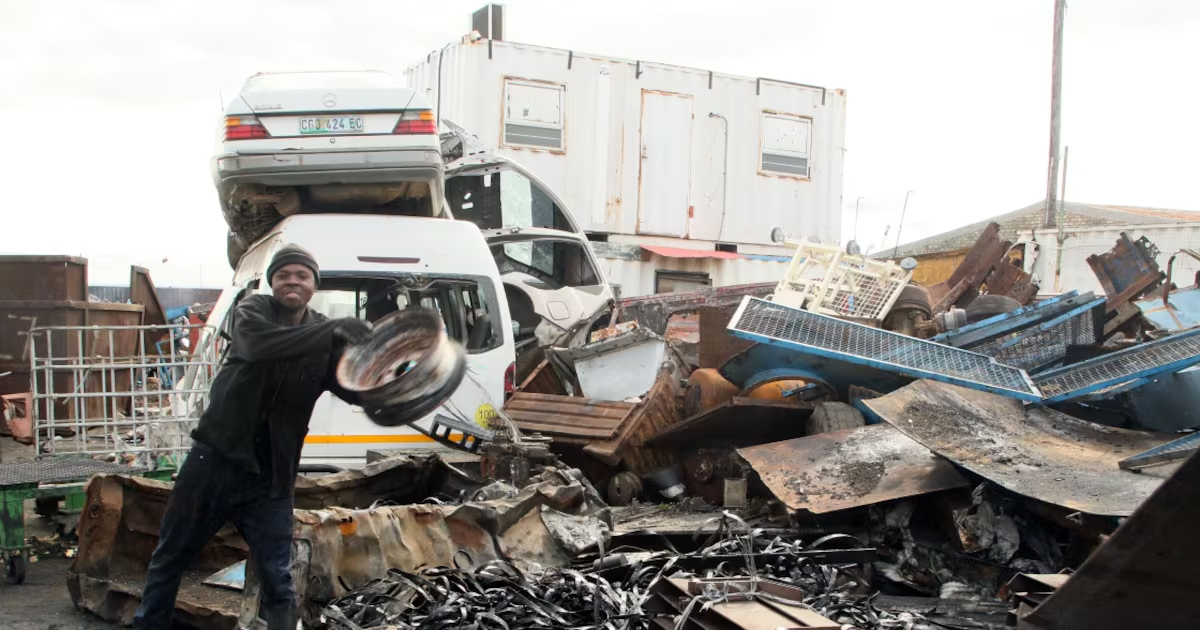
A tariff on a primary steel product may protect a local mill from one form of import pressure. It does not automatically protect the fabricator, equipment manufacturer, construction supplier or engineering firm competing against finished imported goods that already contain the steel. In practice, South Africa may protect part of the upstream chain while allowing downstream industrial activity to be displaced by imported manufactured products.