Photo credit: Brandon Bell
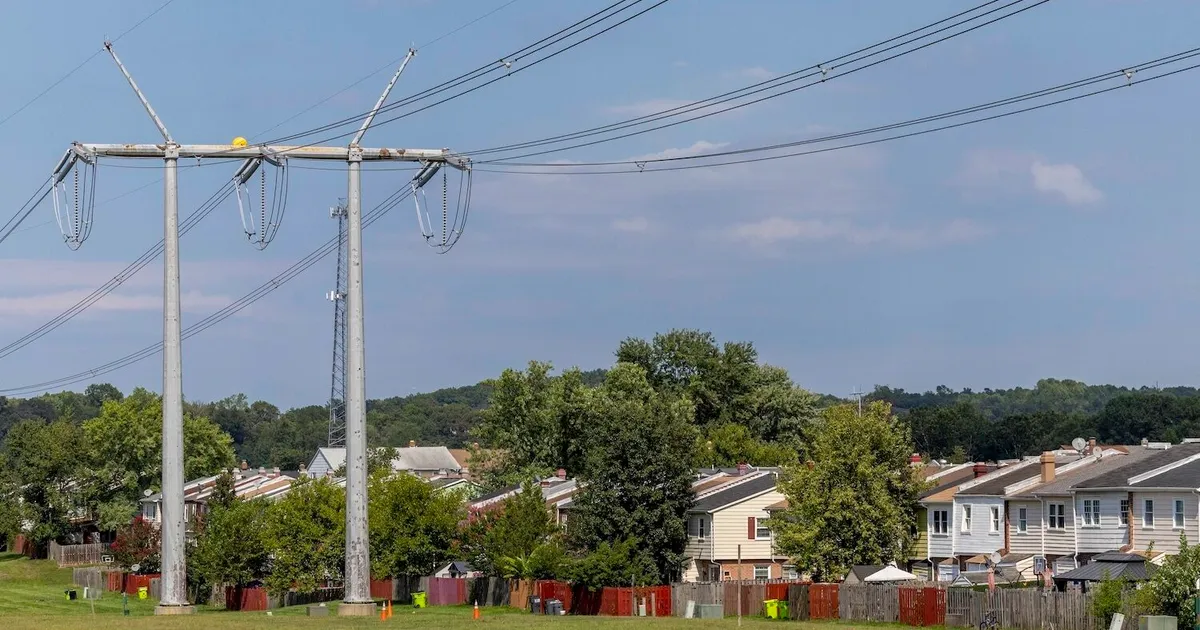
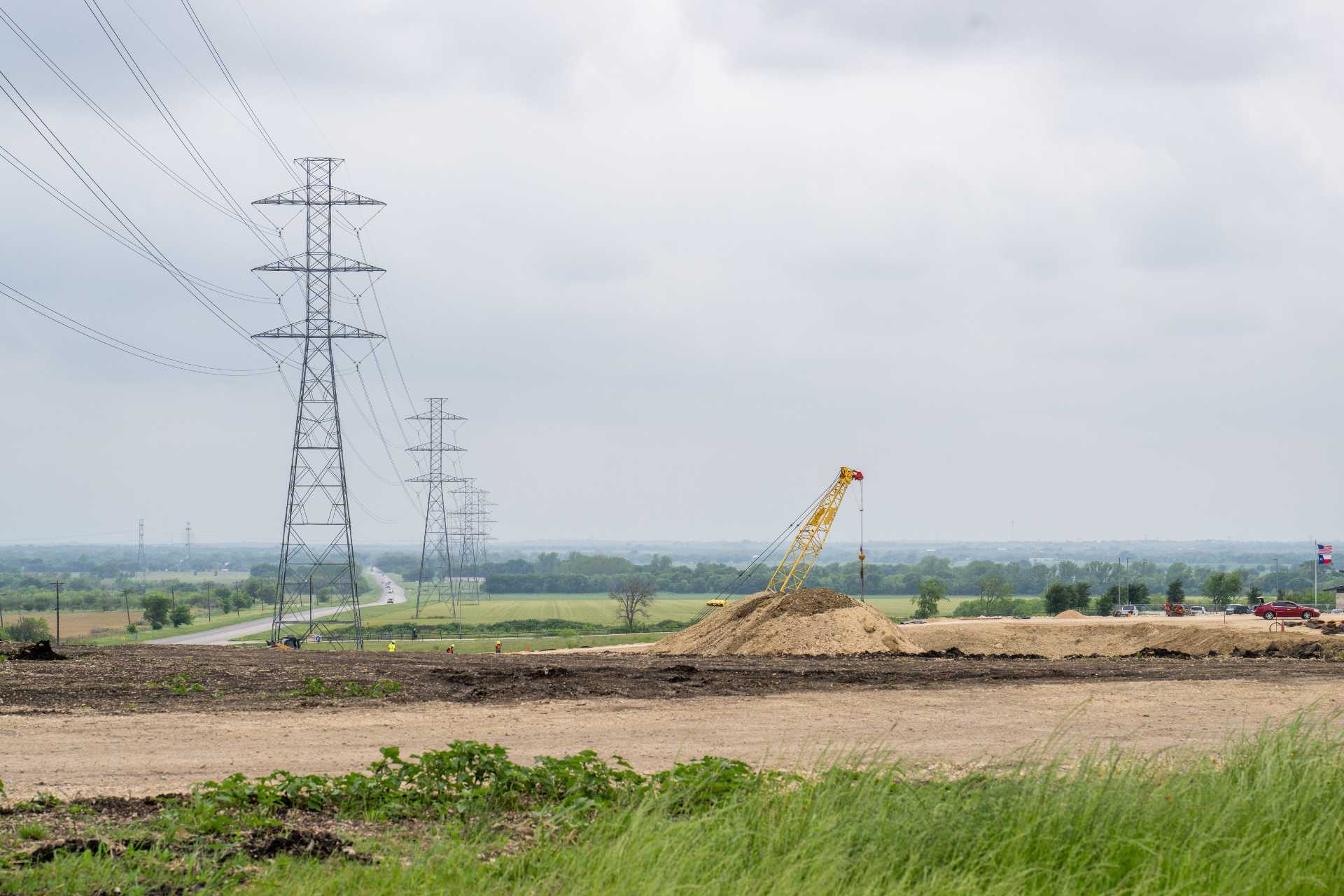
The Southeast’s relatively low energy costs and available land have made it an emerging data center hotspot. But the region could reduce electricity prices even further — by an average of $10 a megawatt-hour — by building more long-distance transmission lines that bring in power from neighboring markets .
That’s according to the Department of Energy’s draft 2026 National Transmission Needs Study released this week. The study, which the Federal Power Act requires the DOE to publish every three years, offers an assessment of current and future bulk transmission constraints, as a resource for regional planning and federal financing.
Nationally, the report found that transmission congestion costs reached $11 billion in 2023 and $12 billion in 2024, down from a peak of $21 billion in 2022, when severe weather and natural gas prices caused a spike. Congestion bottlenecks, the report emphasized, both constrain the delivery of low-cost generation for data center growth and directly inflate wholesale electricity prices.
The report outlines four categories of transmission needs, including improving reliability and resilience, alleviating congestion within and across regions, and providing resource adequacy. The Southeast, DOE notes, is the only region that hasn’t already addressed at least one of those needs.