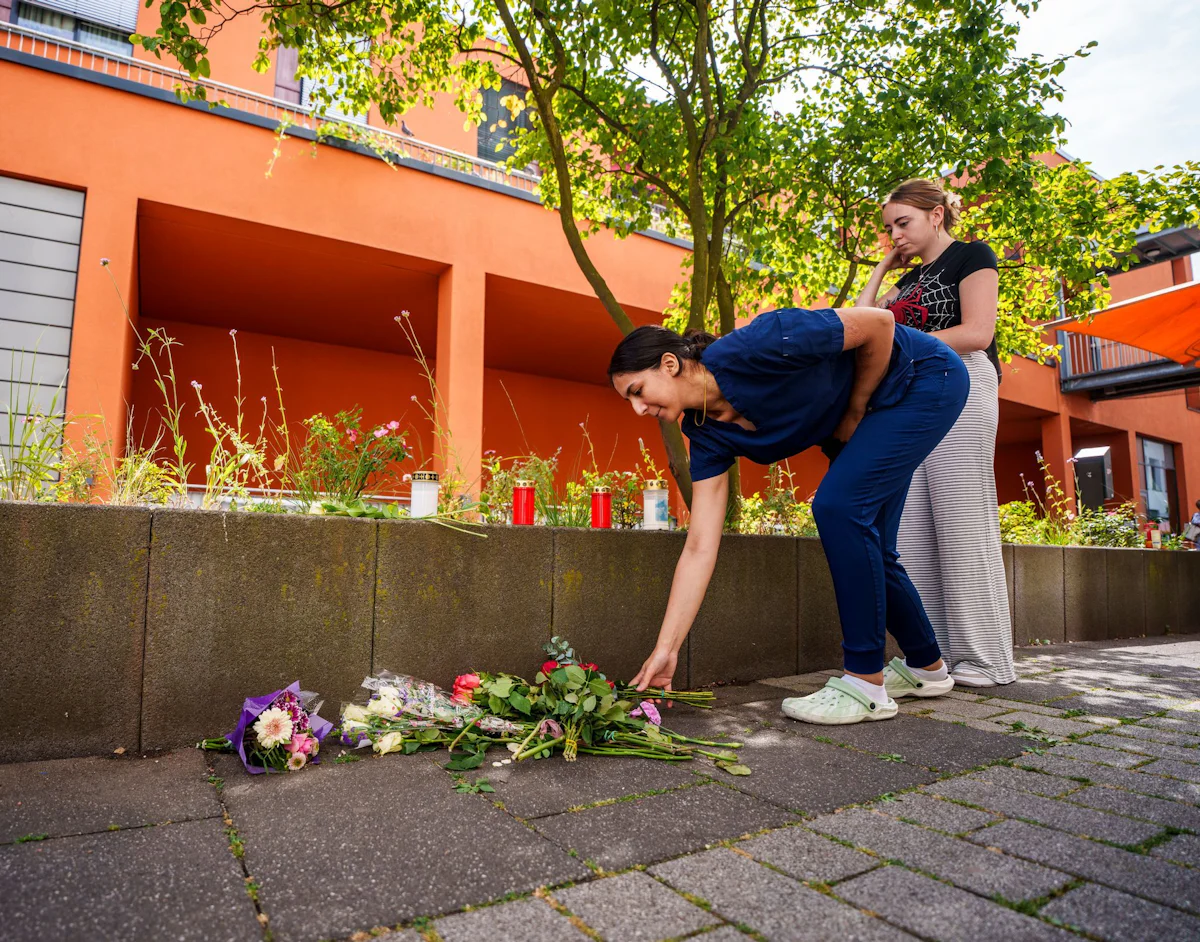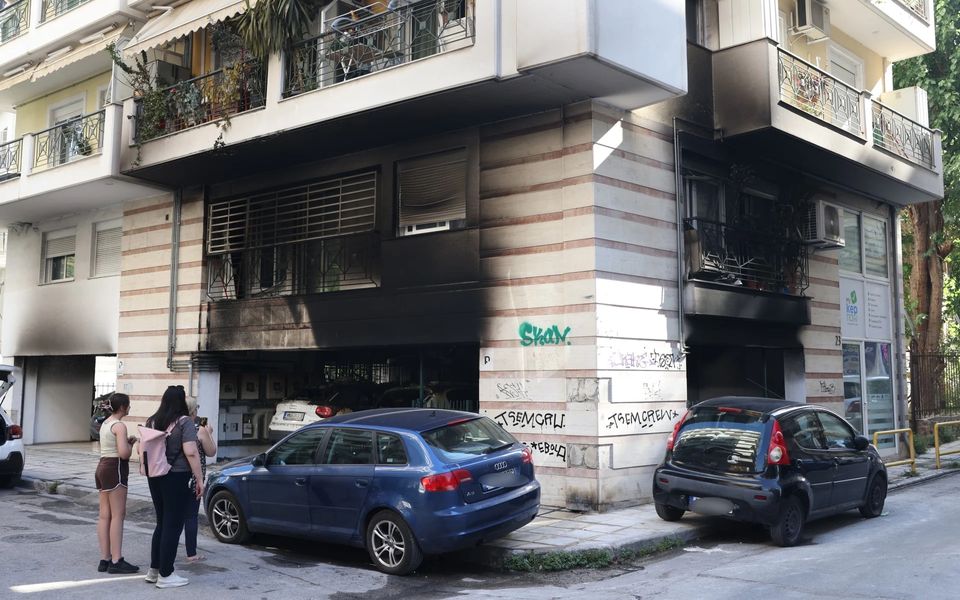
The murder of Vagia Nestora, whose home in Thessaloniki was firebombed in a politically motivated attack aimed at her daughter, a member of the New Democracy party, prompts feelings of sorrow and despair. If there weren’t such widespread tolerance for “training” in political violence, those who set off explosions in buildings in which people are sleeping might consider the magnitude of the danger, both to the victims of their “symbolic” acts and to themselves. But since the restoration of democracy in 1974, an era of unprecedented stability, progress and prosperity, we have seen the dominance of politics as performance – performance based on impassioned reproductions of old roles and episodes from our country’s tragic past. The November 17 terrorist organization wanted people to believe that its gunmen had the right to kill whoever they chose, seeing themselves as the continuation of the resistance to the (already defunct) junta, as heirs of the losing side in the civil war. As society was rushing to enjoy all that it had been deprived of in previous decades, the murderers presented themselves as “avengers” pursuing the “enemies of the people.” They turned their victims into symbols and cast themselves as revolutionaries. The public was disinterested, but they did inspire some copycats.
Theater of the insane | eKathimerini.com
The murder of Vagia Nestora, whose home in Thessaloniki was firebombed in a politically motivated attack aimed at her daughter, a member of the New Democracy party, prompts feelings of sorrow and despair.
417 words~2 min read