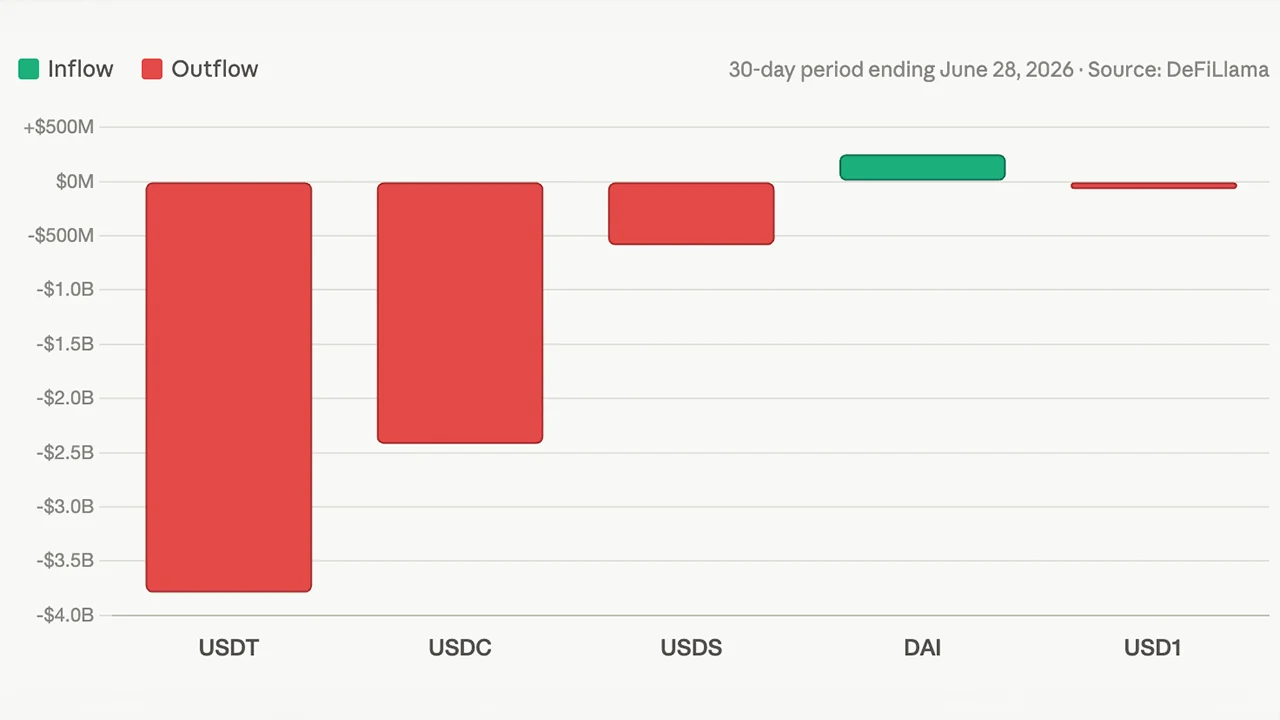
Governments around the world are slowly diversifying away from holding US Treasuries, a trend that’s been building for years. But private demand for dollars isn’t declining. It’s surging, just through a channel that most traditional economists didn’t see coming: stablecoins.
Dollar-pegged tokens like USDT and USDC are becoming the de facto savings accounts and payment rails for people in developing countries. And every dollar minted in stablecoin form needs to be backed by something. Increasingly, that something is short-term US government debt.
Tether is quietly a Treasury whale
Tether purchased $33.1 billion in US Treasuries during 2024. By early 2025, the company’s total Treasury exposure sat at roughly $113 billion, with about 66% of its reserves parked in short-dated government bonds.
Stablecoin issuers now hold more US debt than countries like South Korea or Germany. Circle, the issuer behind USDC, runs a similar playbook, backing its tokens with cash and short-term Treasuries. The entire stablecoin sector has become a structural buyer at the front end of the yield curve, soaking up T-bills with a consistency that would make any bond fund manager jealous.