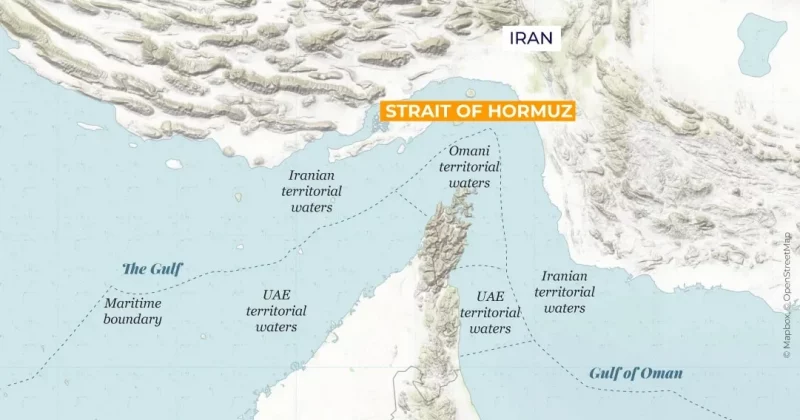
The International Maritime Organization’s governing council voted on July 10, 2026, to condemn Iran’s claim of sovereignty over the Strait of Hormuz, urging every member state to reject what it called a “unilateral decision” to create a body controlling traffic through the waterway. Two days earlier, IMO Secretary-General Arsenio Dominguez had publicly denounced recent attacks on merchant vessels transiting the strait.
Iran has been demanding transit fees in Bitcoin and stablecoins for vessels passing through the strait, and has floated a $10 billion Bitcoin-denominated insurance platform for Hormuz maritime operations. That makes a geopolitical flashpoint in the Middle East suddenly, and somewhat unexpectedly, a crypto story too.
What’s actually happening in the strait
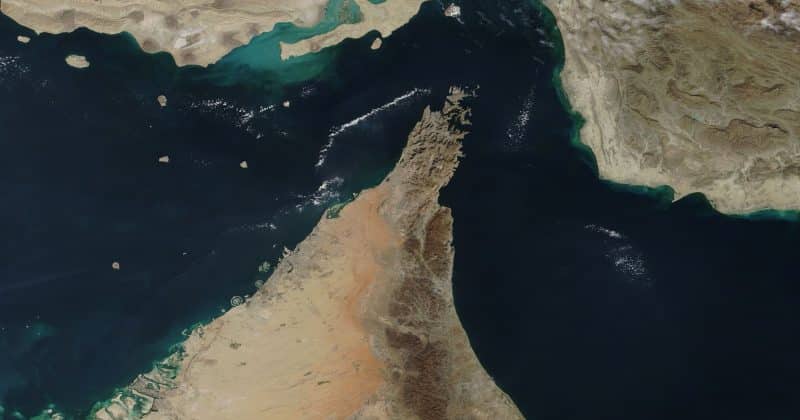
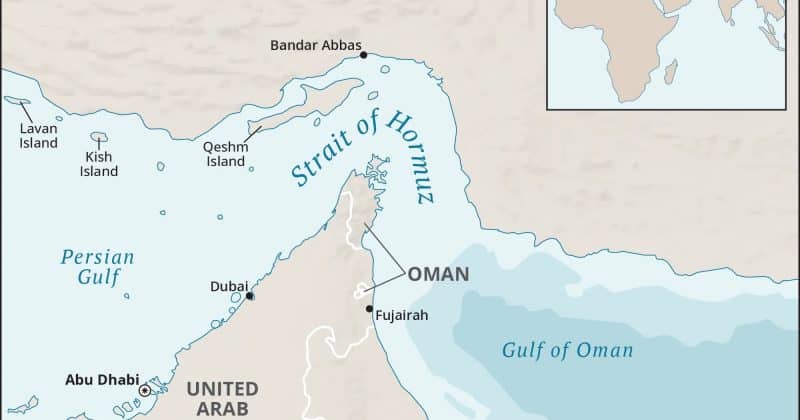
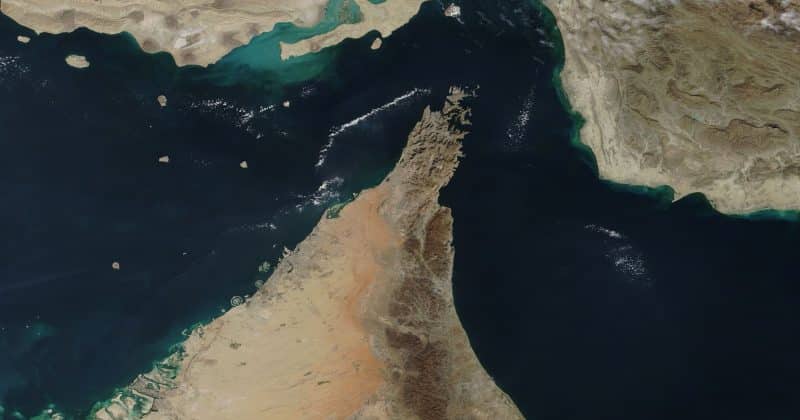
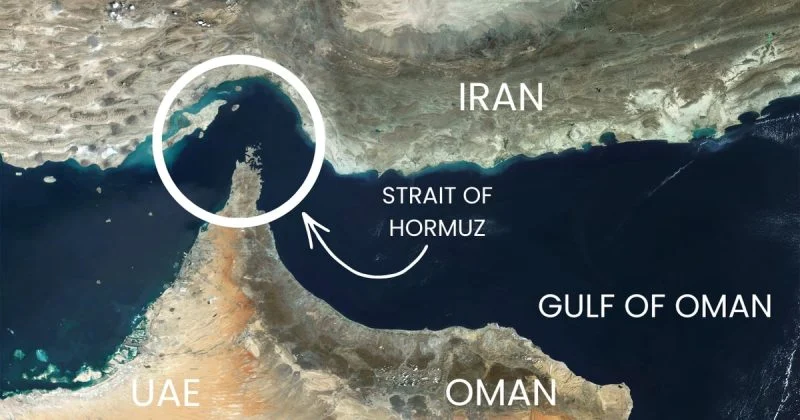
The Strait of Hormuz is a 21-mile-wide bottleneck between Iran and Oman. On any given day, it handles roughly 20-25% of global seaborne oil and a significant share of the world’s liquefied natural gas shipments.
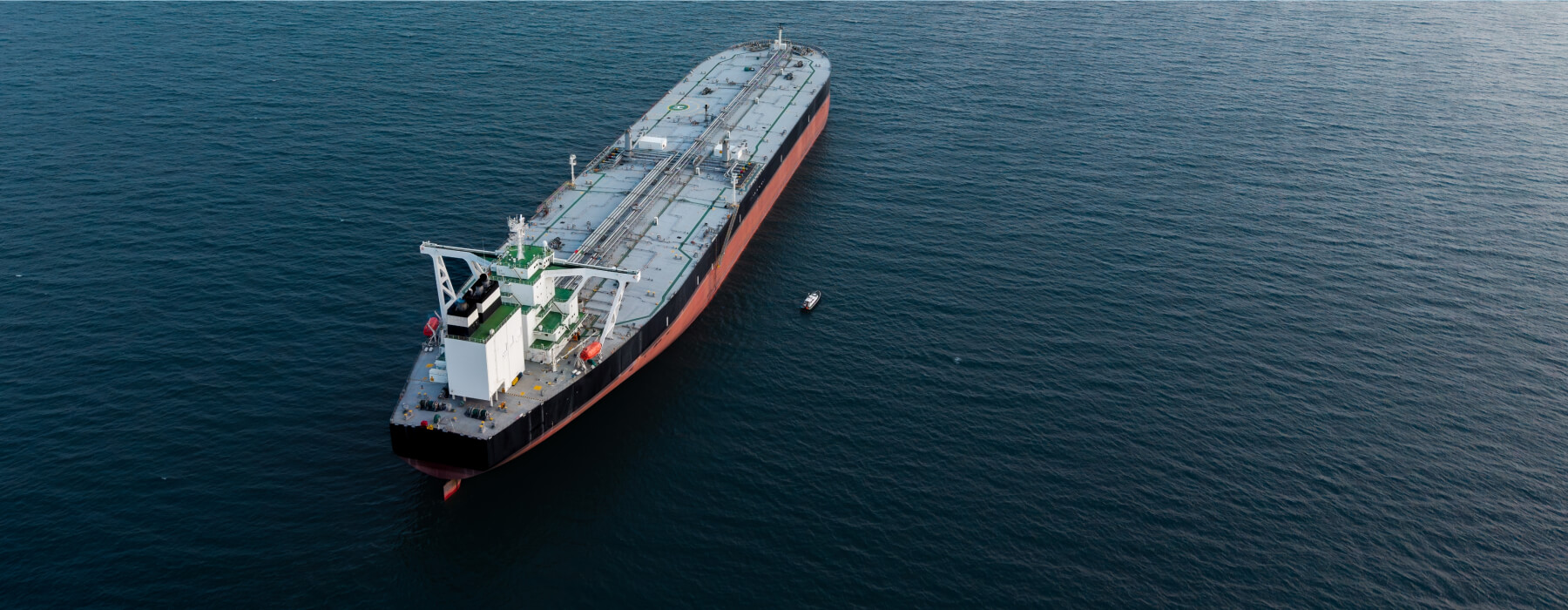
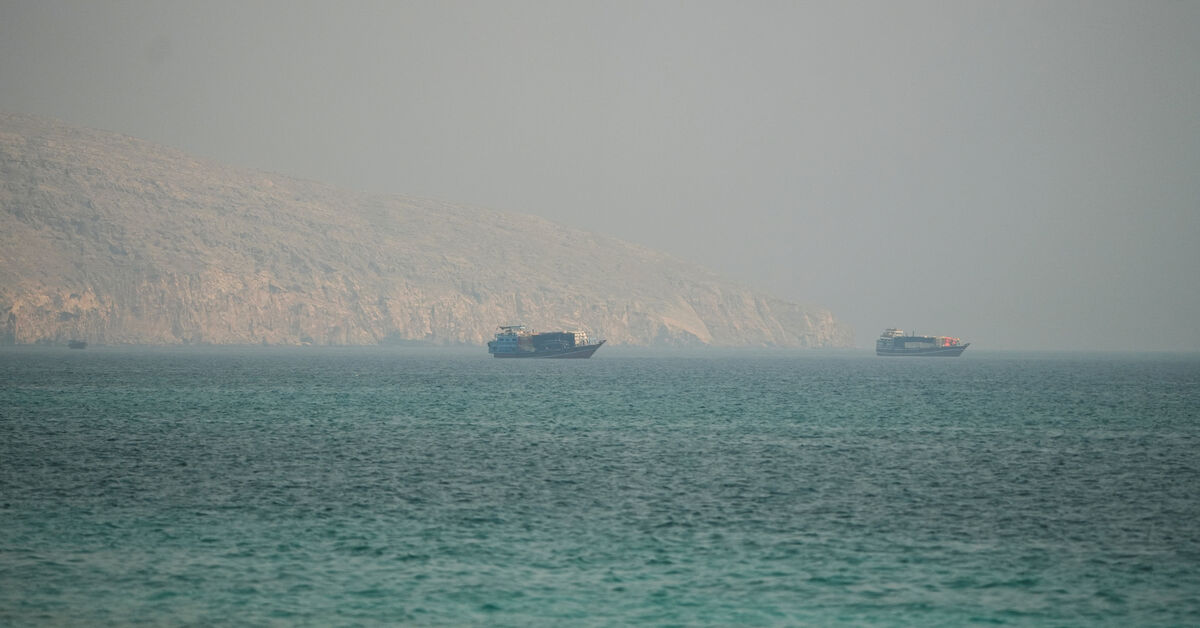
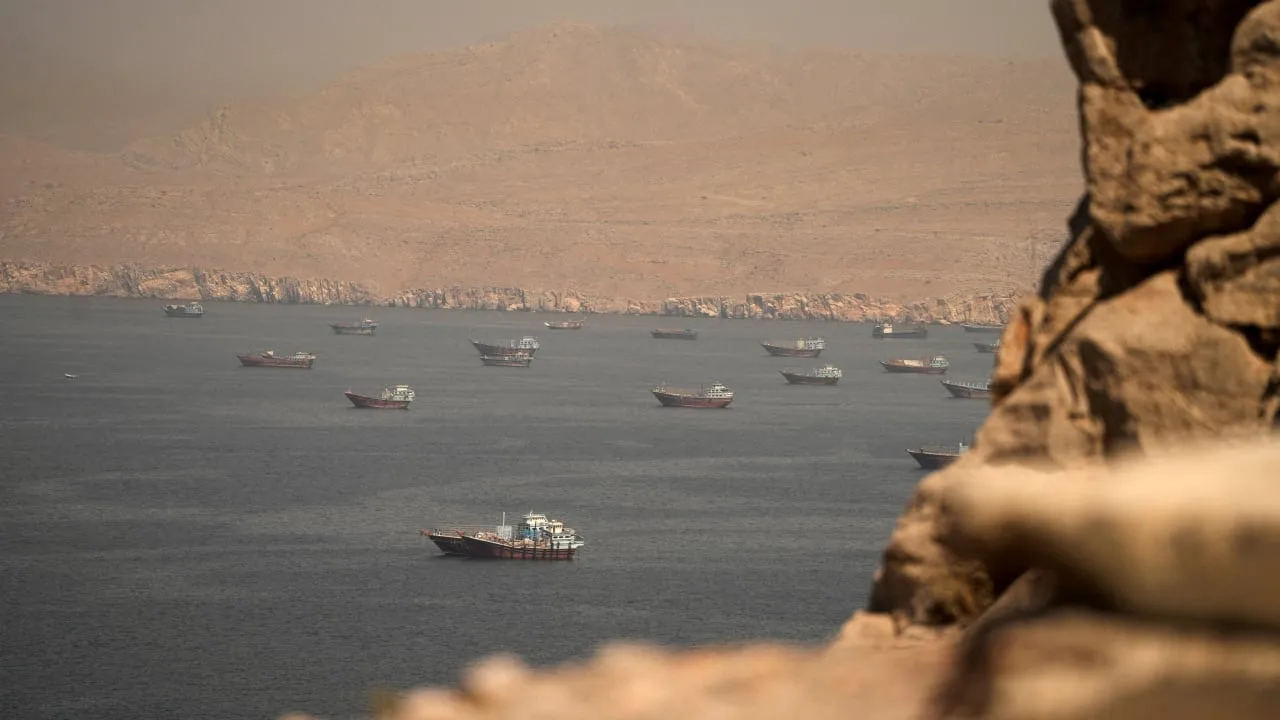
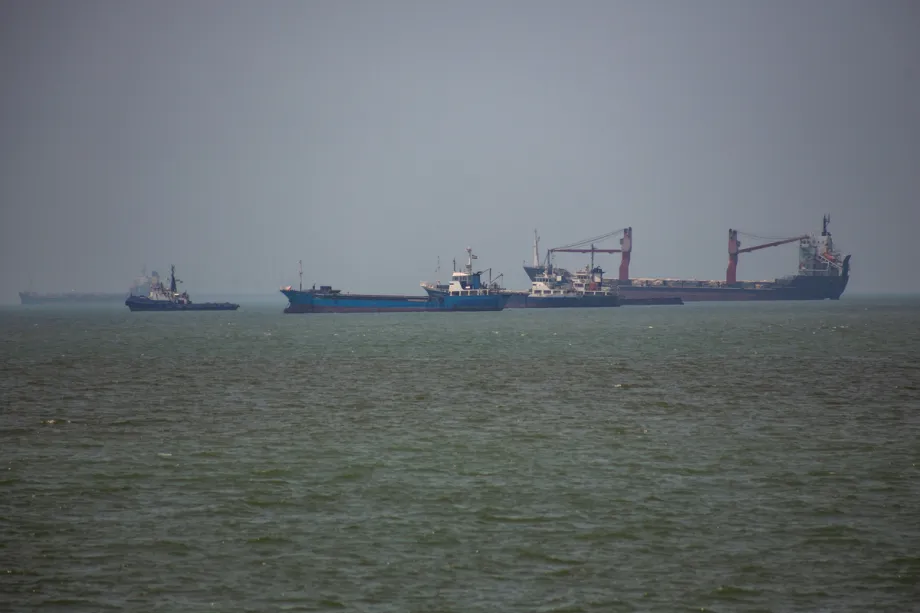
Since late February 2026, the strait has been in varying states of disruption. US and Israeli military actions against Iran triggered retaliatory threats, direct attacks on commercial shipping, and periodic blockade attempts. The back-and-forth escalated to the point where approximately 20,000 seafarers found themselves stranded across roughly 2,000 vessels.