Story audio is generated using AI
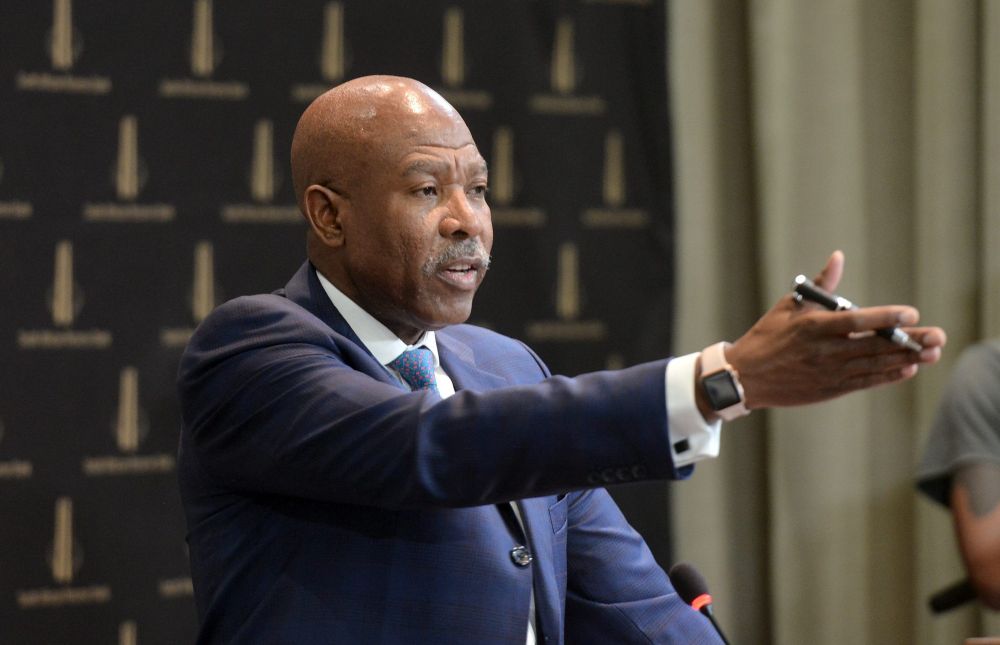
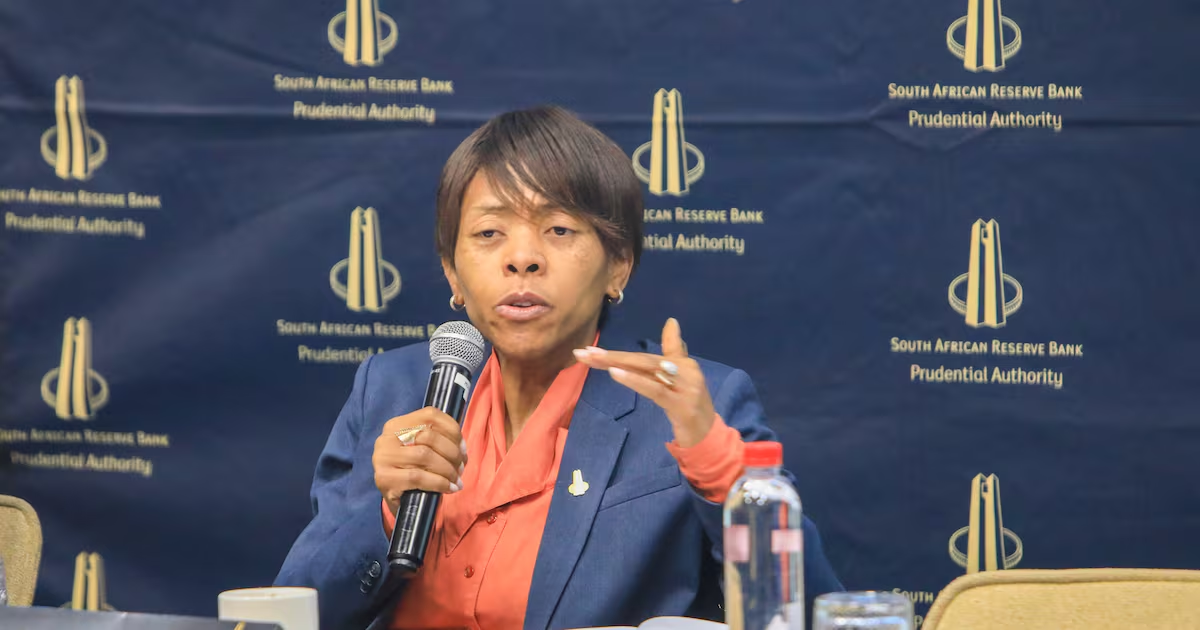
The Middle East war has placed new strain on South Africa’s financial system which had been seeing signs of stabilisation on some issues of concern at the end of last year, Prudential Authority (PA) CEO Fundi Tshazibana said on Friday.Tshazibana, who is also a deputy governor of the South African Reserve Bank (Sarb), within which the regulatory body operates, said the country’s sluggish economic growth was also contributing to the strain on the financial sector.In its recently published 2025/26 annual report the PA, whose primary mandate is to regulate banks, insurers, co-operative financial institutions, financial conglomerates and market infrastructures to ensure their financial safety and soundness, said its main focus during the period had been to build resilience in the system.“We completed the Basel III reforms, concluding our part in the great international project to institutionalise the lessons of the global financial crisis,” Sarb governor and chairperson of the Prudential committee Lesetja Kganyago wrote in a foreword.“We also saw South Africa exit the Financial Action Task Force greylist — a project in which the PA, together with other regulatory entities, have invested substantial time and resources. These accomplishments have made the system stronger.“At a media briefing on Friday to further outline the work of the PA, Tshazibana said a new layer that had had a profound impact over the past year, and continued to do so, related to the geopolitical climate and policy uncertainty in a number of areas. She said the end of 2025 had seen a rebalancing in the local financial system, with the banking sector coming out of a cycle where the banks had high levels of non-performing loans, while the insurance sector was seeing stabilisation in terms of lapse rates — the percentage of policies that are cancelled or become inactive due to unmet requirements, such as missed premium payments.“We were seeing fairly good health in terms of financial market infrastructures. We were not seeing signs of strain, we were seeing capital being at adequate levels. We were seeing liquidity levels remaining sustainable, but also in terms of other indicators of consumer health, we were seeing those improving over the past year,” Tshazibana said.“Fast forward to early 2026 and the outbreak of the war in the Middle East has placed further strain. We are still in the early parts of this new cycle that might impact consumers a lot more, where on the spending side, consumers have had to rebalance their spending towards more higher cost elements such as fuel and food prices that might be elevated for the next month.“The way that one would expect to see this balancing itself out in the financial sector would be that consumers would have a smaller level of disposable income, meaning that they would start to discriminate between certain things that they used to do a lot more. We are watching and we’re monitoring the credit numbers, but we haven’t seen anything that is spiking out of hand.”In its latest half-yearly financial stability review last month, the Sarb said the country’s financial system had become more vulnerable since the outbreak of the conflict, with weaker growth prospects, higher inflation, rising costs and tighter financial conditions weighing on household and corporate balance sheets.In its annual report, the authority says despite external pressures, the South African financial system continues to stand on a strong foundation.“The banking sector remains well capitalised and liquid, demonstrating resilience in a challenging environment. While credit risk remains elevated, ongoing supervisory efforts help ensure continued stability,” it says.In notes, however, smaller deposit-taking institutions face vulnerabilities related to the economic cycle, and challenges related to their business models.“The importance of organisational and operational resilience remains an area of supervisory focus. In this regard, supervision remains focused on strengthening governance across all institutions,” the report says.Business Day