Investment experts warned that renewed tensions in the Middle East could push up fuel prices, weaken the rand and increase the likelihood of another interest rate hike, placing further pressure on South African households.
Renewed military tensions between the United States and Iran have shifted investor attention back to one of the world's most important energy corridors, with market experts warning that prolonged disruption could translate into higher fuel prices, rising inflation and increased borrowing costs for South African consumers.
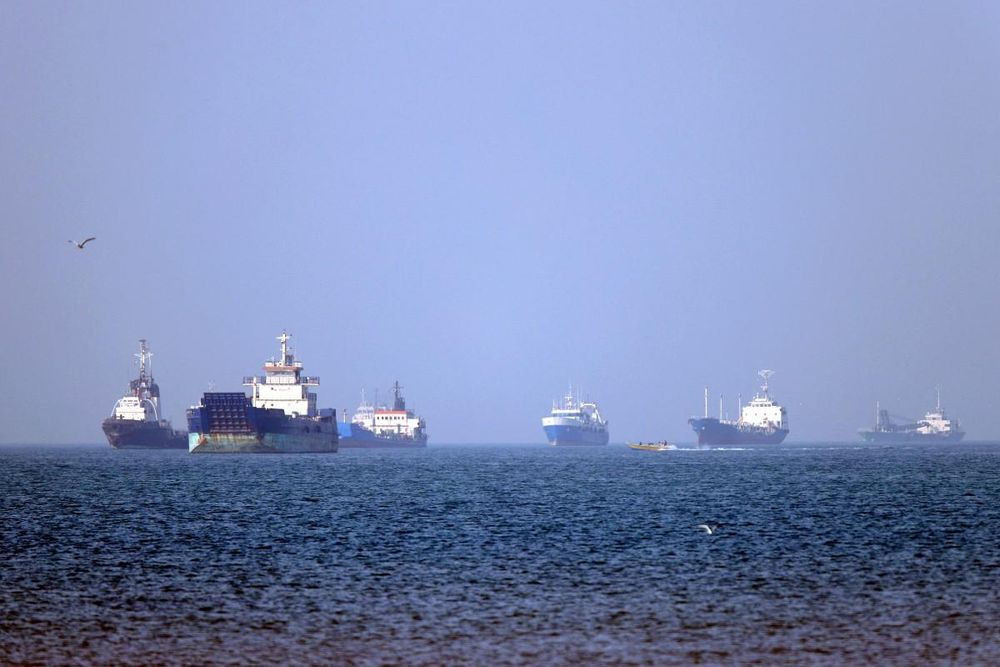
Although financial markets had initially welcomed the ceasefire announced earlier this month, fresh hostilities have pushed oil prices sharply higher and raised concerns about the security of shipping through the Strait of Hormuz, a vital route for global crude oil supplies.
Stephan Erasmus, investment analyst at Anchor Capital, said markets had largely assumed that the conflict had stabilised before the latest developments.
"Given the recent ceasefire, financial markets had largely discounted the risk of a flare up of fighting in the Middle East. The price of oil had retreated to levels similar to before 28 February 2026. However, since last Wednesday's developments, oil prices have risen sharply."