Story audio is generated using AI
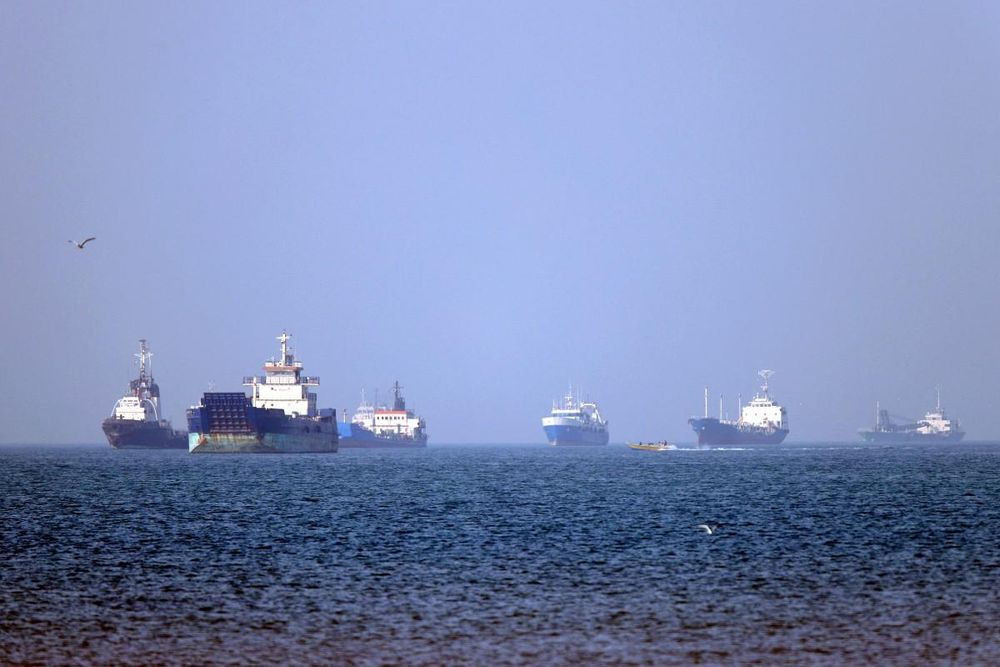
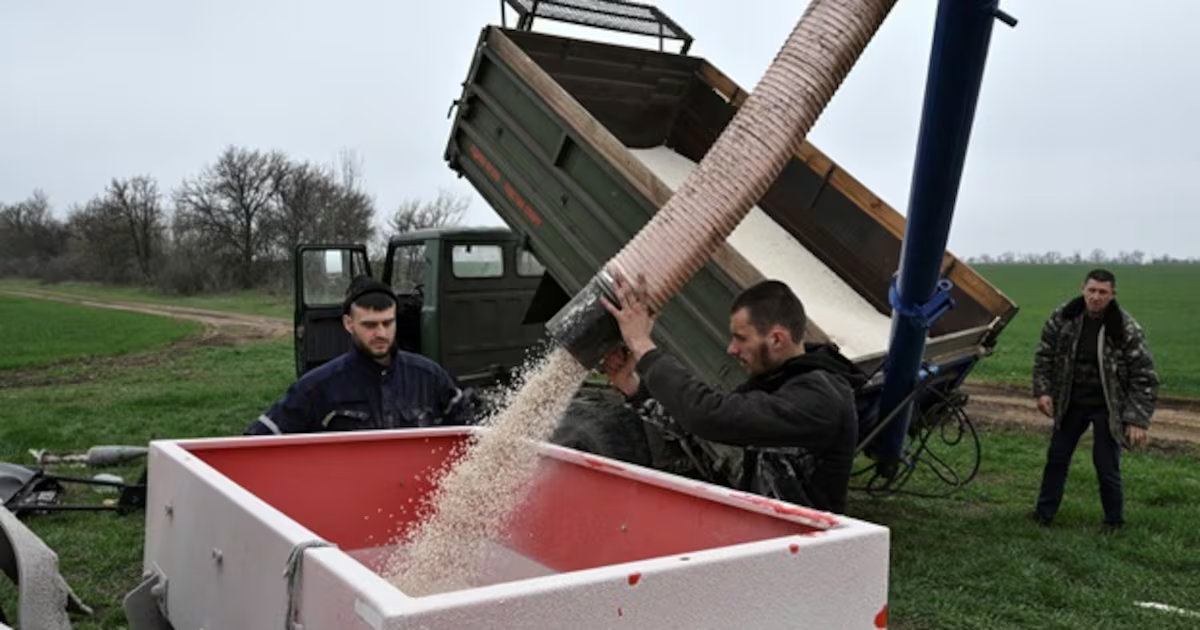
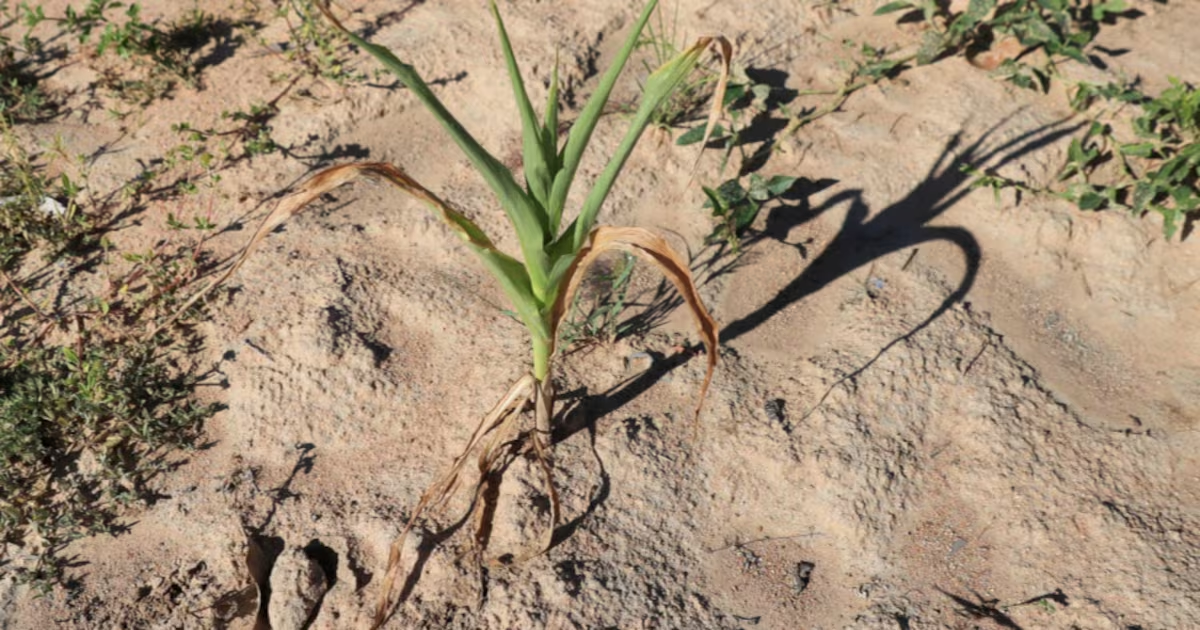
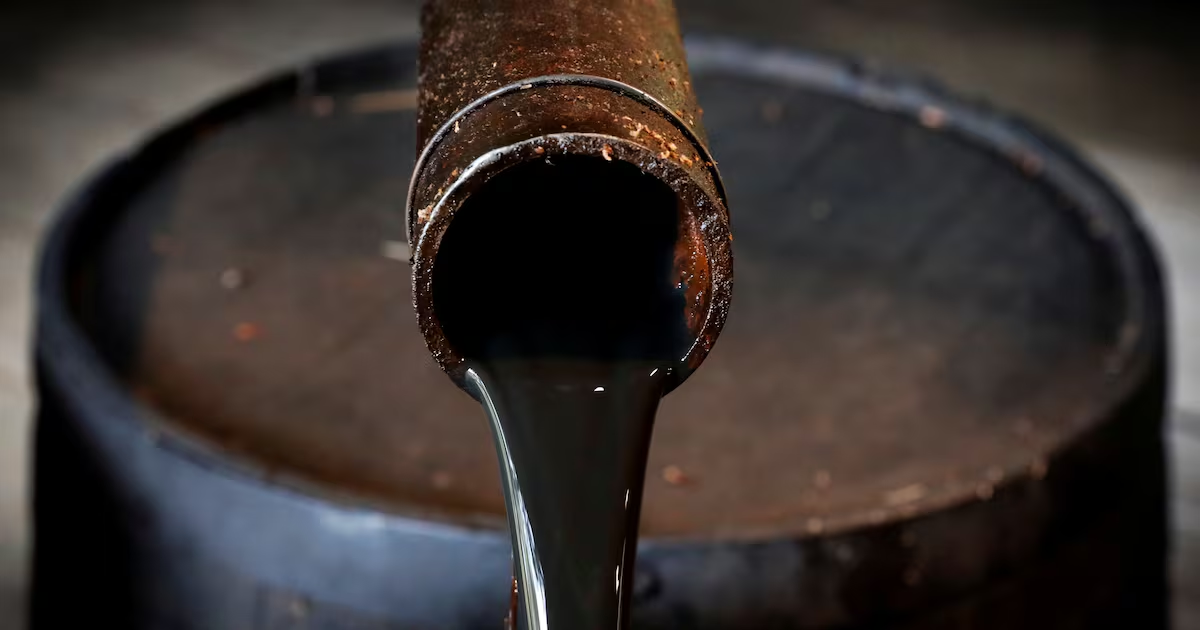
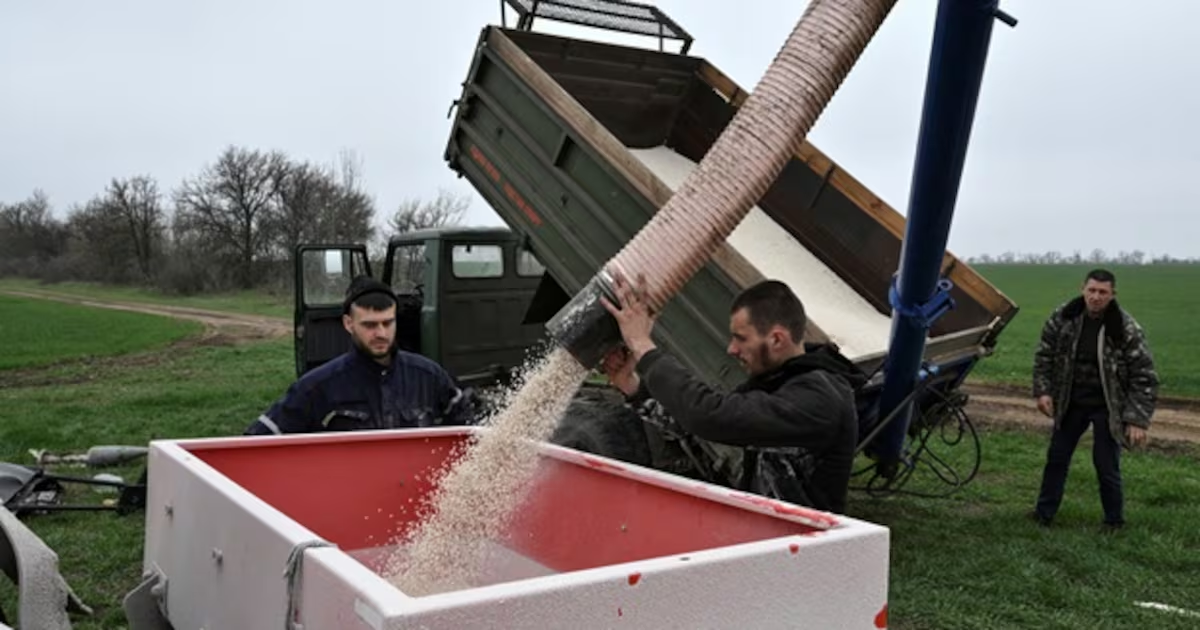
Agricultural economists have warned that renewed military strikes in the Middle East could reverse recent declines in fertiliser and fuel prices, increasing input costs for South African farmers ahead of the 2026/27 summer planting season.In a research note released on Wednesday, agricultural business organisation Agbiz said renewed uncertainty over the conflict had increased the risk of disruptions to shipping through the Strait of Hormuz, a critical route for global energy and fertiliser supplies.The warning comes after optimism earlier this week that a possible memorandum of understanding between Iran and the US could help stabilise agricultural input prices. However, fresh strikes in the region have cast doubt over those negotiations and renewed concerns about global supply chains. “We saw the benefits in the relief for fertiliser and fuel prices. The recent strikes introduce new risks to the likelihood of affordable fertiliser and fuel prices going forward, particularly if we see yet another holdup on ship movements in the region,” Agbiz chief economist Wandile Sihlobo said.Sihlobo said considerable uncertainty remained over how neighbouring countries would respond to the latest developments.South Africa is about three months away from the start of the 2026/27 summer crop season, with planting expected to begin in mid-October. Farmers typically begin placing orders for fertiliser and fuel well before planting, though this year’s procurement may be delayed because the current maize harvest is running more than a month behind schedule.According to Agbiz, fuel and fertiliser together account for about half of production costs for field crops, making any increase in prices a significant concern for producers.“Having such a substantial share of input costs rising at a time when commodity prices were falling meant that some farmers would be in a tough financial corner,” Sihlobo said.He noted some had questioned whether financial pressure could force farmers to leave land fallow during the coming season, though he said it was still too early to make that assessment.“Historically, South African farmers have consistently maintained roughly the same area under cultivation, even in challenging seasons. If there is anything, there is typically a switch among various summer crops depending on profitability,” he said.The latest geopolitical tensions have also pushed global oil prices higher amid renewed fears of supply disruptions through the Strait of Hormuz, one of the world’s most important shipping routes for crude oil and other commodities. Despite concerns over higher input costs and the possibility of an El Niño weather pattern affecting production, Agbiz said conditions in South Africa were more favourable than some forecasts suggested.Sihlobo said improved soil moisture after an extended rainy season and healthy dam levels would support agricultural production and irrigated farming.“While we acknowledge the uncertainty, we believe that the weather challenge may not be as harsh as some fear. Better soil moisture across the country, following a longer rainy season, will support agricultural activity and grazing veld. Moreover, dam levels are healthy, which will help irrigated agriculture,” he said.Business Day