Story audio is generated using AI
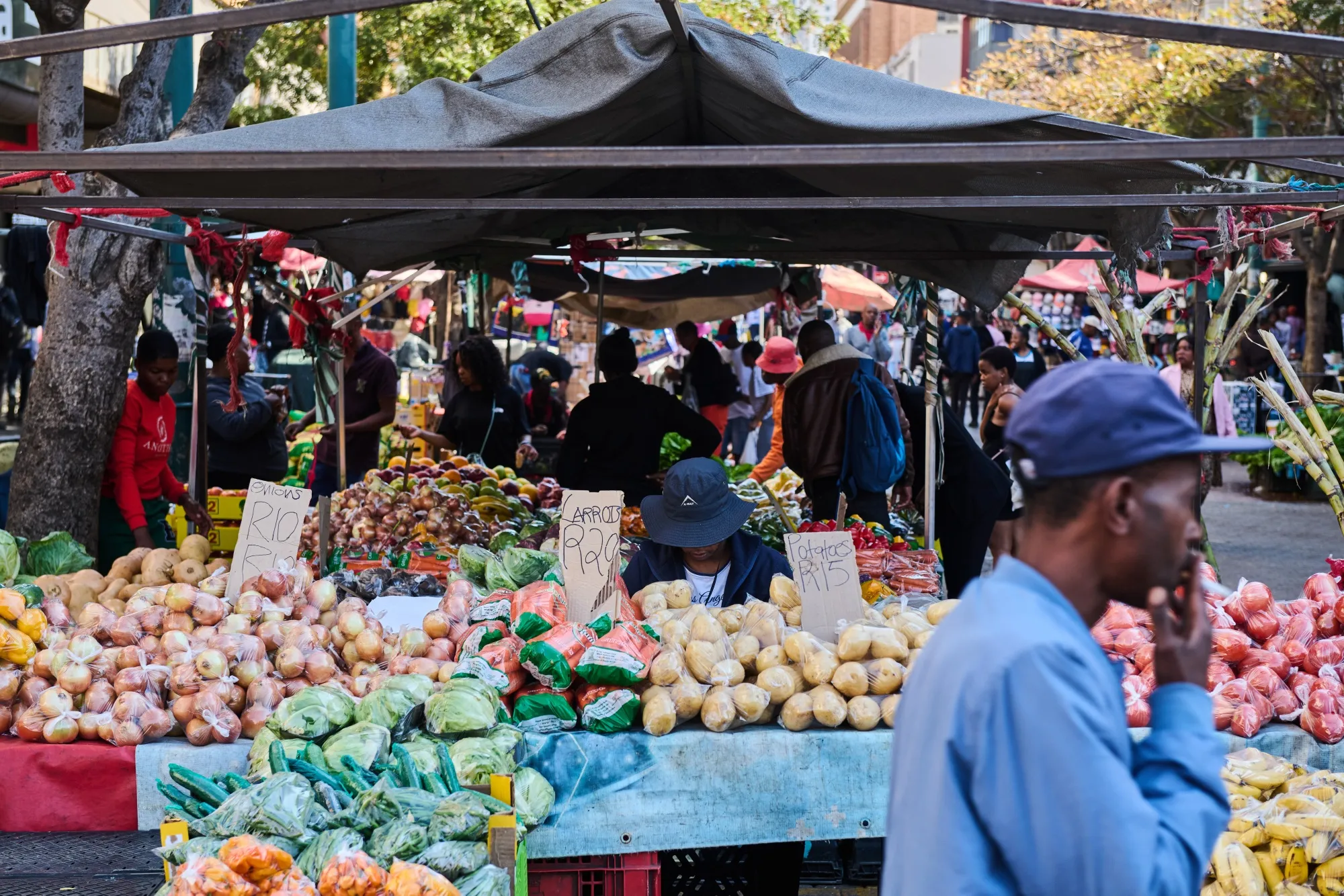
Although the Middle East is moving towards a fragile lull in hostilities, the economic shock caused by the conflict, including supply chain disruption and inflation spikes, is already spreading to the global economy. Oil-importing economies such as South Africa are particularly exposed to rising inflationary pressures, notably on food and transport. The Strait of Hormuz is a strategic chokepoint for the supply of hydrocarbons — key components in fossil fuels — and few countries have been able to sidestep these disruptions, meaning a return to normality will take time, according to a report by credit risk company Coface.It said oil products are a significant component of Africa’s energy mix, with their consumption being concentrated in the continent’s most industrialised economies such as South Africa, Egypt, Nigeria and Morocco.“However, all African countries will be affected by the new inflationary shock — especially if food prices start to increase substantially due to input price pressures, fertiliser shortages and adverse weather conditions — and its spillover effects,” Coface said.Affordability indexThe report coincides with South Africa’s latest affordability index, published by Pietermaritzburg Economic Justice and Dignity (PMBEJD), a civil society initiative. It shows the cost of the household food basket increased by 0.4% month on month to R5,502.42 in June.Taking into account the national minimum wage of R30.23 per hour, averaging R5,078.64 for a 21-day working month, this points to hardships for many South African households that rely on a single income to support a family, said Tando Ngibe, a senior manager at Budget Insurance.“This shows the broader financial strain facing households, and while consumers welcome the decrease in fuel prices from Wednesday, cash remains tight,” Ngibe said.The mineral & petroleum resources department announced significant reductions in the cost of petrol and diesel from Wednesday, reflecting lower global oil prices on hopes of progress in efforts to resolve the US-Iran conflict.But while the cuts provide welcome relief, they recover only a small portion of the significant consecutive monthly fuel hikes between March and June, leaving fuel prices substantially higher than they were at the start of the year, according to debt counselling service Debt Rescue.“Unlike temporary fuel price volatility, sustained increases in food, electricity, transport and municipal charges permanently reshape monthly household budgets, forcing many households to reduce discretionary spending, exhaust available savings and increasingly rely on credit simply to maintain essential living expenses,” Debt Rescue CEO Neil Roets said.The outlook beyond July is uncertain, with renewed attacks in the Middle East over the past week raising the risk of higher international oil prices if tensions escalate, he said.Tension remained high in the region on Wednesday, even as the US and Iran held technical talks in Doha seeking agreement on the flow of shipping through the Strait of Hormuz and to secure a lasting ceasefire, Reuters reported.“Consumers often underestimate how quickly international events reach the household budget. A sustained increase in global oil prices rarely remains confined to fuel. It steadily filters through supply chains into transport, food production, retail prices and ultimately the cost of almost every essential product consumers purchase,” Roets said.“As food consumes an increasingly larger share of household income, financial resilience deteriorates rapidly. This has a disproportionate impact on lower-income households, where food already accounts for a significantly larger share of monthly expenditure. It forces families to make impossible sacrifices in basic nutrition, which ultimately affects health, wellbeing and long-term financial resilience.”Business Day