Story audio is generated using AI
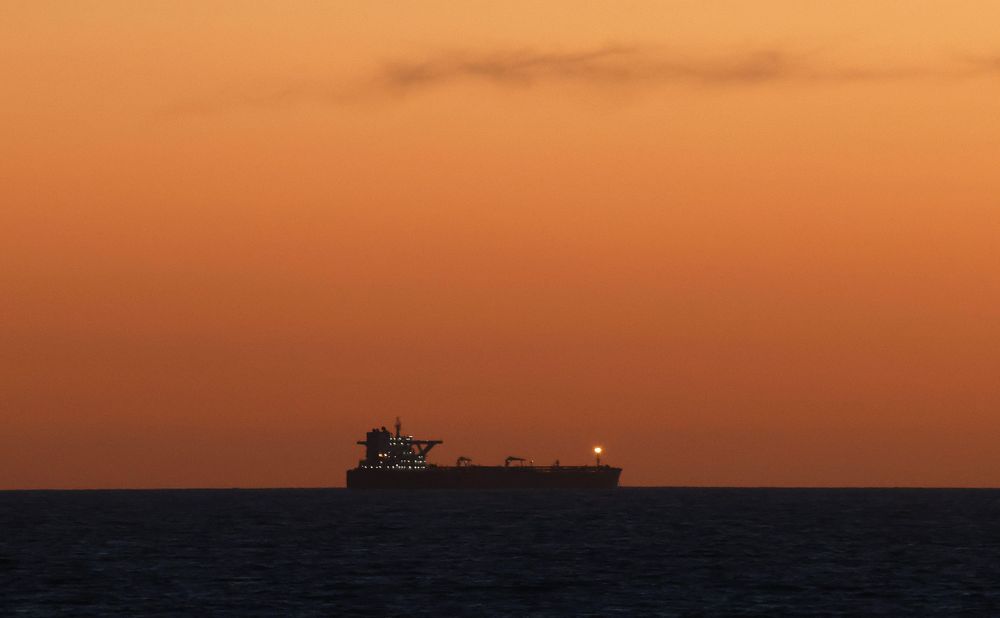
The global energy shock triggered by the war between the US and Iran had a negative impact on inflation expectations in South Africa in the second quarter of the year, with all four social groups surveyed by the Bureau for Economic Research (BER) recording surges.For the professional groups — including analysts, business people and trade union officials — the average inflation expectation for 2026 jumped to 4.4% in the second quarter from 3.6% during the first three months of the year, significantly above the South African Reserve Bank’s (Sarb) 3% target.This backs the case for another rate hike when the Bank holds its fourth policy meeting of the year in July. In May, the Sarb raised its benchmark policy rate by 25 basis points to 7%, citing a deterioration in the inflation outlook.The BER survey showed the five year inflation expectations for the professional groups also increased to an average 4.1% from 3.6%.Household inflation expectations rose further after a marginal uptick in the first quarter, with one-year expectations measured at 6% from 5.4%, while five-year expectations climbed to 9.1% from 8.4%.“Yet, the wage expectations of the respondents were virtually unaffected. They anticipate wages to rise by 4.8% this year and next (4.7% previously),” the BER noted.All three professional groups revised their economic growth expectations lower. On average, they saw GDP expansion of only 1.2% in 2026, down from the 1.5% predicted in the first quarter. Thereafter, they foresee a slight acceleration to 1.5% in 2027. In his February budget speech, finance minister Enoch Godongwana predicted economic growth of 1.6% in 2026, but is likely to reduce this in his medium term budget policy statement in October. The IMF has slashed its own growth prediction for the country to 1% from 1.4% earlier, citing the fallout from the Middle East conflict.The BER said the second-quarter survey was conducted against a backdrop of heightened geopolitical tensions in the region, after the US launched a military attack on Iran at the end of February, after which the latter closed the Strait of Hormuz, resulting in a significant interruption in the global fuel supply.“Against this backdrop of higher energy prices during the survey period, all three professional groups revised their inflation expectations higher across the forecast horizon,” it said.On Tuesday the UN trade and development agency warned that while the reopening of the Strait of Hormuz under an interim peace agreement will bring immediate relief to energy markets, vulnerable economies remain at risk from prolonged increases in food and fuel costs, Reuters reported.Among the three professional groups in the BER survey, analysts foresee the quickest return towards the Sarb’s 3% target, predicting inflation will subside to 3.5% by 2028, while business people and trade unions are slightly more sceptical, anticipating 4.0% and 4.4% respectively. Trade unions revised their forecast for the next five years the most, from 3.7% to 4.7%, while analysts reported the lowest expectations, anticipating inflation of only 3.5% compared with 3.2% before. Business managers made the smallest revision, an upward adjustment of 0.2 percentage points to 4.2%.During the second quarter of 2026, the survey respondents from the three professional groups, on average, expected that wages will increase by 4.8% in both this year and next year, up by only 0.1 percentage points from the previous quarter despite the significant increase in inflation expectations.Analysts anticipate lower wage growth (4.7% this year and 4.2% next year), whereas trade unions expect a 5.3% increase next year and business managers are predicting wage increases of just below 5% in both years.The survey respondents no longer anticipate a downward trend in the prime overdraft rate — the benchmark used by commercial banks to price loans and credit facilities, generally set 3.5 percentage points above the Sarb’s policy rate. Respondents now expect the prime rate to be 10.50% by the end of 2026, up 50 basis points from their first quarter expectations. Another consequence of the US-Iran war is higher risk priced into government bonds, the BER said. Analysts revised their yield forecast for the 10-year bond to 8.52% and 8.17% by the end of this year and next, up by 60 and 48 basis points, respectively.