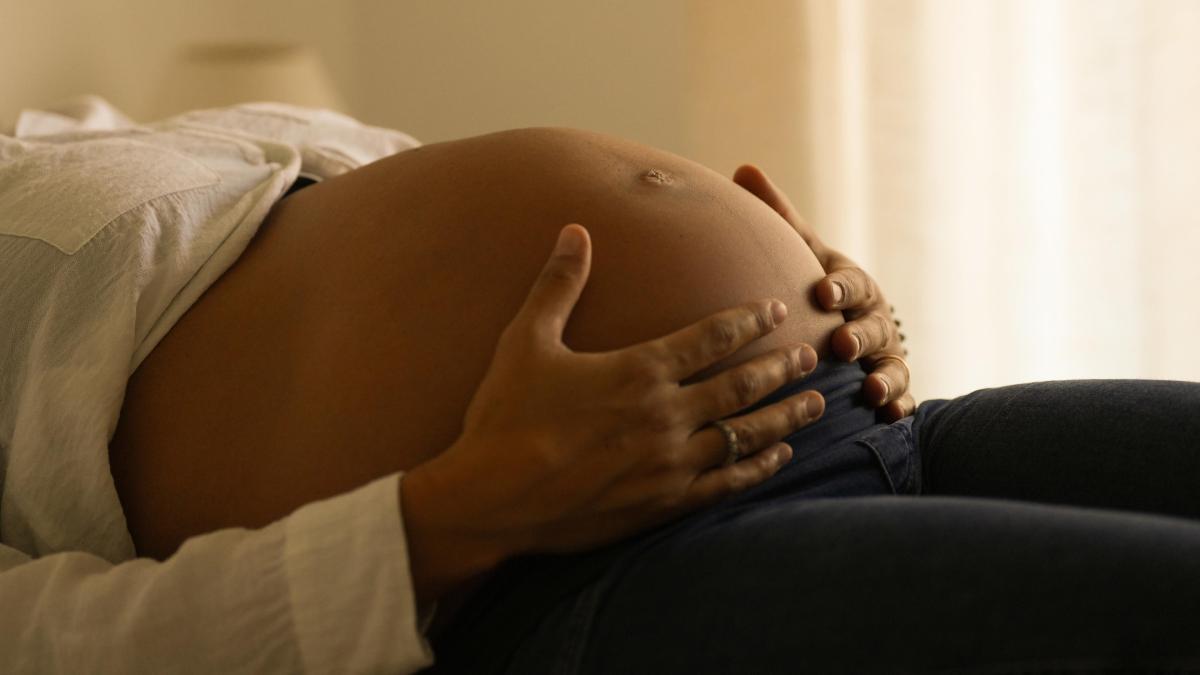
Madrid’s regional parliament has passed what is being called the ‘conceived unborn child’ law. As soon as a pregnancy is medically accredited it will count in determining a family’s eligibility for certain benefits. After the fourteenth week of the pregnancy, if this is their third child, families will be able to access additional benefits such as discounts on public transport, grants and other subsidies. If the pregnancy is lost, families will not have to repay the benefits already received.
The left’s argument is that the Partido Popular is using a ‘Trojan horse’ strategy: making the law appear benevolent and pro-family on the surface while shifting the way a foetus is described by the state
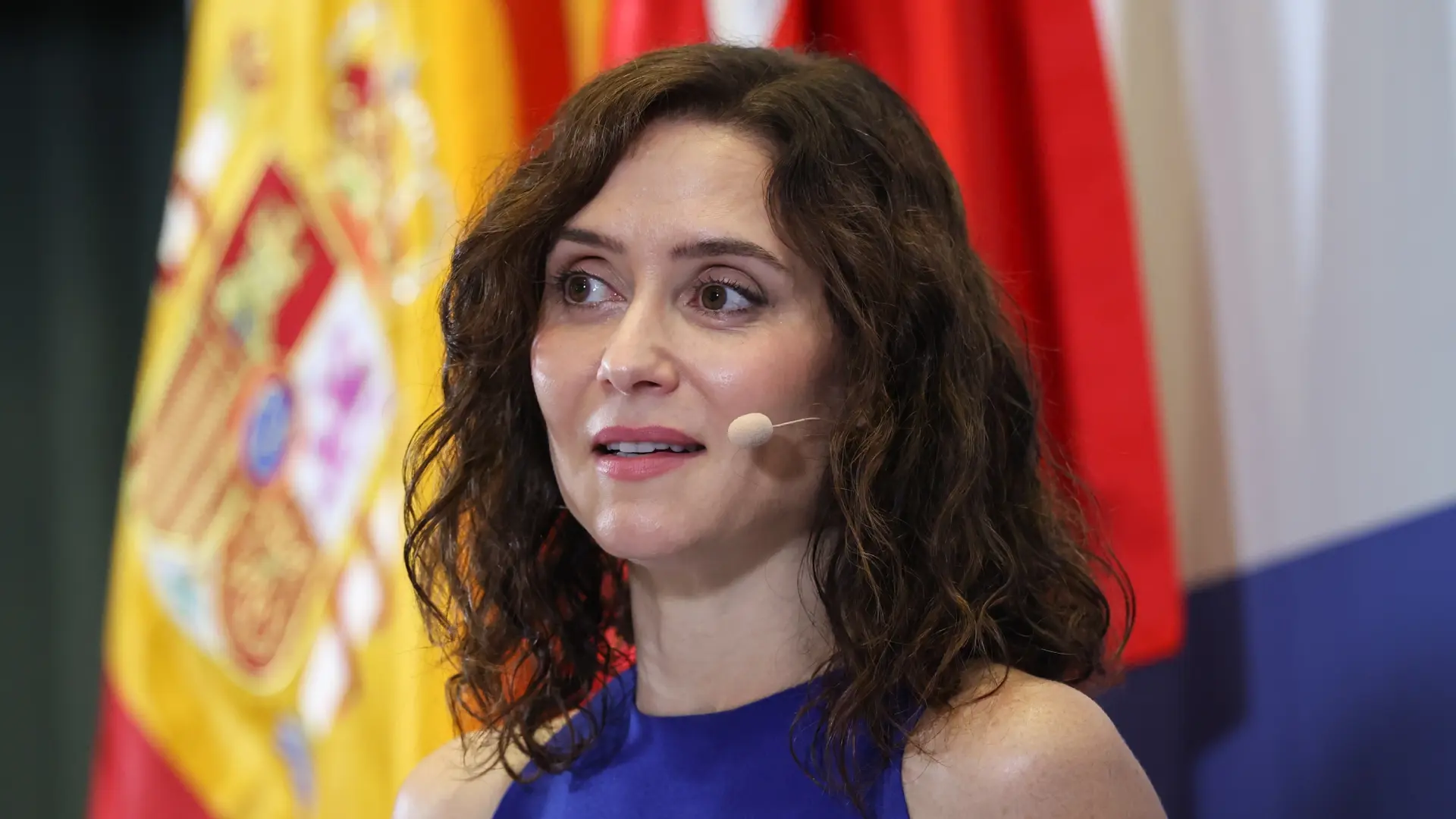
Isabel Díaz Ayuso, the right-wing president of the Madrid region, frames this new law as a pro-family initiative designed to tackle plummeting birth rates. Spain’s fertility rate has collapsed from 2.8 in 1975 – the year that the dictator Francisco Franco died – to 1.1 in 2024. It’s one of the lowest rates in the world and far below the level (2.1) at which existing population levels would be maintained in the absence of immigration.
Alberto Núñez Feijóo, the national leader of Ayuso’s Partido Popular, was quick to offer his support for the new policy: ‘When a woman is expecting a child, I understand that this should be reflected in public sector aid and subsidies, [so that it] has an economic and social impact for the woman and the family expecting it.’ Borja Sémper, the national spokesman for the Partido Popular, said that the aim is ‘to help families, support motherhood, promote work-life balance, and ensure that having children in Spain is no longer seen as a heroic feat.’