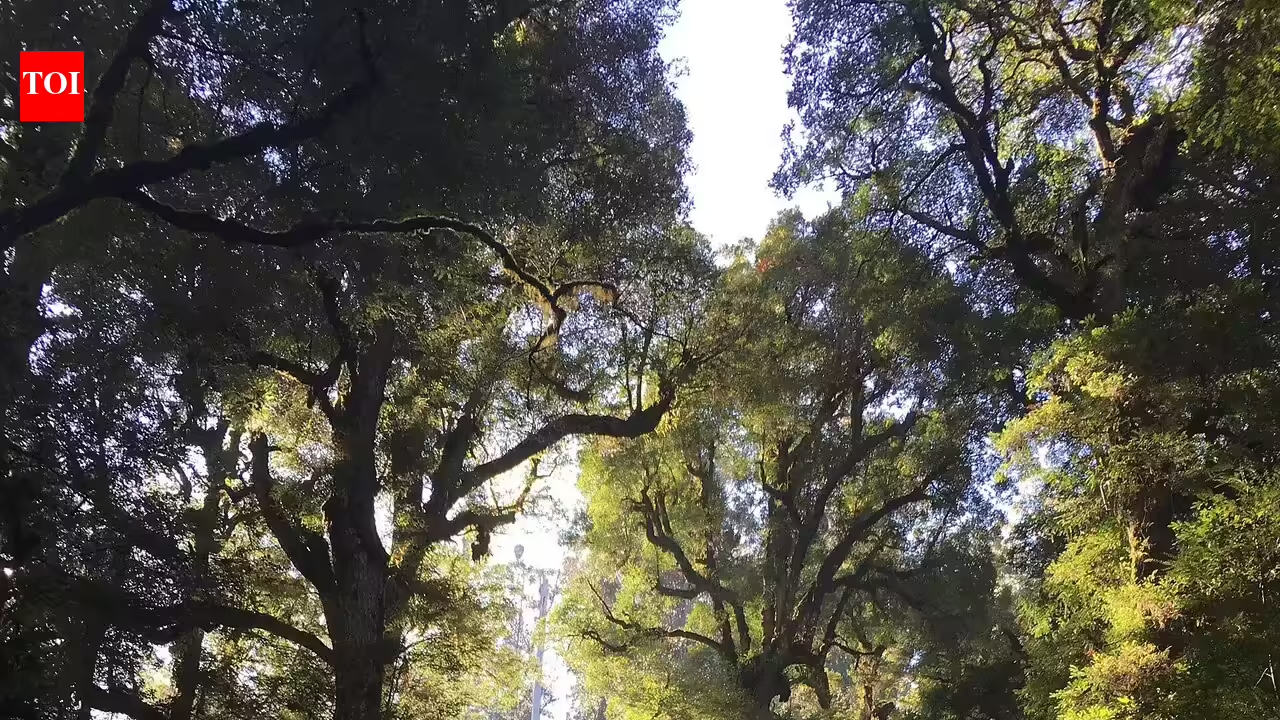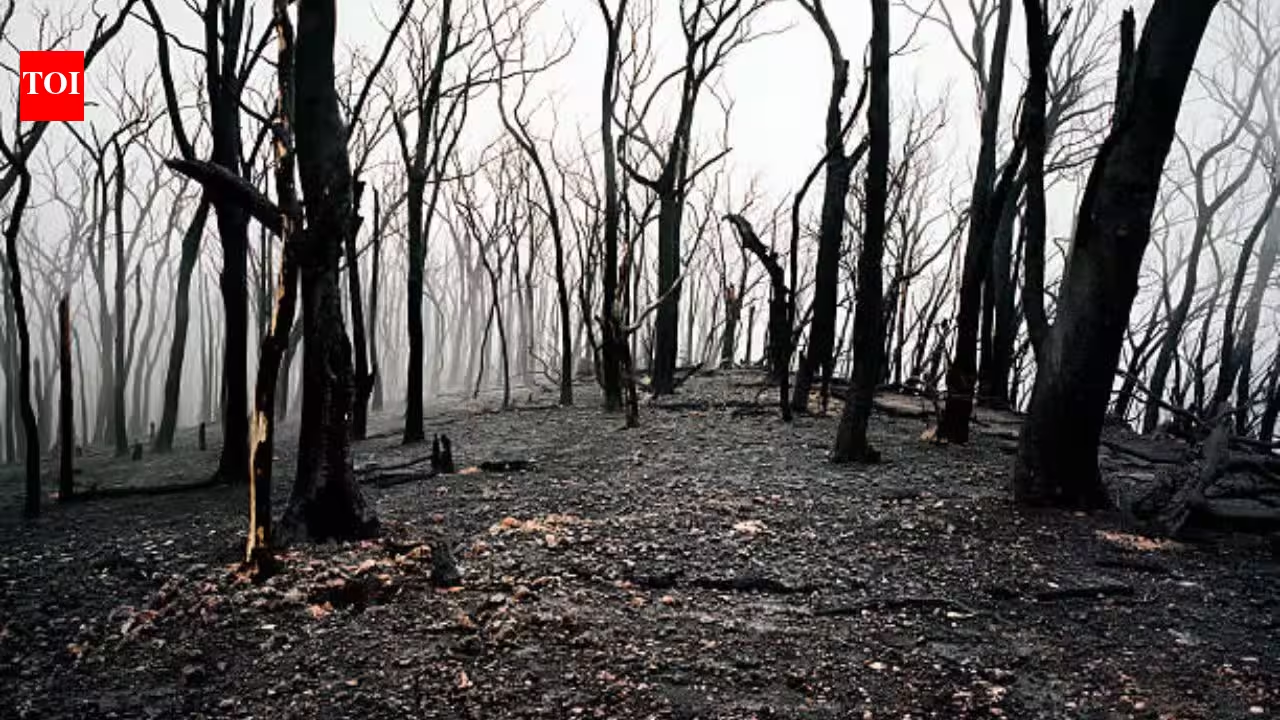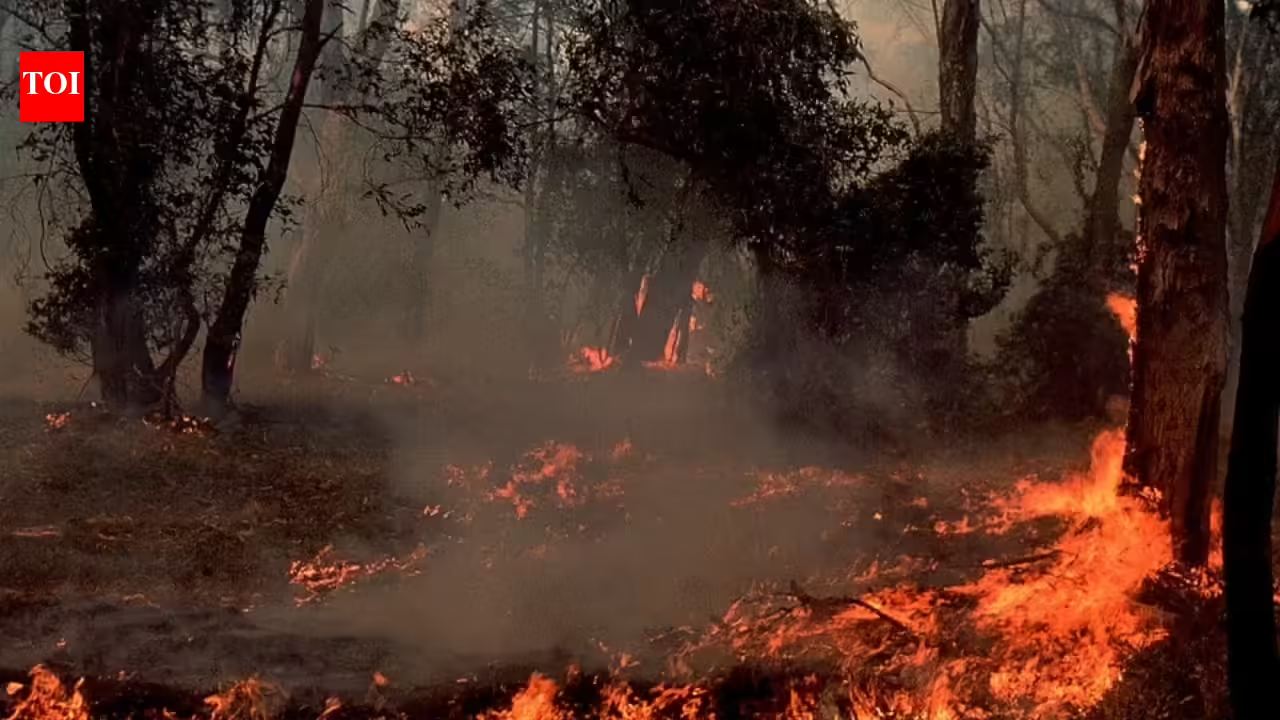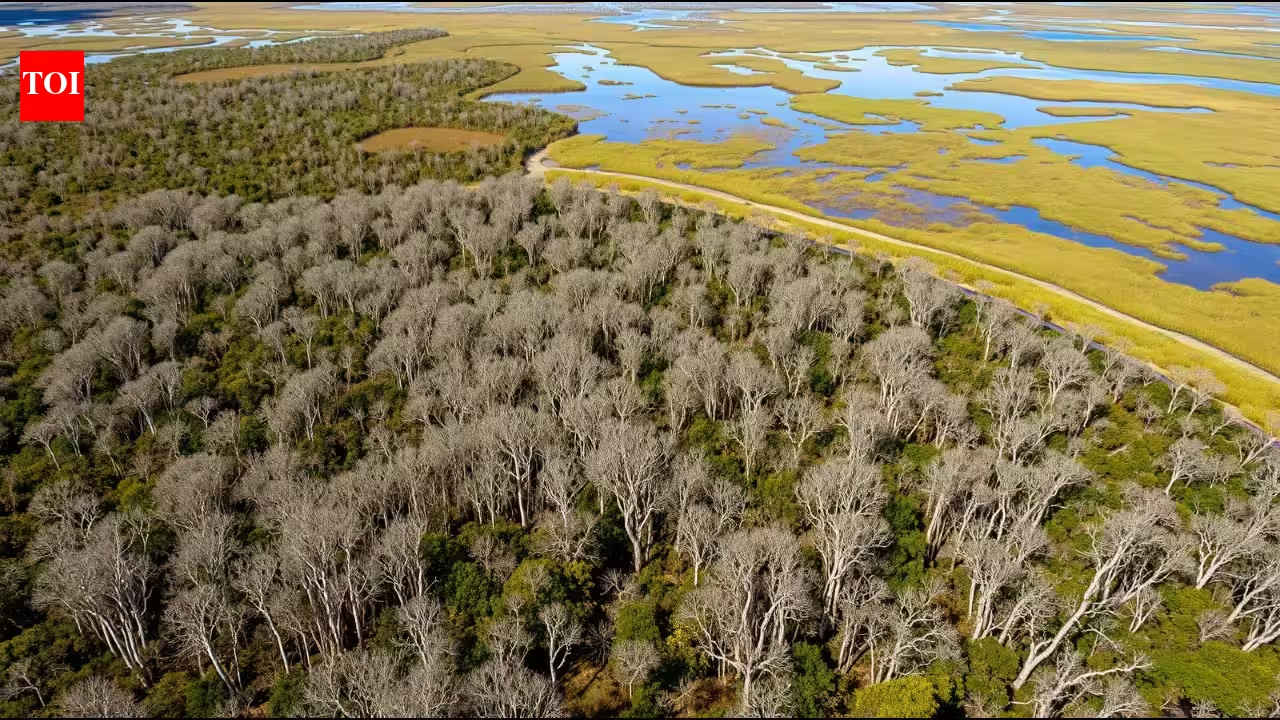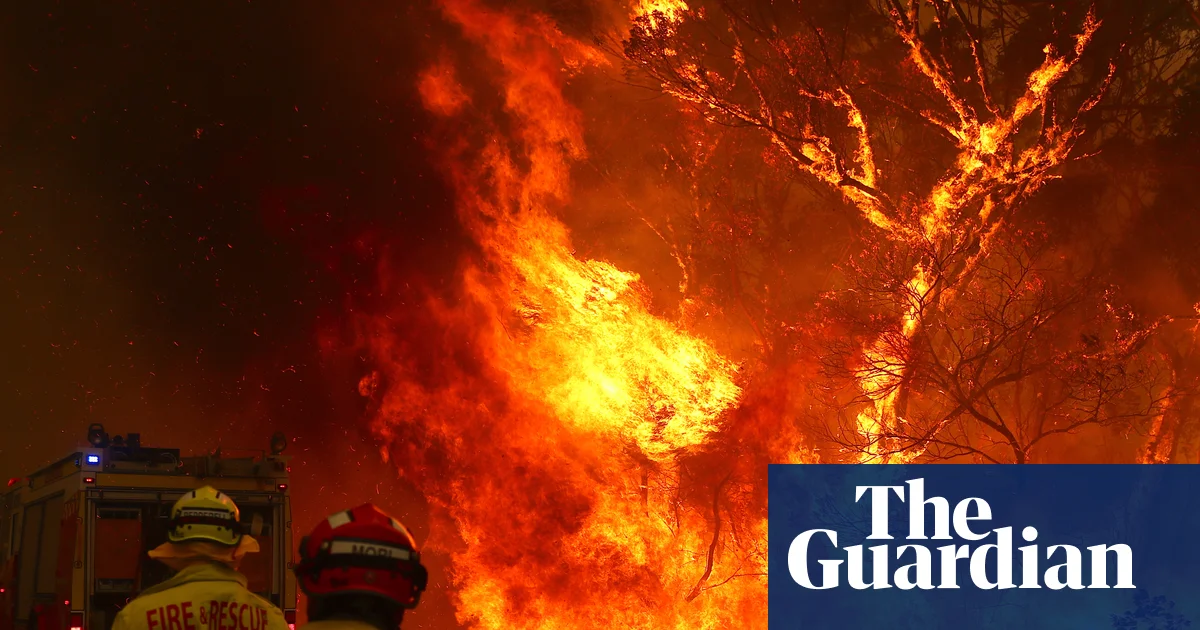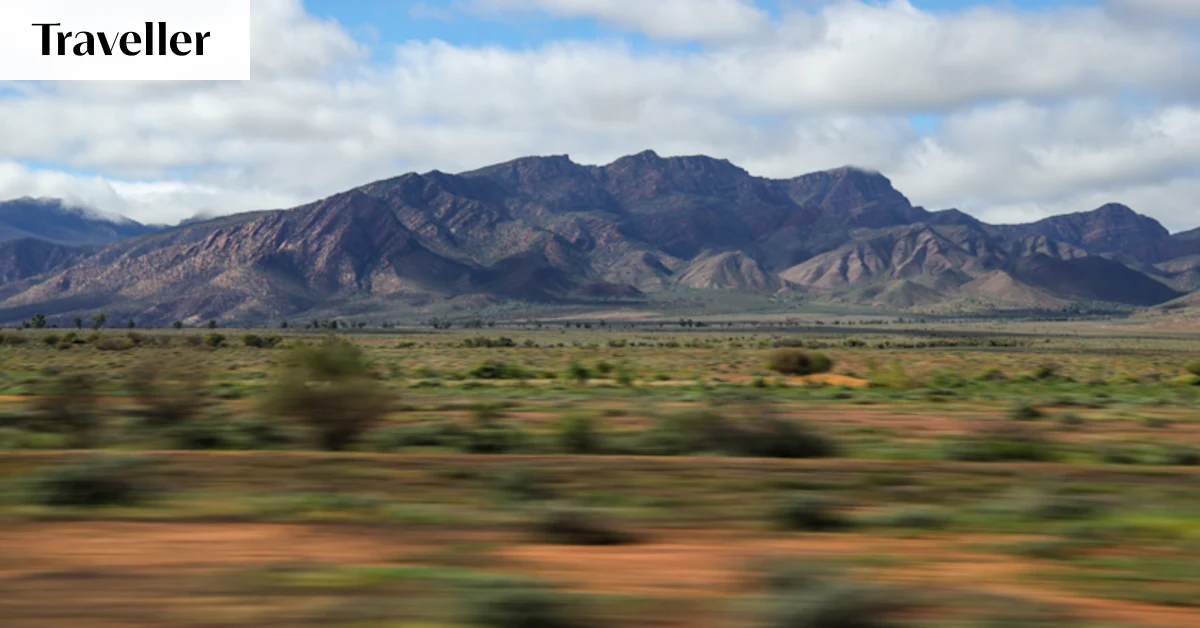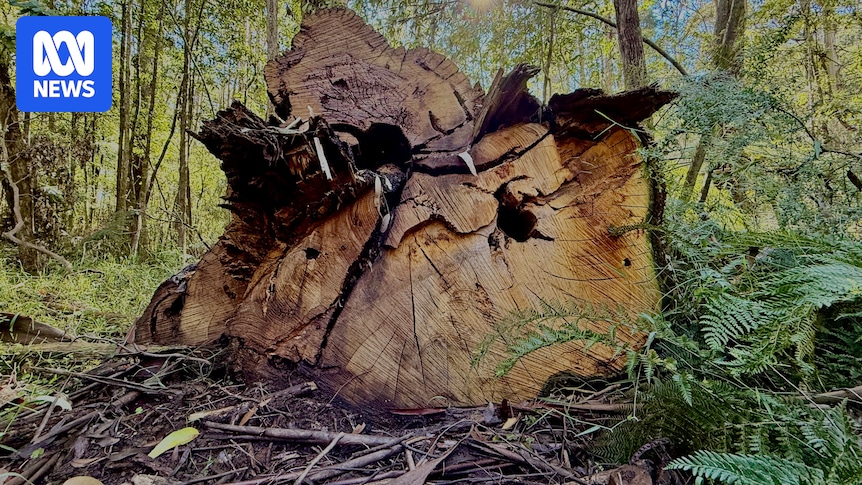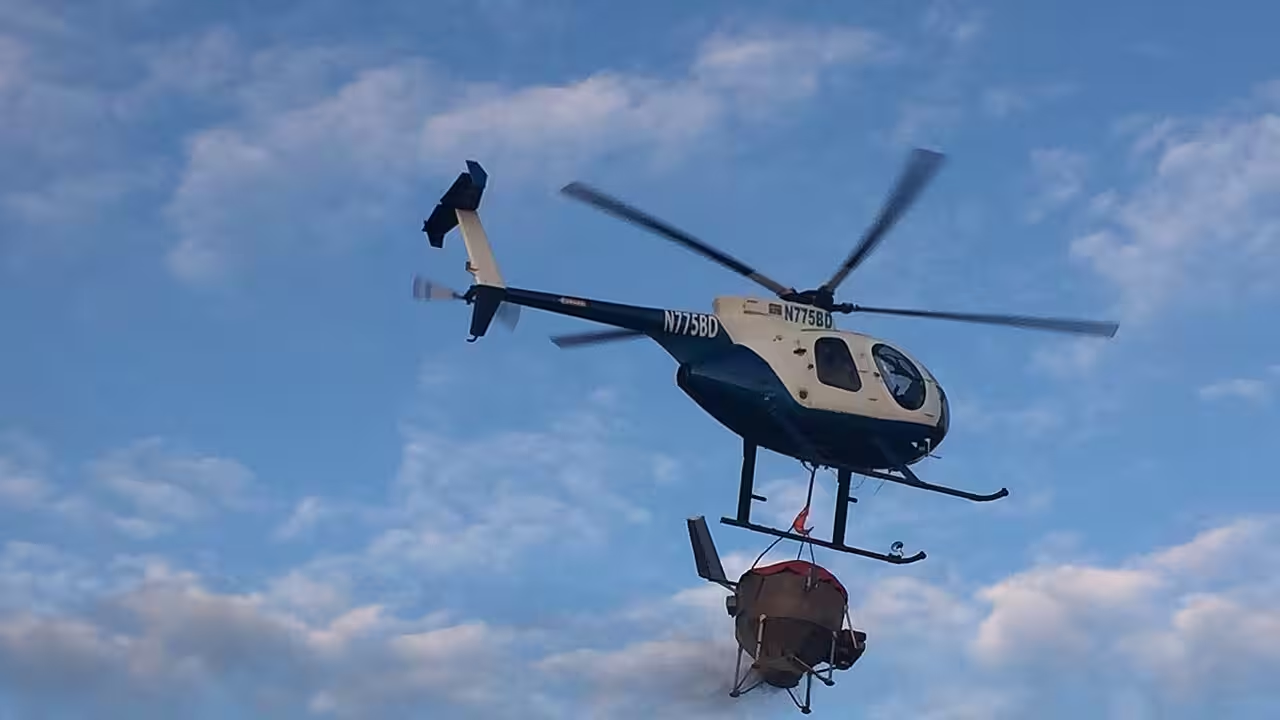
Frequent bushfires threaten southeastern Australia's alpine ash forests. These trees require fifteen to twenty years to mature and produce seeds. Image Credit: Wikimedia CommonsFor years, southeastern Australia’s mountain ranges have been valued for their scenery and ecosystems. They provide habitat for many native species. Climate change is making these landscapes more vulnerable to fire. Wildfires are returning more often and outside their usual patterns.When intense bushfires sweep through these regions, the immediate focus is on protecting human life and property. But ecological damage can continue long after the smoke clears. Native forests once recovered through natural reproductive cycles after fire. Today, the intervals between major blazes have grown so short that the natural recovery process is breaking down entirely. The problem led conservationists and aviators to use aerial seeding to help restore the forest.To understand the sheer scale of this challenge, look to a study led by researcher O.D. Bassett along with a dedicated team of environmental scientists. The paper examines how a series of closely spaced bushfires between 2003 and 2013 pushed magnificent alpine ash populations to the very brink of extinction. The study details a fascinating biological vulnerability: these magnificent, long-lived trees belong to a specific category of plants known as obligate seeders. Unlike other eucalyptus species that can sprout new green shoots from their trunk or roots after a fire, alpine ash trees are completely killed by intense flames. Their survival depends on seeds stored in the mature canopy being released onto freshly burned soil.The paper reports that after the 2013 Harrietville-Alpine bushfire, only about 17% of the 2,637 ha of alpine ash forest within the fire area escaped damage, and it argues that three short-interval fires had effectively pushed these stands toward local loss. To test whether recovery was still possible, the team compared burnt areas with and without a nearby seed source and found that aerial sowing could restore regeneration where natural seed supply had been wiped out.This system works as long as the trees have time to mature and produce seeds. The problem is that another wave of fires sweeps through the region while the young trees do not yet reach reproductive maturity, which normally requires about fifteen to twenty years. Once more than one fire sweeps through a young forest, there will be no canopy seed bank to restore the trees. The study says that without human intervention, repeated fires can cause regeneration failure and replace alpine ash forests with shrublands and grasslands.Flying to save EarthAs tens of thousands of hectares of forest were at risk in Alpine National Park, conventional tree planting was not practical. It would take years to cover the steep, rugged mountains by hand and would be dangerous for workers. Instead, a unique aerial sowing project was initiated by the authorities, using special planes and helicopters to sow millions of seeds over the burned-out soil, an airlift operation that aimed to bring the forest back to life after the devastating bushfires.The operation required careful logistics. The research team changed the conventional seeding rates, employing a more conservative approach to distributing seeds compared to that used in commercial timber forestry silviculture activities. By assessing the most severely affected areas, the team could target seed drops where they were needed most. This careful planning helped distribute the seeds efficiently and support regrowth across large areas.Aerial seeding offers a solution to restore these vital ecosystems. This method helps regenerate areas where natural seed sources are destroyed. Protecting young saplings is crucial for future forest recovery. Image Credit: Wikimedia CommonsDefeating nature for the sake of the green futureDropping millions of seeds from above is one step in restoring the forest. As the research paper notes, special attention was given to what happens to the seeds after they land. It turned out that the very first summer is the most dangerous period for the newly sprouted plants. The first summer is the most dangerous period for newly sprouted plants.The study found that seedlings from aircraft-dropped seeds suffered no greater mortality than those from the natural canopy. While the total number of established trees in the aerially sown zones was slightly lower than in naturally regenerated areas during the first year, the overall stocking rates remained well within the acceptable threshold required to successfully rebuild a healthy, functioning forest canopy.The successful aerial seeding effort offers a useful lesson for conservation during periods of extreme weather. It shows how technology and plant biology can help protect endangered ecosystems. The key task for land managers is to protect the saplings from further fires for the next 20 years so they can mature and produce seeds.
Australia dropped millions of seeds from the sky after catastrophic fires killed seed-bearing trees, helping native forests regrow from the air
For years, southeastern Australia’s mountain ranges have been valued for their scenery and ecosystems. They provide habitat for many native species.
768 words~3 min read