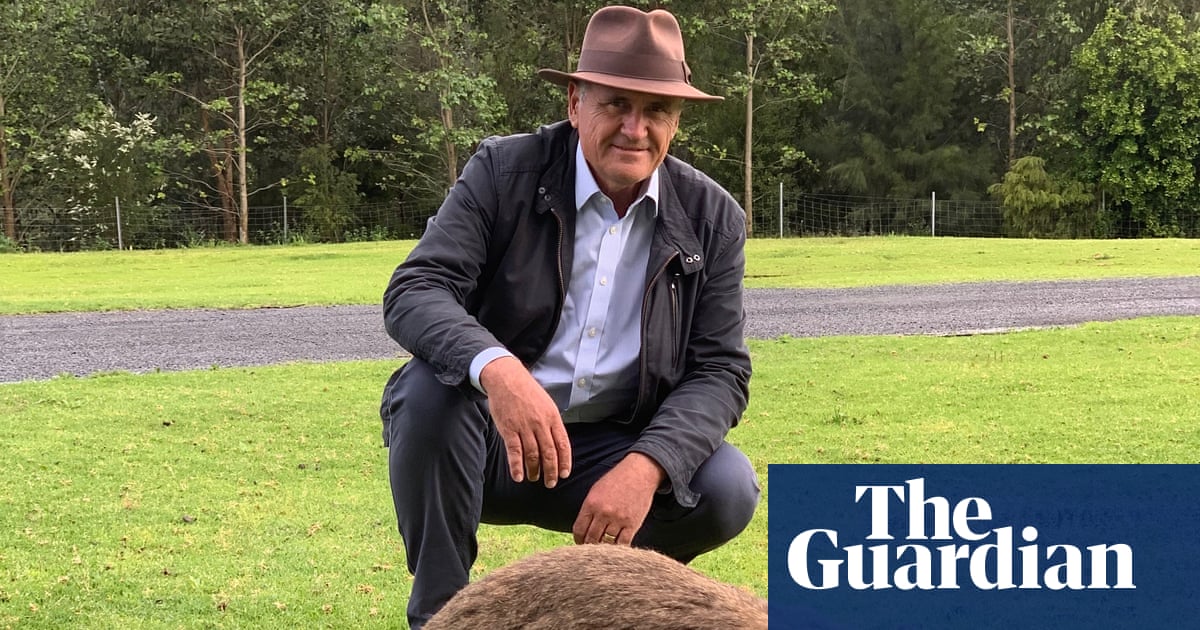
“I think the international community really does need to put more pressure on Australia to do better,” says Euan Ritchie, a professor of wildlife ecology and conservation at Deakin University in Australia, in a recent episode of Mongabay’s Newscast.
From animals like kangaroos, koalas and platypuses, to plants like waratah, kangaroo paw and climbing heath, Australia has exceptionally high biodiversity, with a unique assemblage of wildlife found nowhere else on the planet.
The Australian government claims the country is on track to meet many of its targets under the Kunming-Montreal Global Biodiversity Framework, the landmark agreement that aims to halt and reverse the decline of biodiversity, and ensure the sustainable use of biodiversity equitable sharing of benefits, among other goals, by 2050.
However, Ritchie, who’s also the president of the Australian Mammal Society and a councilor for the country’s Biodiversity Council, argues that “Australia is failing miserably” on all those measures. This is despite Australia being one of the wealthiest nations on Earth in terms of GDP per capita, with a “huge number of really knowledgeable scientists,” he tells Newscast host Mike DiGirolamo.