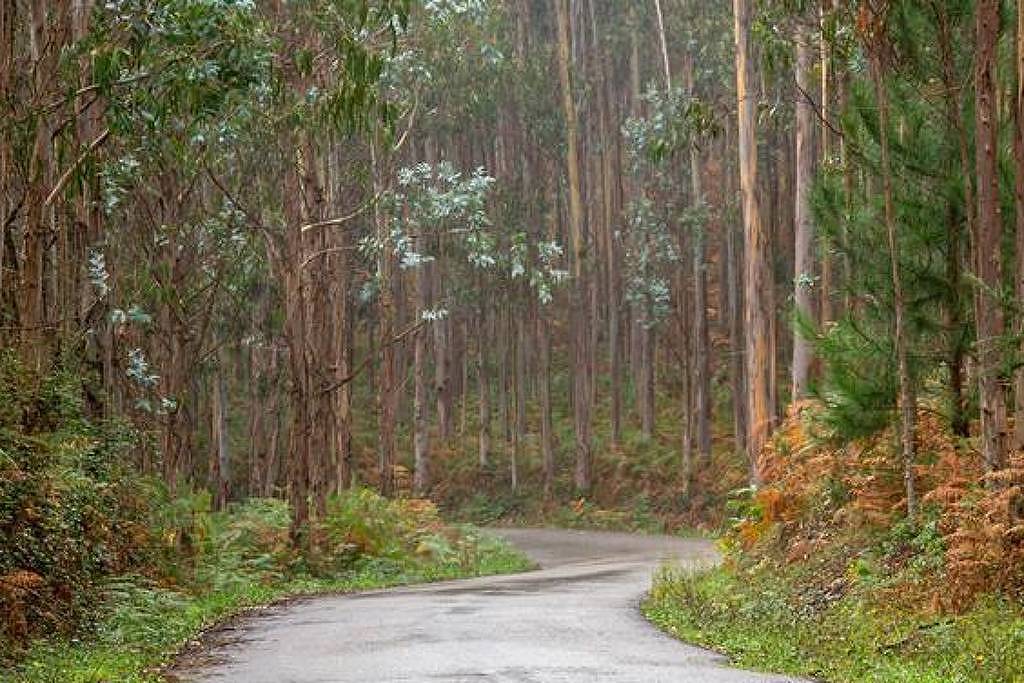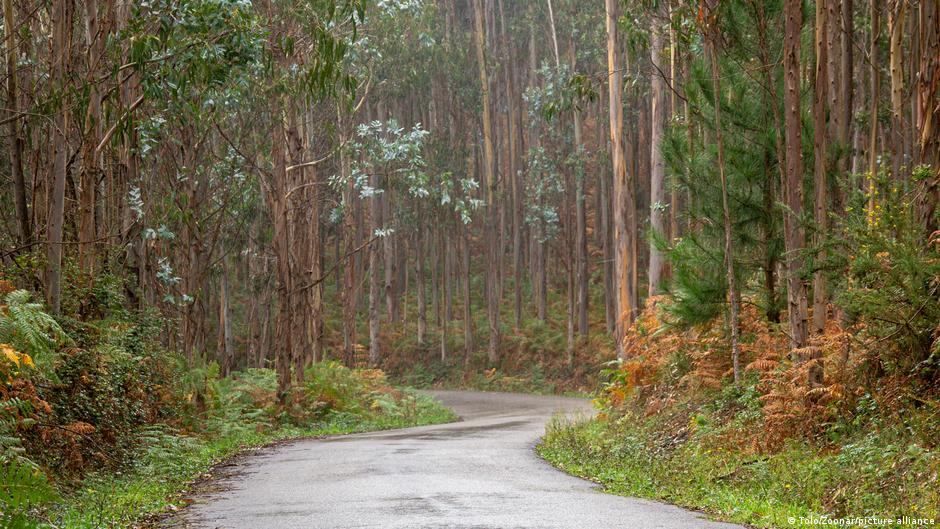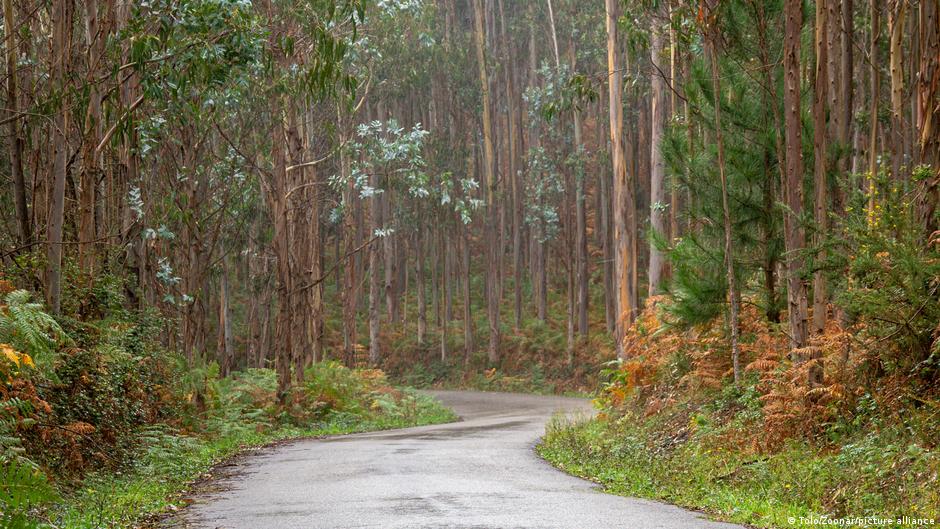
Each year, more than 400,000 hikers descend on Galicia for the Camino de Santiago pilgrim walk, crossing misty hills and dense green woodland. But much of the forest surrounding the route is no longer native.
Instead of indigenous oak and chestnut, large parts of northwestern Spain are now dominated by eucalyptus.
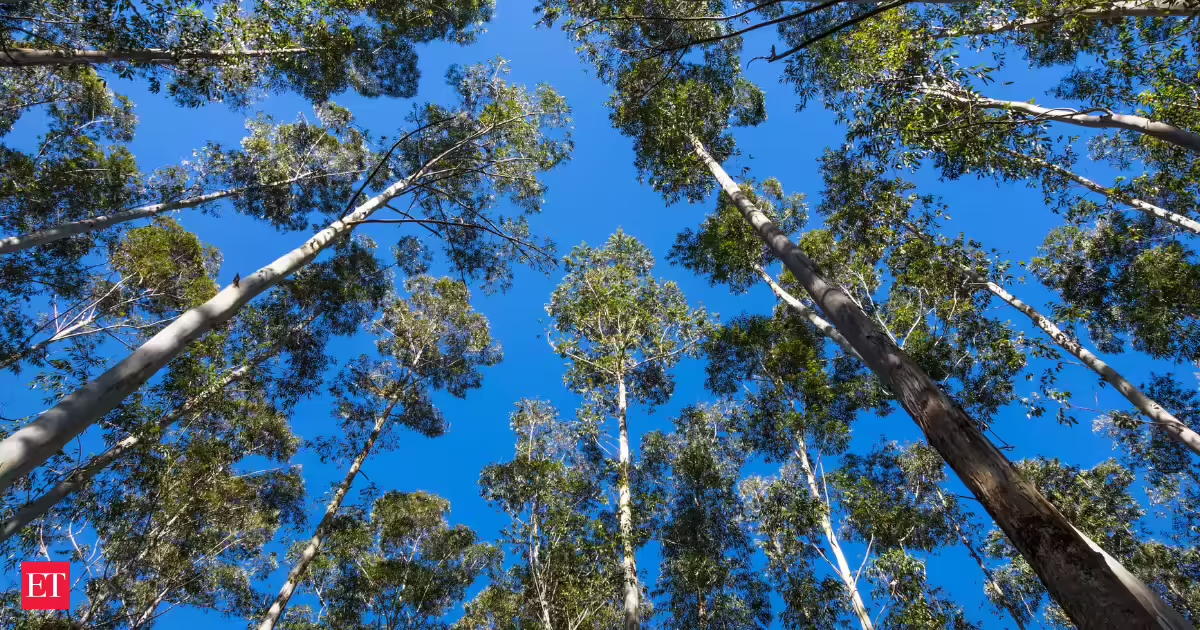
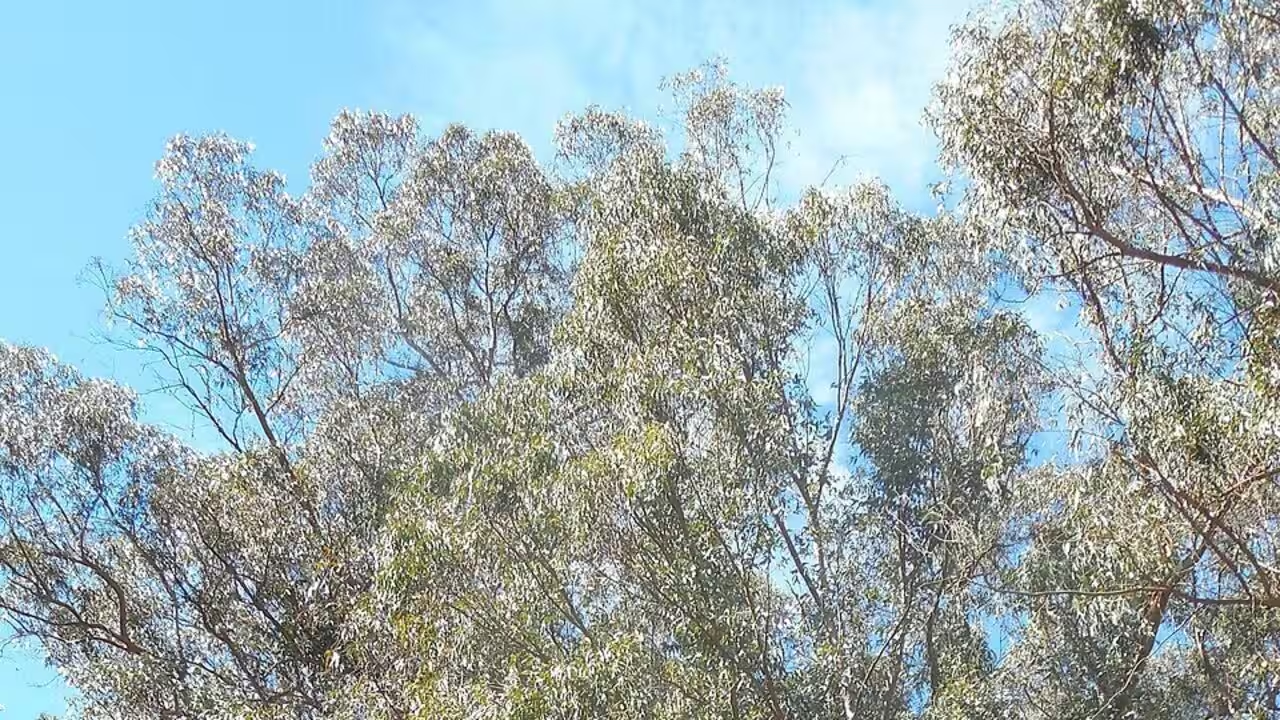
That transformation is not unique to Galicia. Prized by the pulp and timber industries for its rapid growth and profitability, vast monocultures of the Australian tree have been planted in places such as Brazil, Chile, California, India and South Africa.
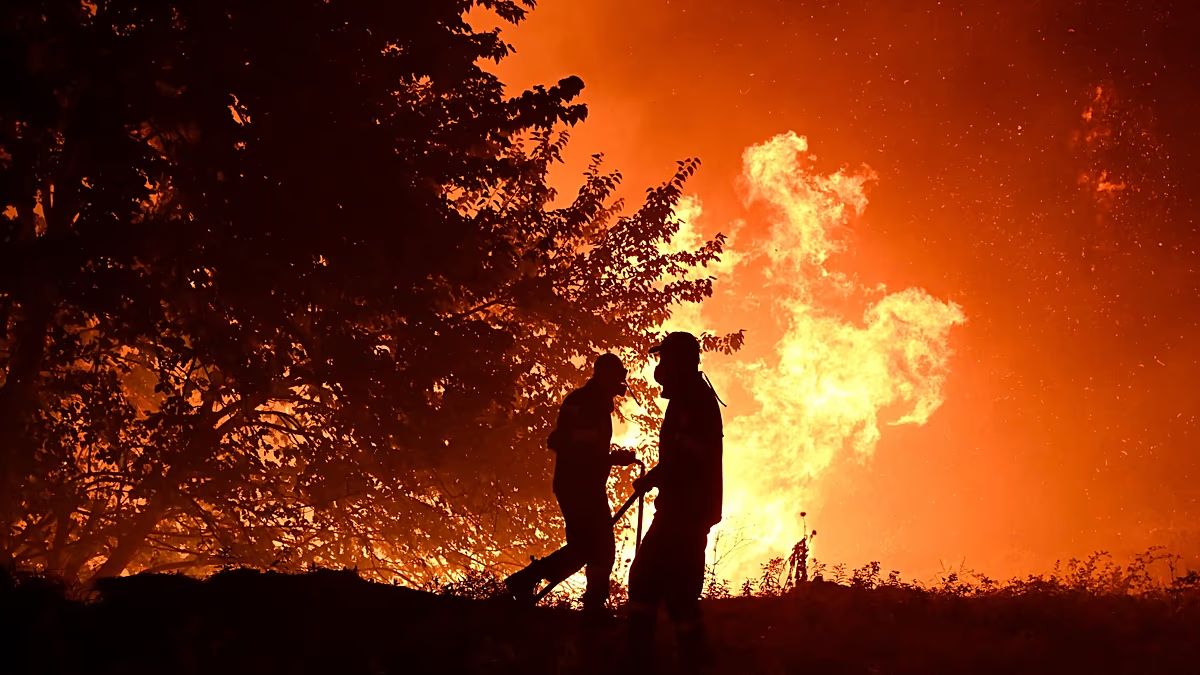
Globally, eucalyptus plantations now cover 22 million hectares across more than 90 countries, and in many regions, they have become a cornerstone of rural economies. But hiding beneath the seemingly tranquil canopies are landscapes vulnerable to extreme wildfires, because the trees are regarded by scientists as highly flammable.
European heatwave raises alarms