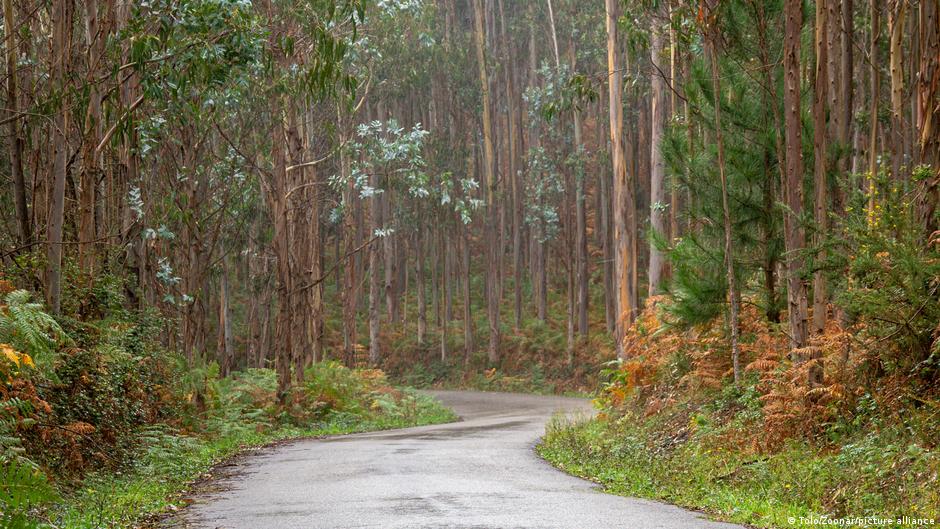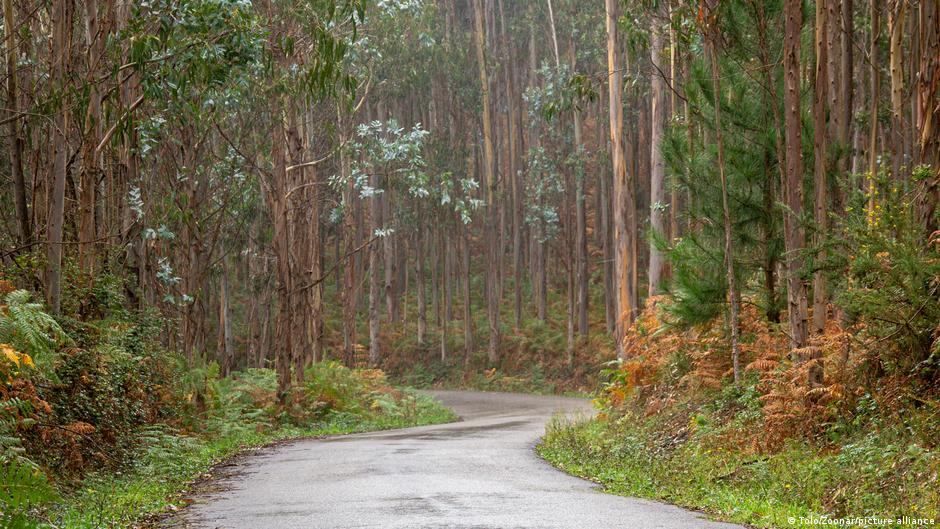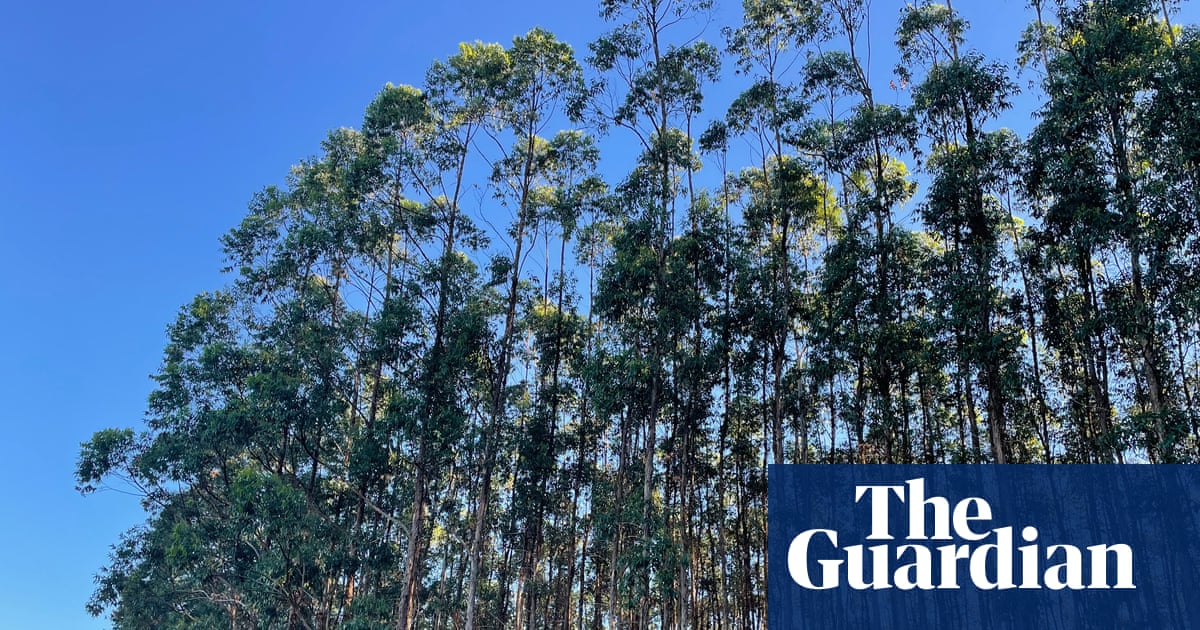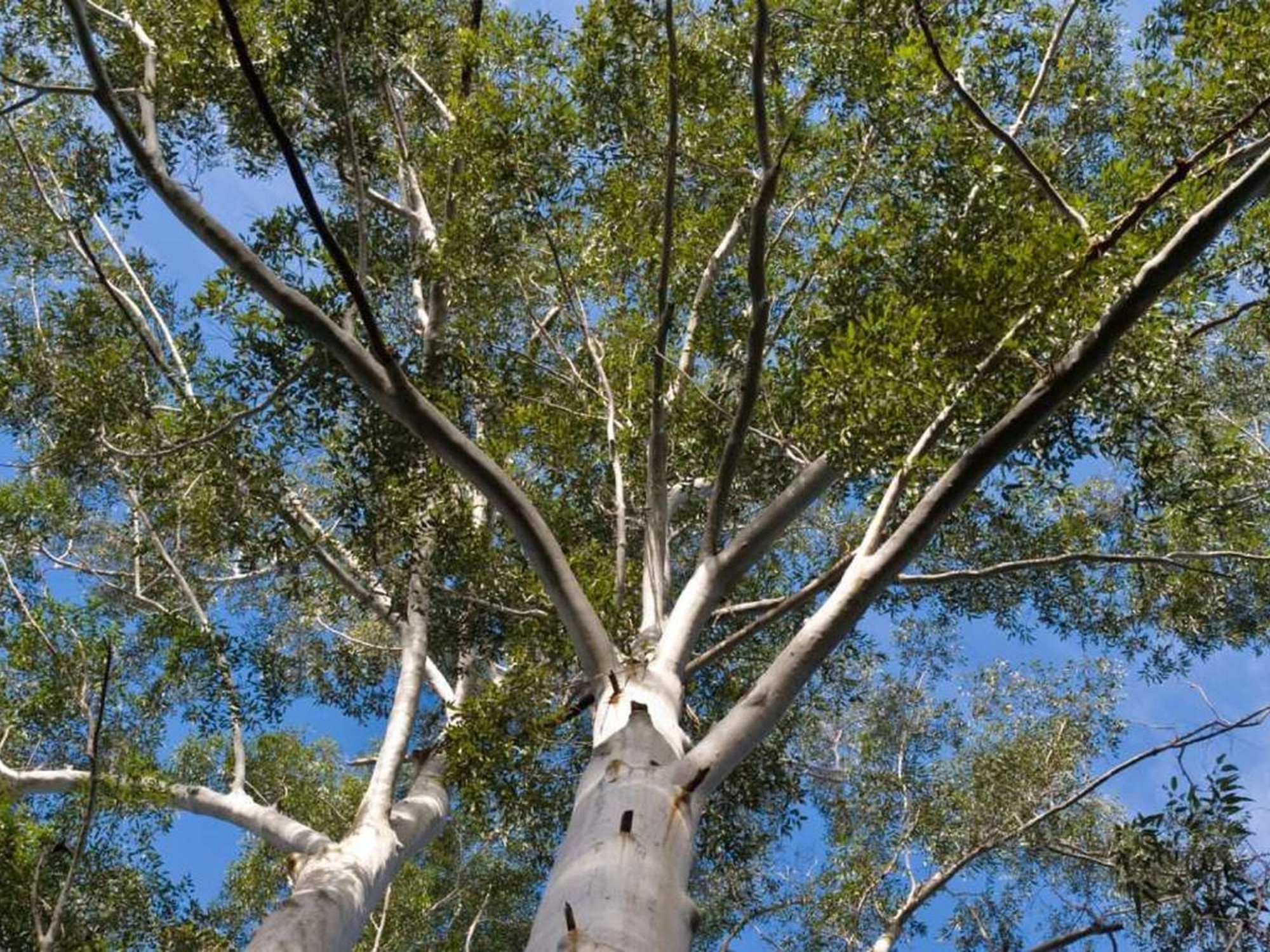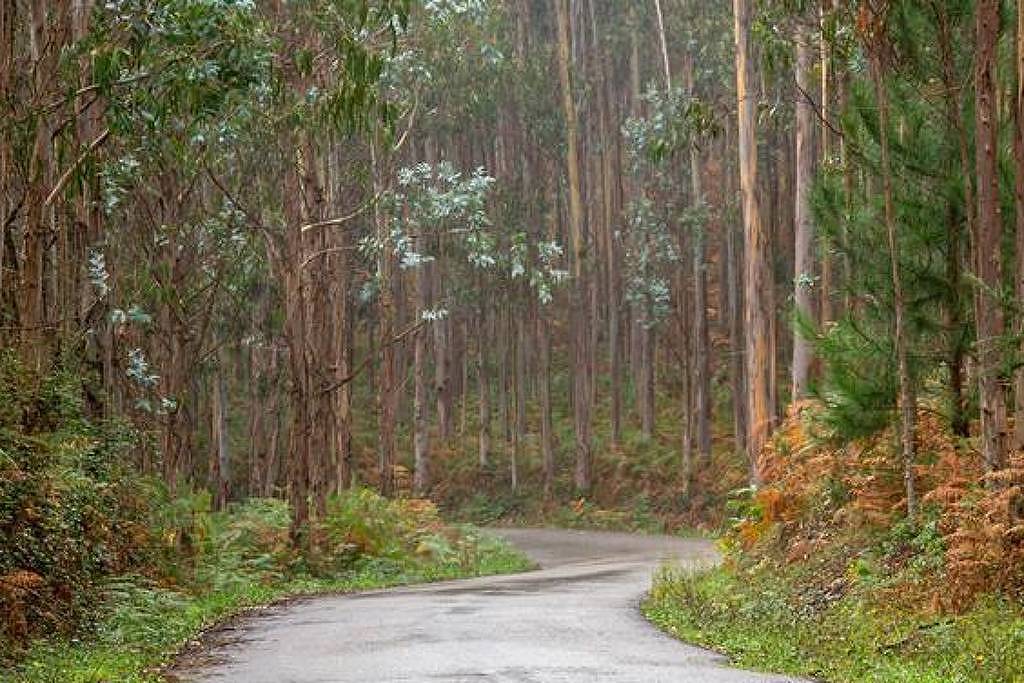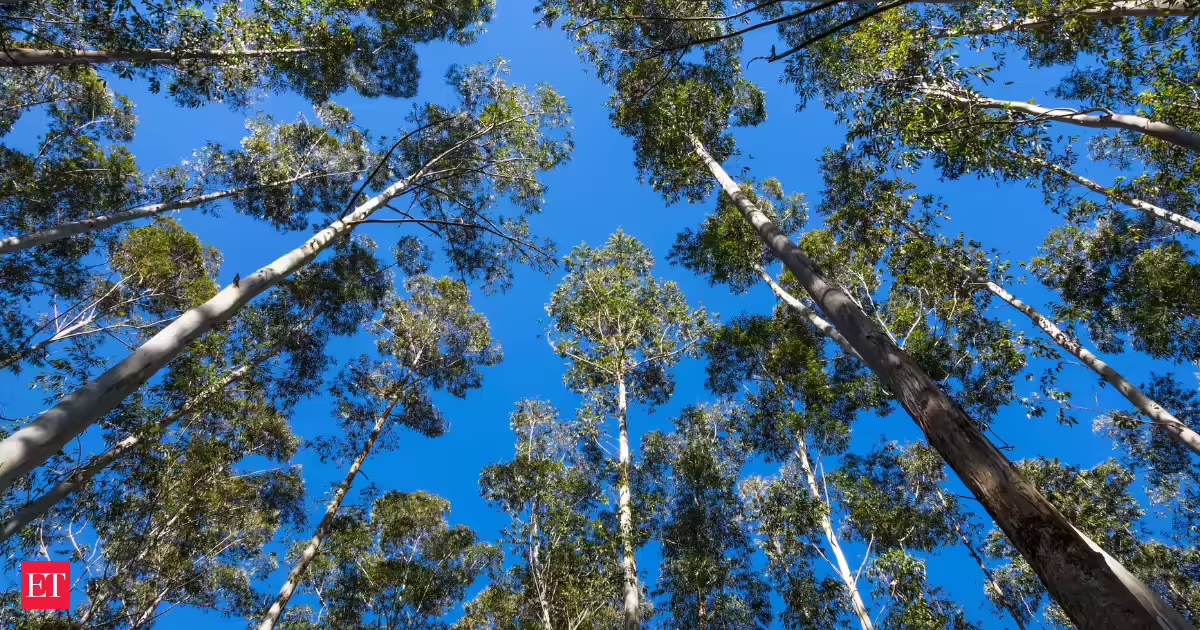
If you’ve ever bought toilet paper or printer paper without looking at where the pulp came from, a Portuguese eucalyptus tree was likely involved. Starting in the mid-1900s, Portugal started converting large areas of its countryside into plantations of Eucalyptus globulus, better known as blue gum, a fast-growing Australian import that fed a booming pulp and paper industry. According to CNN, Portugal now has the largest proportional eucalyptus coverage of any country on Earth, with eucalyptus now covering nearly 2 million acres, or about a tenth of the entire country.That decision still reverberates across the landscape of Portugal, and not in a good way. A study, ‘Natural establishment of Eucalyptus globulus Labill. in burnt stands in Portugal,’ in the journal Forest Ecology and Management, set out to understand what happens to these plantations in the wake of wildfire, and the results provide a hint as to why eucalyptus continues to grow.In the study, the team sampled 284 burned sites across central and northern Portugal 5–7 years after wildfire and used generalized linear models to test how stand type, regional productivity, and post-fire management shaped regeneration. They found natural E. globulus established in 72% of sites, with occurrence, density, and height all highest in the most productive regions; salvage logging increased density, while tillage reduced both density and height.Fire clears the way for more eucalyptus, not lessÁguas and colleagues surveyed 284 burned sites across central and northern Portugal five to seven years after wildfires swept through. New eucalyptus seedlings had grown naturally in 93 percent of the pure eucalyptus stands and, more surprisingly, in 98.6 percent of the mixed stands that also contained maritime pine. By comparison, seedlings appeared in only 19 percent of pure pine stands, indicating that eucalyptus was the much more aggressive colonizer following a fire. By the time it was surveyed, the average seedling was about six and a half feet tall, with more than four young trees per square meter in the densest patches and 95 percent already taller than four feet, which meant they had a real jump on becoming full-grown trees.Fire doesn't slow this species down, it spreads it. Image Credits: PexelsHow the land was managed after a fire mattered too, and growth was strongest in Portugal's most fertile timber-producing regions. Salvage logging, or the removal of burned timber, tended to leave more seedlings. Tilling the soil decreased the number and size of new trees, and clearing the understory decreased the chance that eucalyptus would take root. But fire doesn’t merely fail to slow the eucalyptus. In many cases, it actively assists the species in spreading into new ground, a process ecologists call naturalization.Why that matters for wildfire riskEucalyptus bark peels in long ribbons that feed the fire’s upward rush, and its leaves contain volatile oils that burst into flame when heated. That combo has made the tree a common danger in fire-prone areas, and CNN reports that the National Park Service now manages California's eucalyptus groves as a fire hazard. Portugal has learned this the hard way as well. Eucalyptus- and pine-dominated plantations burned during the country’s catastrophic 2017 fire season, which claimed more than 100 lives.A number of recent studies lend support to the idea that these plantations are a higher fire risk than natural woodland. An analysis, ‘Global risk of wildfire across timber production systems,’ published in Nature Communications in 2025, comparing burn rates across timber-producing regions around the world, found Portugal had the largest gap of any country studied. Between 2015 and 2022, plantations there had a burn probability about twice as high as natural production forests (16.8 percent vs. 8.2 percent). Eucalyptus is so good at regrowing after a burn that each fire season can actually help expand the very plantations that made the last fire worse.Blue gum's long journey from Australia to Portugal. Image Credits: PexelsGreen on the outside, empty on the insideScientists also worry about what eucalyptus does to biodiversity, in addition to the fire risk. A study of forests in northwestern Portugal, published in Acta Oecologica by Proença and colleagues, compared the plant and bird life in native oak forest with that in pine and eucalyptus plantations. Oak forest was the clear winner, comprising about 43 percent of all plant and bird species recorded across the three forest types, despite covering a much smaller share of the study area. Pine was second, and eucalyptus supported the fewest species of all. Some Portuguese conservationists call these plantations “green deserts.”A lesson that reaches beyond PortugalFor American readers, this story might feel closer to home than it seems. Eucalyptus is also deeply rooted in California’s landscape, and the same debate over its role in wildfires is playing out there. Portugal’s experience provides a glimpse of what happens when a fast-growing, fire-adapted, low-biodiversity species is allowed to grow unchecked, especially after the very disturbances that would normally allow native trees to recover.Some Portuguese municipalities have begun to experiment with alternatives. In Pedrógão Grande, one of the towns worst hit by the 2017 fires, officials have been replanting native oak, chestnut, and strawberry trees around burned areas, according to reporting by the European Data Journalism Network. The report says those trials covered 30 hectares around Pedrógão Grande, where eucalyptus regrowth has been so aggressive that crews have had to grub it up to keep native plantings from being outcompeted. Officials say the goal is to build a network of native forests that can act as fire-slowing buffers while also restoring habitat for flora and fauna.Whether that effort can outrun a tree that feeds on the disasters meant to keep it down is an open question.
Portugal in the 20th century planted millions of Australian eucalyptus trees for the paper industry, but scientists now say the country's forests are more fire-prone and far less biodiverse than native woodlands
This article explores the impact of eucalyptus plantations on Portugal's biodiversity and wildfire susceptibility, revealing a concerning trend for the country's environmental future.
934 words~4 min read