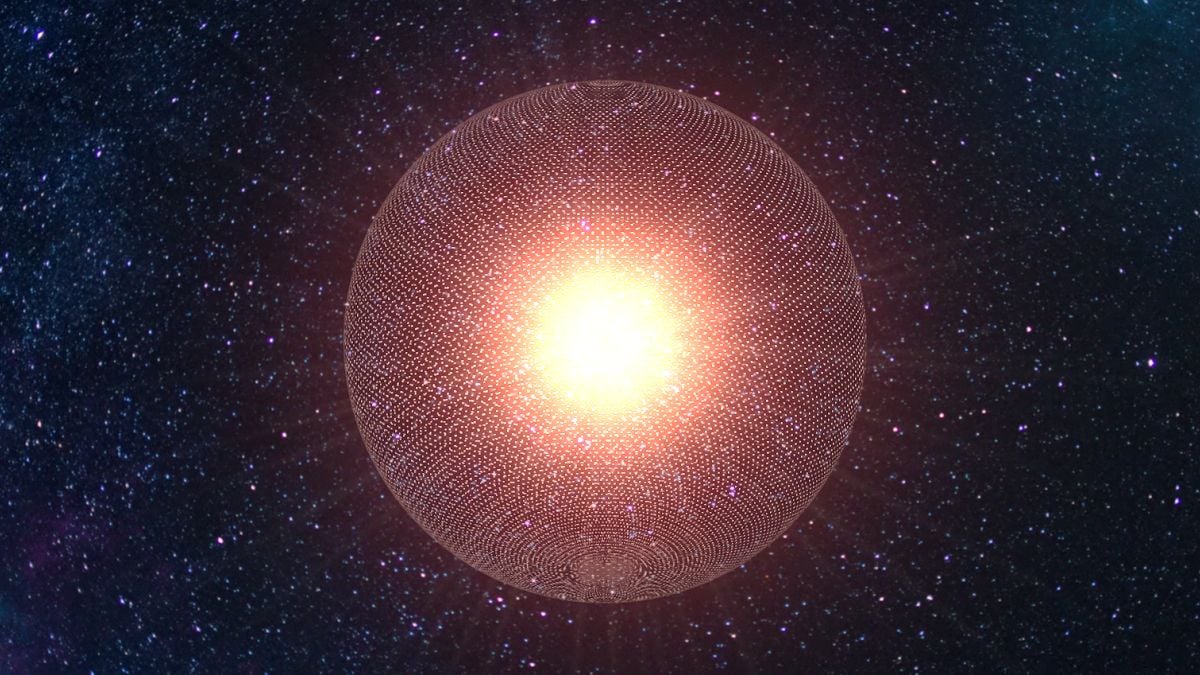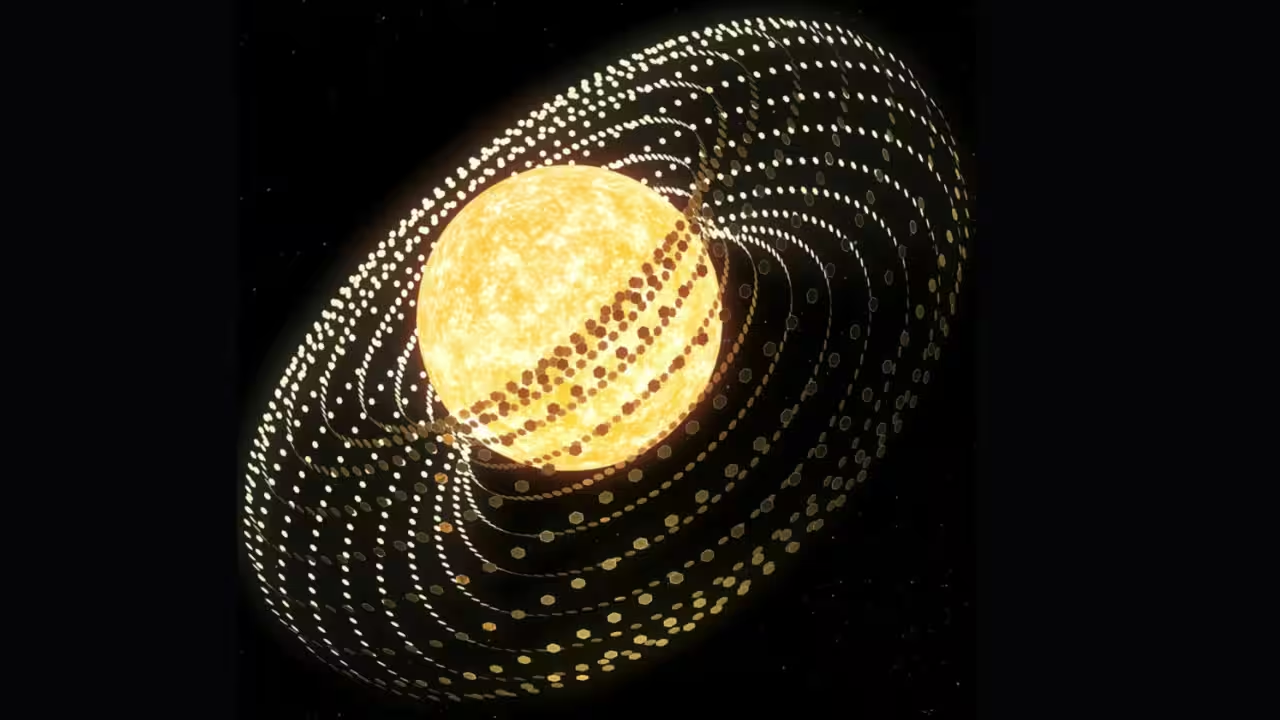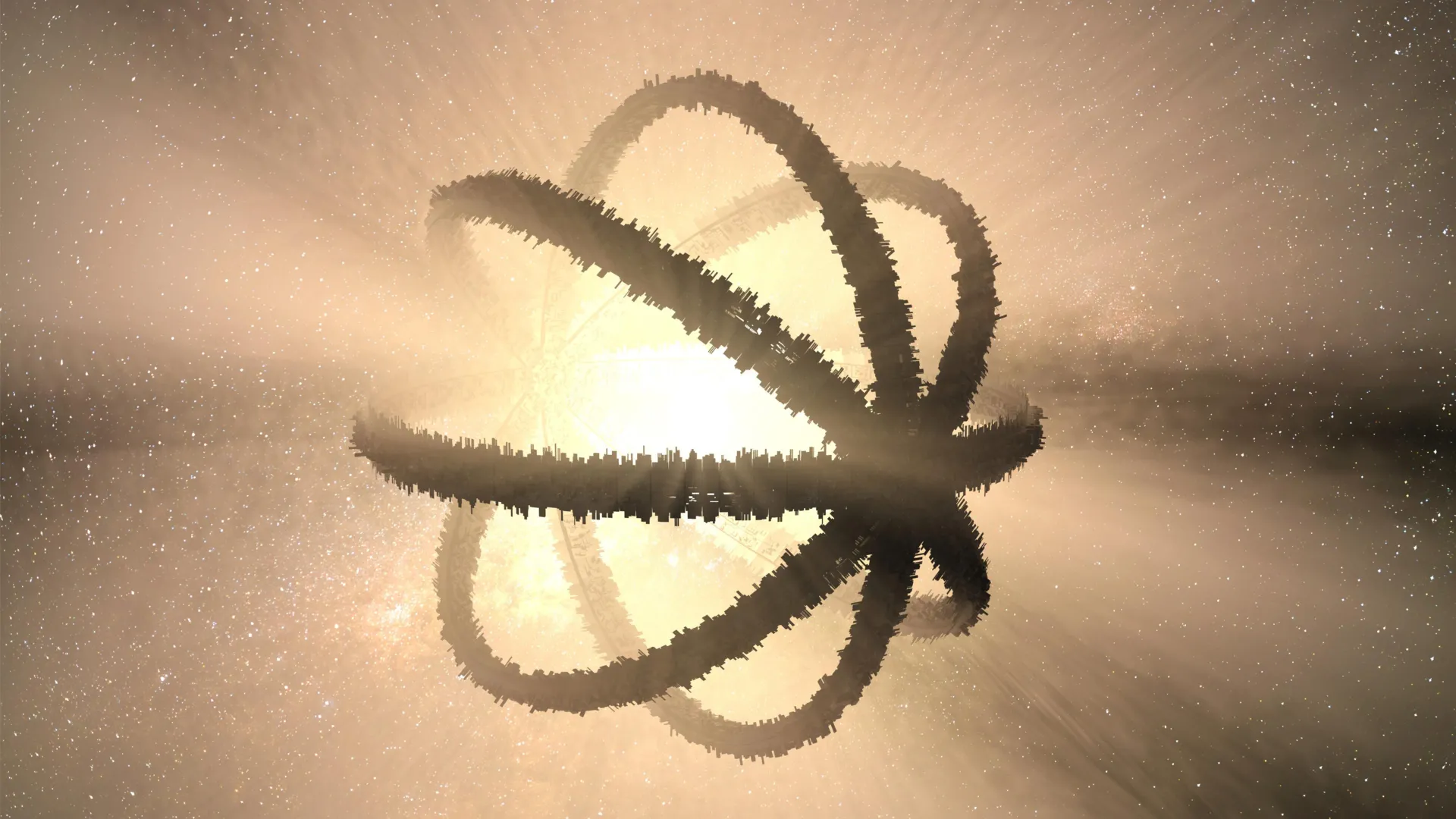
Since physicist Freeman Dyson first proposed the idea in 1960, the hypothetical "Dyson sphere" has become one of the most intriguing concepts in the search for extraterrestrial intelligence. Rather than a single solid shell, scientists now envision a Dyson "swarm" made up of countless orbiting structures that capture nearly all of a star's energy.
While the concept has long been discussed in theory, an important question remains: if one actually existed, what would astronomers see? A new study by Amirnezam Amiri of the University of Arkansas, currently available as a pre-print on arXiv and scheduled for publication in Universe, explores exactly how these enormous structures might appear through modern telescopes. The research also identifies the types of stars most likely to host them.
Red Dwarfs and White Dwarfs Are Prime Targets
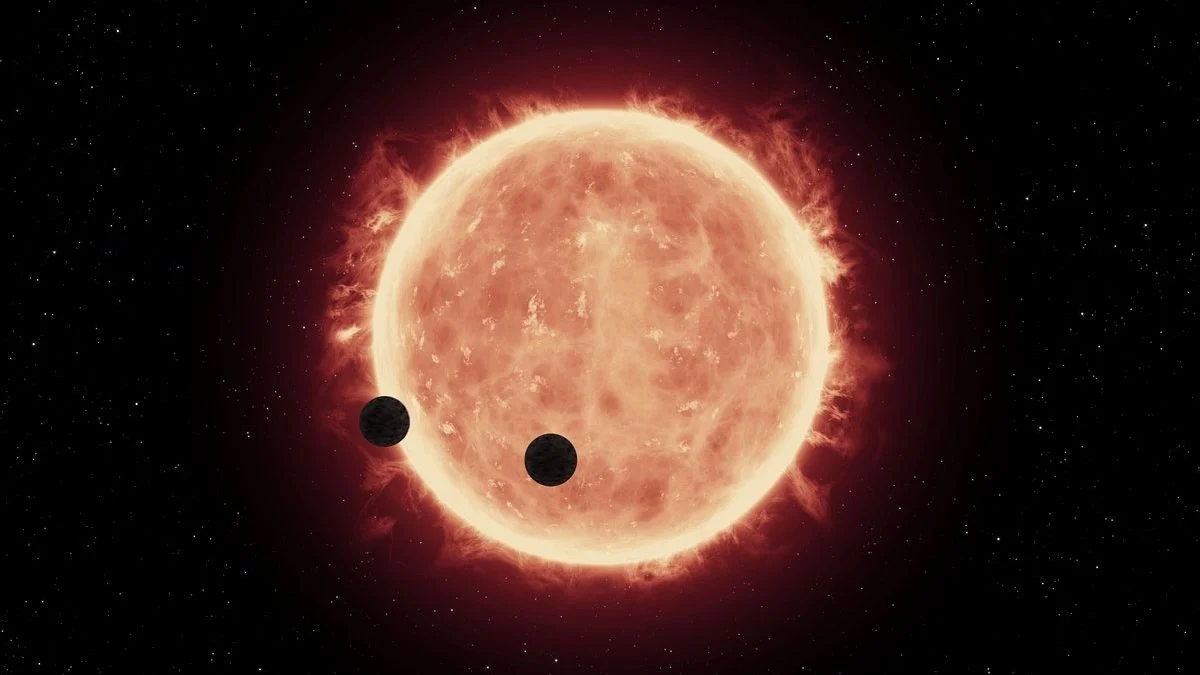
One of the strongest candidates is the red dwarf. These small, cool stars are the most common type in the Milky Way and consume their nuclear fuel so slowly that they can survive for trillions of years, far longer than the universe has existed so far.
Their relatively small size also makes them attractive from an engineering perspective. According to the study, a Dyson swarm could orbit a red dwarf at a distance of roughly 0.05 to 0.3 AU, requiring far less construction material than one built around a larger star like the Sun.