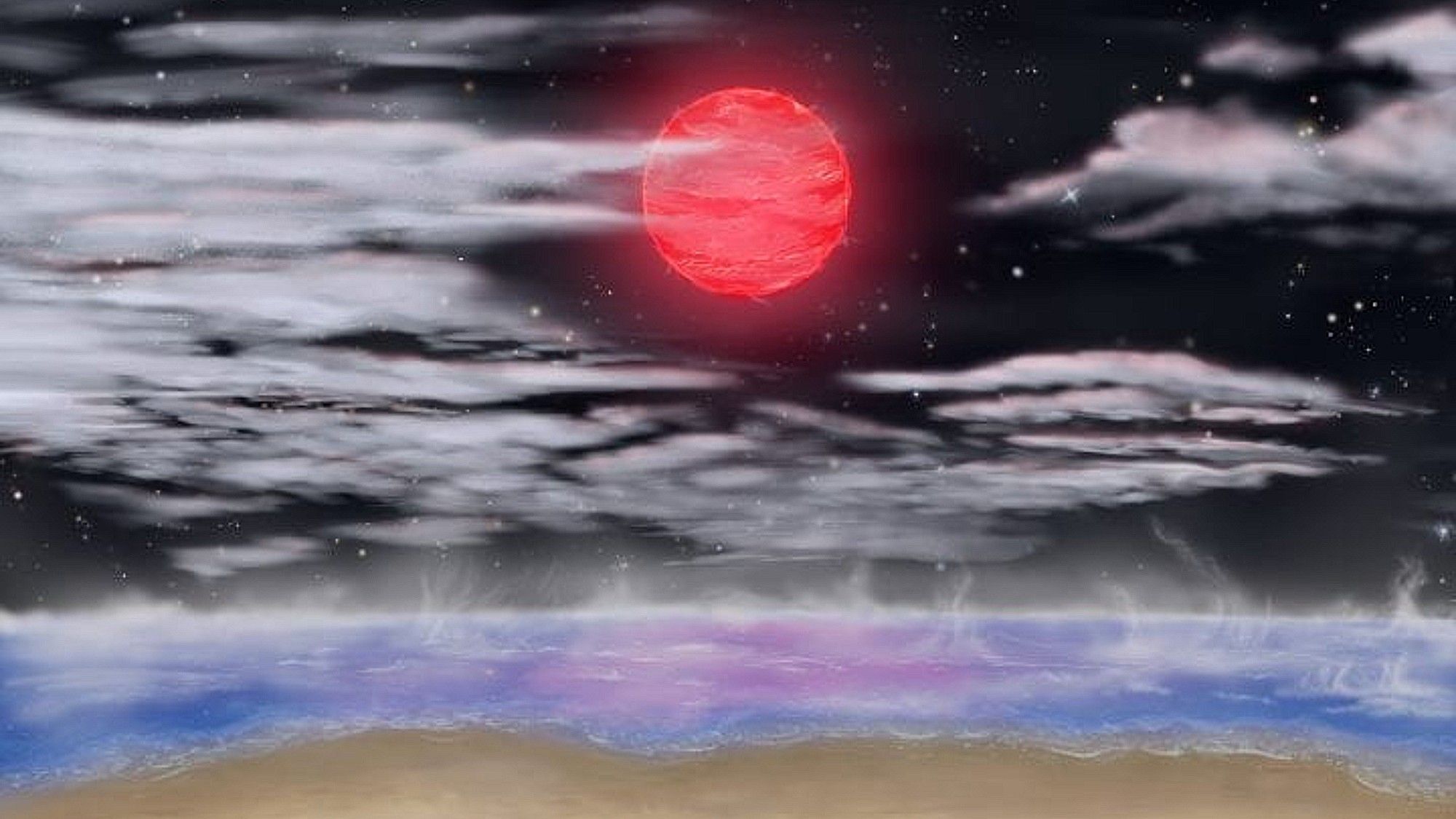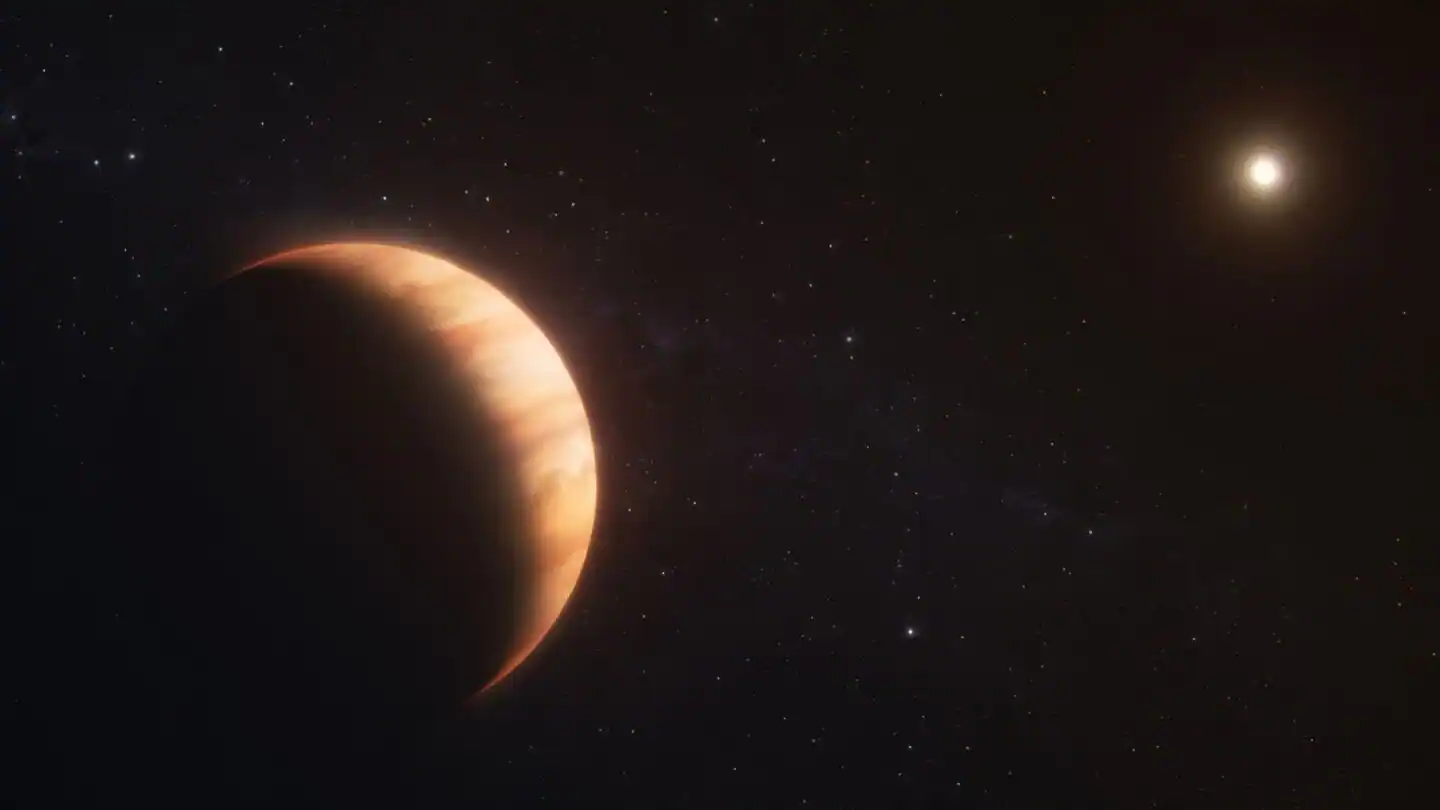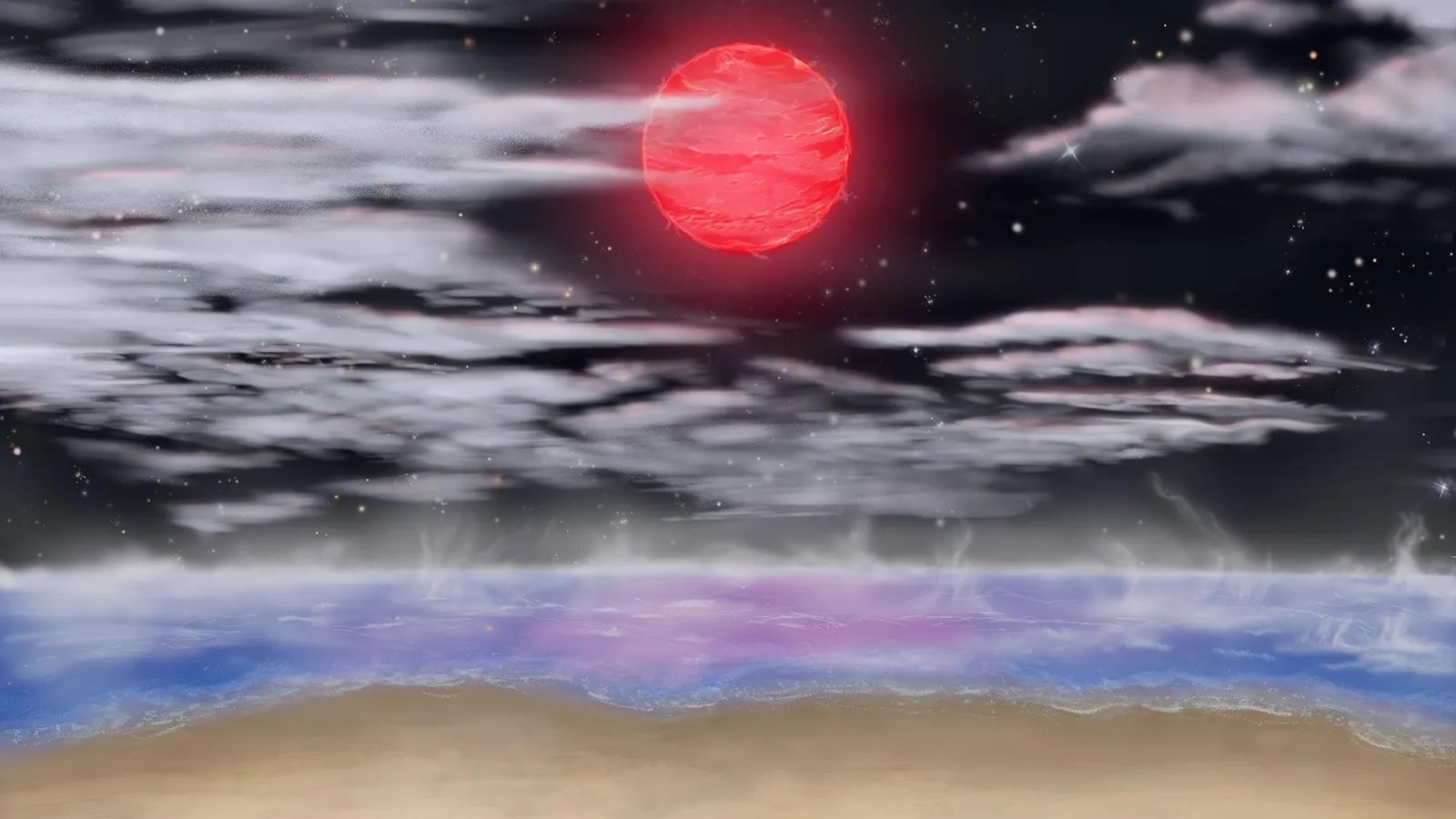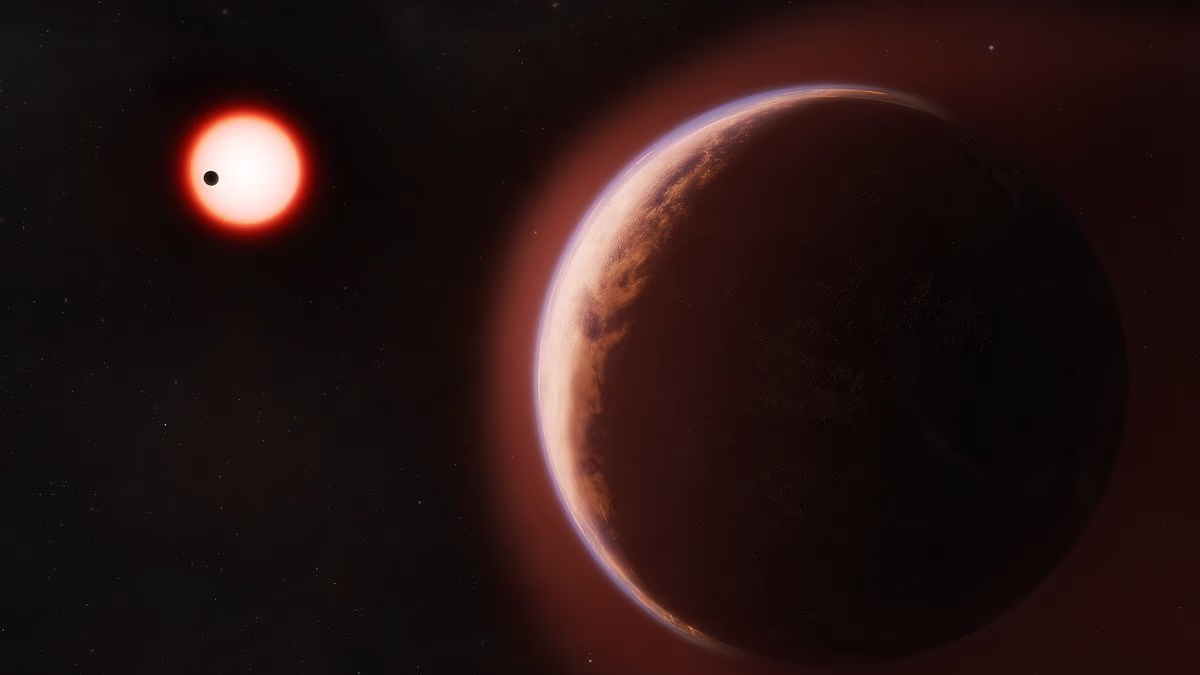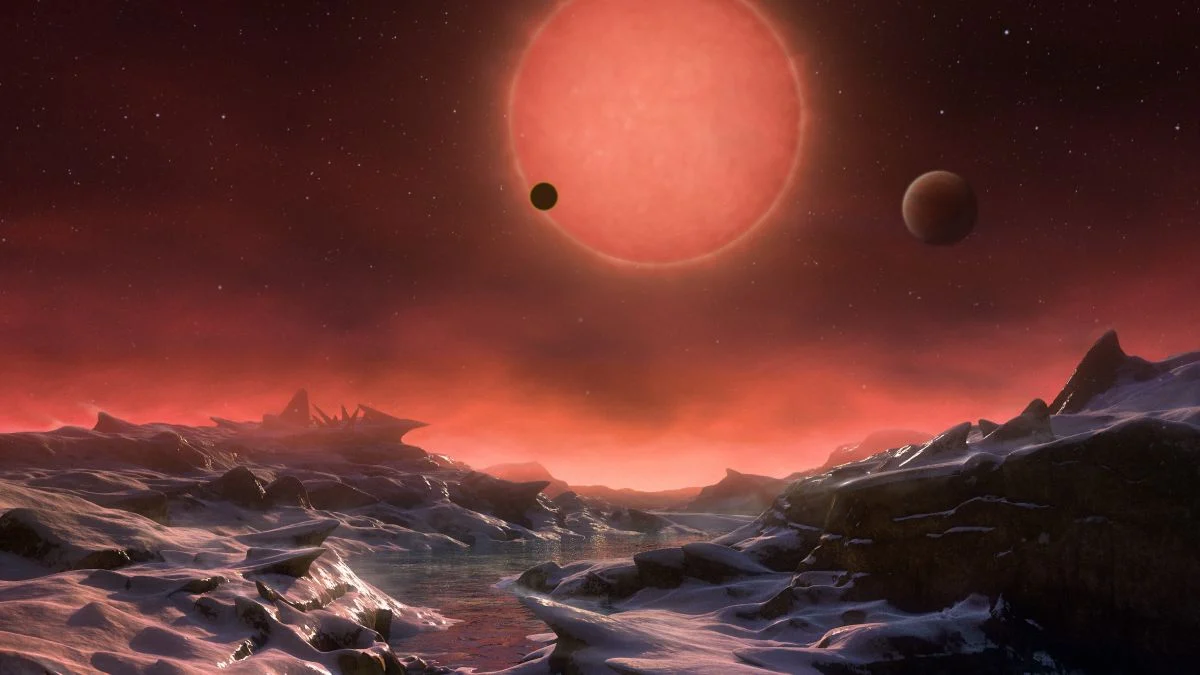
An artist's impression of a habitable world orbiting a red dwarf star. (ESO/M. Kornmesser)
One of the best places to search for life outside the Solar System may be practically right next door.A planet initially identified in 2024 orbiting a red dwarf star named GJ 3378 may be even more Earth-like than initial observations suggested.This world, named GJ 3378b, is what we call a super-Earth: larger than Earth, but small enough for a rocky composition similar to the only planet in the Universe known to host life – ours.A large suite of follow-up observations has shown that GJ 3378b still sits at just the right distance from its star for liquid water on its surface – the first item on the habitability checklist – and also refined its mass estimate from 5.3 down to just 2.3 Earth masses.That means it's far more likely to be rocky and, at a mere hop-skip-and-jump of 25 light-years away, an even more enticing candidate for further habitability-focused investigation than initially thought.In fact, it's "among the most potentially Earth-like exoplanets known within the 10-parsec solar neighborhood," according to a team led by astronomer Paul Robertson of the University of California, Irvine in a paper published in The Astrophysical Journal.