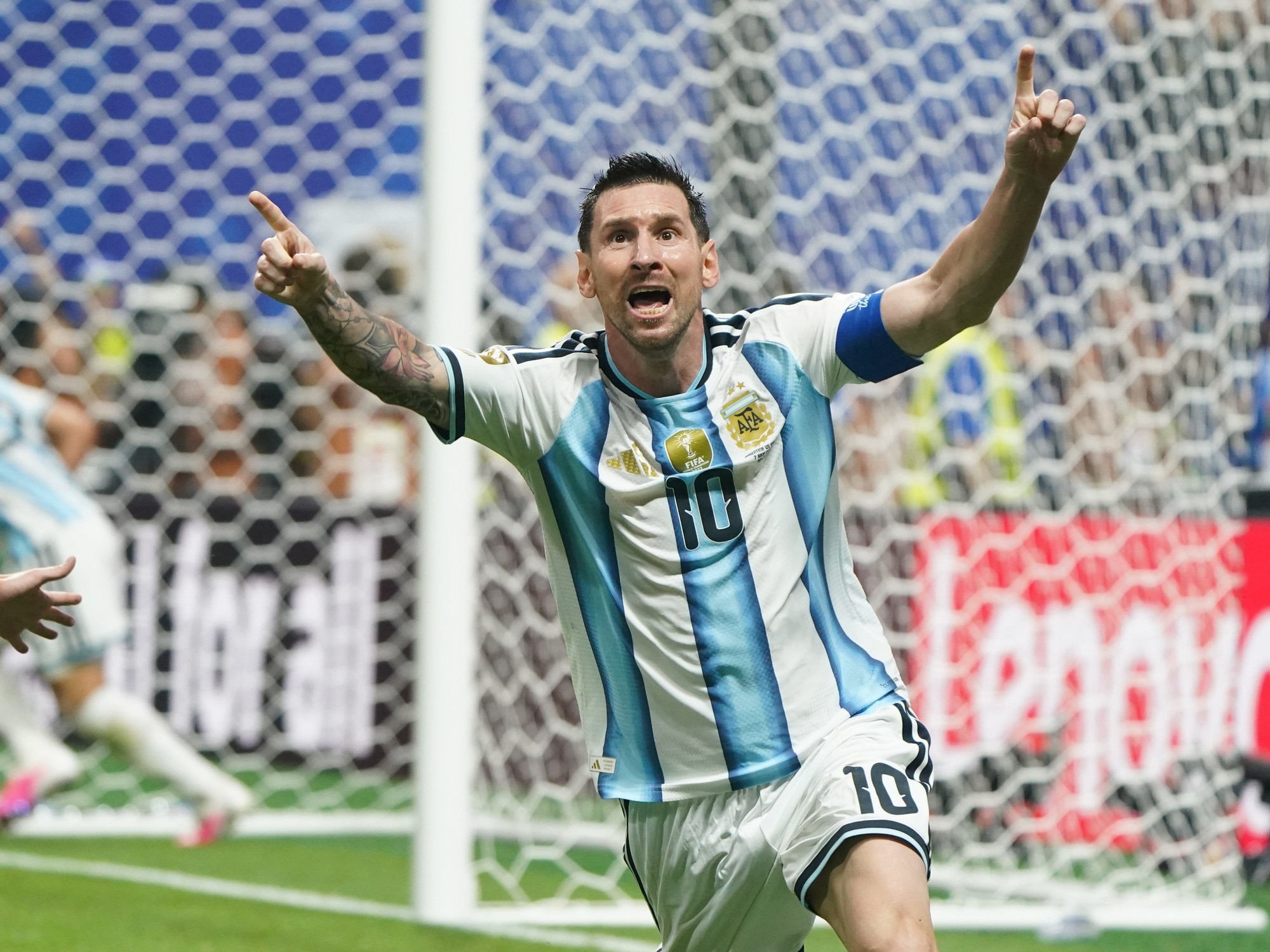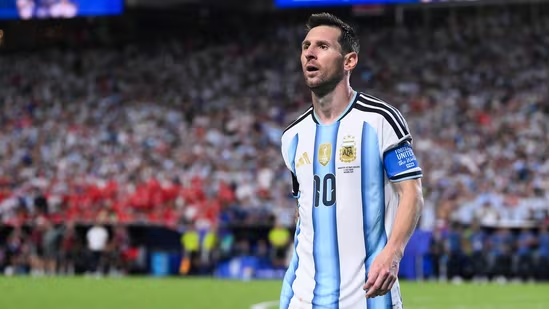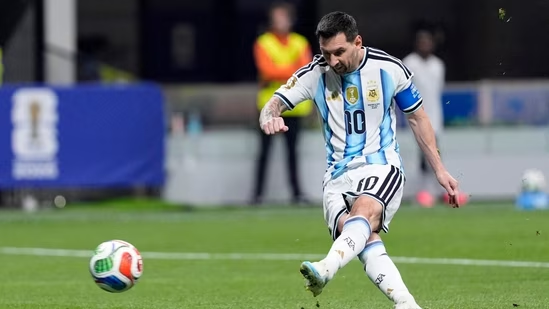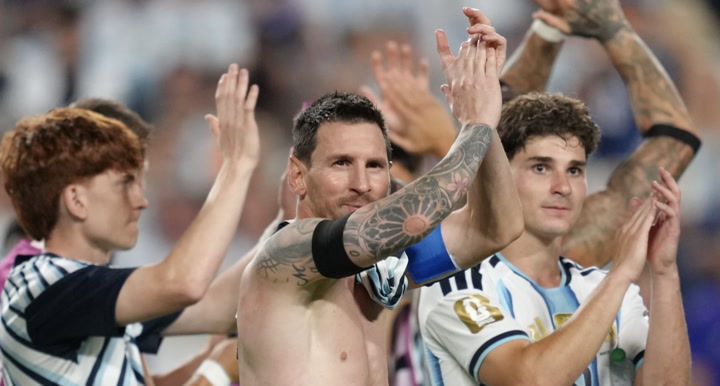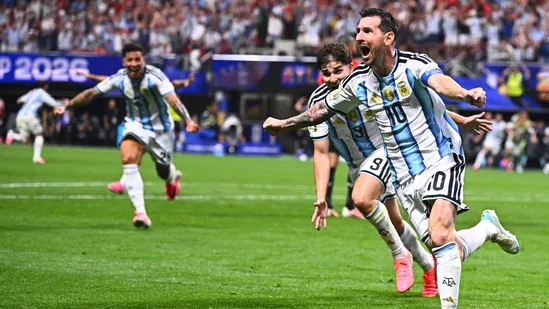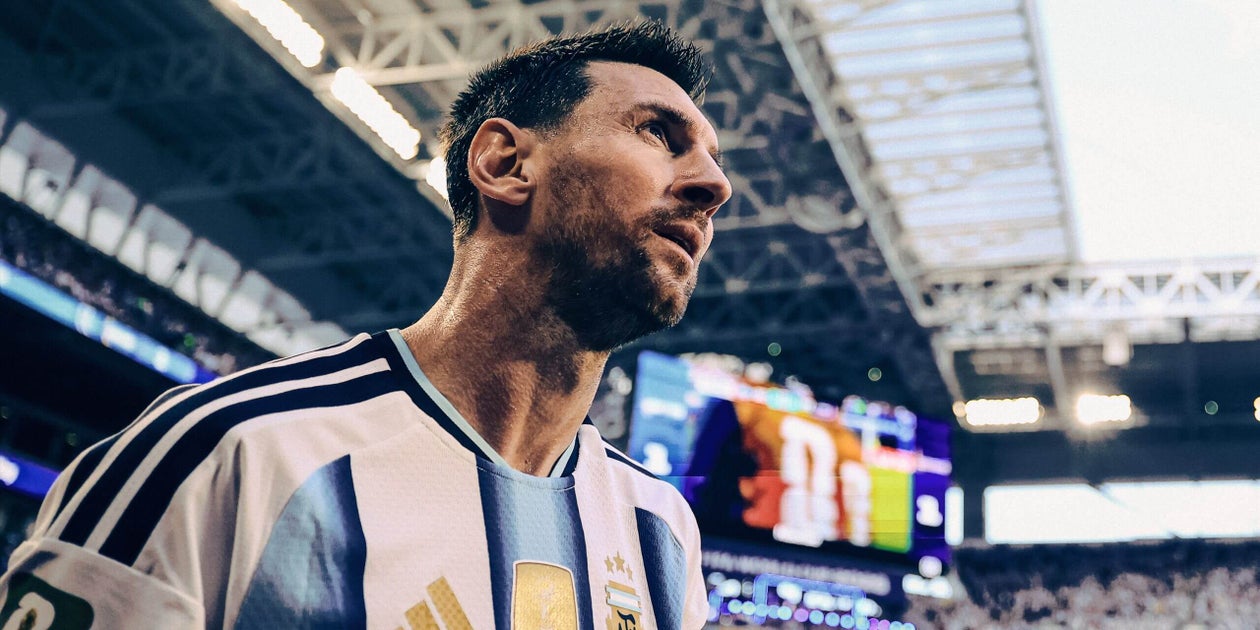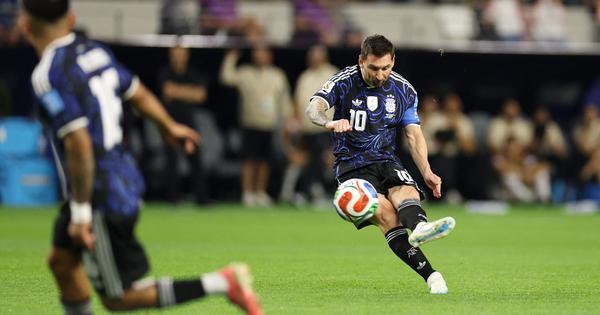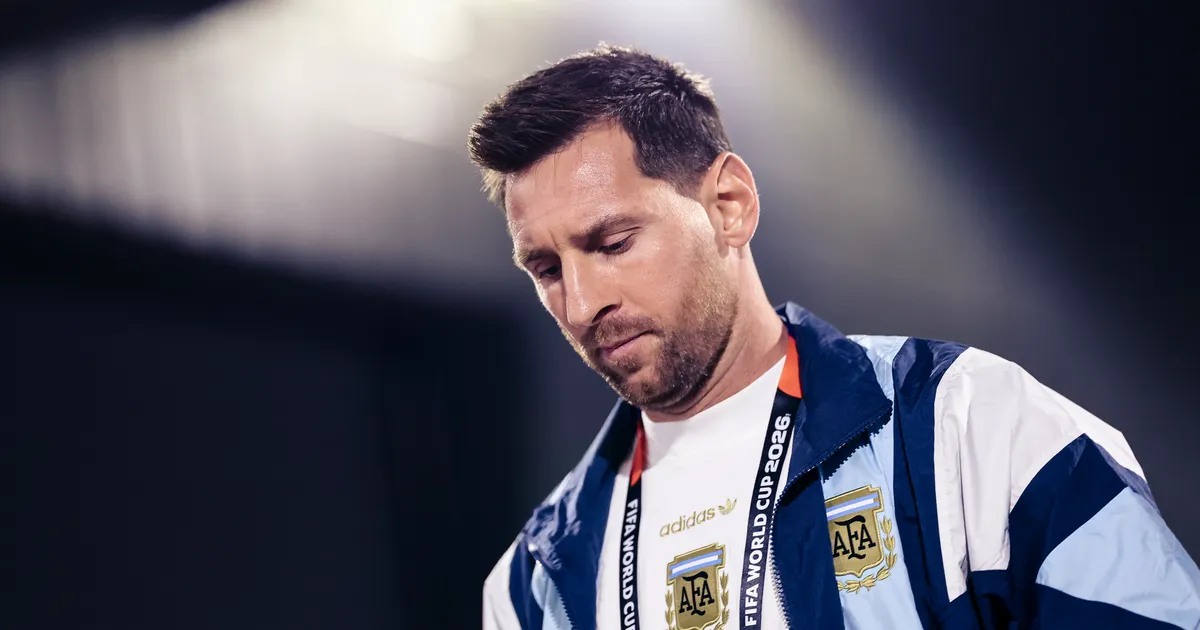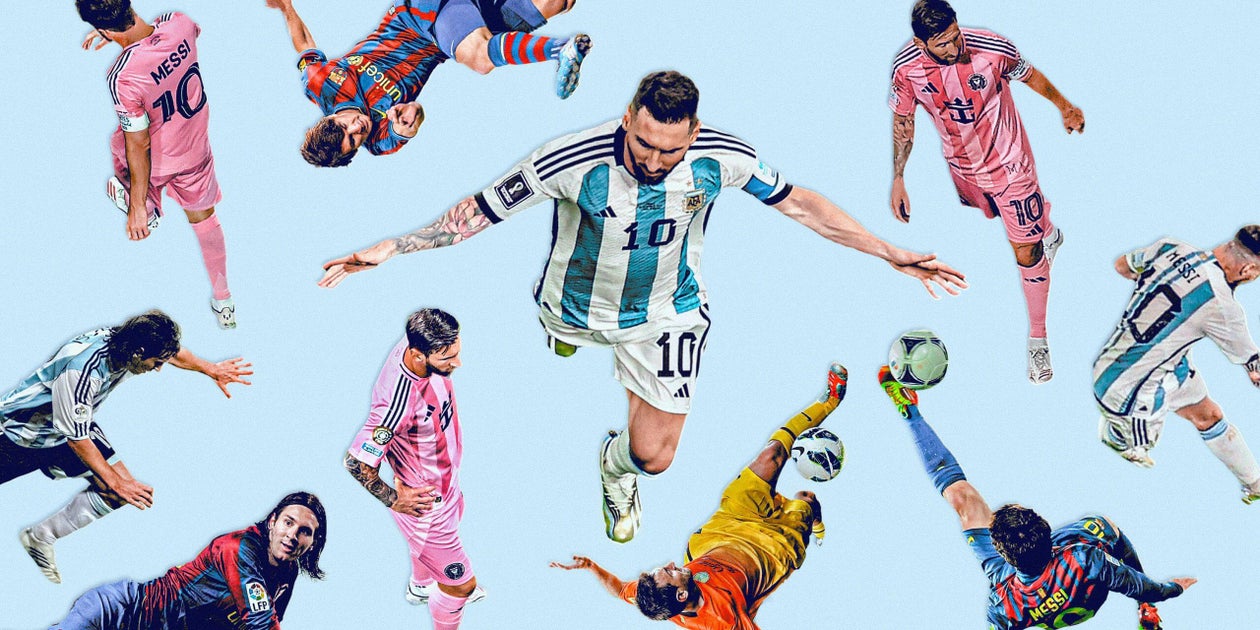
It’s a question that almost every footballer would love to be in a position to answer when they sit down with their grandchildren one day.‘What’s it like to play against Lionel Messi?’Sharing the pitch with the Argentinian is one of the biggest privileges in the game, even if it can also feel like a form of punishment when he’s setting off on another of those sinuous runs that turn world-class defenders into online jokes.As one former Germany international put it after a social media meltdown a few years back: “I would love to see each one of you defending against Messi.”Some still manage to find a silver lining in the experience. “On one hand, you feel desperate and humiliated as a player. On the other, from up close, you’re witnessing a football genius, probably the greatest.”That player turned playwright credits Messi with “preserving the art of dribbling” and is one of a group of footballers interviewed by The Athletic over the last few months for this article.We spoke to a Spanish goalkeeper who faced Messi on 27 occasions and can break down the technique behind his exceptional shooting in great detail (even though he was powerless to stop him from scoring 18 times).There’s a former Real Madrid and France international who dreaded Messi walking him and the rest of the defence into no man’s land, a Colombian who makes marking the best player on the planet sound like childcare at its worst, and the World Cup finalist who had no qualms about telling his country the truth when they asked him how he planned to stop an 18-year-old genius.“I don’t know,” William Gallas replied.Today, Messi leads Argentina, the reigning champions, in a World Cup quarter-final against Switzerland, having scored eight goals in five matches at the tournament…Gelsenkirchen, June 2006. Argentina versus Serbia and Montenegro.Diego Maradona is in a hospitality box with his arms aloft and a huge grin on his face. All around him, the Argentina supporters are on their feet to celebrate a landmark moment. Aged 18, Lionel Messi is about to make his World Cup debut.As crazy as it sounds, the long-haired teenager was an enigma as far as the Serbia and Montenegro players were concerned.“We didn’t prepare much specifically for Messi because we didn’t yet know how good he really was,” Ivan Ergic, who played for Serbia and Montenegro that day, explains.Messi had not long returned from a thigh injury picked up against Chelsea in the Champions League in March, prematurely ending his first full season for Barcelona’s first team. As he prepared to replace Maxi Rodriguez in Germany, he looked anxious. Messi’s first contribution was a misplaced pass. Four minutes later, he set up a goal for Hernan Crespo. Ten minutes later, he scored.Lionel Messi celebrates a goal on his World Cup debut (Jung Yeon-Je/AFP via Getty Images)Ergic, who played against Messi on two further occasions in the next three seasons for Basel against Barcelona, was mesmerised. Now an author and playwright, Ergic talks about Messi with a sense of wonder and awe.“He’s one of those players who, even when you know which direction he’ll dribble, you have no chance. If you commit half a second too early to one side, he shifts to the other. And when you think you’re about to win the ball, he manages to touch it just enough to keep it in front of him and under control, even in the middle of a crowd. Especially in that, I see something close to a miracle worker.“While I was still playing, I wrote a column on the philosophy of football, and I remember writing about the frustration of coaches, especially Jose Mourinho, who couldn’t find a way to stop him, sometimes resorting to dirty methods.“Messi preserved the culture of the dribbler — modern coaches have almost eradicated dribblers by limiting play to two touches, both in training and matches.“Dribbling is a dying art, and I consider it almost Messi’s greatest achievement that he stubbornly brought that skill back into football.”
What’s it like to play against Lionel Messi, the greatest footballer of all time?
Surprise shots, deceptive acceleration and lots of walking — opponents describe what they see when facing the greatest of all time
5,128 words~23 min read