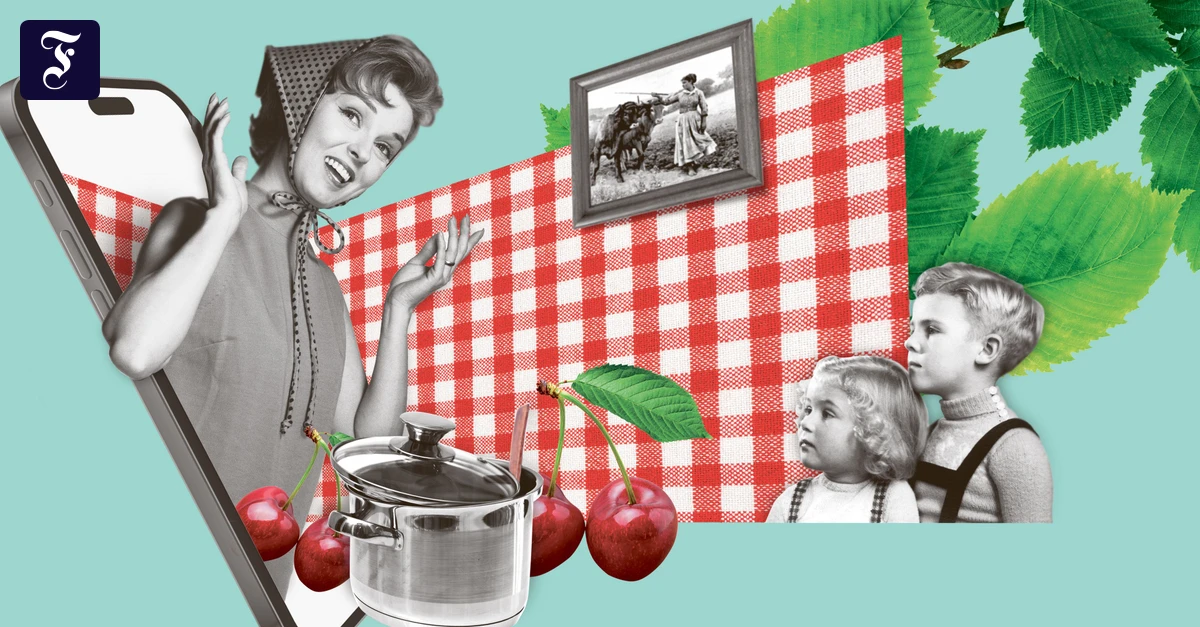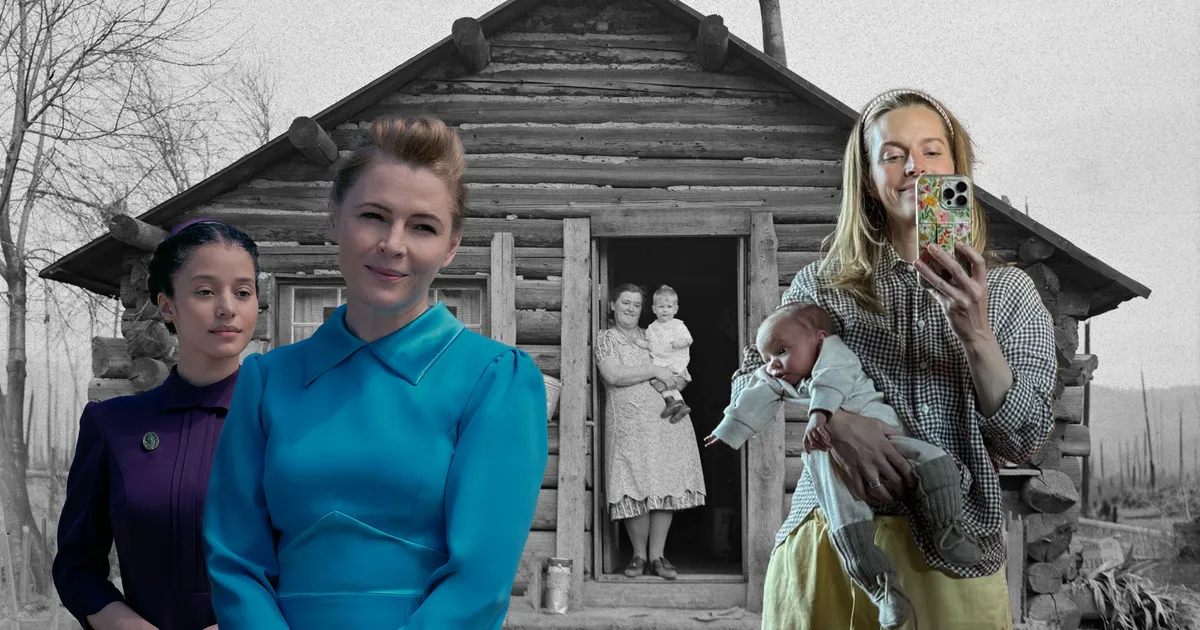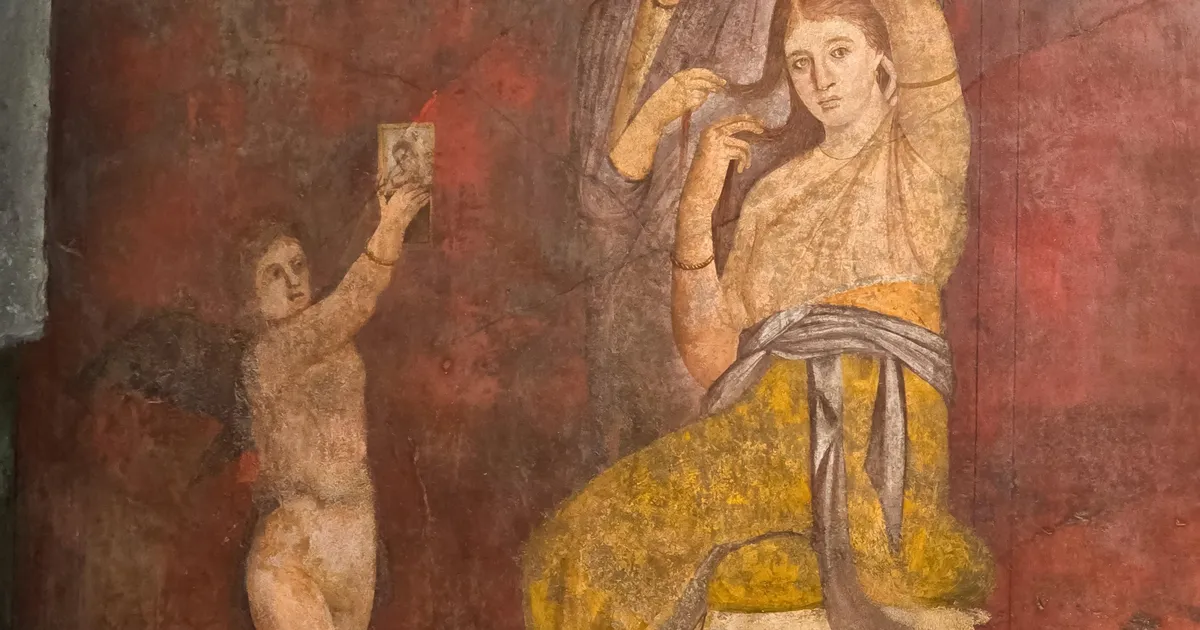
Current sectionArchaeologyBehind the nostalgic image of the perfect homemaker lies a story of propaganda that flourished in Imperial Rome. Some things never changeShare to FacebookShare to XArticle printing is available to subscribers onlyPrint in a simple, ad-free formatSubscribeComments: Zen reading is available to subscribers onlyAd-free and in a comfortable reading formatSubscribeA good wife in Pompeii covered up Credit: Dan Gabriel Atanasie / ShutterstockA good wife in Pompeii covered up Credit: Dan Gabriel Atanasie / Shutterstock08:28 PM • July 09 2026 IDTScroll through almost any social media feed, and you're likely to encounter a carefully curated vision of domestic bliss: a woman dressed in the romanticized 1950s aesthetic moves gracefully through her day, effortlessly tending to her numerous children while kneading artisanal sourdough from scratch. Bathed in warm light and framed by carefully curated simplicity, these scenes of uninterrupted domestic bliss reject modern hustle culture, trading corporate burnout for the quiet sanctuary of the home. But beneath the soft filters and the scent of fresh bread lies a rigid, deeply intentional ideology.While the visual brand of the TradWife movement borrows heavily from mid-century Americana, the underlying philosophy is far older. The movement does not merely champion homemaking: it relies on a powerful, recurring historical fiction that rests on the myth of a lost golden age, in which female domesticity was uncomplicated, biologically natural, and universally fulfilling. Two thousand years before the Instagram reel, the ruling elite of Ancient Rome perfected the narrative. The mythic archetype of a perfect woman was born: the matrona, an idealized upper-class wife. But just like today's algorithmically curated feeds, Rome's ancient domestic paradise was a carefully constructed illusion, weaponized as state propaganda and constantly subverted by the real women who lived within it.Rome's TradWife crusadeIn Ancient Rome, the "TradWife" archetype was no mere lifestyle trend; it was the central pillar of an entire imperial social order. This ideal was anchored in pudicitia - a deeply ingrained ethos of female modesty, chastity, and integrity. For a Roman woman, particularly of the elite class, virtue was far more than a personal moral choice or a quiet domestic preference. It was a rigorous sociopolitical imperative. Conditioned from early childhood for their ultimate roles as wives and mothers, women had their bodies, behaviors, and reproductive capacities transformed into structural assets for the state. This conditioning began under the absolute authority of the paterfamilias, the household patriarch, who orchestrated marriages to ensure his daughters transitioned seamlessly from a strictly guarded childhood into a highly policed marital home. Because dignitas was the essence of Roman life, it was inseparably linked to his wife's integrity. Since it carried profound political consequences, female sexuality was carefully regulated. A woman's body was not viewed solely as her own but as a vessel through which family honor, inheritance, and political continuity were secured.Arles muséee archeologique
The original Tradwives of Ancient Rome
Behind the nostalgic image of the perfect homemaker lies a story of propaganda that flourished in Imperial Rome. Some things never change
2,558 words~12 min read