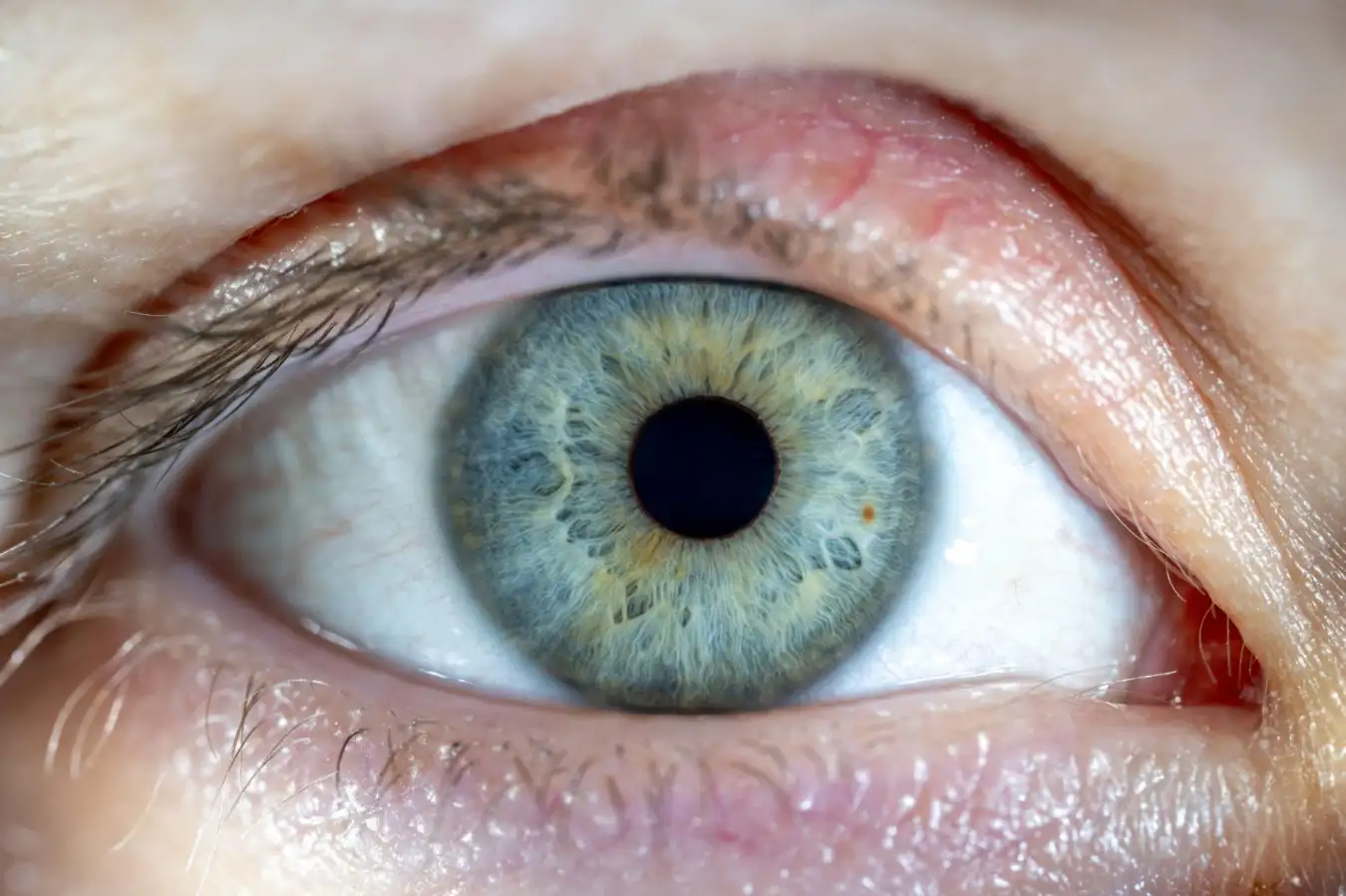
Keeping the retina working while out of the body is a step towards effective transplantsMichael Lutz/Alamy
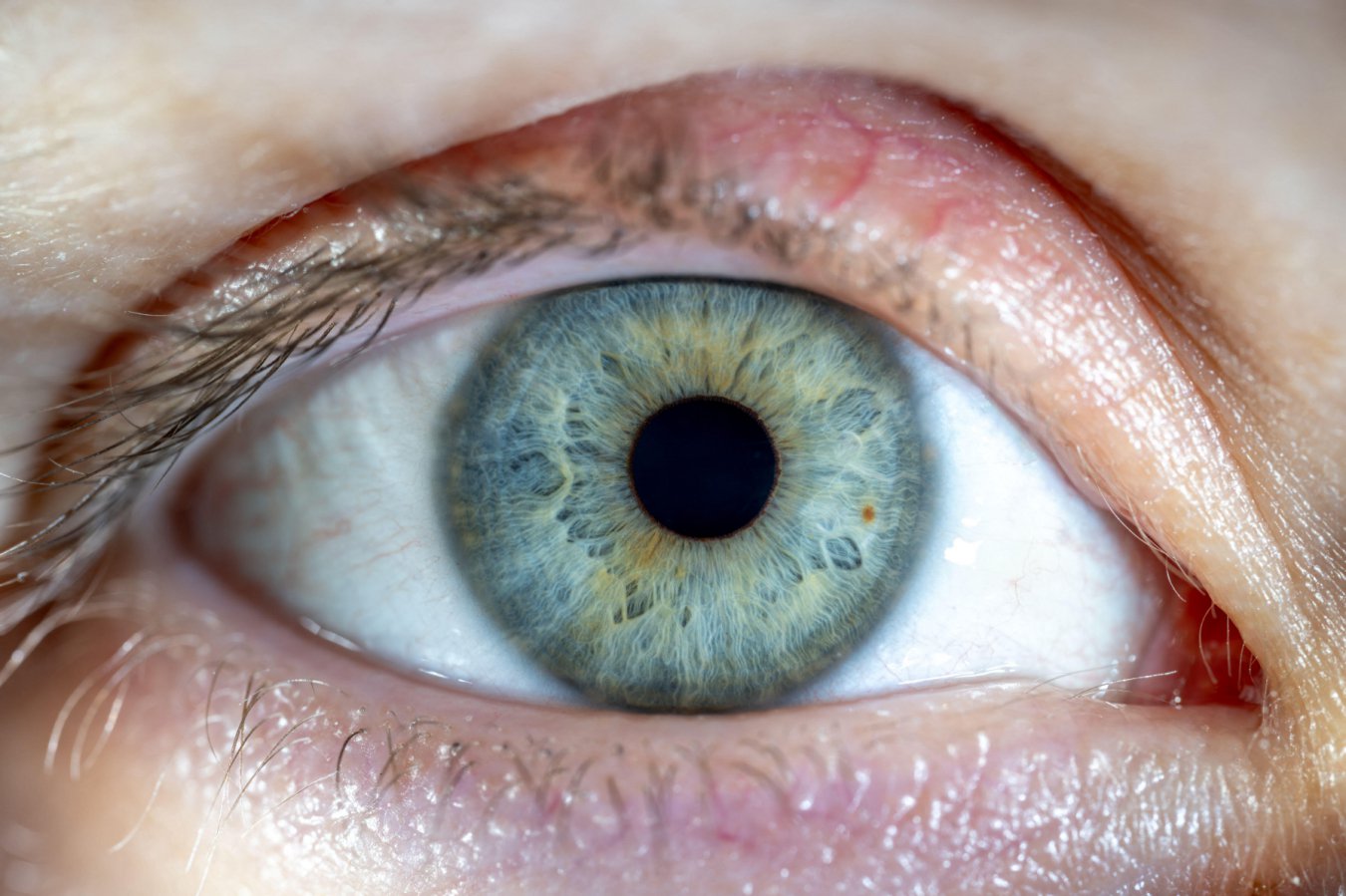
Human eyes have been kept active outside the body for up to 10 hours after death, double the length of time that had previously been achieved. Supplying donor eyes with blood and oxygen meant they continued to respond to light, while also preserving their structure and overall health for 24 hours.
“This work undoubtedly represents an important step towards the possibility of whole-eye transplantation,” says Thomas Johnson at Johns Hopkins University in Baltimore, Maryland, who wasn’t involved in the research. “Maintaining light responses outside of the body is a tremendous feat.”
More than a million people in the UK are blind or partially sighted because of an irreversible eye condition, such as age-related macular degeneration, which affects the retina, the light-sensing tissue at the back of the eye.
Some advances have been made. For instance, corneal transplants, which replace the clear “window” in front of the eye with donor tissue, can improve vision in people with damaged corneas. But treating the retina is more challenging as it is connected to the central nervous system.