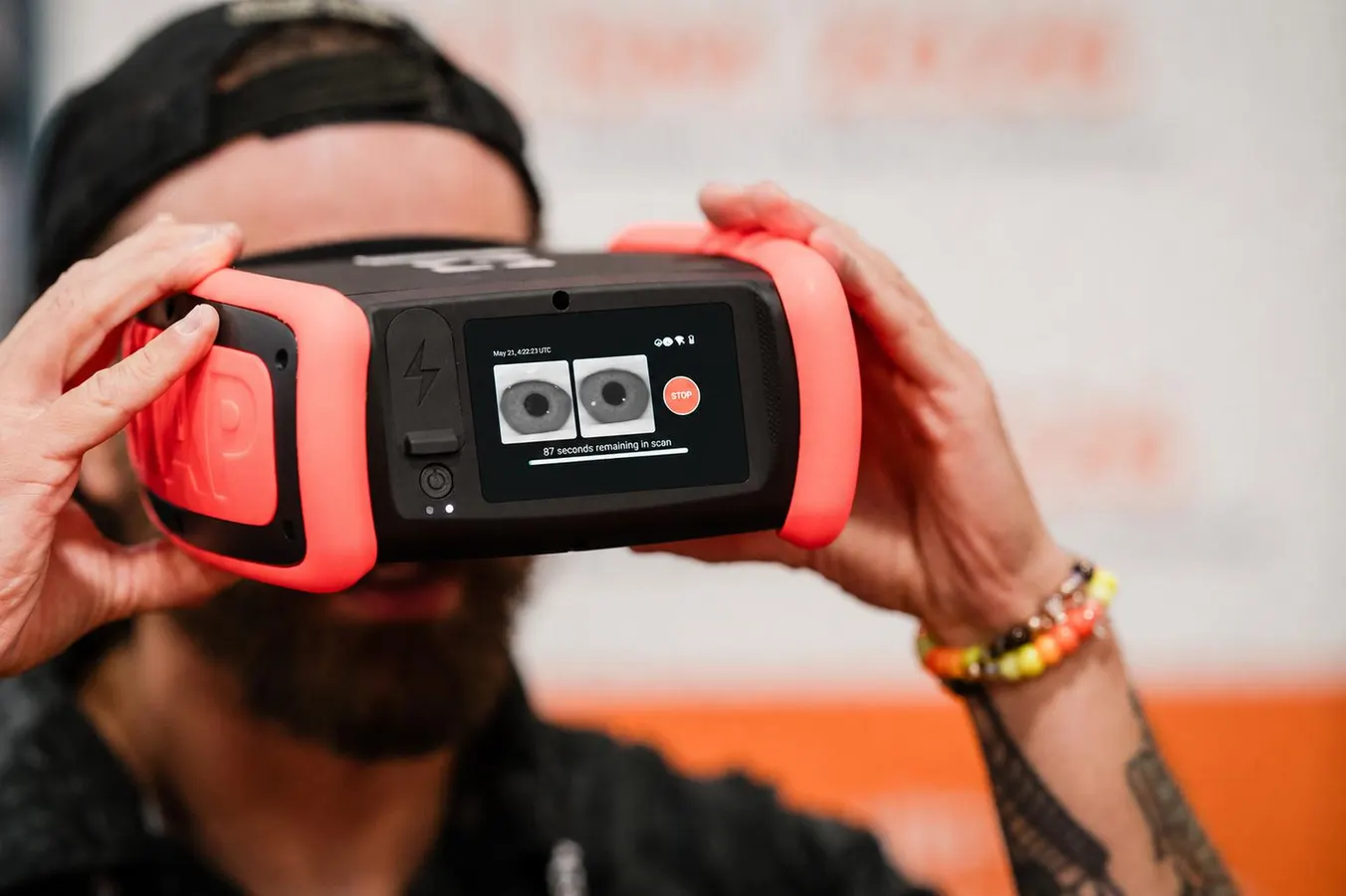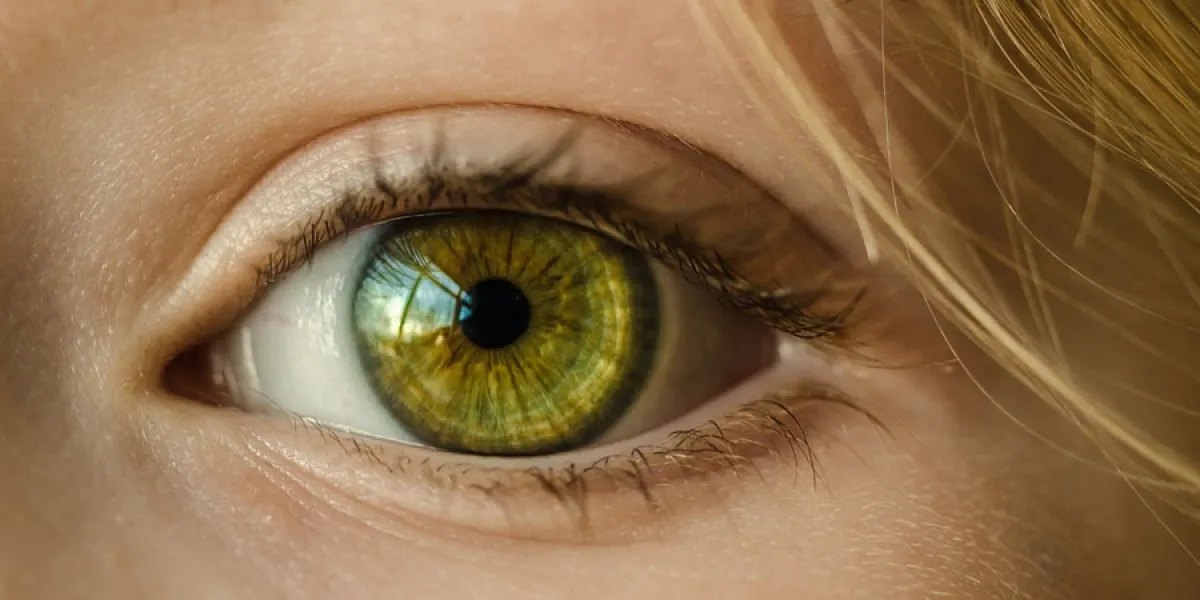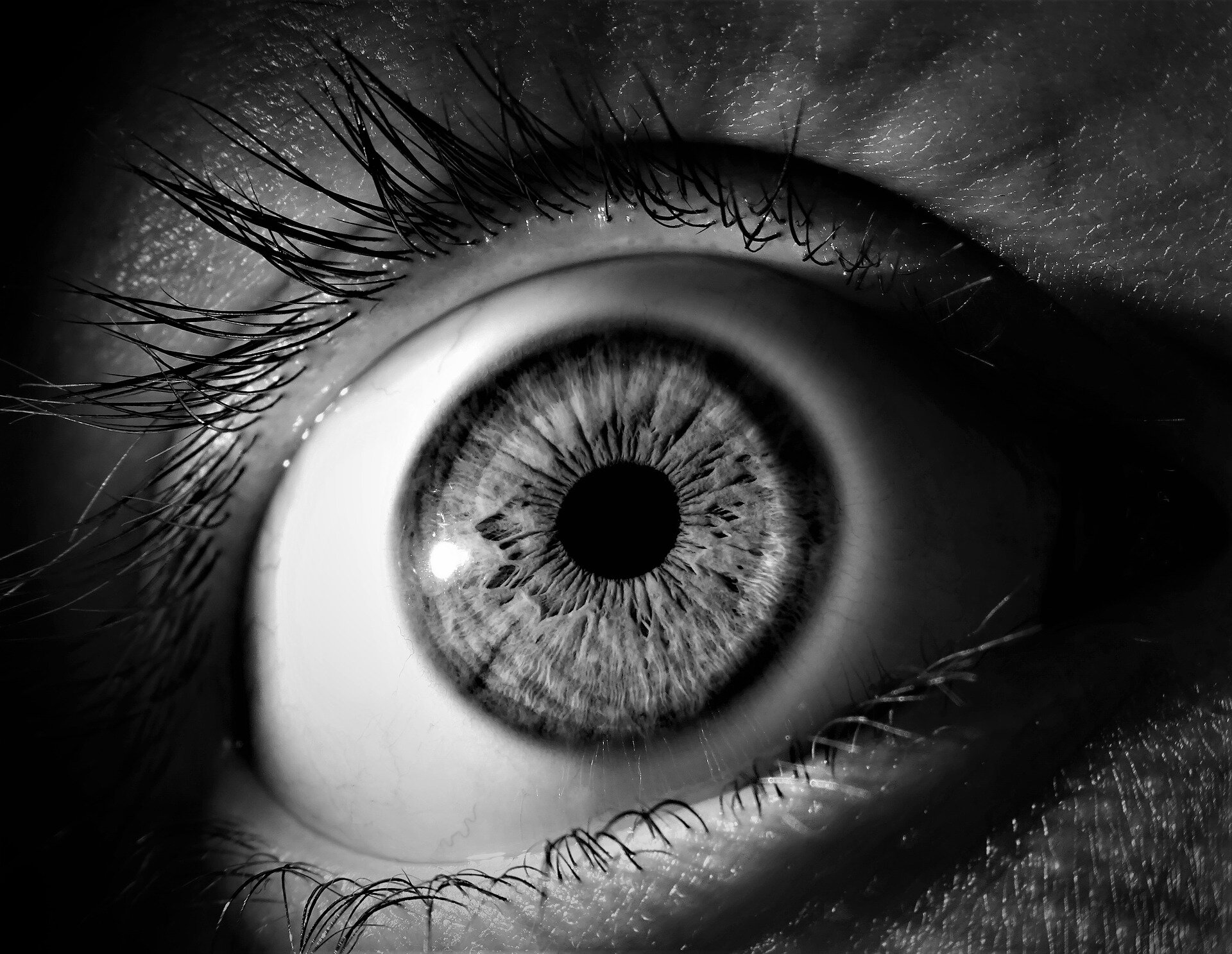
A simple bedside eye test may help predict recovery of consciousness in patients with severe brain injuries, according to new research presented at the European Academy of Neurology (EAN) Congress 2026.
The study found that a previously overlooked phase of the pupil response to light, known as the late light-off response (LOR), predicted improvements in consciousness seven days later in patients with acute brain injury. In contrast, standard pupil measurements already widely used in intensive care units (ICUs), including the Neurological Pupil Index (NPi) and pupillary light reflex (PLR) latency, did not predict later gains in consciousness.
Predicting recovery beyond the moment
Predicting whether a patient will recover consciousness after a severe brain injury remains one of the greatest challenges in intensive care. While automated pupillometry is already widely used in ICUs to assess brain function, existing measures mainly capture the pupil's immediate reaction to light and offer limited insight into longer-term recovery.
Researchers from Copenhagen University Hospital Rigshospitalet and the Danish Technical University investigated whether a later phase of the pupil response, occurring after the eye reacts to light, could provide additional insight into recovery potential in patients with acute disorders of consciousness. The study included 250 patients with impaired consciousness following traumatic and nontraumatic brain injury, alongside 30 age- and sex-matched healthy controls. Patients underwent daily automated pupillometry and neurological assessments for up to 20 days in the ICU.