July 7th, 2026
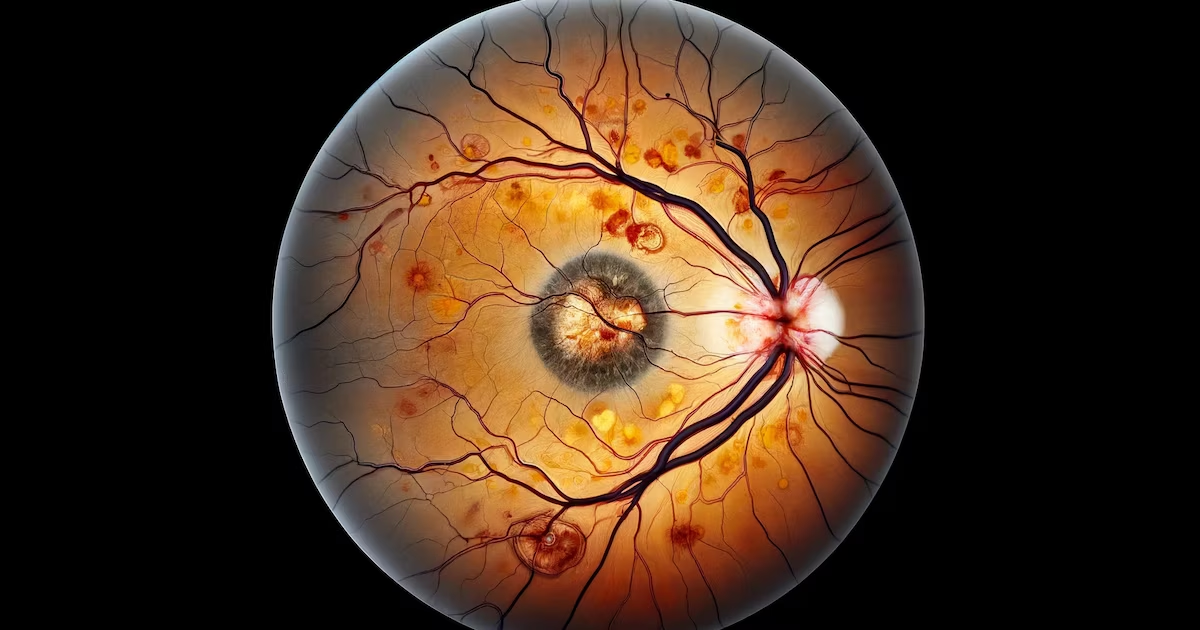
The retina is considered a part of the central nervous system. As is the case for the brain, a barrier of specialized cells surrounding the blood vessels supplying retinal tissue controls the passage of molecules between blood and tissues. This barrier becomes dysfunctional with age and age-related conditions, and leaks inappropriate molecules into retinal tissue to cause further damage and dysfunction. Again, this is very analogous to barrier dysfunction in the brain, and is thought to be a major contributing factor in age-related neurodegeneration and consequent degenerative conditions.
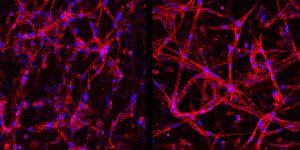
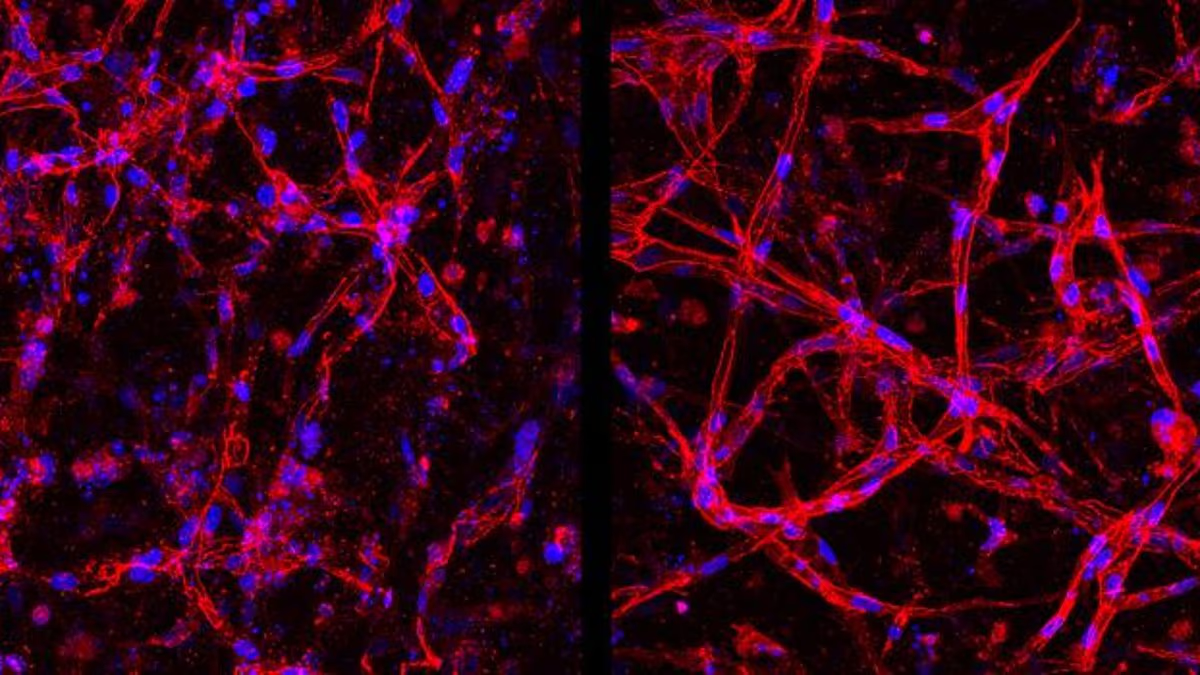
One of the approaches under development for the treatment of damaged retinal tissue, such as in the context of macular degeneration or diabetic retinopathy, is to produce new cells that can replace dead or dysfunctional cells, or otherwise help to improve function via a health profile of secretions. In today's open access paper, researchers report on generation of endothelial cells of the retinal barrier from induced pluripotent stem cells. When introduced into a damaged mouse retina, these cells help to repair tissue and restore a functional vasculature.
Derivation of functional retinal endothelial cells from human pluripotent stem cells for therapeutics and modelling