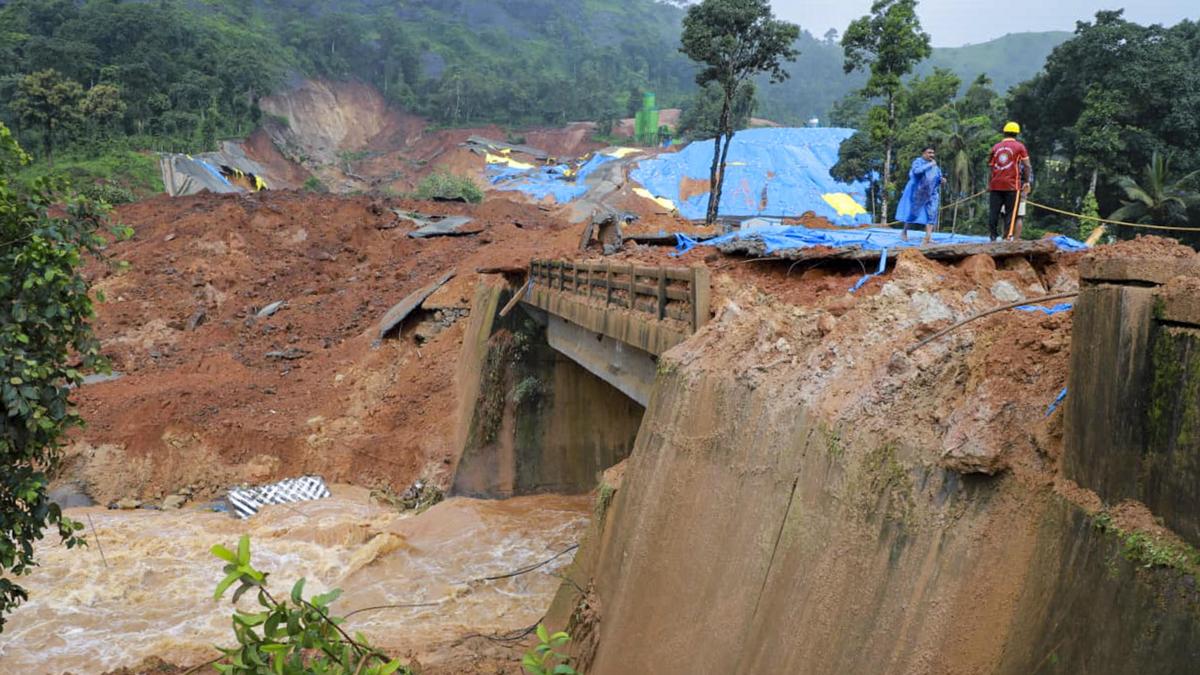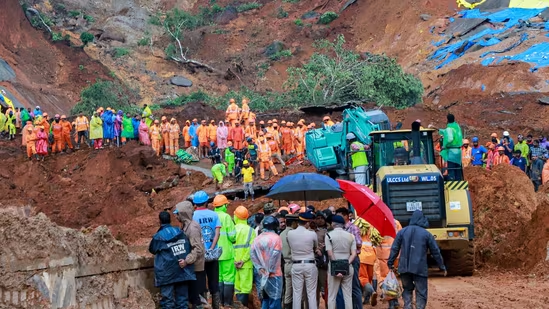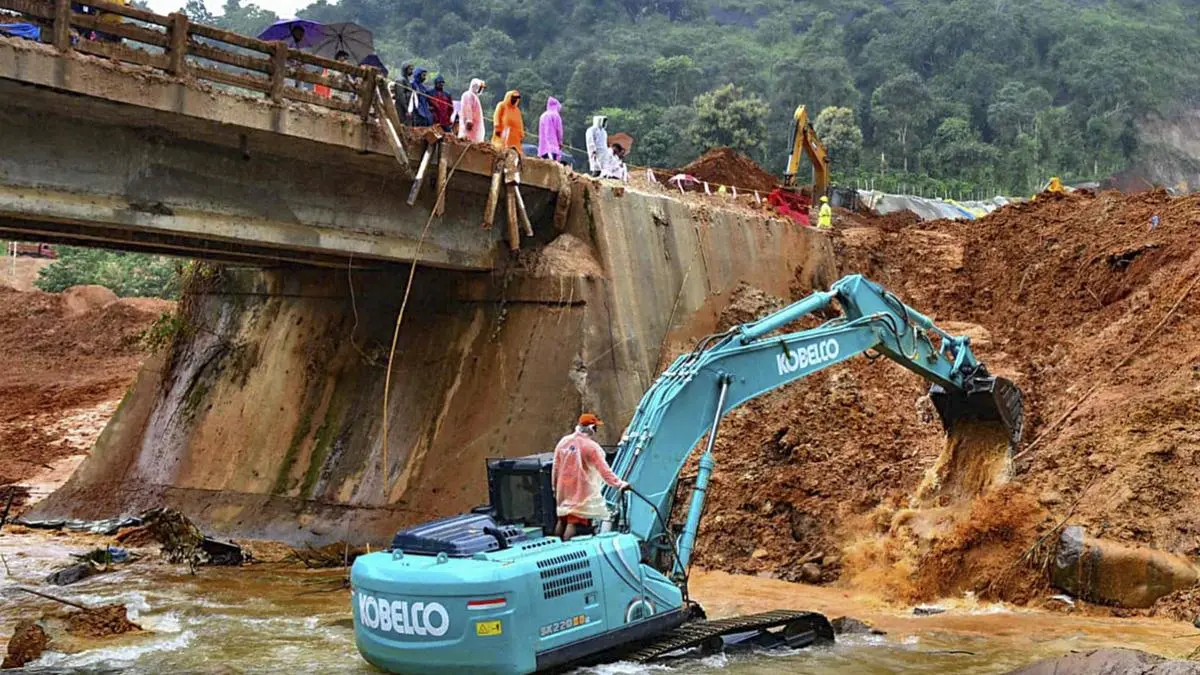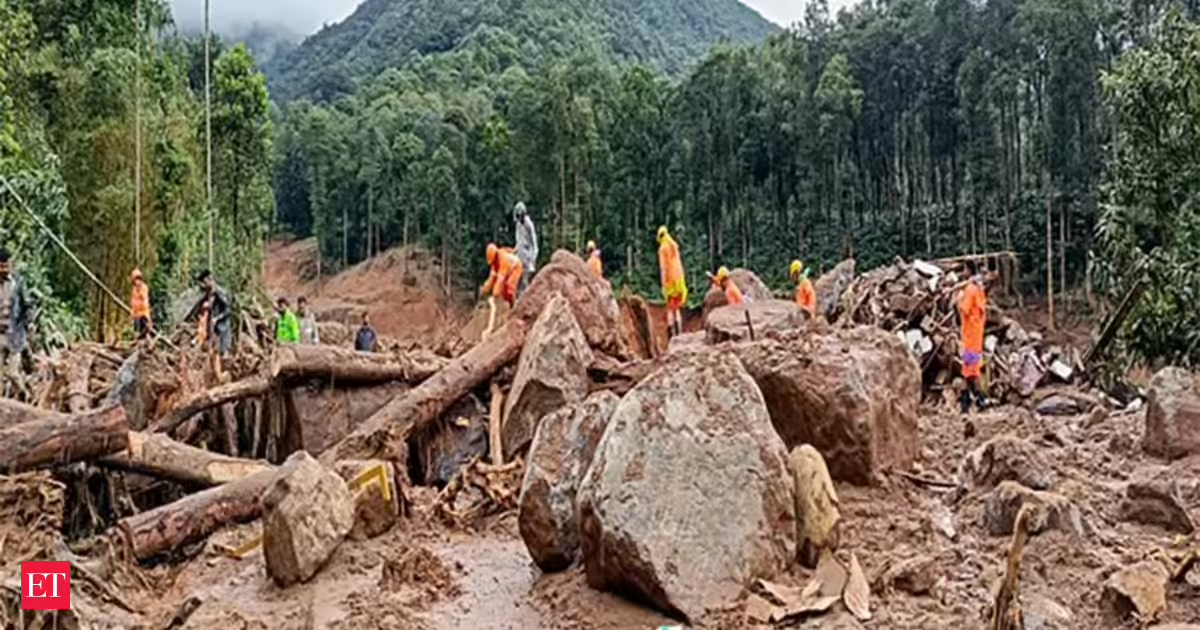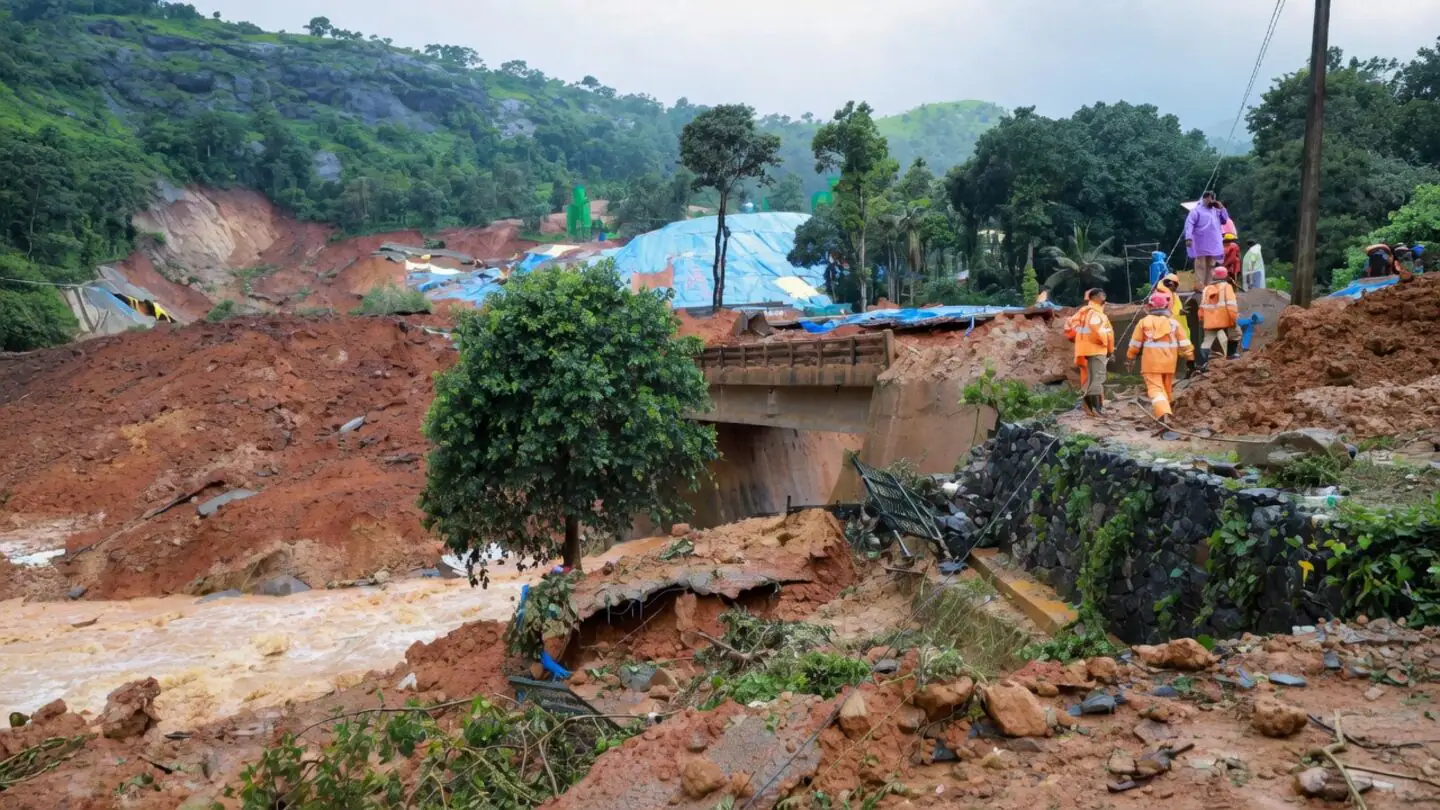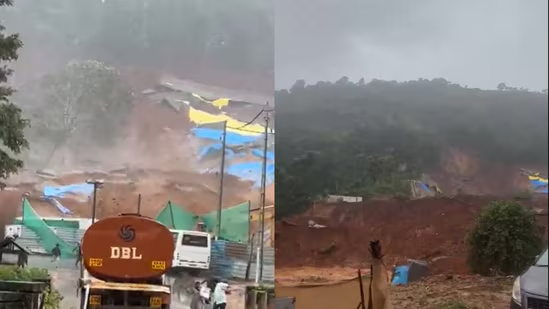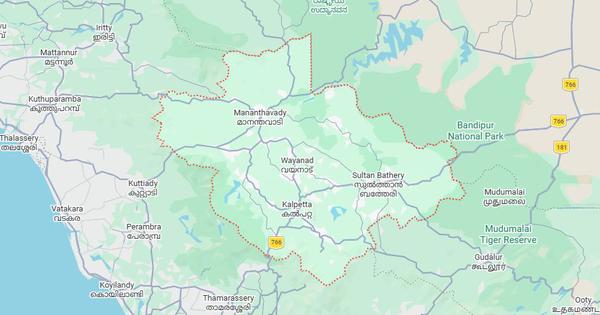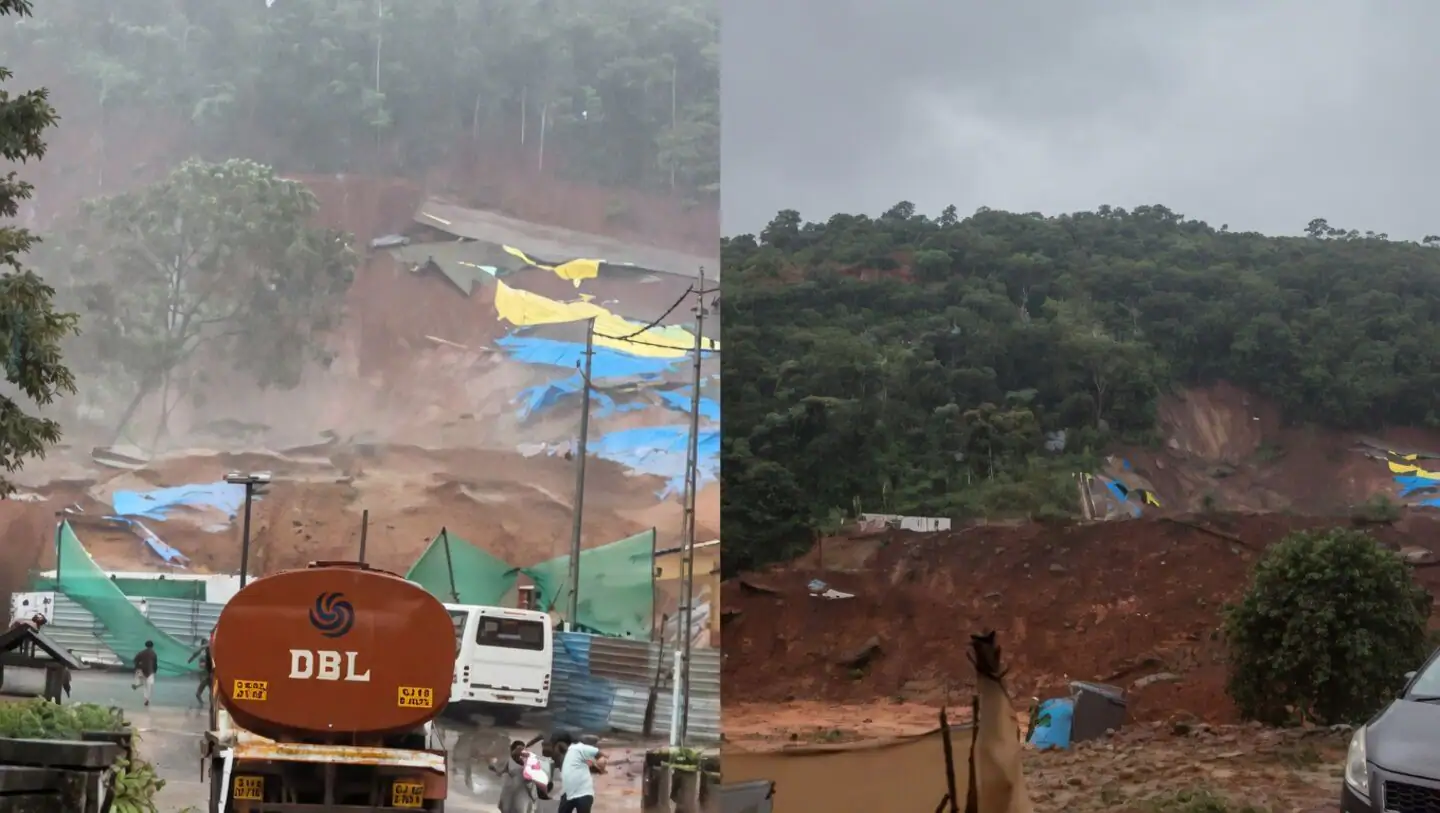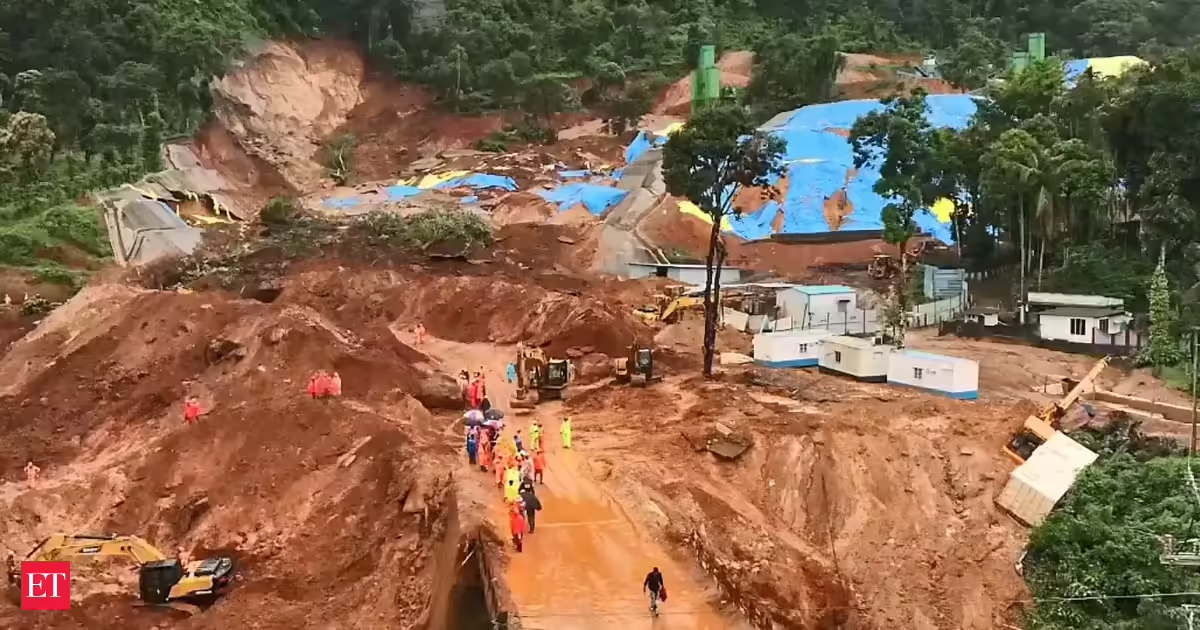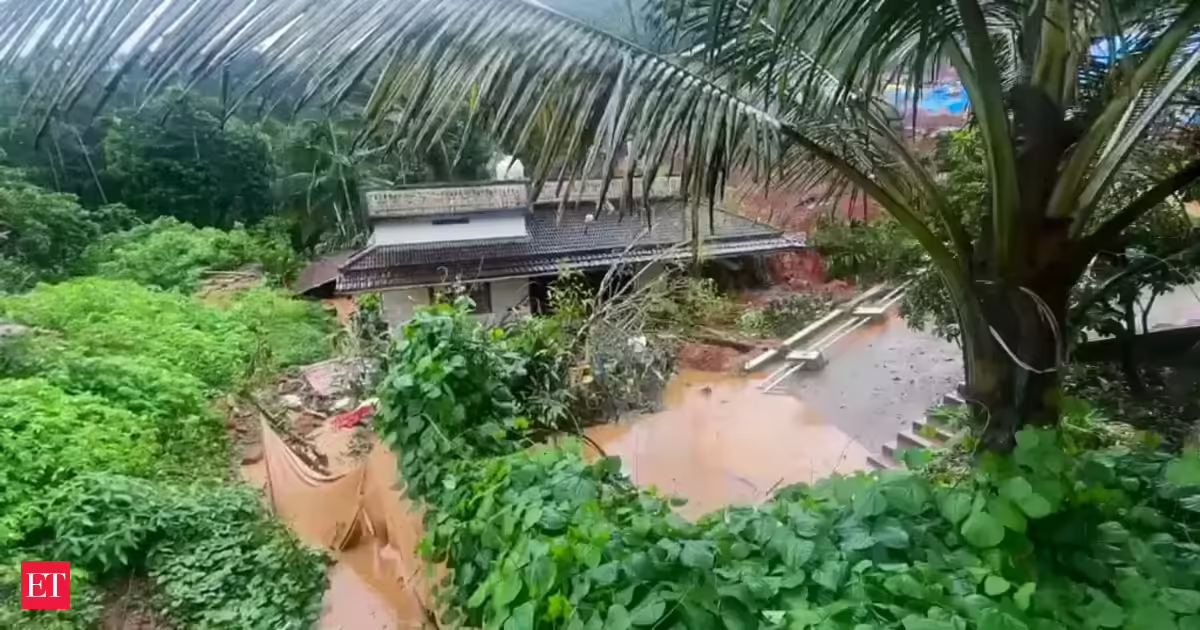
The debris slip at Kalladi in Wayanad was waiting to happen with multiple agencies flagging the Anakkampoyil-Kalladi-Meppadi twin-tube road tunnel project site in Wayanad as prone to landslides.A joint site inspection and geological and geotechnical assessment of the tunnel project last month had warned about the “localised or large-scale slope failure.”Meanwhile, the State Level Expert Appraisal Committee (SEAC), Kerala, which had considered the project proposal had highlighted the landslip and related risks in the region.The joint inspection team, which had representatives of the Geological Survey of India, TUMAS India Private Limited, the agency involved in the project, and Dilip Buildcon Limited, the contracting firm, had report that “continuous and intense rainfall has resulted in progressive saturation of the overburden mass, leading to the development of multiple instability signatures, including widening tension cracks on both lined and unlined berms, localised earth slumps, rill erosion, cavity formation, and discharge of turbid (muddy) seepage water.”The soil mass in the site appeared “to possess relatively poor drainage characteristics, resulting in slow dissipation of pore-water pressure under prolonged rainfall conditions.”It was also noted that very fewer drain holes are “functioning effectively on the treated left-wall slope,” which indicates “inadequate drainage performance.”The field observations indicated “progressive widening of tension cracks” on berms (the raised ridge that runs along the edge of the road) one, two and three, “multiple earth slumps along the benches, and sudden discharge of muddywater through self-developed openings adjacent to the Berm-4 drainage system.”These observations suggested that the “tension cracks may extend to considerable depths and are acting as preferential pathways for infiltration, seepage, and internal erosion.”The report had warned that such conditions could lead to “rapid internal erosion and piping may develop within the overburden mass, resulting in progressive weakening of the slope and potentially triggering localised or large-scale slope failure.”A “preliminary evaluation of the left-wall slope indicated significant instability problems primarily from the ongoing heavy rainfall,” the report, prepared during the first week of June, indicated.The report recommended “regular maintenance (cleaning) of drainage systems and continuous monitoring during monsoon conditions.” It had also suggested that “activities beneath the vulnerable slope should be restricted during periods of intense or prolonged rainfall” until the slope is stabilised.The SEAC had suggested precautionary measures during the construction stage to avert vibration-induced landslips as the tunnel alignment passed through highly fragile terrain prone to landslips, where massive destructive landslides occurred during 2019 and 2024.The area had “recorded landslides in the past with high fatalities and experienced an extremely severe landslide disaster with a very high death toll, loss of properties and adverse land modifications in the recent past.” Hence, it was “necessary that all the anticipated impacts due to various activities envisaged under the project during the construction and operation phases have to be evaluated with adequate scientific inputs and considering the up-to-date scientific literature available on such development projects elsewhere and their impacts,” it suggested.The committee had also noted that the “impact of the extraction of a huge requirement of material for the construction of the tunnel and effective management of muck generated during the tunnelling process should be addressed specifically. Published - July 09, 2026 08:47 pm IST
Multiple agencies had flagged vulnerability of Kalladi to landslips
Multiple agencies warn of landslide risks at Kalladi tunnel project, highlighting significant geological vulnerabilities and necessary precautionary measures.
524 words~2 min read