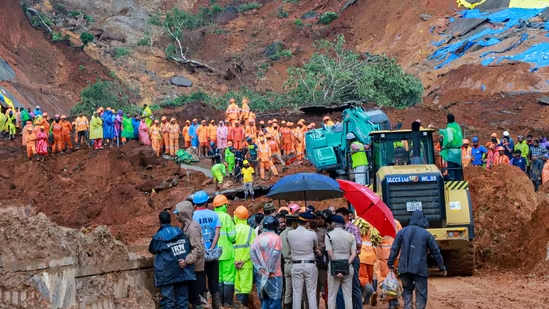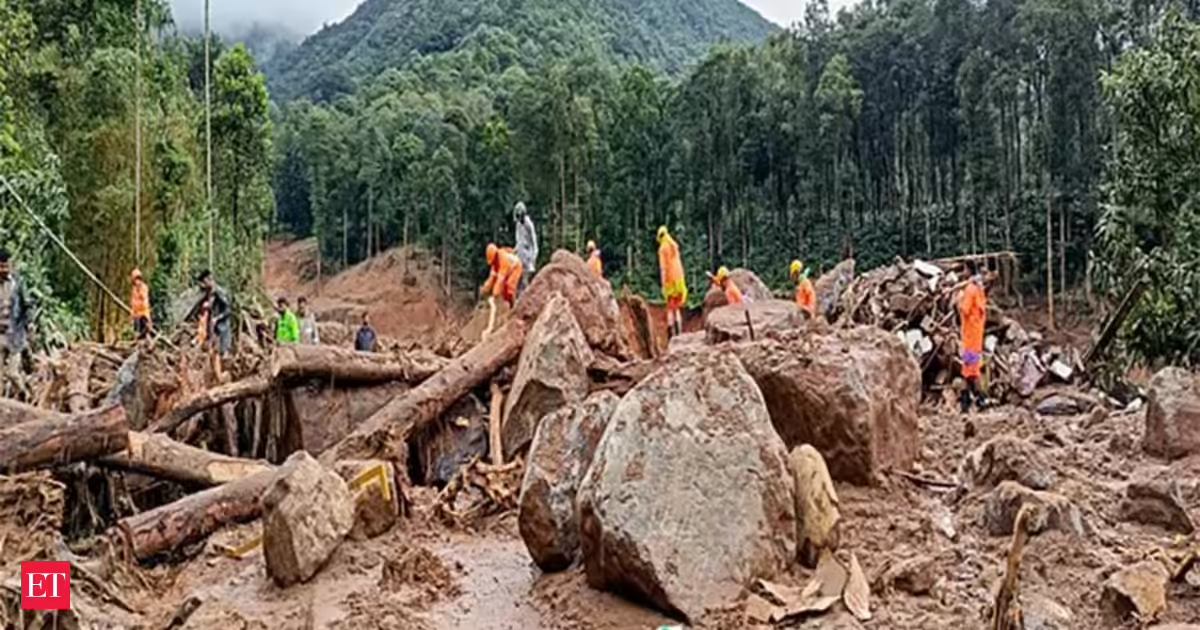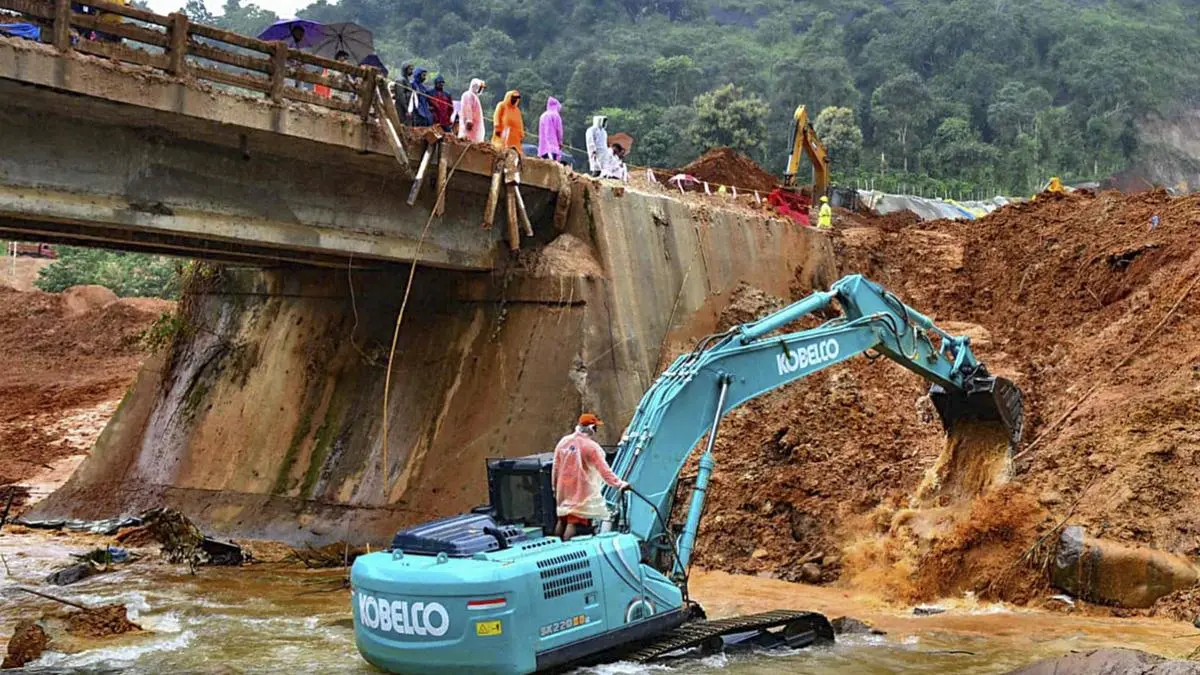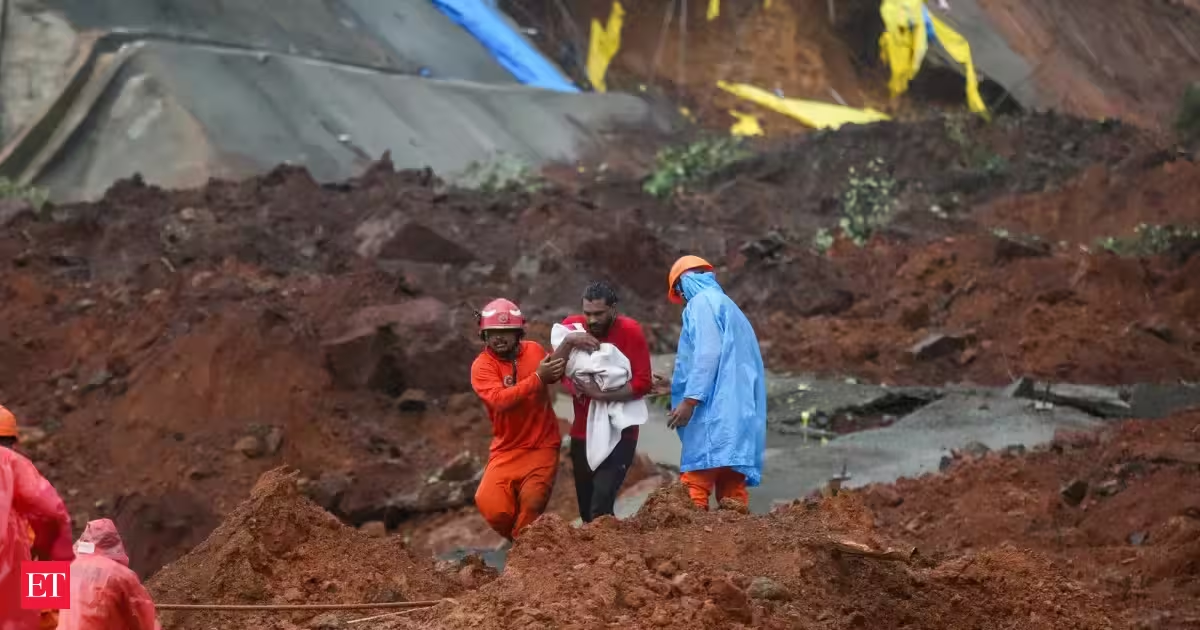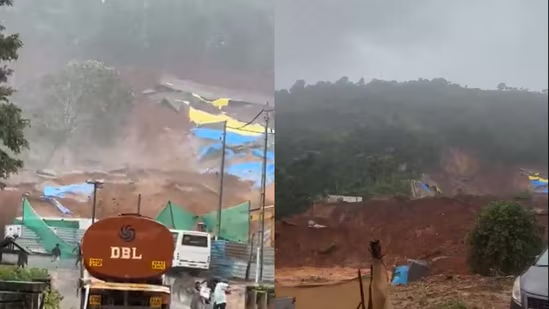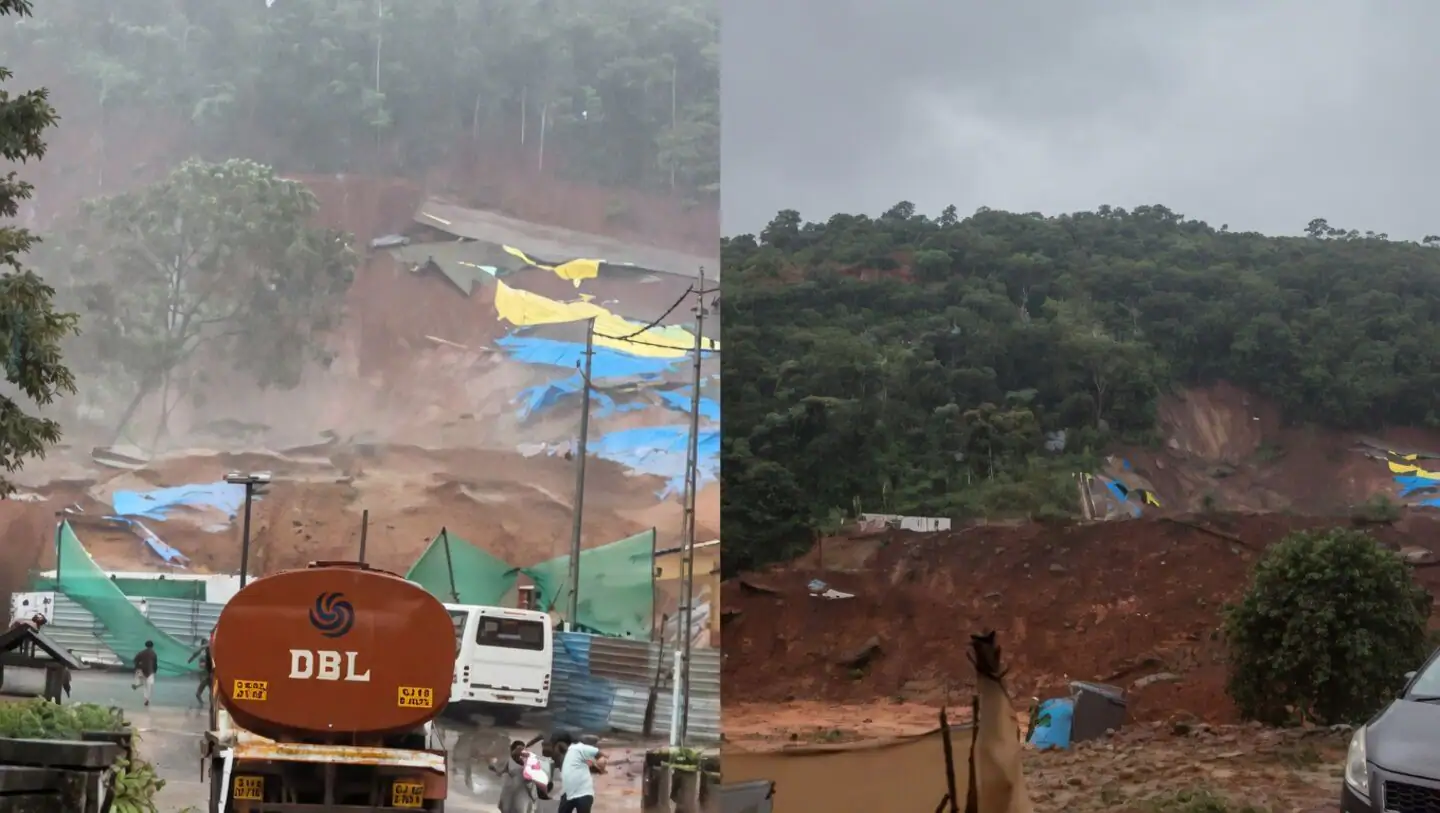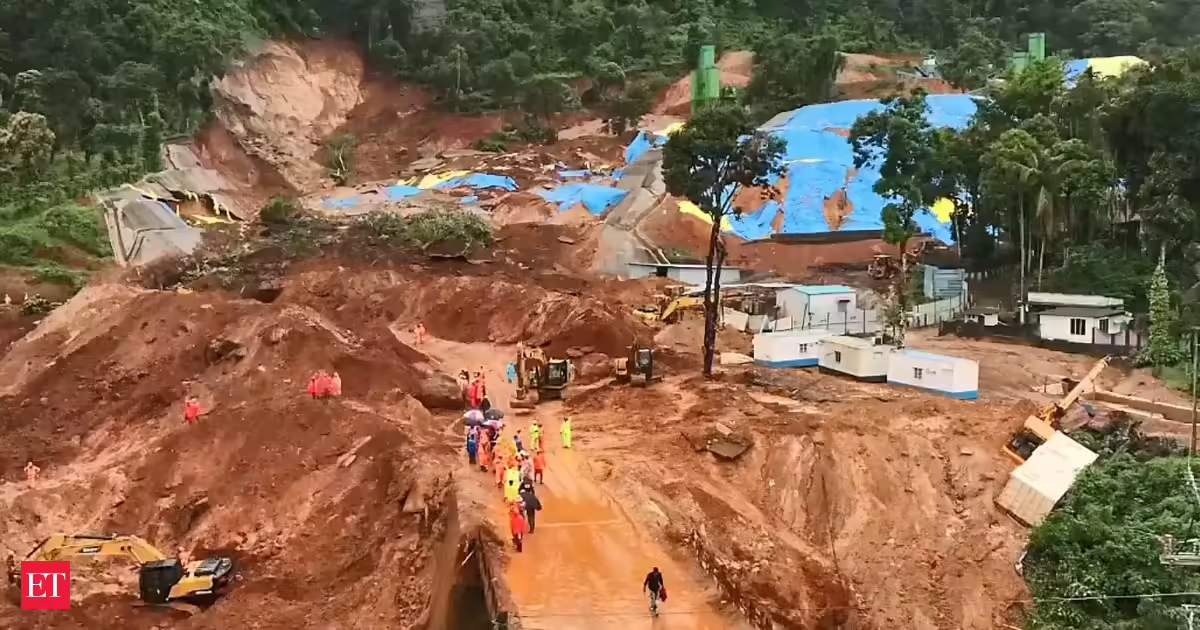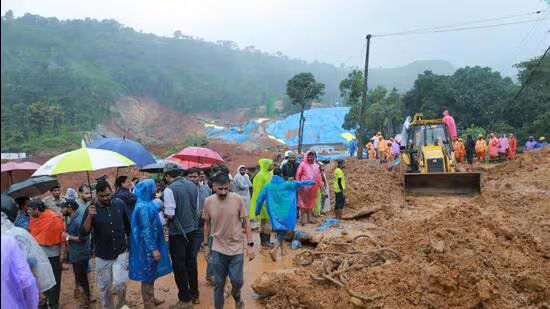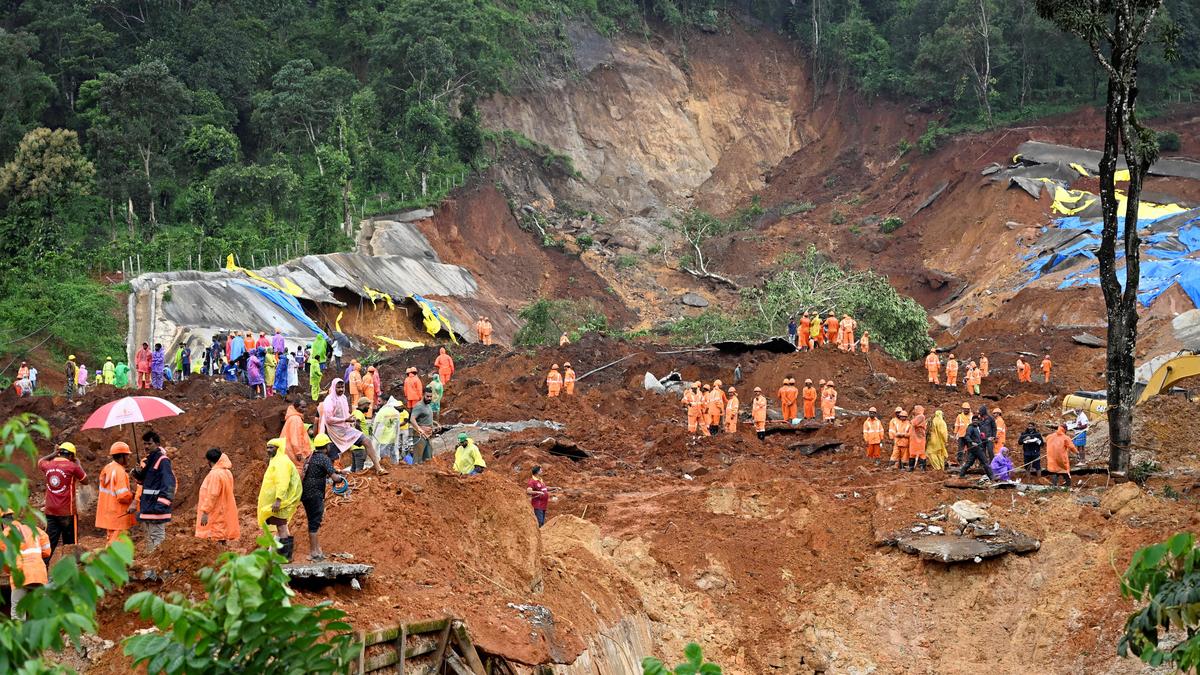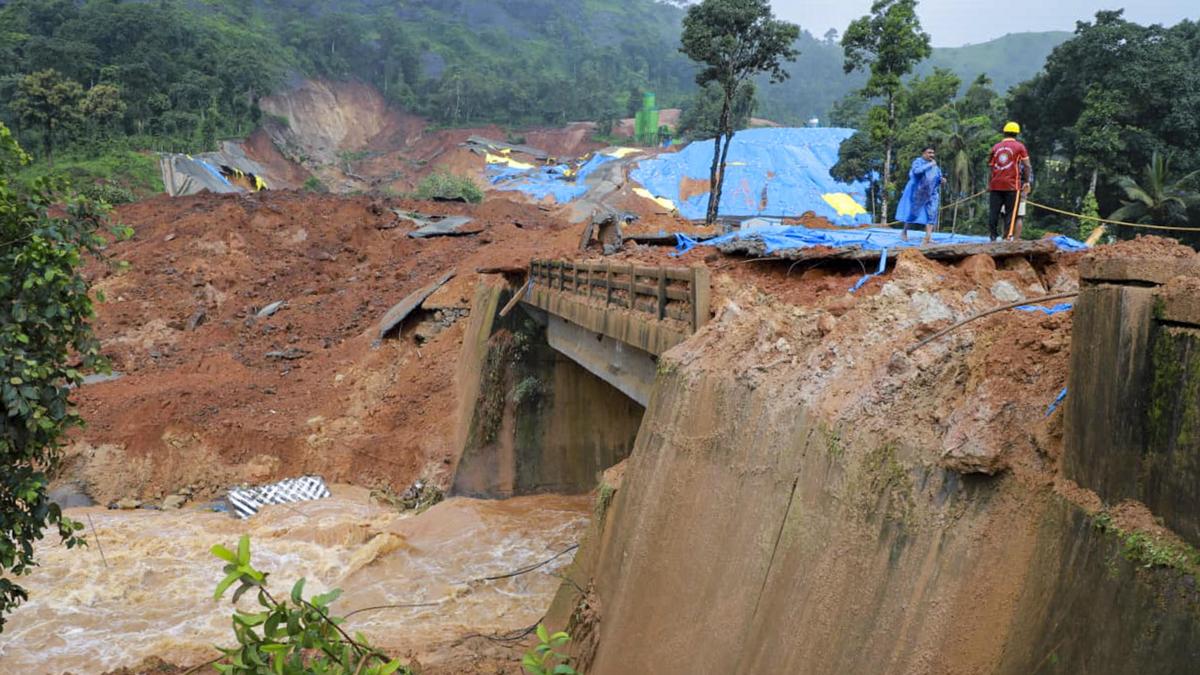
Rescue operation under way after a debris slip at Kalladi, near the Meppadi tunnel project in Wayanad, Kerala, on Tuesday.
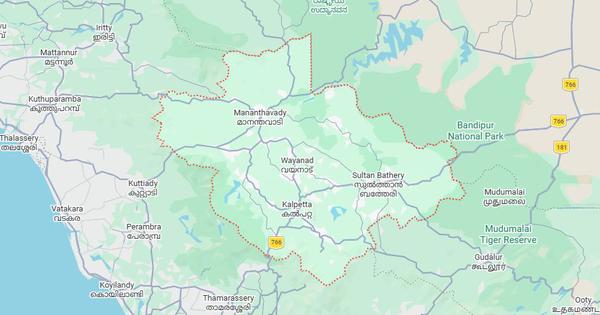
Experts have cautioned the authorities against the threat posed by major infrastructure projects in ecologically vulnerable regions in the wake of the massive debris slip triggered by torrential monsoon rains at Kalladi, near the entrance to the under-construction Wayanad tunnel road (Anakkampoyil–Kalladi–Meppadi) project linking Kozhikode to Wayanad, on Tuesday (July 7, 2026).C.P. Rajendran, geo-scientist and adjunct professor at the National Institute of Advanced Studies, Bengaluru, said that the Annakkampoyil-Meppadi tunnel cuts through most fragile terrain in terms of the destructive landslides near the Chooralmala and Mundakkai regions that occurred between 2019 and 2024.Wayanad debris slip LIVE updates: Eight feared dead, one officially confirmed dead; region braces for more rains“The clearance for the project was given without conducting detailed geological and hydrological studies. Stricter infrastructural guidelines and ecological safety measures should be enforced in fragile areas of the Western Ghats, considering the changing climate-rainfall regimes and the increased vulnerability to landslides in regions like Wayanad,” he said.Disrupts hill slopesProf. Rajendran pointed out that tunnelling disrupts hill slopes by altering the natural stress distribution, weakening the rock-soil mass. “The tunnelling can also generate new fractures, and it can trigger landslides during intense rainfall. Besides, creating tunnel entrances can destabilise the hill base,” he said.“When the tunnel intersects natural drainage paths, pore water pressure rises, soil cohesion weakens, and foundations above begin to shift. What residents saw as “cracks” were surface expressions of subsurface destabilisation,” he said.‘Halt project’Sridhar Radhakrishnan, environmentalist, urged the government to immediately halt the project.“The environmental clearance given by the State Environmental Impact Assessment Authority (SEIAA) should be cancelled. An independent expert panel should be appointed to carry out a comprehensive environmental and social impact of the tunnel project,” he said.He blamed the previous Left Democratic Front government for not applying the precautionary principle while going ahead with the project. “The SEIAA had given the environmental clearance by recommending unscientific conditions, which included the suggestion that there should be no vibration at the time of blasting. This is not a mere man-made disaster, but one that rejected scientific evidence in the name of development,” he said.Invisible atmospheric disturbancesElaborating on the extreme weather events impacted by climate change, Ajil Kottayil, scientist at the Advanced Centre for Atmospheric Radar Research, Cochin University of Science and Technology, said that that invisible atmospheric disturbances known as Kelvin, Rossby and Mixed Rossby-Gravity waves have significantly enhanced heavy rainfall by organising deep convective cloud systems and increasing moisture convergence over the Arabian Sea and the Western Ghats. “Research has shown that the catastrophic rainfall events of 2018 and 2019, which caused widespread flooding across Kerala, were associated with strong Rossby wave activity. The deadly 2024 Wayanad landslides coincided with intense Kelvin wave activity,” he said. Published - July 07, 2026 05:12 pm IST