Two inflation trackers walk into a bar. One says prices are up about 2%. The other says 4.2%. They’re both looking at the same economy.
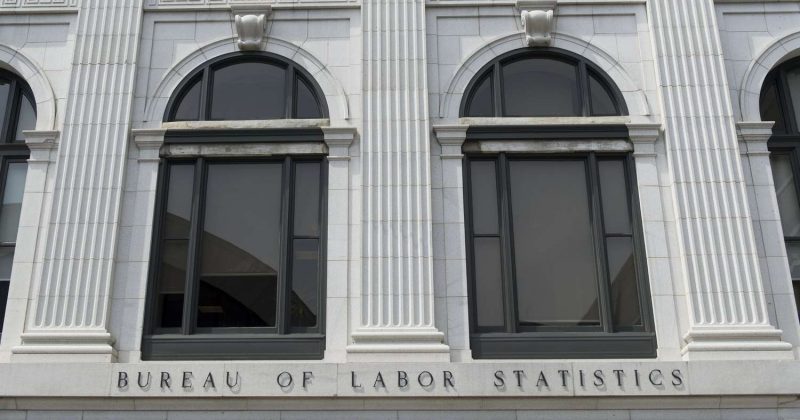
Truflation’s TruCPI-US index, which pulls real-time pricing data through its decentralized TRUF.Network platform, currently shows US year-over-year inflation at 1.82%. The Bureau of Labor Statistics, the government’s official scorekeeper, pegs it at 4.20%. That’s not a rounding error. That’s a 238-basis-point canyon between two systems claiming to measure the exact same thing.
Why the numbers are so different
The BLS methodology relies on approximately 80,000 monthly price quotes collected through surveys and field visits. Truflation aggregates over 15 million data points daily, pulling from retailers, housing platforms, and other real-time sources.
The divergence isn’t just about volume. It’s about timing, statistical weights, and, perhaps most critically, how each system calculates housing costs. Shelter makes up roughly a third of the CPI basket, and the BLS uses a notoriously lagged methodology called “owners’ equivalent rent” that can take 12 to 18 months to reflect actual market conditions.