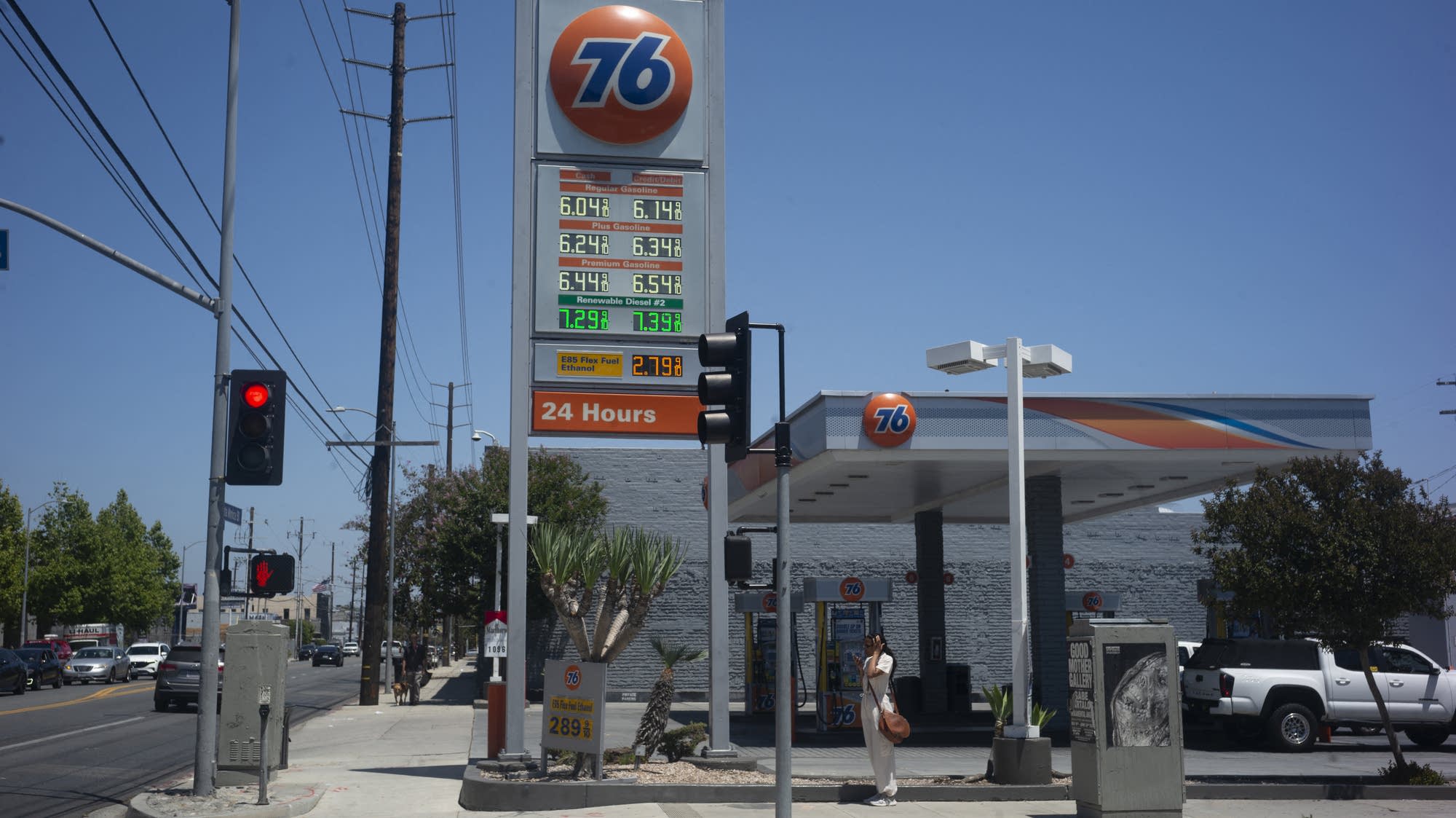
From gas to housing to groceries, consumers can’t escape inflation in their everyday lives. So why can’t policymakers agree on what the data is telling them – and if prices are falling fast enough?
With tariffs pushing up prices of goods and energy markets swinging on geopolitical news, the Federal Reserve’s policymaking committee concluded its July 2026 meeting with a contentious 9-3 vote to hold interest rates steady. But three dissents signaled unease by pushing for a rate hike – the most in nearly a decade.
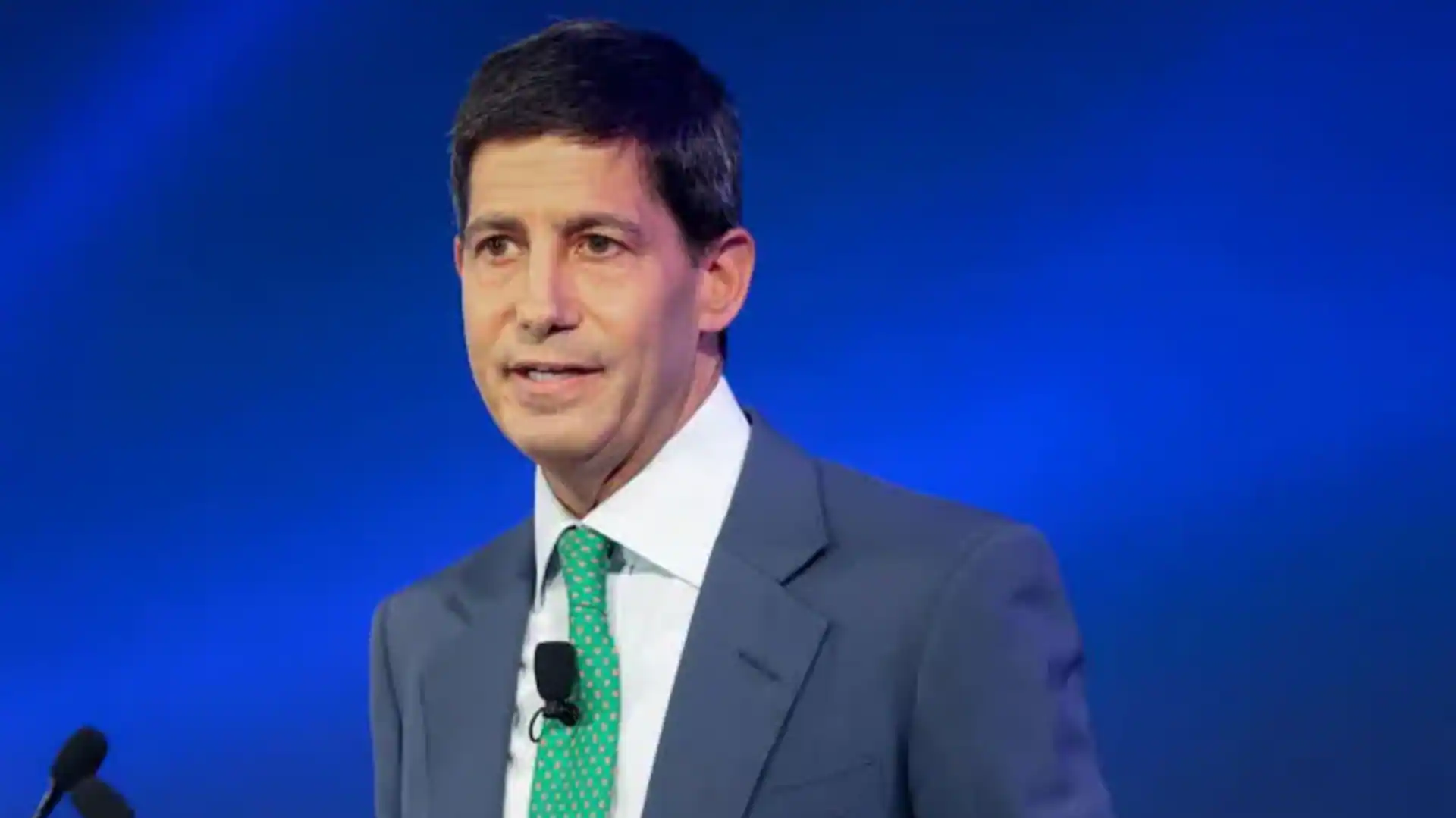
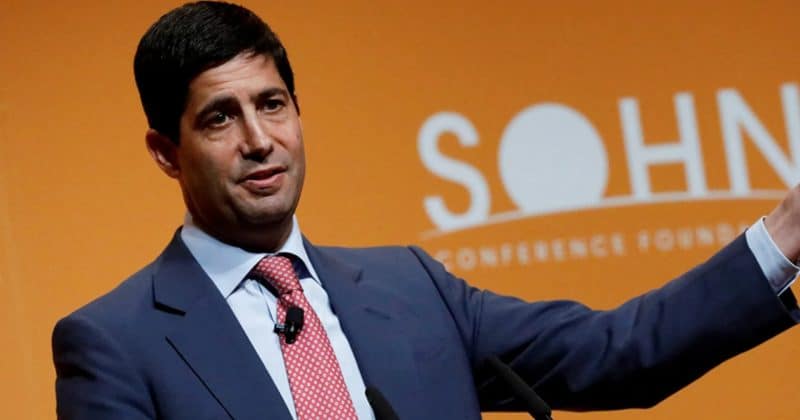
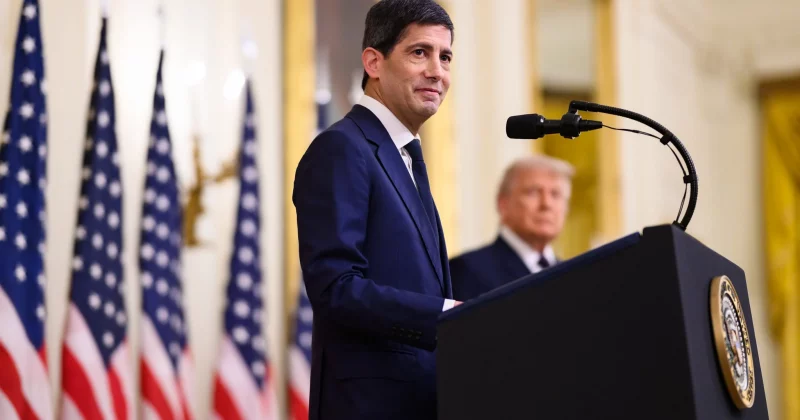
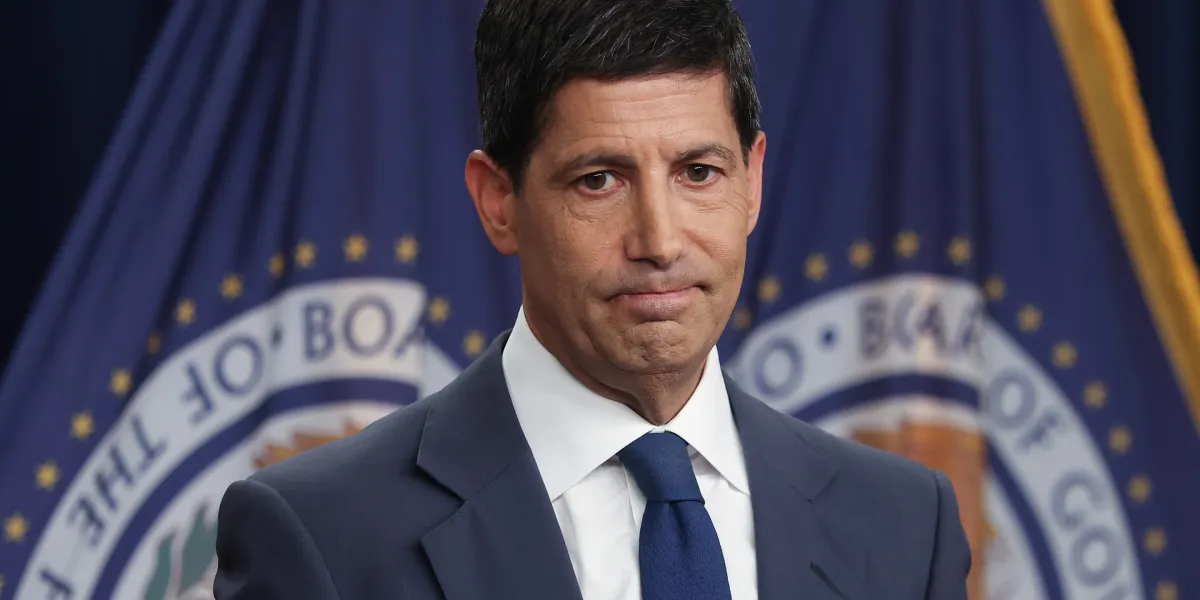
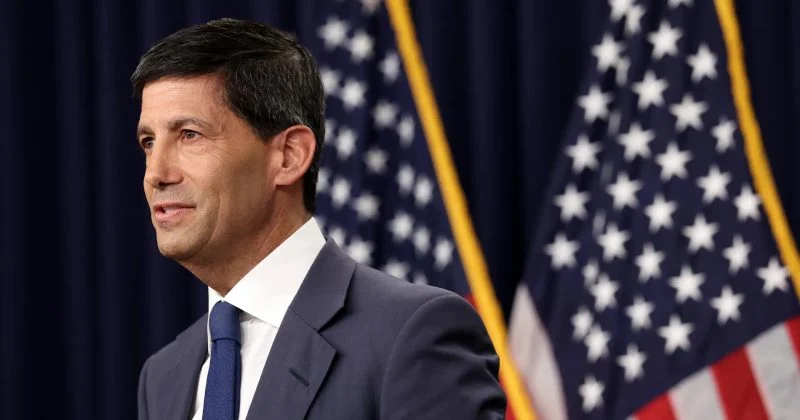
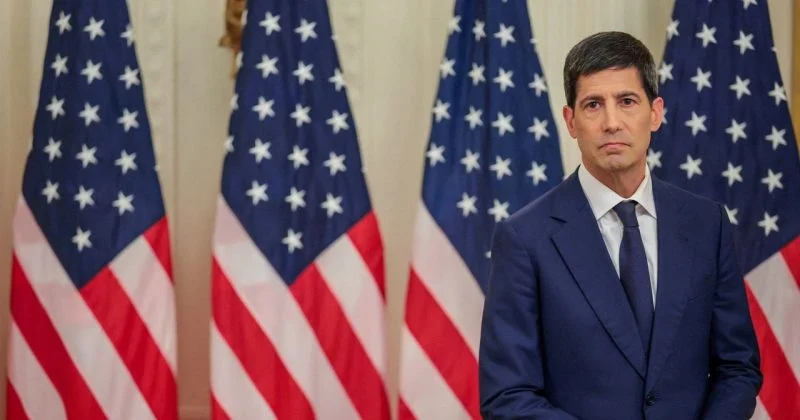
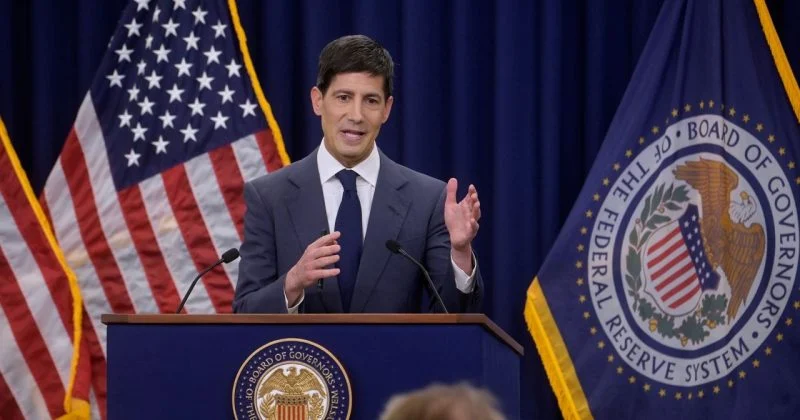
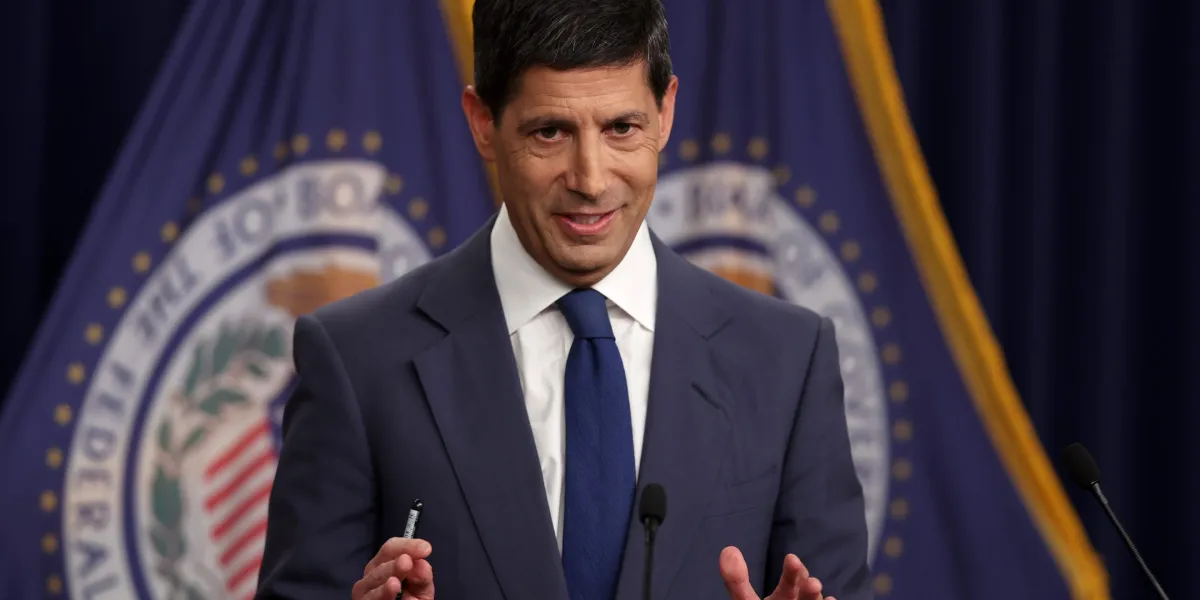
Fed Chair Kevin Warsh tried to thread the needle, emphasizing that inflation still must fall without tipping his hand on where rates would go in the future. He emphasized that the central bank won’t loosen its standards, declaring there’s “no soft inflation target.”
But the Fed’s meeting was followed by mixed news the following day, when its preferred gauge showed that inflation is still well above its 2% target, even though it dipped from 4.1% in May to 3.7% in June.
This confusion is a big reason why the once-obscure argument over the best inflation speedometer is heating up. And the outcome of this debate could change how the Fed thinks about where it sets interest rates. It isn’t just an academic debate: These discussions can dictate mortgage rates, wage growth and daily household budgets, a chief concern for inflation-weary Americans.