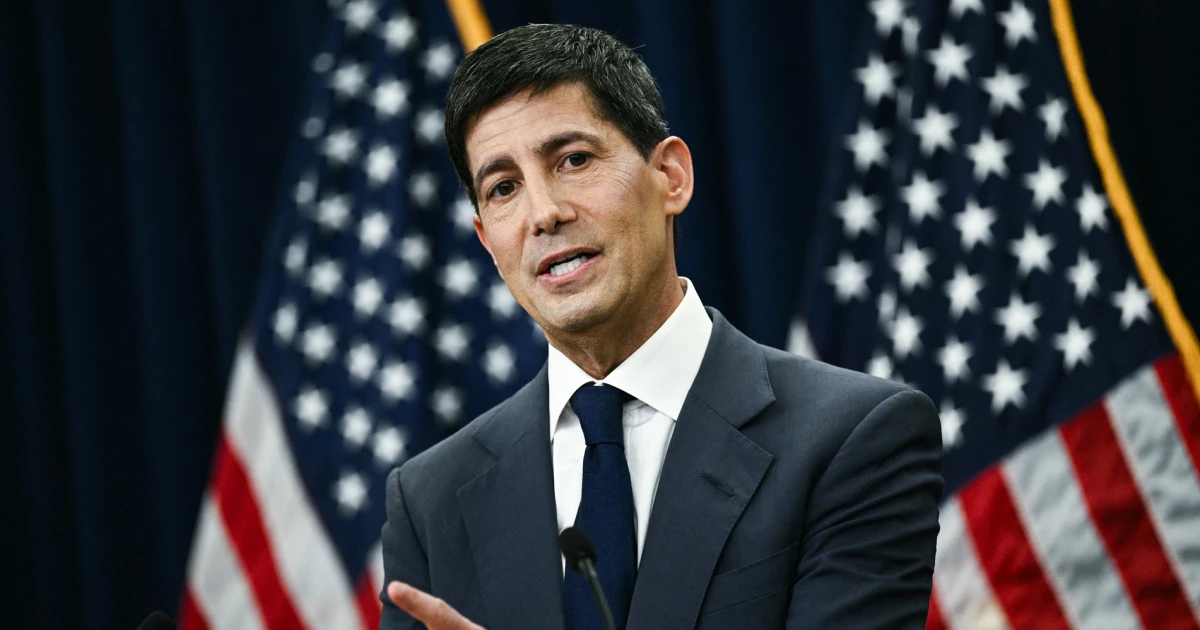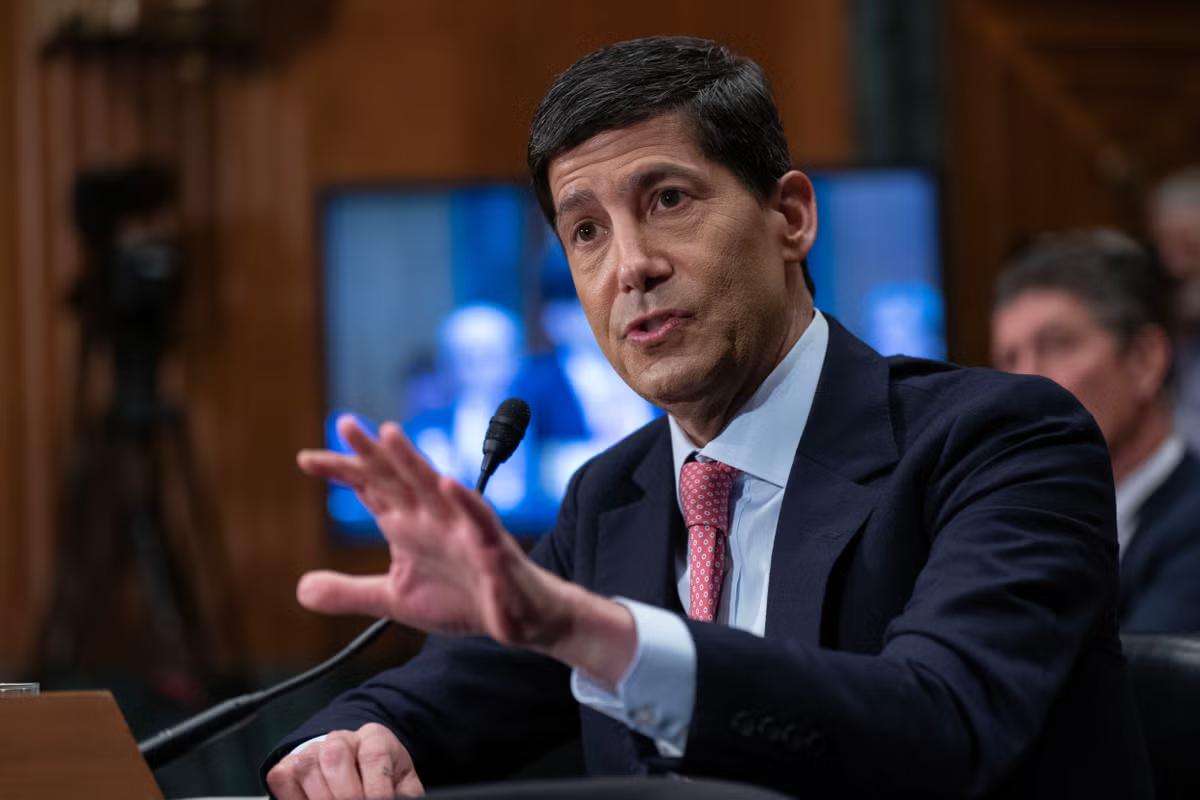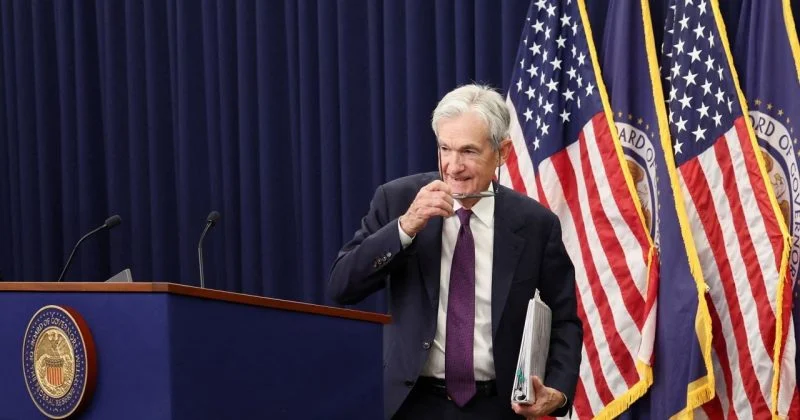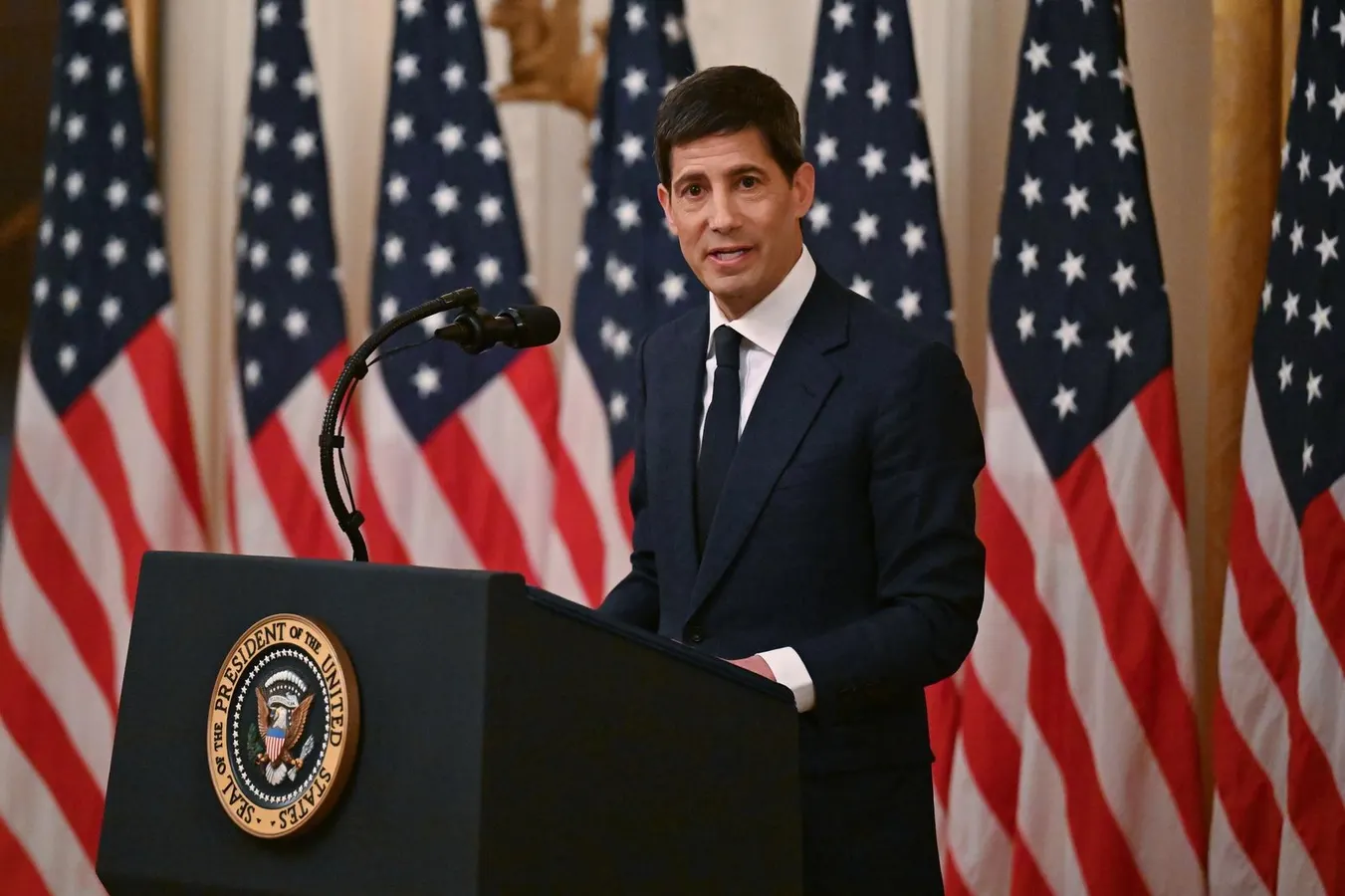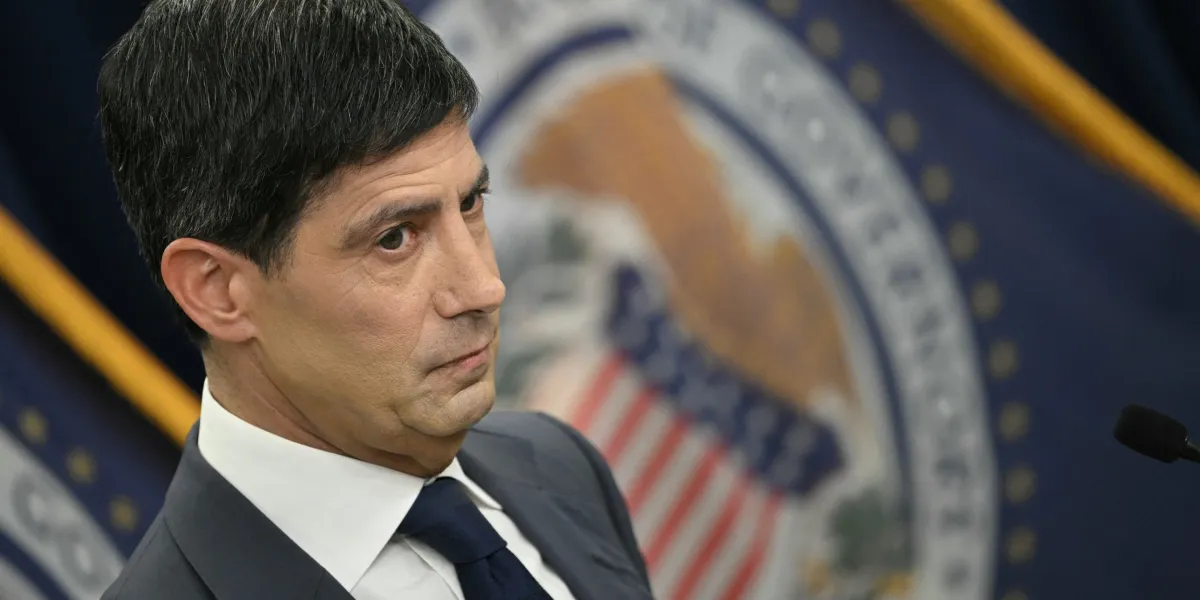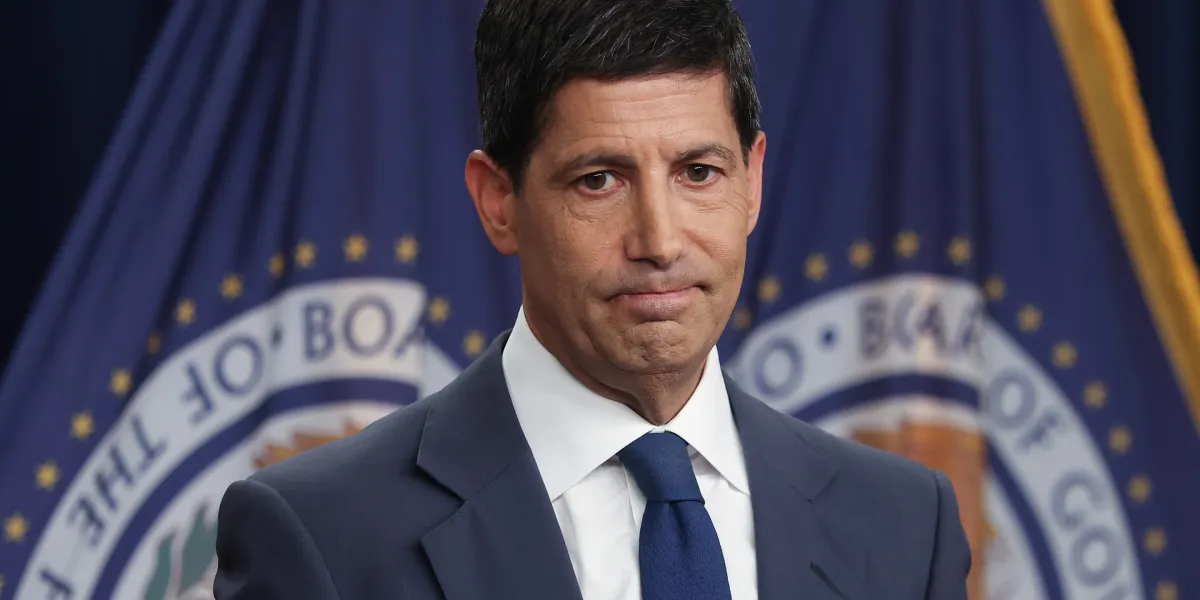
Good morning. How are you feeling about the U.S. economy? Federal Reserve Chairman Kevin Warsh said yesterday that the Fed wants to see an annual U.S. inflation rate of 2%. It’s now running at 3.5%. And yet the Fed left interest rates unchanged, a decision that prompted dissenting votes from three regional presidents who want to raise rates. “It was a real family fight,” he said. “That’s the way to get policy right.” The trajectory of that policy is unclear as Warsh, unlike his predecessor, isn’t one to give forward guidance. Some takeaways:
Rates are more likely to go up than down. Energy prices are high. Housing prices are high. Tariffs added about $1,000 in costs to the average U.S. household last year and could add almost as much this year. There’s a mix of trends in this economy. If lowering the inflation rate to 2% is a priority, though, raising rates is a time-tested way to do it. The question is why wait?
The markets are skittish. The Fed controls short-term rates. Long-term rates are determined by the bond market. And that’s certainly pricing for inflation. While Warsh left rates untouched, the 30-year bond yield rose to its highest level since 2007, and the 10-year Treasury yield rose more than 7 basis points. Over in the equity markets, the Dow fell 2.2%, or 1,100 points, its worst decline since April 2025. Other indices are down, too. Investors are worried about inflation.