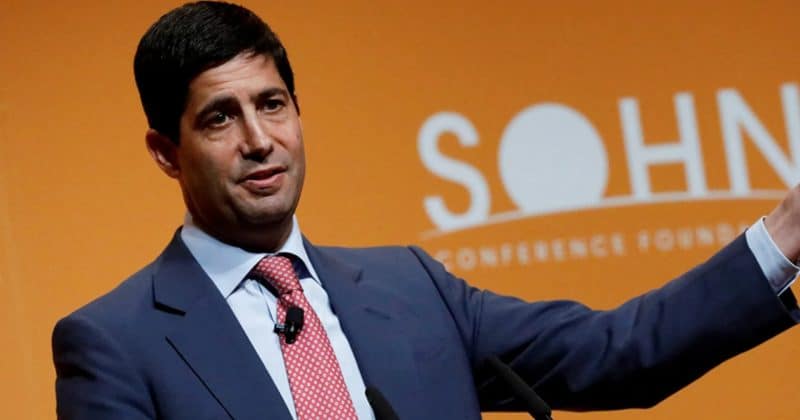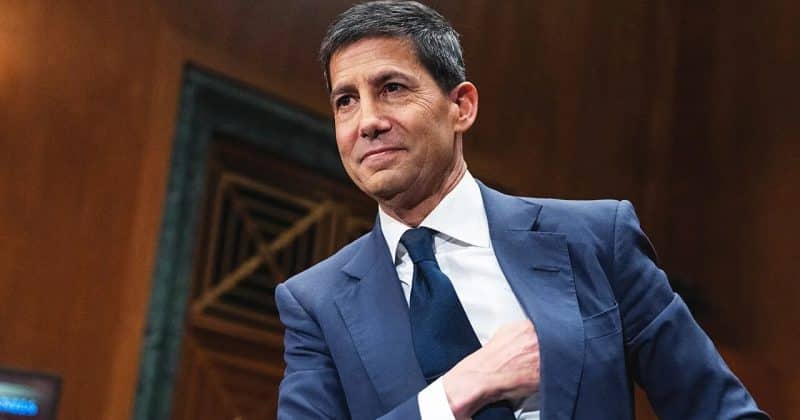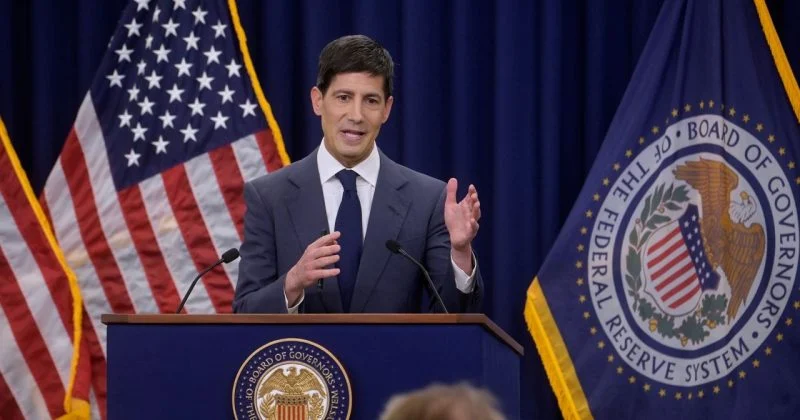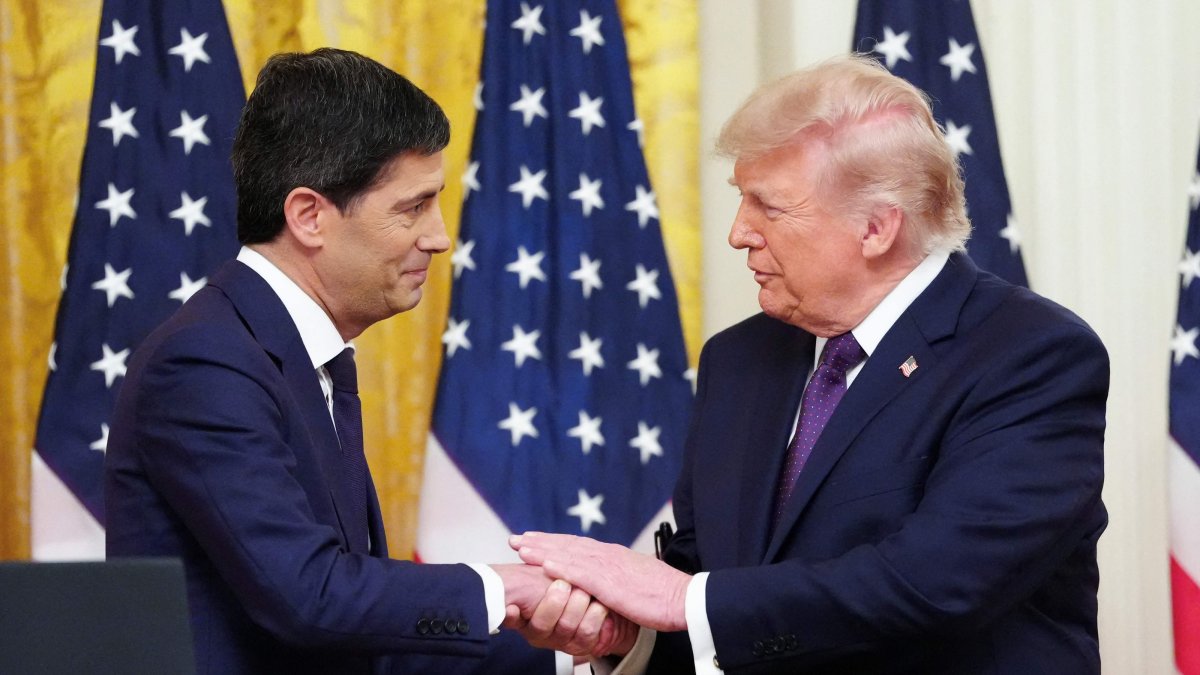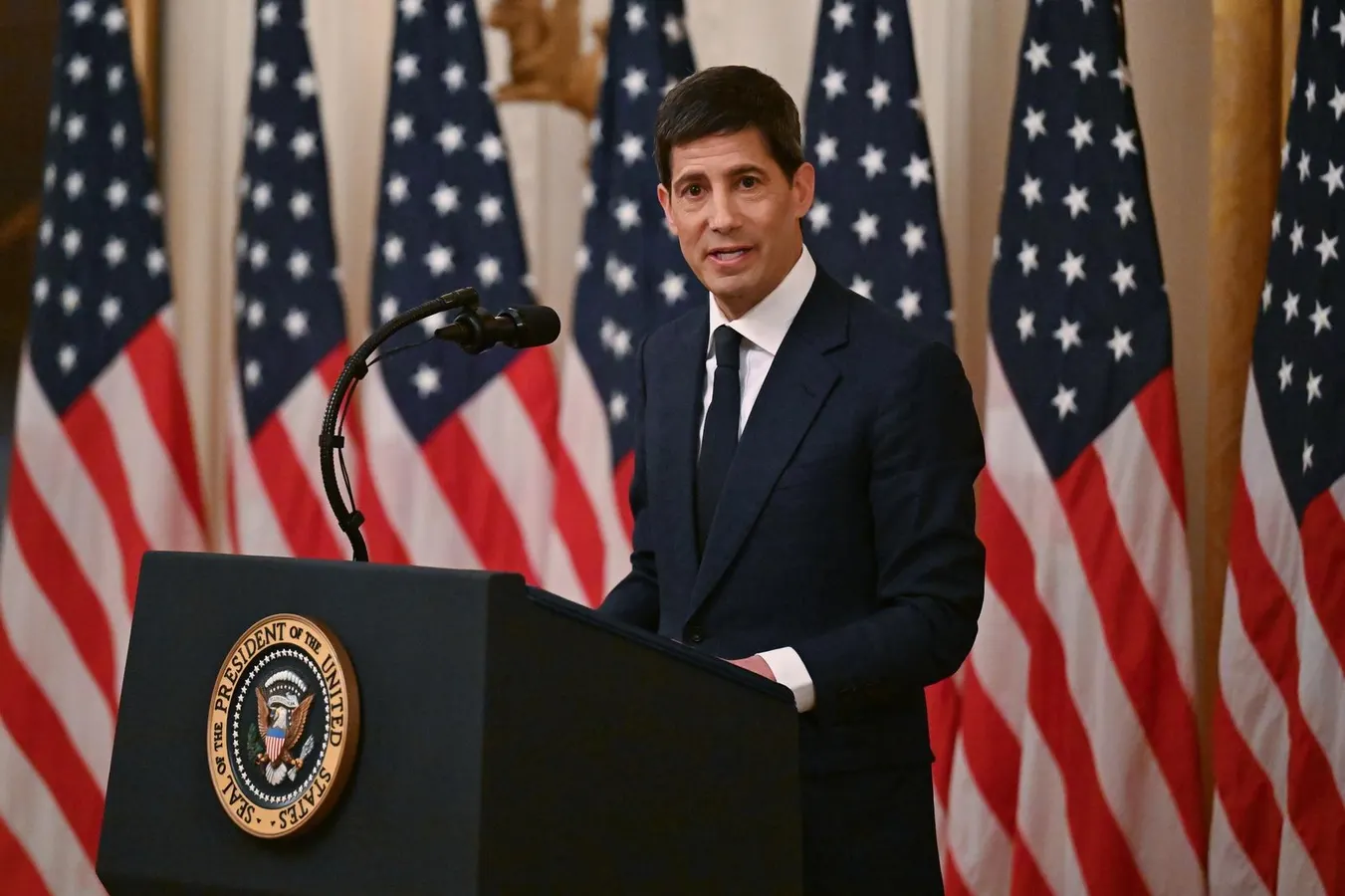
WASHINGTON, DC - MAY 22: Chairman of the Federal Reserve Kevin Warsh delivers remarks after being sworn in during a swearing-in ceremony in the East Room of the White House on May 22, 2026 in Washington, DC. Warsh succeeds Jerome Powell, who served as Chair for eight years. (Photo by Roberto Schmidt/Getty Images)Getty ImagesInflation jumped to a 4.2 percent annual rate in May, the highest since 2023, putting the Federal Reserve under renewed pressure to consider a rate hike later this year as energy‑driven price increases ripple through the broader economy. The Consumer Price Index excluding food and energy rose 2.9 percent, keeping inflation materially above the Federal Open Market Committee’s 2 percent target. With the U.S. jobs market still performing well on recent data, fixed‑income markets are increasingly pricing in the possibility of Fed action later this year.ForbesFed Signals Shift At June Meeting With Markets Pricing In 2026 HikeBy Simon MooreRecent Inflation DataInflation ran slightly above the Fed’s target before March 2026. Now, with the effective closure of the Strait of Hormuz to trade for several months, prices have moved higher since March. Energy costs made up 60% of the move up in prices in May, but food and shelter costs continue to rise too. March saw the biggest month-over-month inflation spike, and April and May show some deceleration in the rate of inflation, from a 0.9% monthly rise in March to 0.5% in May. Still, the May monthly rise in prices, if annualized, translates to roughly a 6% annual inflation rate.Why The Fed May ActMarkets do not expect immediate action from the FOMC at the upcoming June 16-17 meeting on interest rates. However, a rise in rates in the fall appears somewhat likely on fixed-income market forecasts. The job market is holds up well on recent reports, but inflation remains above target. MORE FOR YOUTo control inflation, the Fed may elect to raise rates, with the expectation that the jobs market can withstand the potential cooling that higher interest rates could cause.Any potential reopening of the Strait of Hormuz could cause energy prices to move sharply lower. After more than three months of elevated energy prices, the FOMC must weigh the current reality of inflationary pressures against the possibility that inflation could ease if the Strait broadly reopens to shipping. Still, monthly inflation has stayed above the FOMC’s 2% target for more than five years, since March 2021. At some point, this may challenge the Fed’s credibility in effectively controlling inflation.Prices Beyond EnergyAlthough energy costs account for most of the inflation spike, the move is somewhat broader. Part of this comes from categories that respond to energy costs, such as airline fares, where jet fuel is a material costs. However, shelter and food costs, which make up a large share of consumer spending, also continue to see price increases above the Fed’s 2% annual target. On a positive note, car prices and the cost of car insurance show some price declines. Nonetheless, most material categories continue to see price increases.What To ExpectToday’s elevated inflation report was largely anticipated by economists and may not prompt an immediate increase in interest rates from the Fed, based on market projections. However, the recent spike in inflation is likely enough for the FOMC to start meaningfully discussing the prospect of an interest rate increase. As part of this, the Fed is also likely to step back from plans to lower rates, which appeared probable before the Iran conflict.
Inflation Rate Rises Above 4% As Fed Faces Pressure To Act
Inflation rose 4.2 percent in May, the highest since 2023, keeping prices above the Fed’s target and increasing the odds of a rate hike later this year.
576 words~3 min read